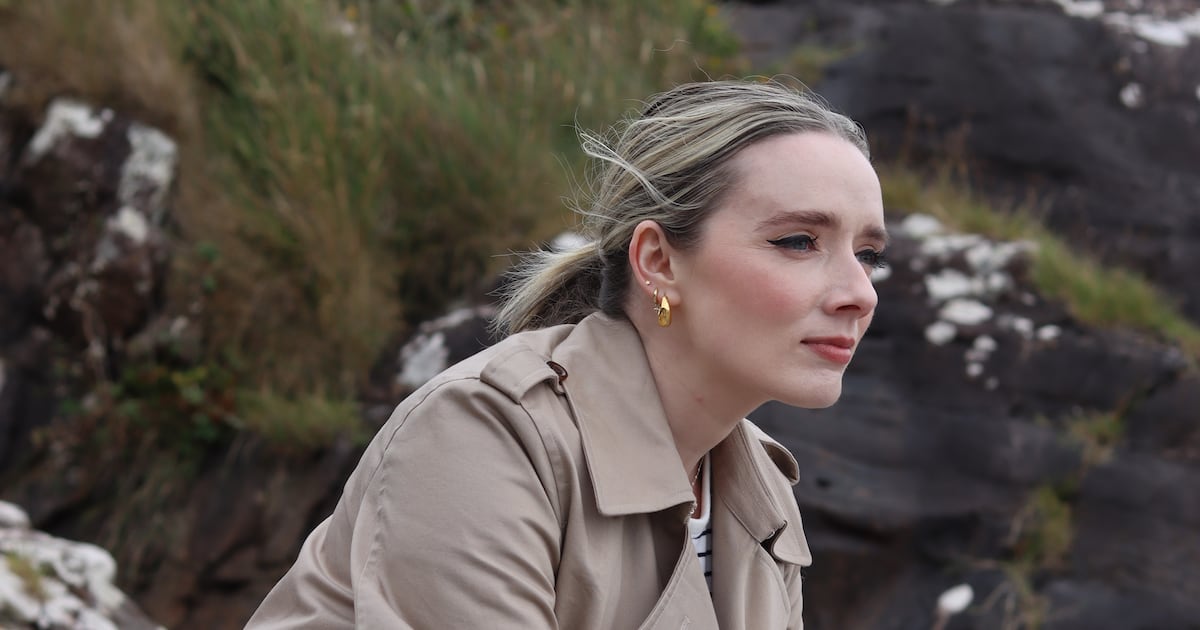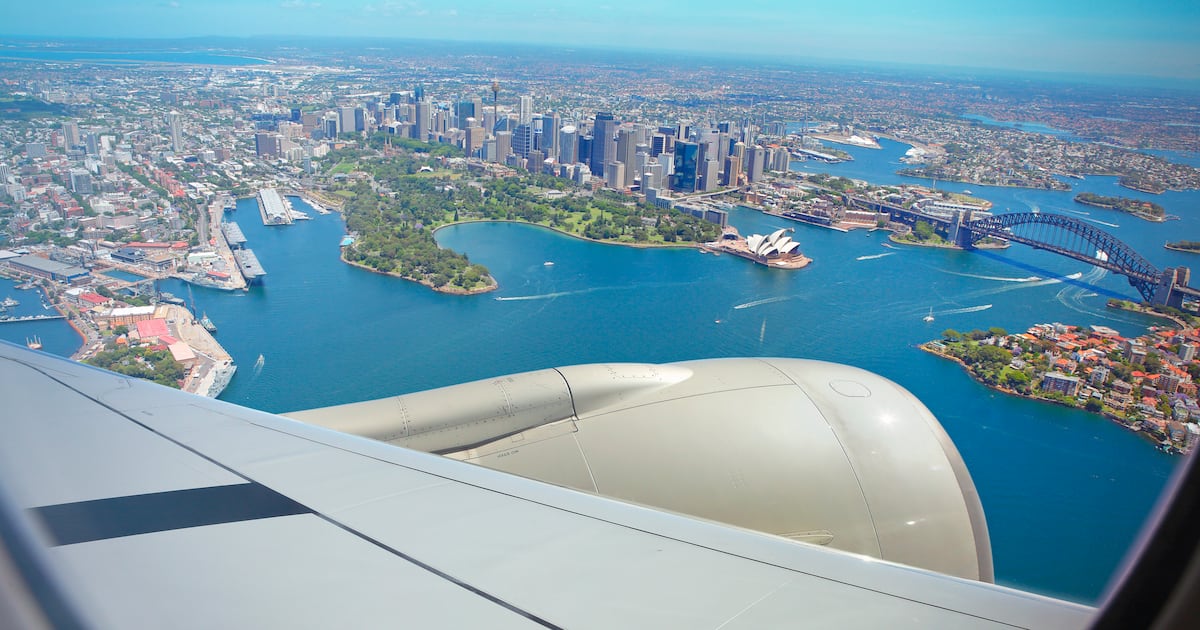
Resettling is a taboo subject for the returning emigrant. I came back from Australia to London less than three months ago. London isn’t Dublin, certainly. It’s not the same as moving home. It is closer to home than Australia, though. It’s a return to a city in which I spent six overwhelmingly busy years. Here, I got married, made friends, changed career and settled down, or so I thought. Then Australia suddenly beckoned. It was the sort of opportunity you get once if you’re very lucky. The chance to move fell into my life, unplanned and unbidden. When an unexpected route opens before you and you’re in a position to follow, it brings an impossibly exciting sense of adventure. If you can go, you go. I went.What followed was a transformative experience that lasted almost three years – a life so different it revealed another version of myself, or several. When I was a teenager in Limerick and the economy imploded in the early 2000s, young Irish people dreamed of leaving to live elsewhere, as they have before and since. A generation of youth that feels set up to thrive at home is an exception. “Wherever you go, there you are,” my grandmother would say, a little smugly about my friends who, desperate for a reliable job, left for London or the US or Australia, as though she’d seen the world and journeyed to the very precipice of self-discovery. Apart from a stint in London, I don’t think my grandmother had travelled farther than Galway. In a way, she was right. The raw materials you are equipped with when trying to manage change – to adapt to another culture, another climate and another way of life – are the very raw materials you brought with you from home. You have no others. Yet she was wrong too. To go as far from your place of origin as a person can, plant your feet on red alien soil and make a new life is to discover your own plasticity. It’s to run into the unknown and trust yourself to figure it out; to be shocked and unsettled by how many parts of yourself are not, as you once presumed, fixed, but a complex response to your environment, your community and the culture you find yourself in. It’s to go somewhere new and discover over time that you don’t necessarily know yourself as well as you thought. You have to remake yourself in order to become someone who can live this new life in this new place – circumstance simply demands that of you.In Limerick, where the sky is so often the thick, furred grey of a lumpy woollen jumper, I always found it hard to emerge from sleep in the mornings. My body would resist wakefulness, and getting up felt like something I had to work myself up to like diving off a dock into icy water, especially in the winter. In the Australian capital, the vast blue above opened and draped itself over the endless landscape each morning. The prehistoric symphony of utterly startling birdsong beckoned you out of your sleep and you would sit up in bed at six, ready to emerge into another yellow day. We are not fixed entities, but different in different contexts. Each context changes us further, giving us a broadened view of what sort of life might be possible for us – of our capacity to live different lives.Then there is the return. You go home, or at least back to wherever you used to live, and are confronted by the ghost of the self who left years before. Familiarity and habit can lull you into repeating patterns that no longer make sense, visiting places your body knows but doesn’t any longer feel at ease in. Eating foods it remembers but noting that they register differently, as though placed on a stranger’s tongue. What can follow is dissonance. This displacement of return is often left unexplored. It can look too much like regret or ingratitude to bear speaking aloud. The people who remained at home are cocooned inside the familiarity of routine, their sense of place unchallenged and their relationship to home more similar to that of everyone around them. You fear their judgment or their intolerance, because how could you feel unsettled and wrong in a place where you lived comfortably for years? How could you need to find new ways to think about and understand your own beloved home? How could an identity you passively wore for so long pinch like it shrank in the wash?Home is a place, certainly, but it’s also people. It can even be a particular time, or some mysterious confluence of all three – a complex feeling that lives in memory and is tied to a particular version of oneself. If you go back where you came from to find the people gone, the landscape changed or the former version of yourself unreachable, your return can feel like loss as well as gain. A grief for the version of you who left in the first place, and the long task of reintegrating without becoming unrecognisable to yourself.[ From ‘the wettest place on Earth’ to Limerick: ‘I had to learn to say sorry when I’m not sorry’Opens in new window ]Emigration changes you, as it must, but this isn’t good pub chat when you meet up with old friends and they ask how it’s going and you reply, time and again: “Grand, sure. You know.” It’s a confusion too tumultuous to communicate and, for many, too confronting to hear. The pint tastes different, the people look older, the weather feels foreign against your skin. Everything looks familiar but uncannily changed, and you stand amid all of it muttering: “Grand, sure. You know.” So you rebuild, just as you did before. The return is not a reinstatement but a remaking – a new life in a familiar place.
Emigration changes you. The pint tastes different, the people look older
How could an identity you passively wore for so long pinch like it shrank in the wash?
989 words~4 min read