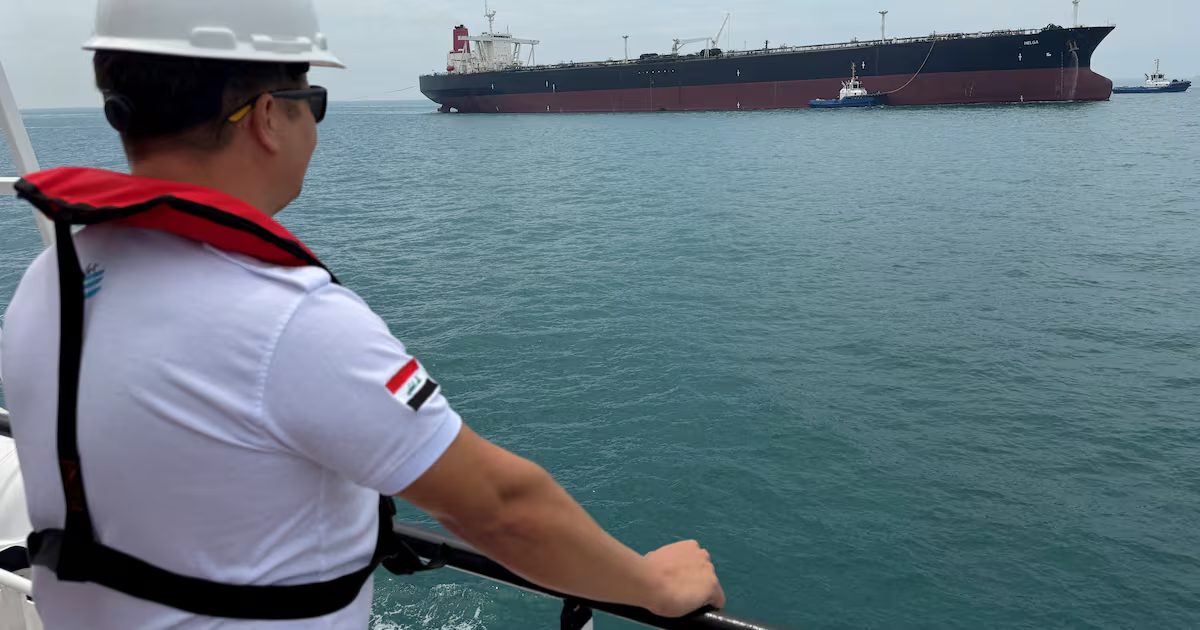
Nigeria cannot keep applauding its seafarers once a year and then abandoning them to harsh working realities at sea. The renewed call for better welfare is timely because, without sailors, there is no maritime trade, and without maritime trade, the wider economy suffers.
The demand for improved welfare is driven by a few hard facts. Maritime transport carries more than four-fifths of global trade by volume, yet the Nigerian sailor often works in conditions that fall short of global best practice. Their peers in better-organised maritime systems usually enjoy stronger safety nets, steadier career progression, better pay, and more effective labour protection. By contrast, Nigerian sailors must also contend with insecurity, piracy fears, weak shipboard welfare, delayed wages, limited training opportunities, and poor enforcement of standards.
Their daily work is demanding enough without the added burden of neglect. Many spend long periods away from home, work punishing schedules, and operate under pressure aboard vessels that may not meet the highest safety standards. Access to medical support is often inadequate, mental health care is weak, and dispute resolution can be slow or ineffective. Too often, the sailor is expected to keep commerce moving while his own welfare is treated as an afterthought.