Aimed at reducing dependence on nuclear power in the wake of the Great East Japan Earthquake of 2011, which has seen most of the country’s fleet shuttered ever since, the FiT was hugely successful in stimulating solar deployment.
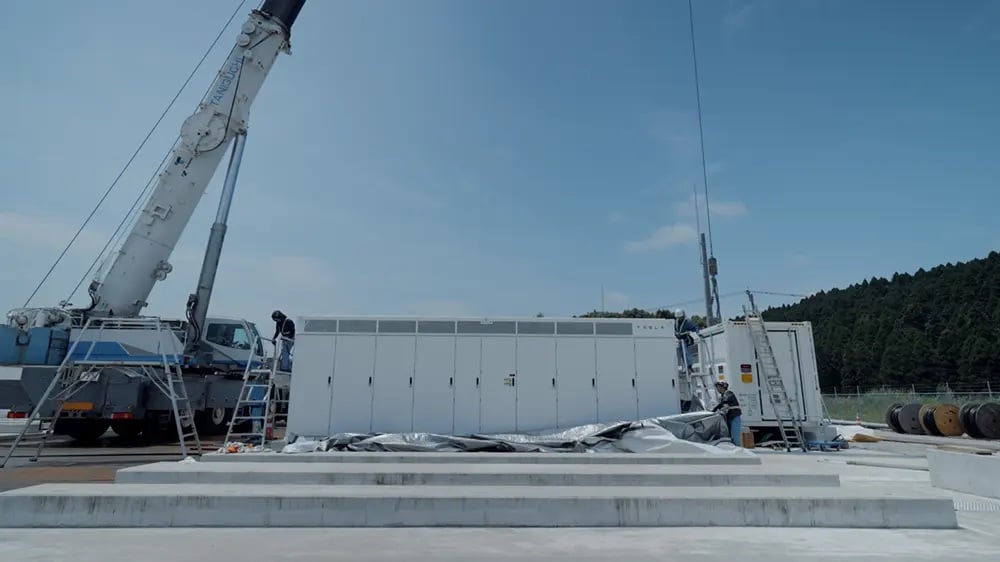
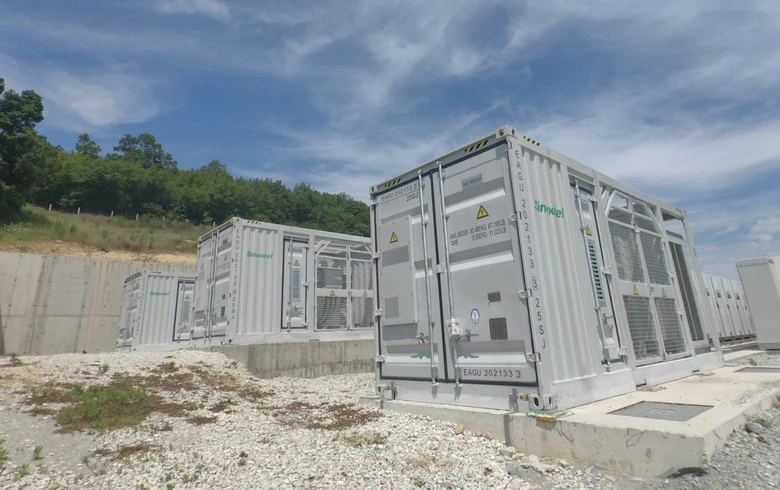
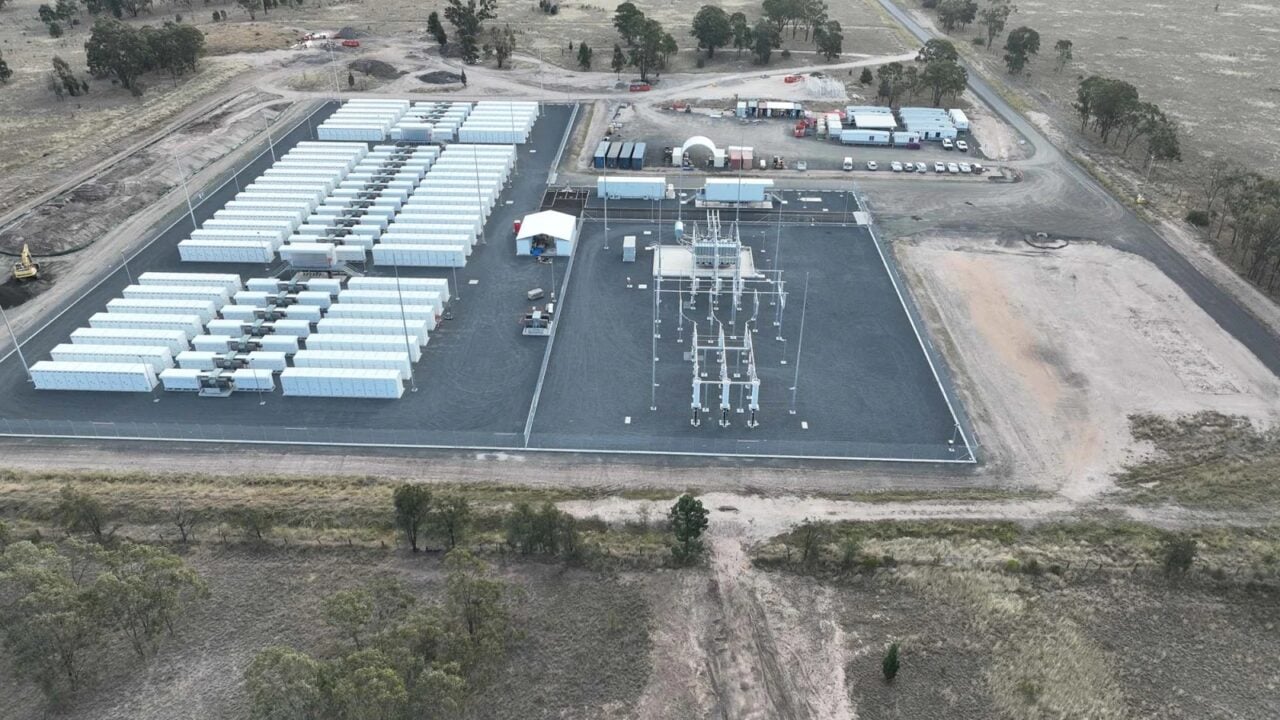
However, this has led to widespread curtailment of daytime solar generation. Battery energy storage system (BESS) assets, such as Iizuka Seta Energy Storage, are being promoted to establish so-called “output control” while also offering other services to help stabilise the grid.
Targeted for completion in the 2027 fiscal year (FY2027), the project is receiving Capex support through the government Ministry of Economy, Trade and Industry (METI) FY2024 Subsidy for the Expansion of Renewable Energy Introduction and Support for the Introduction of Power Storage Systems Such as Grid-Mounted Batteries.
The scheme offers up to around a third of Capex cost to developers (ESN Premium). It is one of three prominent support mechanisms for megawatt-scale BESS development in Japan, alongside a Tokyo Metropolitan Government subsidy that covers up to 50% Capex cost and the Long Term Decarbonisation Power Source Auction (LTDA) capacity market solicitations.
Japan is also seeing a significant number of merchant BESS projects that stack revenues from participation in balancing markets and the JPEX power exchange. Developers of these projects often forego the subsidy schemes, which come with stringent conditions that limit merchant revenue upside. However, those projects are typically smaller-scale utility BESS projects, almost all sized at a ‘sweet spot’ of 2MW/8MWh.