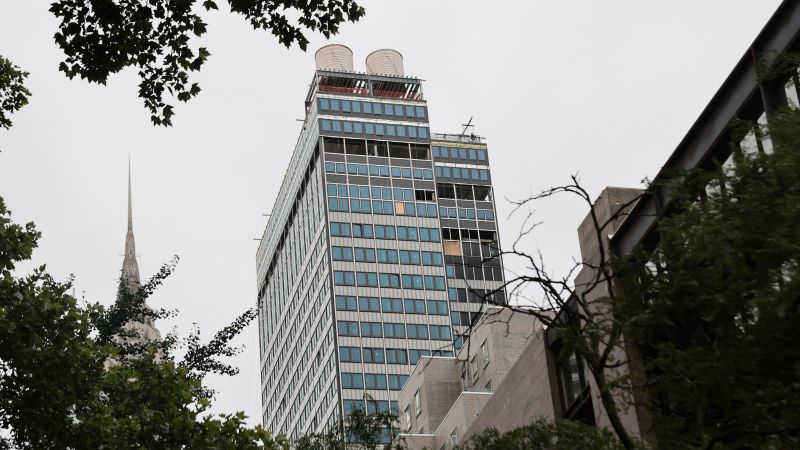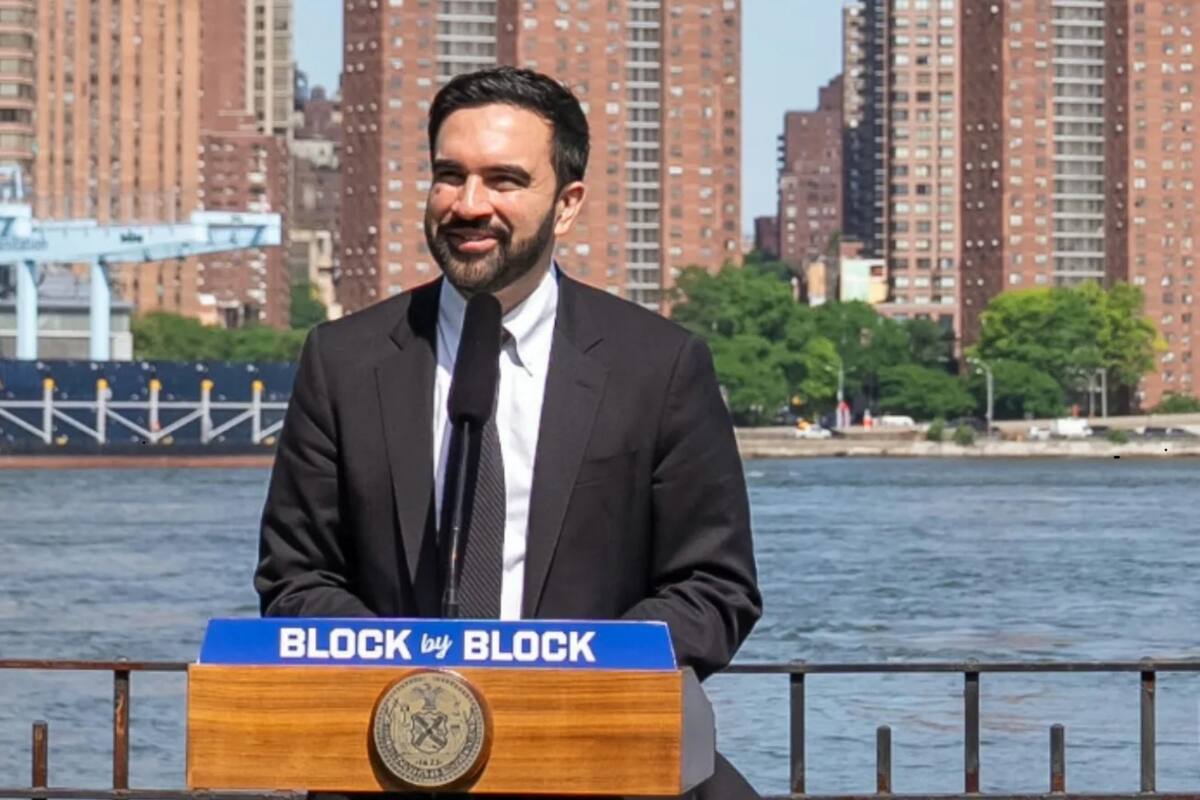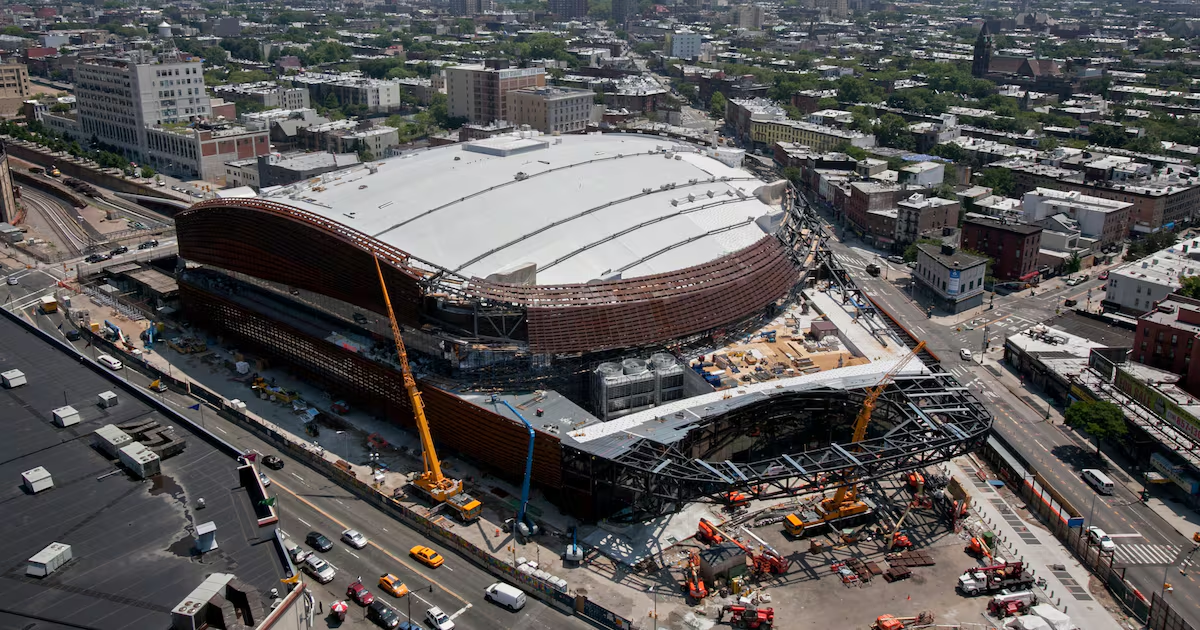
The Brooklyn development project known as Atlantic Yards was once held up as a potential catalyst of the borough’s revival, bringing housing, office buildings and a professional basketball arena to a relatively sleepy area near downtown.More than 20 years after it was announced, though, the project remains unfinished, a symbol of broken promises and the pitfalls of taxpayer-subsidised megaprojects.On Monday, New York state economic development officials unveiled a $5 billion (€4.4 billion) plan to finally complete Atlantic Yards. It includes six new high-rises reaching up to 800 feet, with 5,600 homes, including roughly 1,242 apartments that would be made affordable to low- and moderate-income households. It would also add about 5 1/2 acres of open space to the site.The pension funds of several unions, including those of local carpenters, bricklayers and communications workers, are providing much of the investment to fund the project. It could take another decade or more to build. And because several buildings will be built on top of rail lines, the project could require some $700 million (€612 million) in additional subsidies, state officials estimate, a sum that is sure to draw fresh scrutiny.But officials hope the plan will finally deliver on the promises made to the public long ago and derailed by lawsuits, financial troubles and a host of other problems.“Brooklyn has waited long enough, and today we are turning a corner from years of delay to new homes, jobs and open space,” governor Kathy Hochul said in a statement.The plans for the project’s completion were shared Monday at a meeting of the Atlantic Yards Community Development Corporation, a body that advises the state’s economic development arm on the project.It is not yet clear whether mayor Zohran Mamdani, who has called for more private development to increase the housing supply, supports the new plan, or how it will be received by local politicians. Previous iterations have been criticised as contributing to the area’s gentrification. Similar taxpayer-subsidised projects that involve construction over rail lines, like Sunnyside Yard in Queens, which Mamdani has pushed to advance, remain contentious.The 9 per cent VAT rate has been welcomed by restaurants but does the hospitality sector actually need it? Listen | 39:12Rob Lewandowski, a spokesperson for the Mason Tenders’ District Council of Greater New York, a union that represents about 17,000 workers, said the group was attracted to the project because it could provide housing and jobs for its members while delivering a lower-risk return to the pension fund.He said using pension funds to invest in development is “really something that we’re sort of awakening to”. He could not immediately provide a specific amount that the fund is eyeing for Atlantic Yards, noting that investments are often grouped together.“Our hope is that we can do more of it,” he said.[ An Irishwoman in New York: ‘You can be who you want here if you learn to climb the ladder’Opens in new window ]The announcement comes as New York City continues to grapple with a housing shortage that has sent costs soaring. Long seen as an affordable alternative to Manhattan, Brooklyn has experienced a sharp uptick in demand in recent years, pushing up housing costs and supporting an immense amount of development in neighbourhoods like Gowanus and Downtown Brooklyn.The median asking rent in May 2016 was around $2,645 in the borough, according to the rental platform StreetEasy. This May, it was $3,895, a nearly 50 per cent increase.A general view of a site included in the next proposed phase of the Atlantic Yards development in Brooklyn. Photograph: Madison Swart/The New York Times
New York unveils $5 billion plan to finish Brooklyn mega-development
More than 20 years after it was announced, though, the project remains unfinished, a symbol of broken promises and the pitfalls of taxpayer-subsidised megaprojects
1,300 words~6 min read