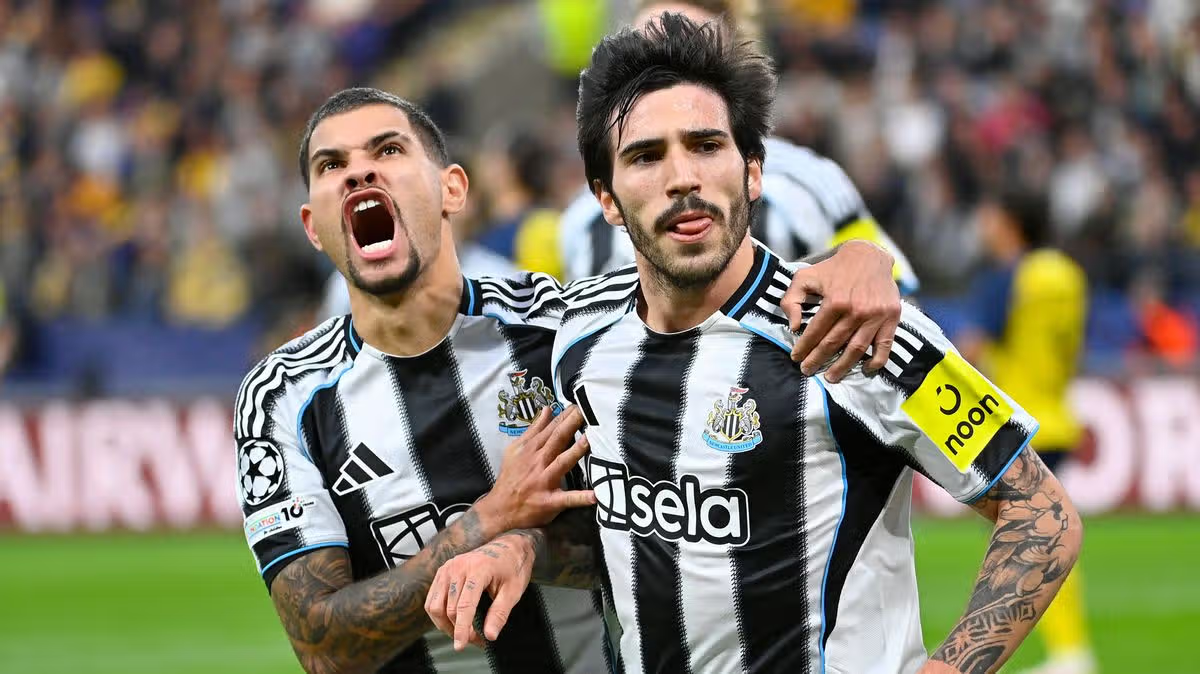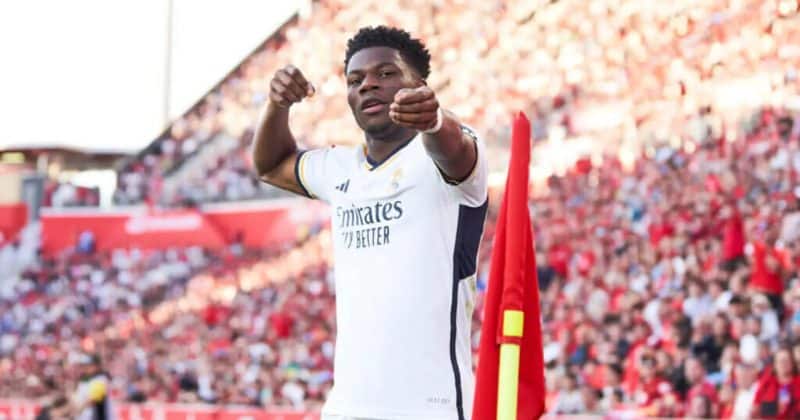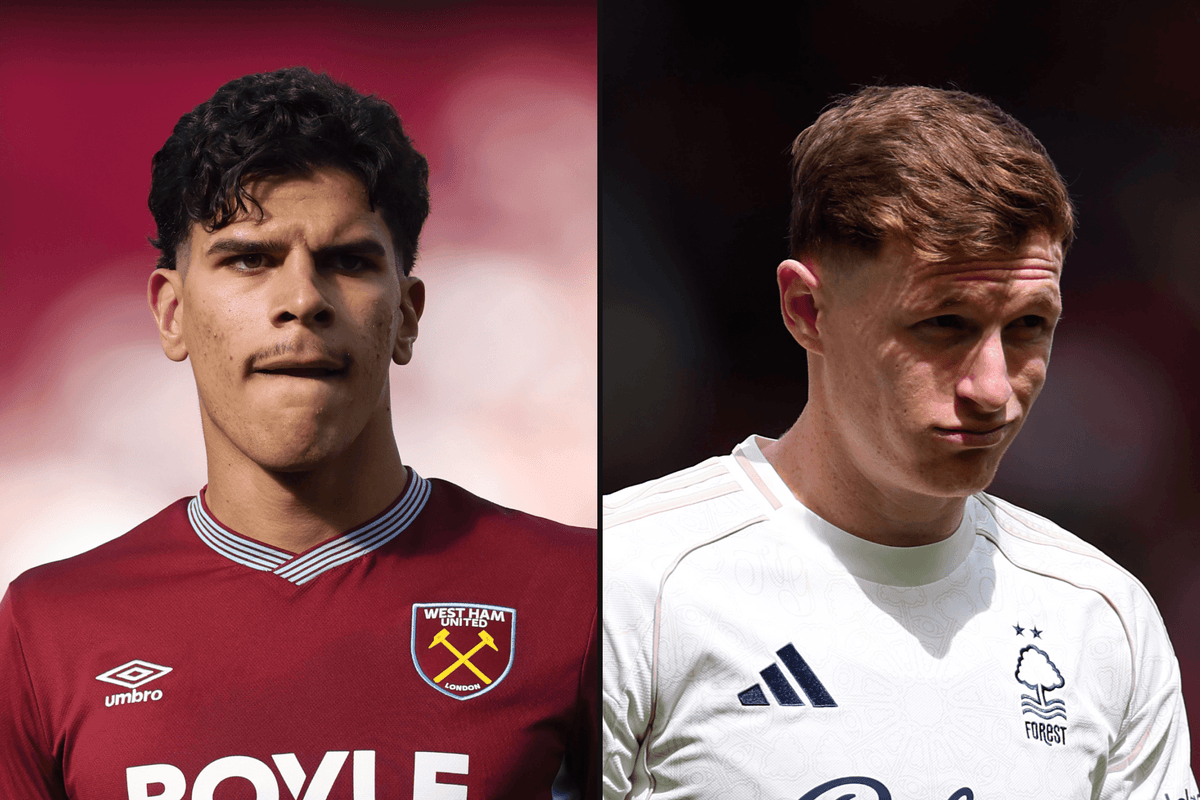
Southampton are set for a cash injection following Mateus Fernandes’ £85million ($113.5m) transfer from West Ham United to Tottenham Hotspur. If Monaco sell USMNT striker Folarin Balogun this summer, Premier League champions Arsenal will take a cut of the fee. Just last summer, Queens Park Rangers received £6.5m as a result of Eberechi Eze moving from Crystal Palace to Arsenal for an initial £60m.Yet despite training Elliot Anderson between the ages of eight and 21, Newcastle United will not see a penny of the £116million — a record price for a British footballer — that Manchester City have agreed to pay Nottingham Forest for the 23-year-old England midfielder.When Newcastle sold Anderson to Forest in June 2024, no sell-on clause was included in the language of the deal. At first glance, that feels an agonising oversight. But slotting this sort of provision into the terms of a transfer is not as simple as it looks.Elliot Anderson (left) playing for Newcastle Under-21s against Harrogate Town of League Two in the EFL Trophy in 2021 (George Wood/Getty Images)Sell-on clauses have become a lucrative way for clubs to retain a stake in the futures of their brightest prospects and ensure that, even if they can no longer call upon their services on the pitch, they can at least benefit financially from their continued development.These clauses mean that if Club A sells a player to Club B, who then later sells that player to Club C, Club A will receive some of the money Club C pay to Club B.“The key is precise drafting,” says one football agent who, like others consulted for this article, was speaking on the condition of anonymity. “Clauses are drafted into the transfer agreement and should clearly specify things like whether the clause applies to a future transfer fee or to the profit made on a future sale, how the amount is calculated, when payment is due, and the events that trigger payment — for example, whether loans with obligations to buy are included.“They should also stipulate any circumstances where the clause does not apply.”“Sell-on clauses are used when the club that wants to buy the player doesn’t want to invest the money that the selling club is asking for,” another agent explains. For instance, if a selling club sets an asking price of £10million, but potential buyers have a budget of only £5m, they might offer a £5m up-front payment with a 20 per cent sell-on clause. If the player is then sold later on for, say, £50m, the club with the sell-on clause would be paid another £10m, on top of the money received after the initial sale.“I normally use this if I’m moving a player to a smaller club with less finances,” this second agent continues. “Rather than pay an up-front fee, they accept that they will give up a percentage of the future transfer fee, which should be higher.”These arrangements have proven savvy on plenty of high-profile occasions.How do transfers actually happen?Adam LeventhalBirmingham City benefited from a sell-on clause when Jude Bellingham moved from Borussia Dortmund to Real Madrid in 2023. Long before Eze’s transfer to Arsenal, QPR had also taken a 25 per cent cut of Raheem Sterling’s £44m switch from Liverpool to Manchester City in 2015.Some of the best examples are the most obscure.Maximilian Kilman was sold by non-League Maidenhead United to Wolverhampton Wanderers in 2018 for £40,000, with a sell-on clause included in that deal. When the defender then moved to West Ham for £40m in 2024, Maidenhead’s chairman Peter Griffin told The Athletic that the money they would receive would change the trajectory of the club’s long-term plans.Jude Bellingham came through at Birmingham in the 2019-20 season before a big-money move to Dortmund (Nathan Stirk/Getty Images)Similarly, when goalkeeper Caoimhin Kelleher joined Brentford from Liverpool in 2025, his former club Ringmahon Rangers in the Republic of Ireland received the largest ever sell-on windfall for a team in that nation.But these clauses are not the preserve of teams below the top level.Should City sell Antoine Semenyo, they will owe Bournemouth 10 per cent of any profit on their £62.5million purchase in January this year. As mentioned above, Arsenal stand to gain if Monaco sell Balogun. Chelsea made around £17.5m from Newcastle’s purchase of Tino Livramento from Southampton, having inserted a hefty sell-on clause when he departed their youth academy in 2021.
Sell-on clauses in Premier League transfers: Gamble, easy win or a necessity?
Sell-on clauses have become commonplace, but they are not as simple as they look
1,206 words~5 min read