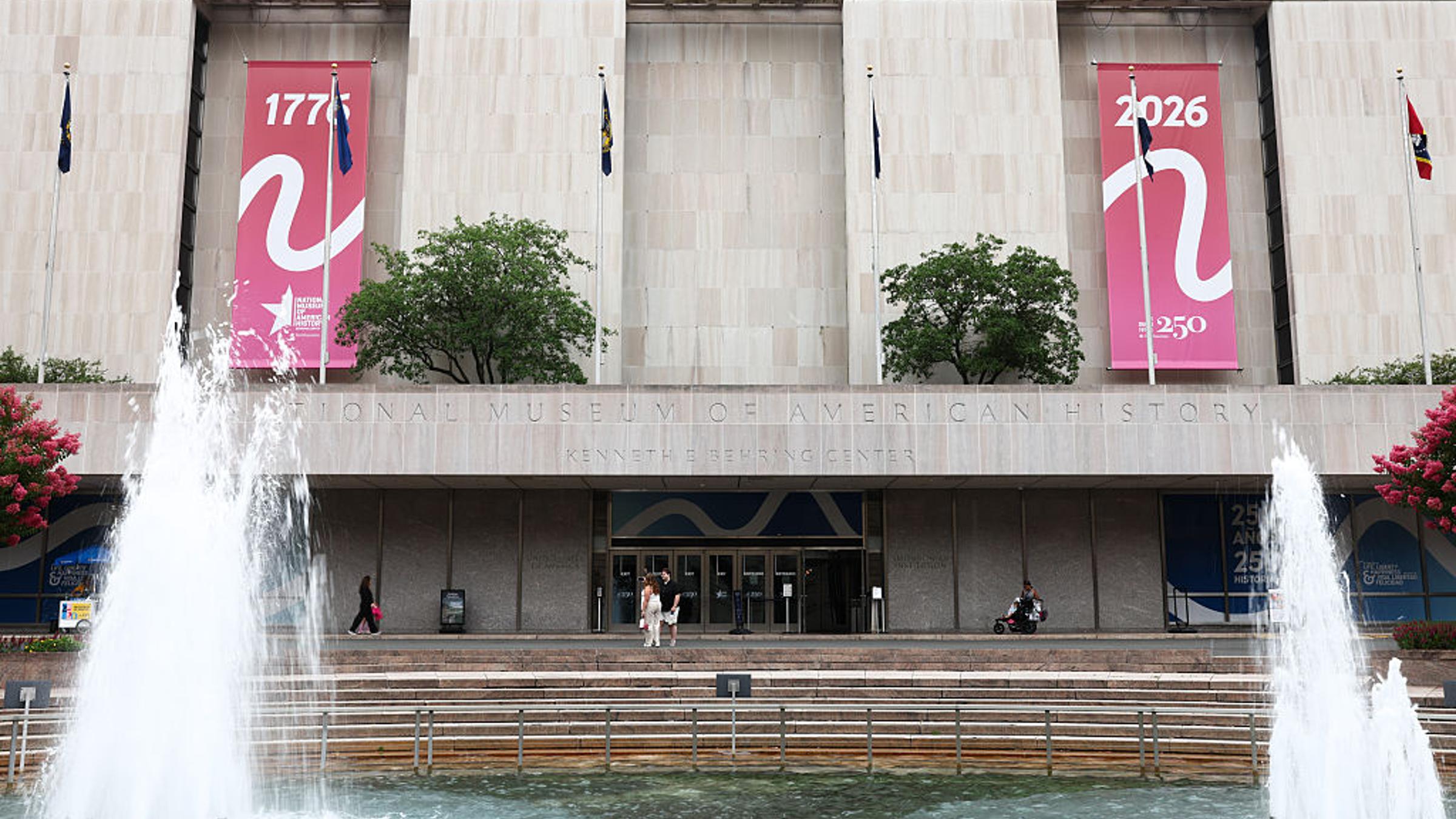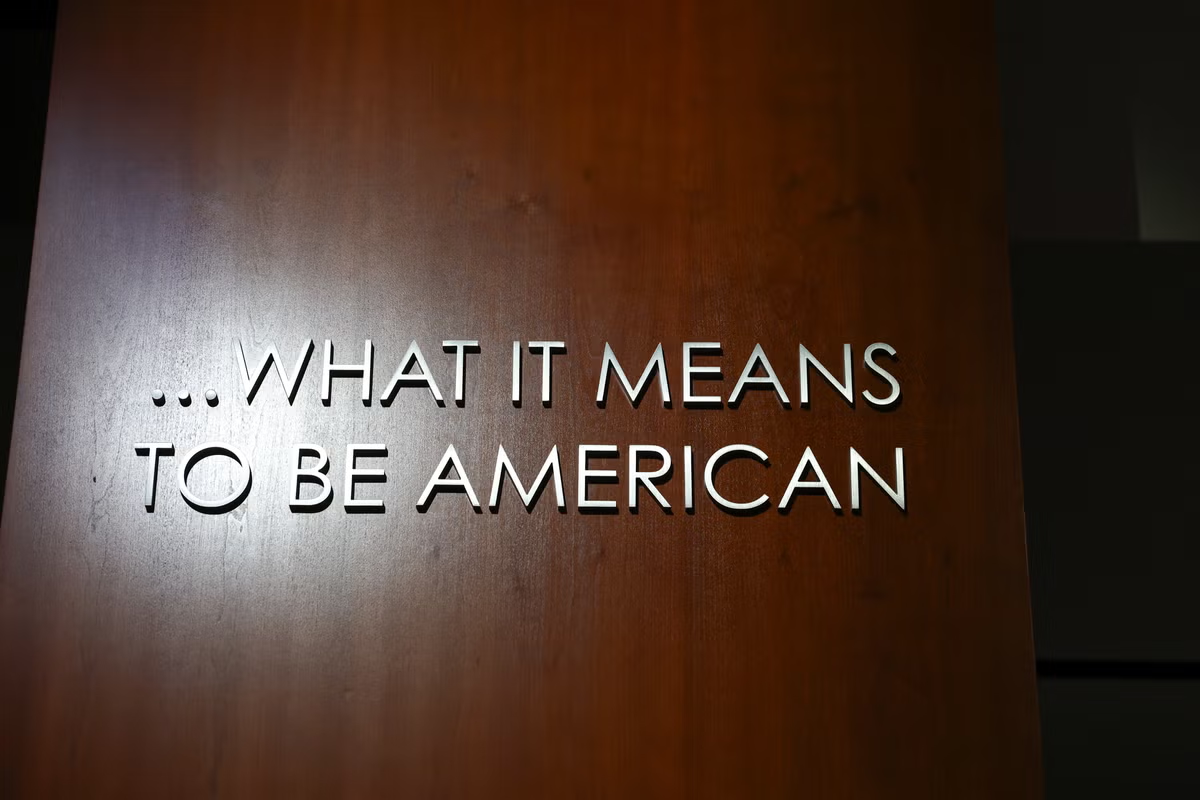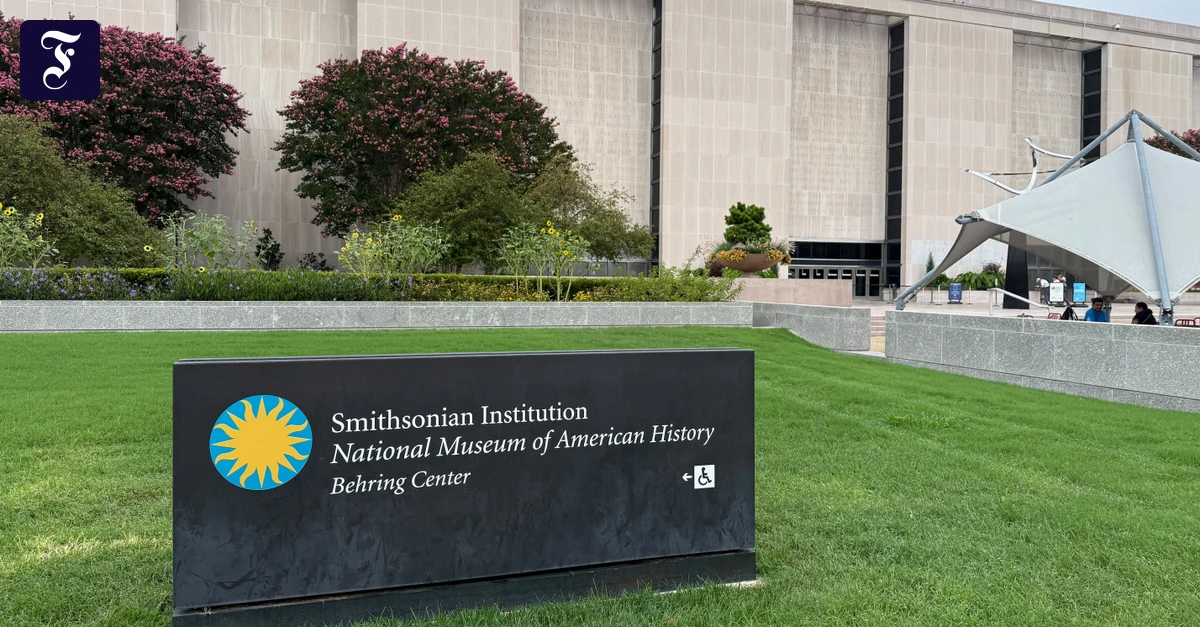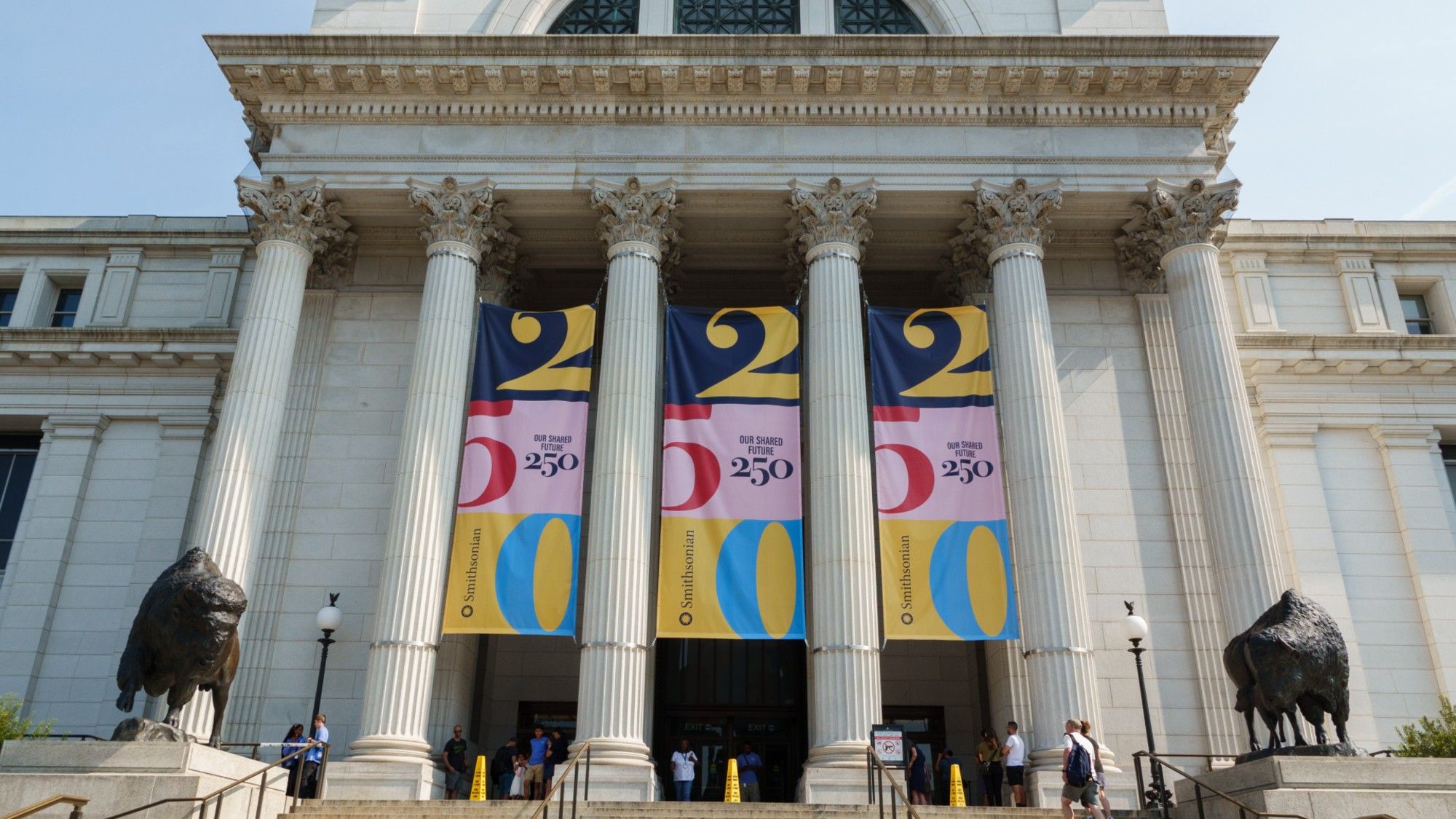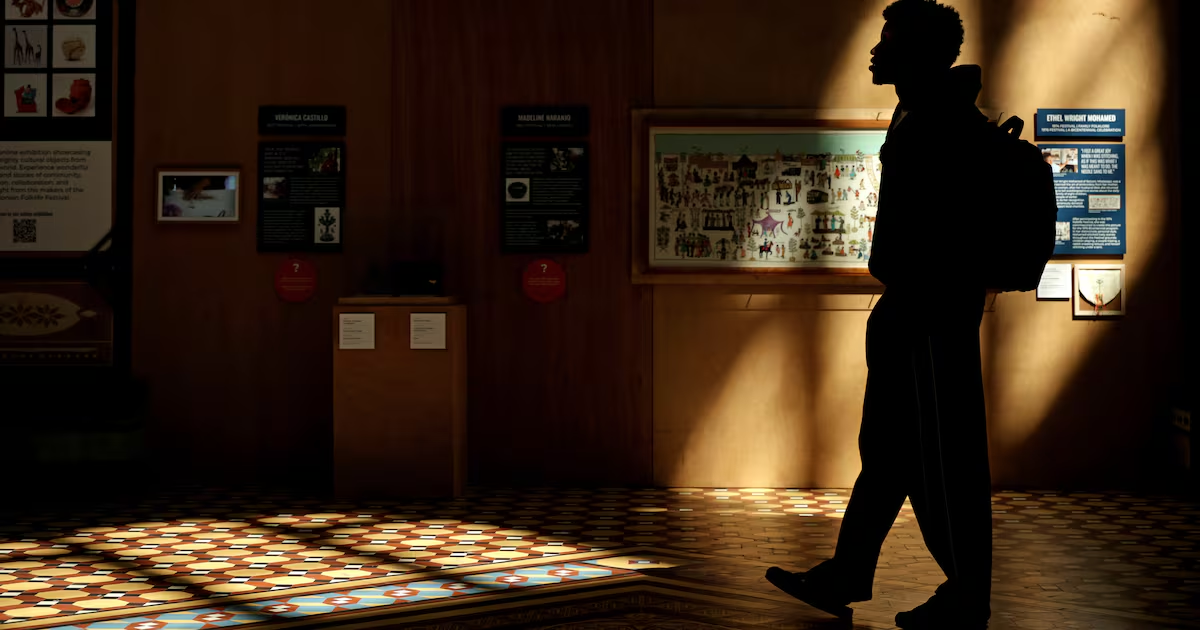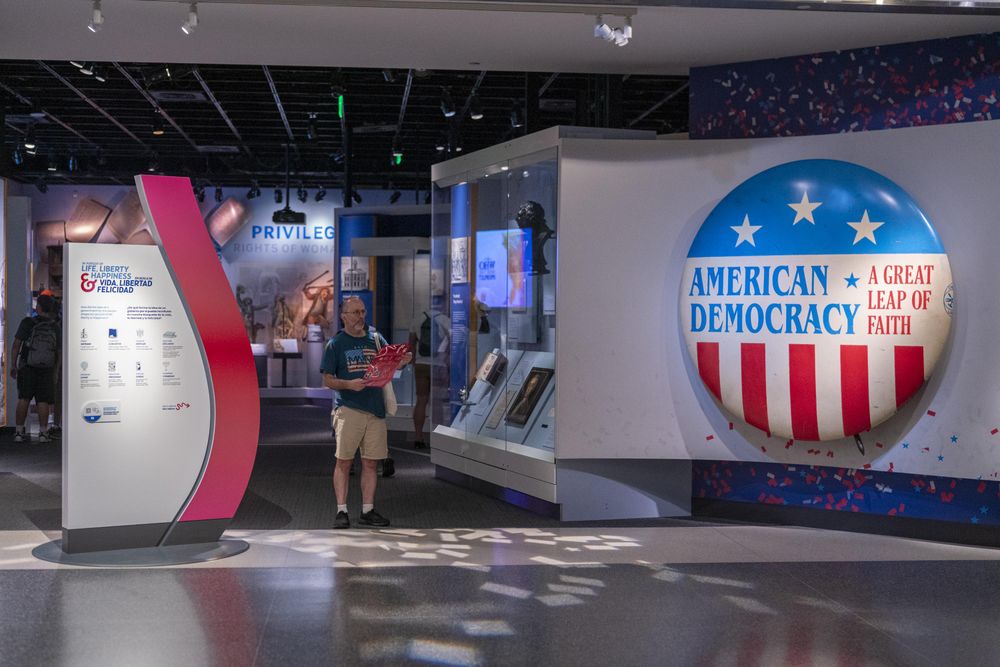
The museum's exhibitions have examined many sides of the American project.
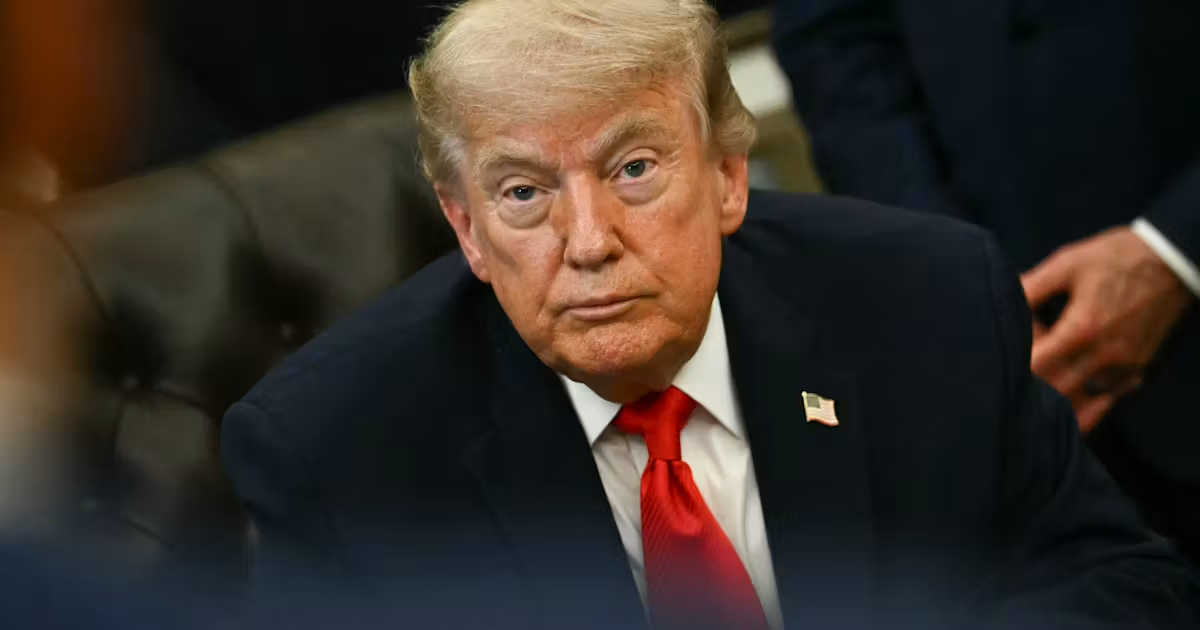
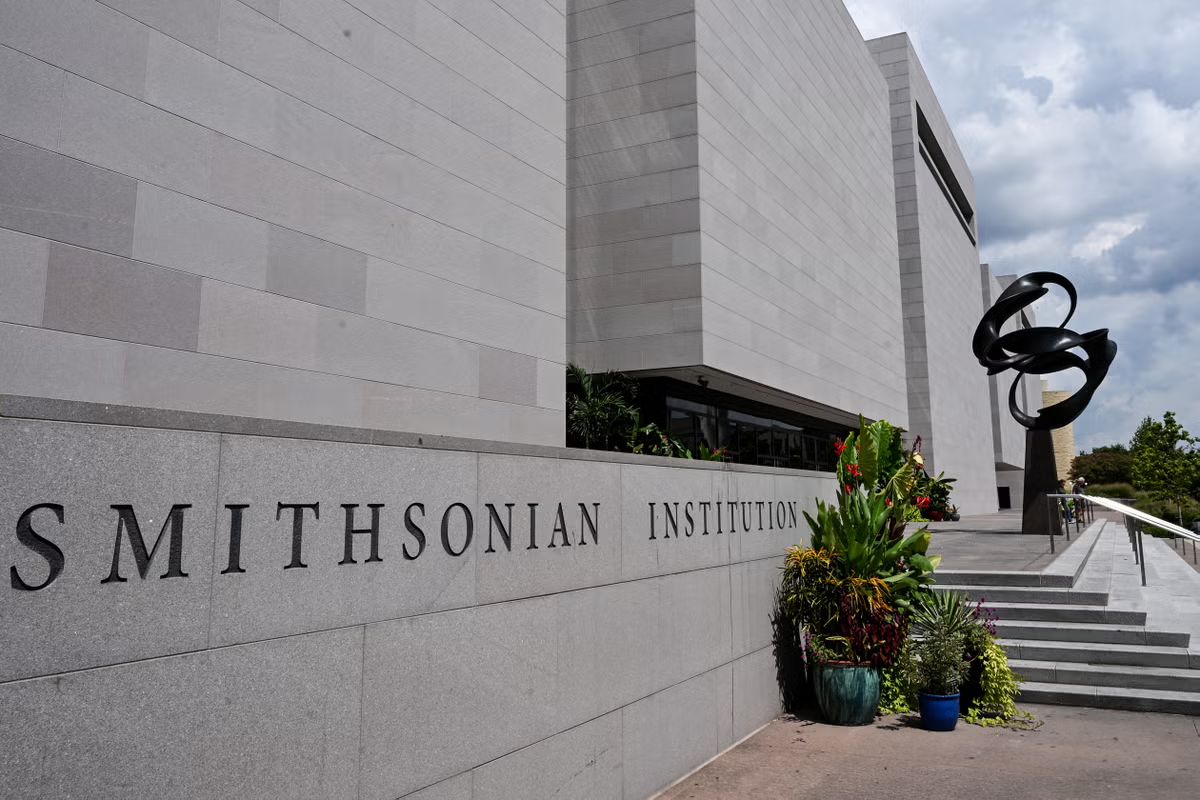
A year after President Donald Trump vowed to overhaul the narrative presented at the Smithsonian, the administration has delivered a sprawling, 160-page critique of its flagship museum.
Produced by the White House’s Domestic Policy Council and backed by over 500 footnotes, the report sets out to expose how "ideological capture" at the National Museum of American History (NMAH) actively "Erases Our Heritage." In execution, however, the document achieves precisely the opposite. It attempts to sanitize American history, scrubbing away any complexities that conflict with a feel-good fable of a nation whose flaws were merely incidental and safely confined to the past.
The report rarely engages with the claims it ridicules—such as well-documented facts about post-Civil War anti-Chinese sentiment—treating its own dismissals as self-evident proof of museum bias. When the authors get close to historical realities, they quickly retreat. For instance, museum director Anthea Hartig is attacked for noting that Black girls are suspended six times more often than white girls. The authors argue that this stems from trauma, socioeconomic status, and mental health rather than race, willfully ignoring how these factors intertwine with racial disparities.