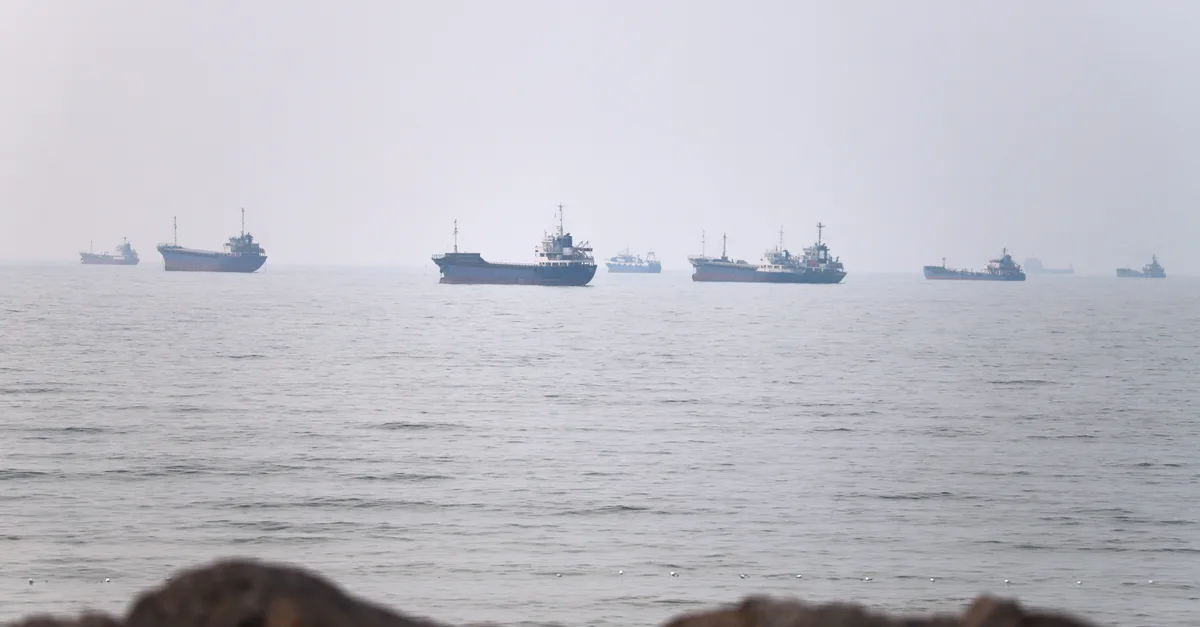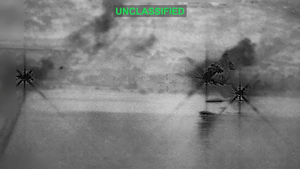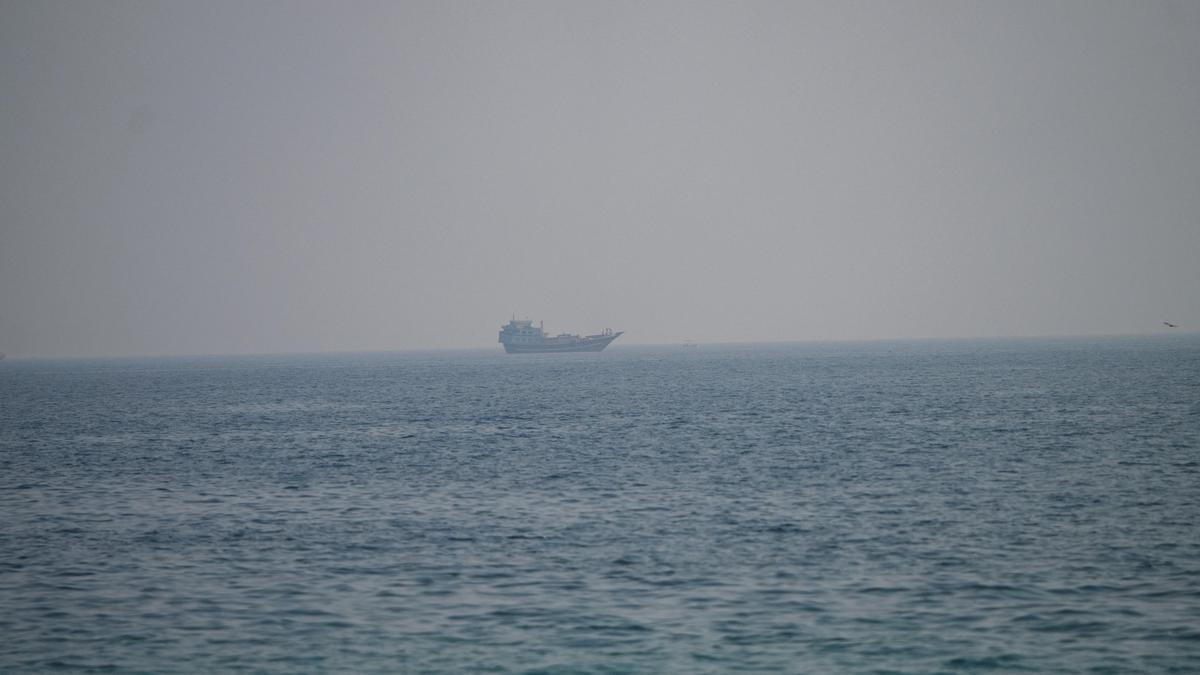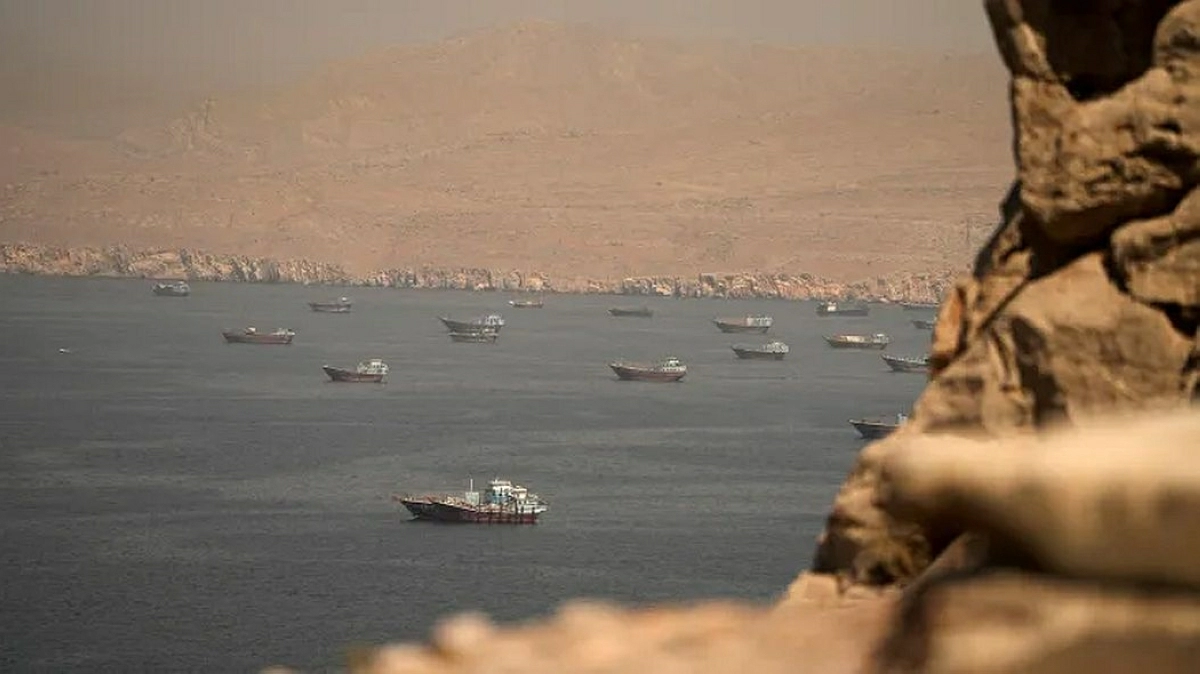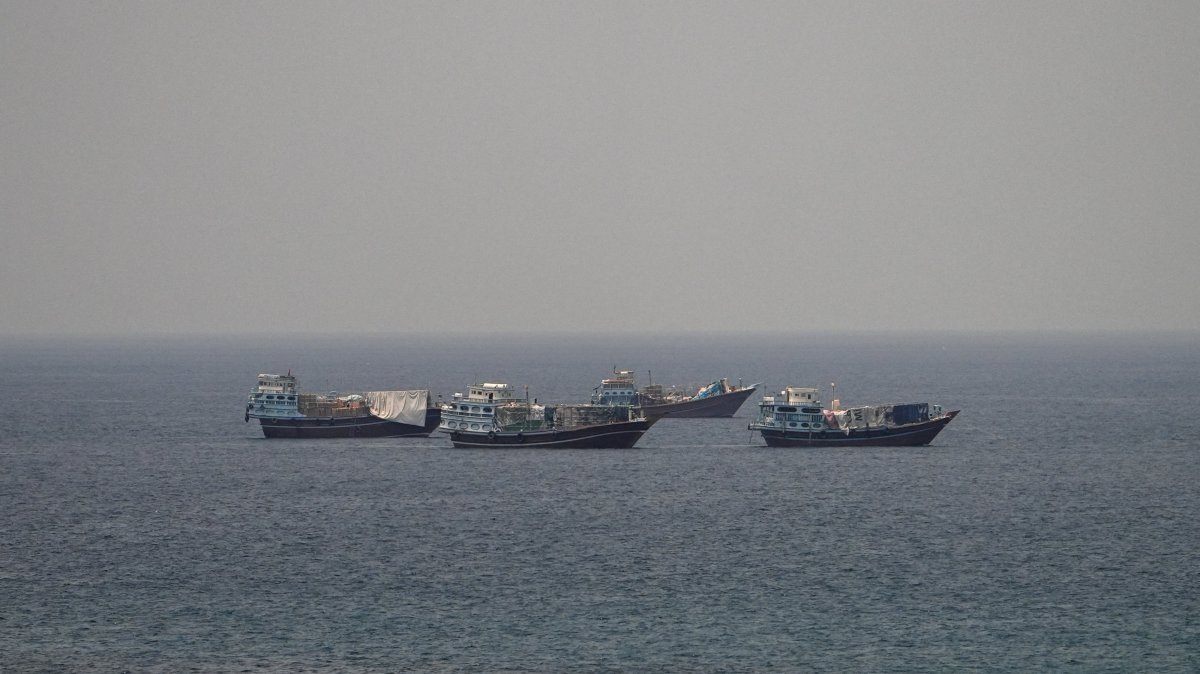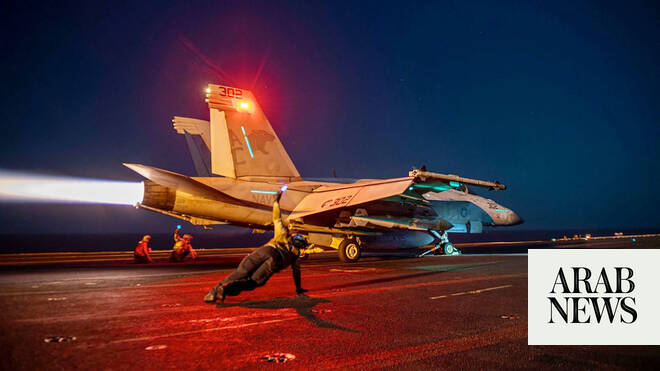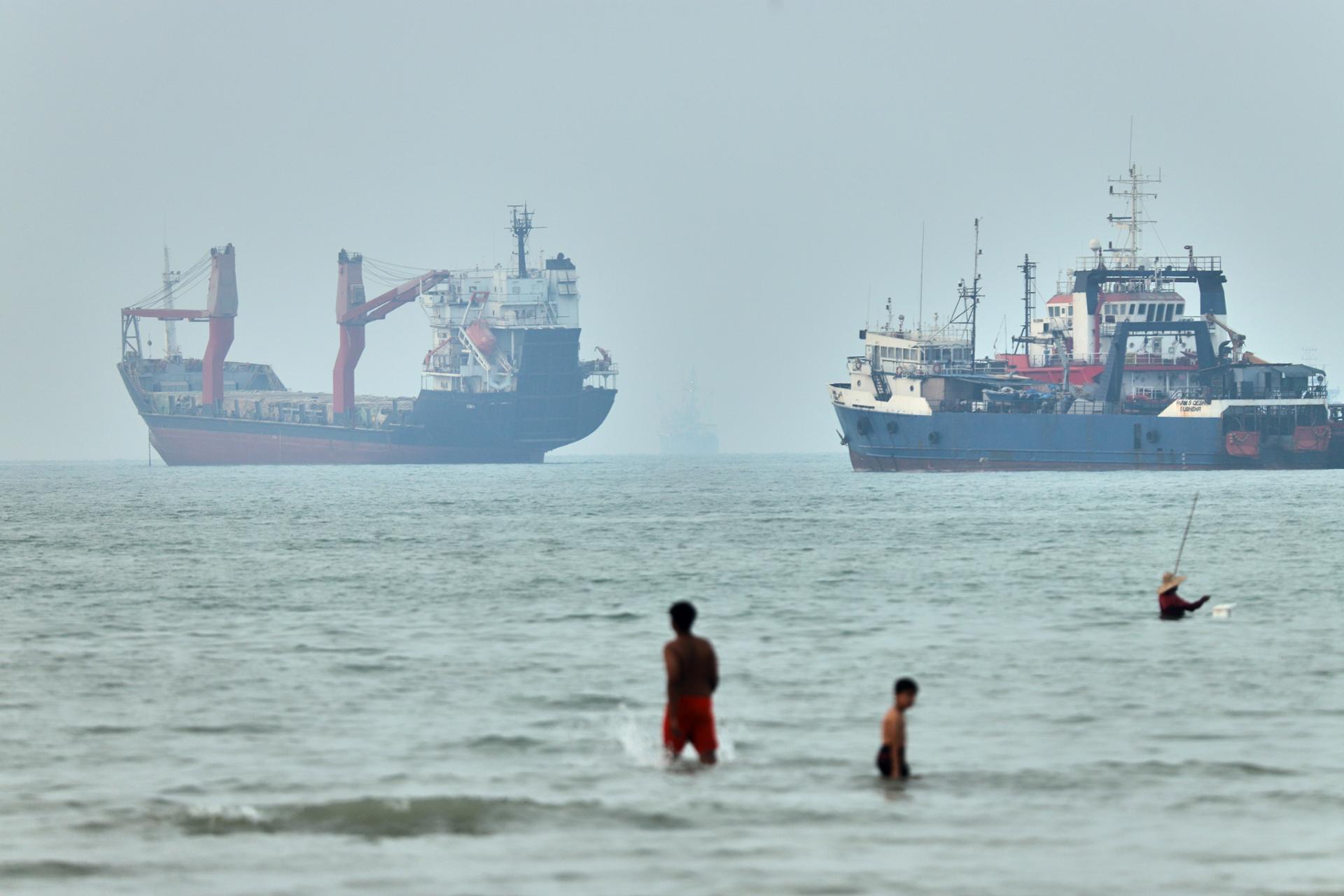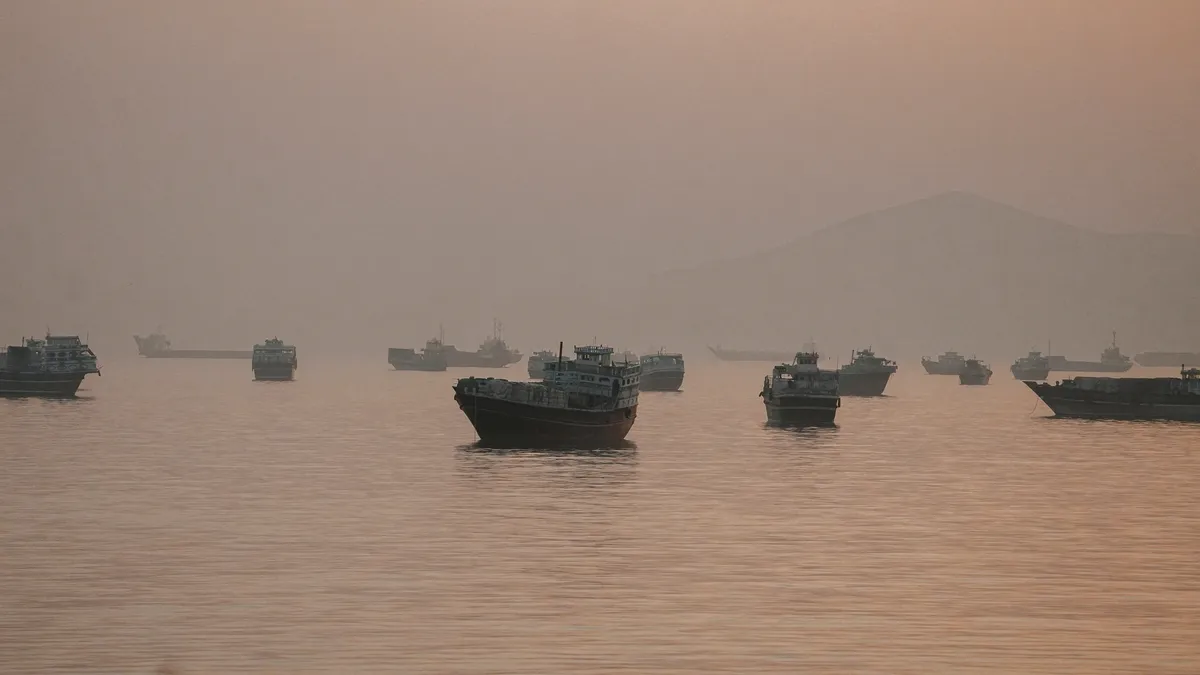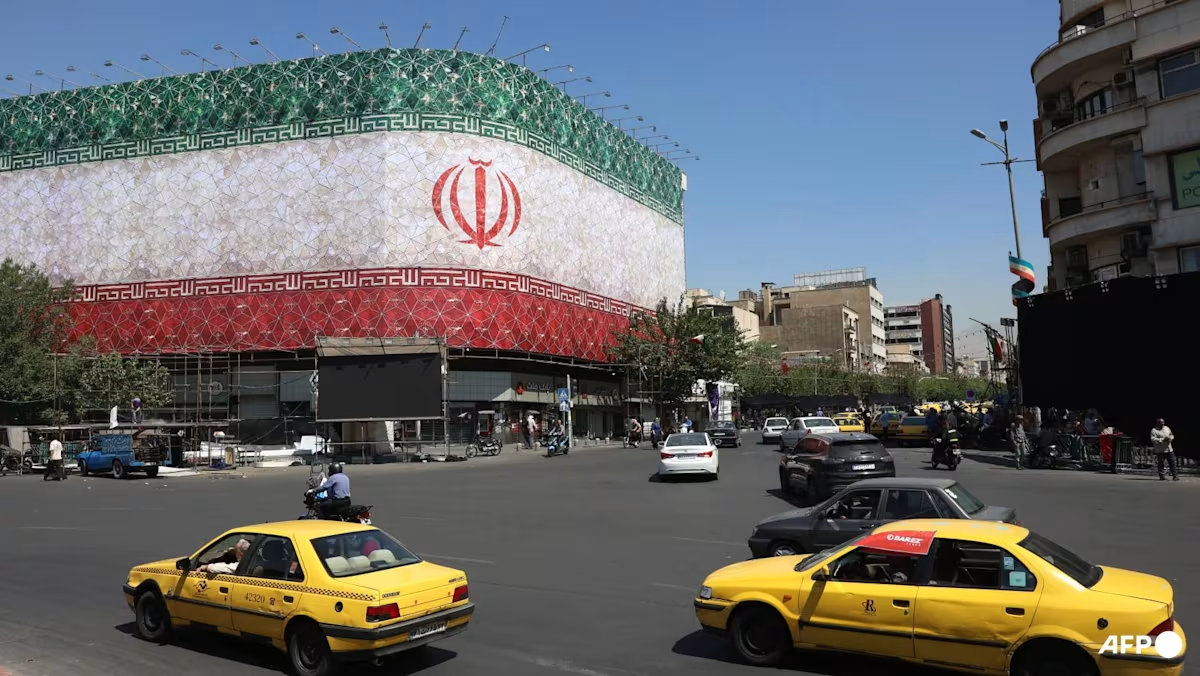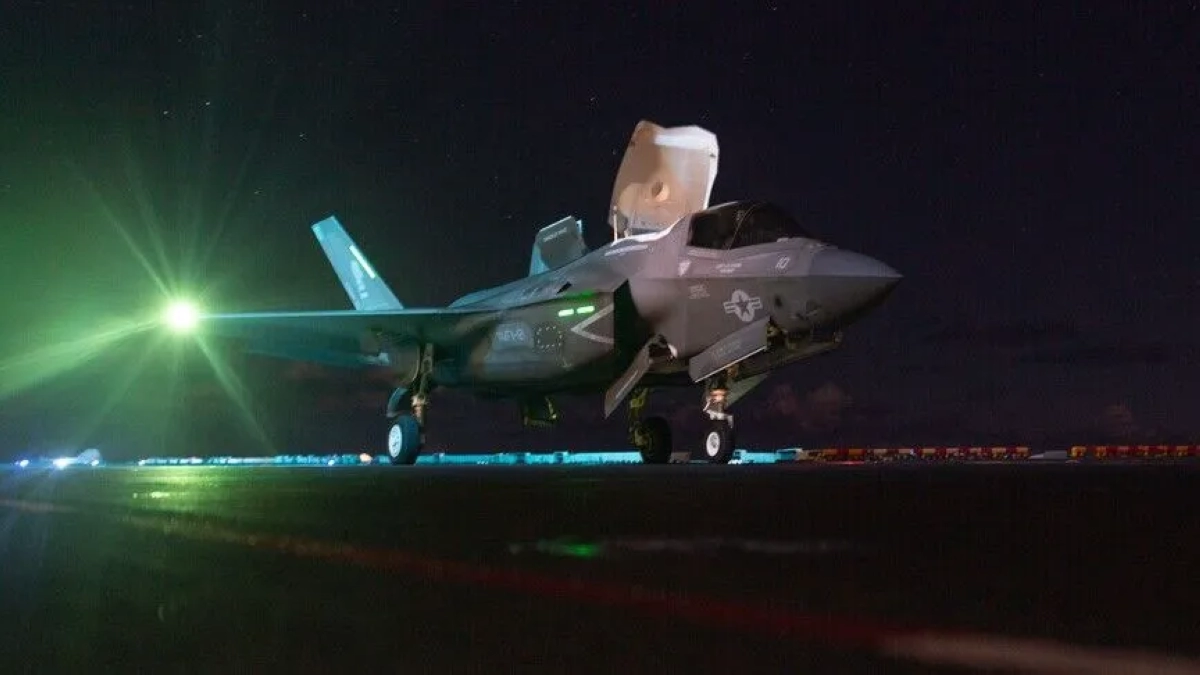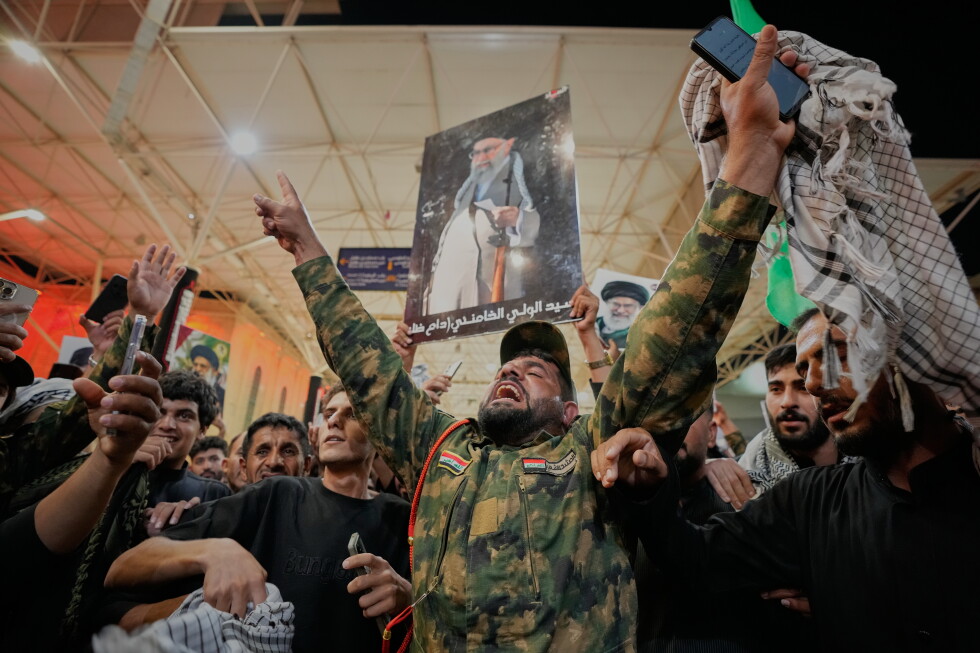
DUBAI, United Arab Emirates (AP) — The U.S. military attacked Iran early Wednesday after it said Tehran struck three ships in the Strait of Hormuz, part of an American effort that also revoked the Islamic Republic’s ability to openly sell crude oil in the world market. Iran apparently retaliated with strikes targeting Bahrain and Kuwait. Iran immediately warned Washington it would “take whatever measures it deems necessary,” raising the risks that an interim agreement to halt fighting in the war could break down, putting the Middle East again at risk of a wider conflict. Both Bahrain, home to the U.S. Navy’s 5th Fleet, and Kuwait, home to U.S. Army forces, sounded missile alerts Wednesday morning after the American attack on Iran. The attacks on shipping and the resulting strikes on Iran came during the dayslong funeral for Iran’s Supreme Leader Ayatollah Ali Khamenei, who was killed Feb. 28 in the war’s first moments at age 86. The funeral, which ends Thursday, had been thought to be a period of lower tensions — though mourners have repeatedly called for the killings of U.S. President Donald Trump and Israeli Prime Minister Benjamin Netanyahu.
Negotiations to reach a final deal had been due to start after Khamenei’s burial and focus on the toughest matters, including fully reopening the strait and rolling back Tehran’s disputed nuclear program. But the new attacks threw that into question.“The era of bullying and extortion is over,” Iran’s Parliament Speaker Mohammad Bagher Qalibaf wrote on X. “It leads nowhere. We don’t fold.”