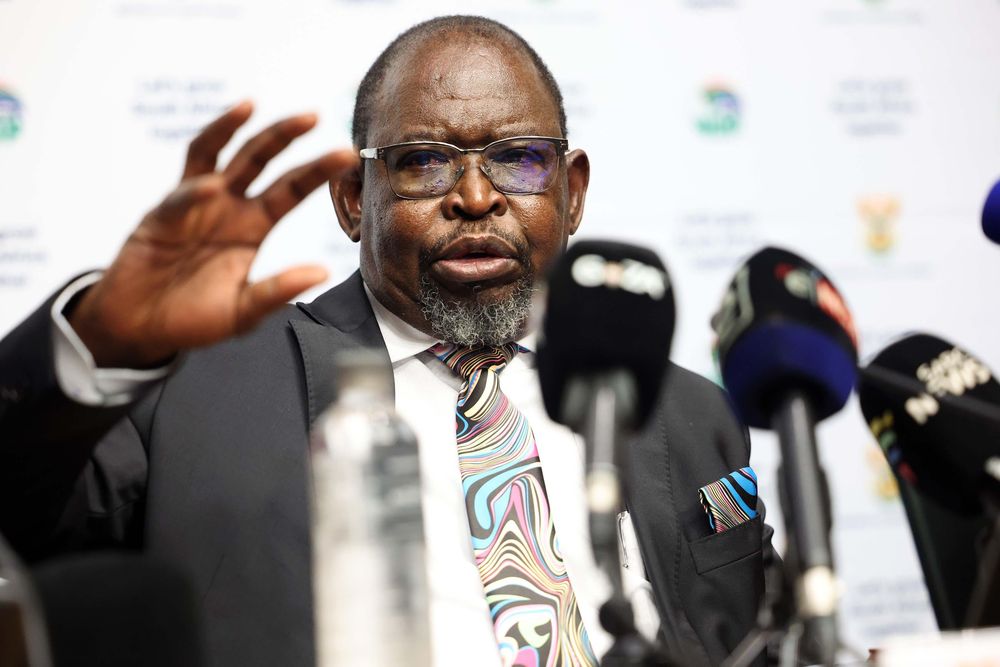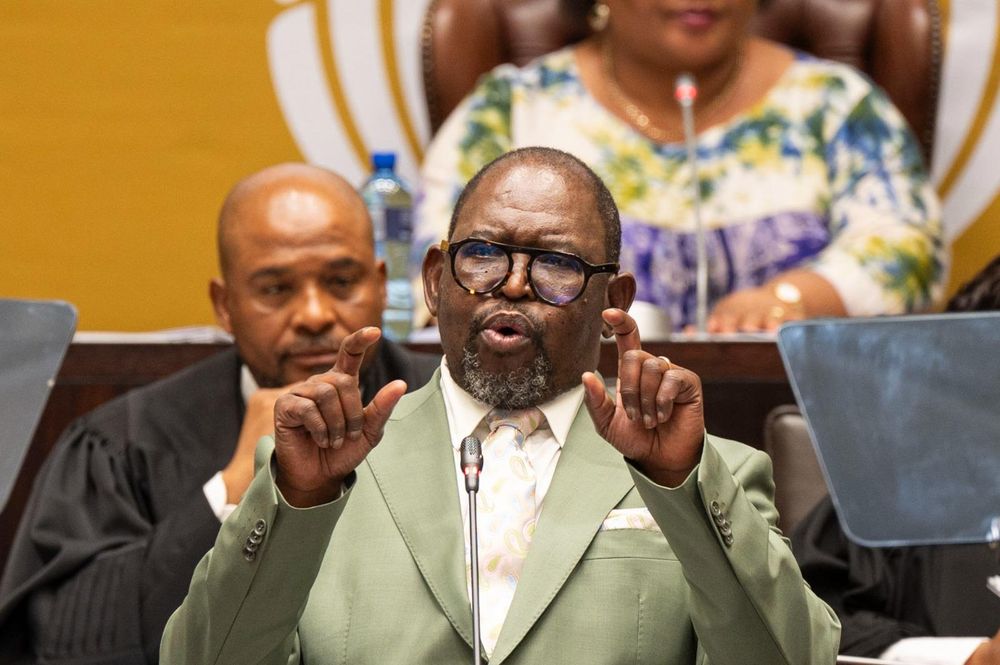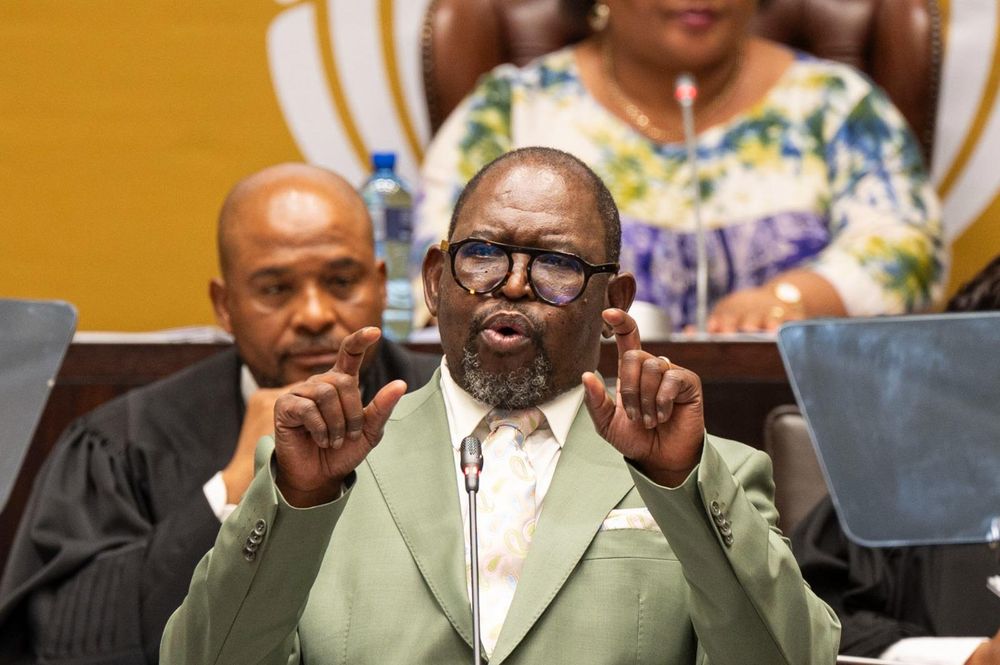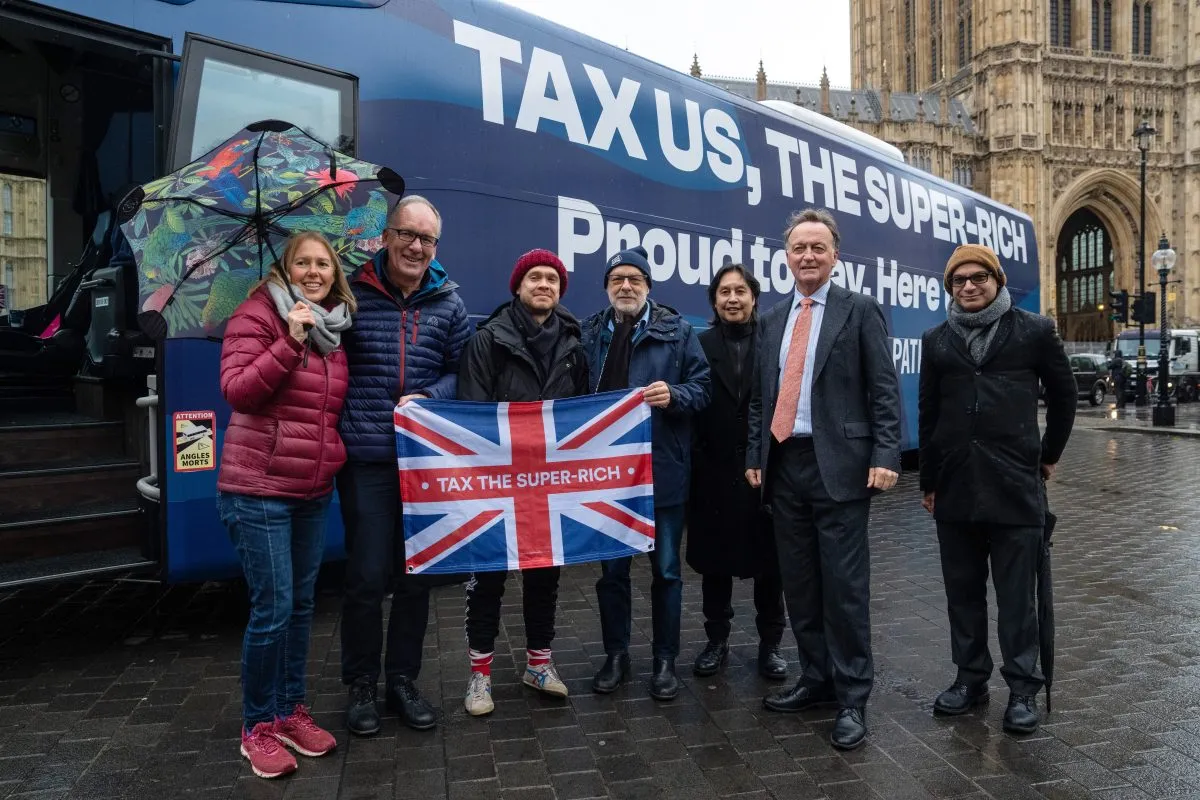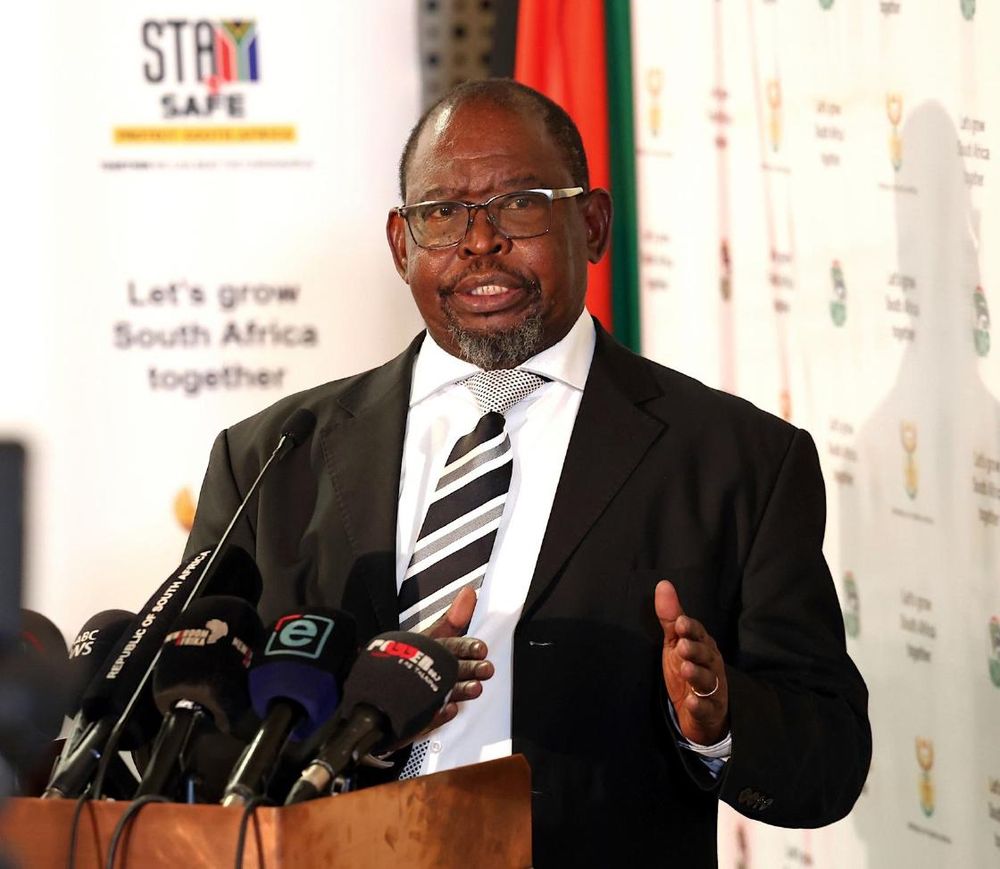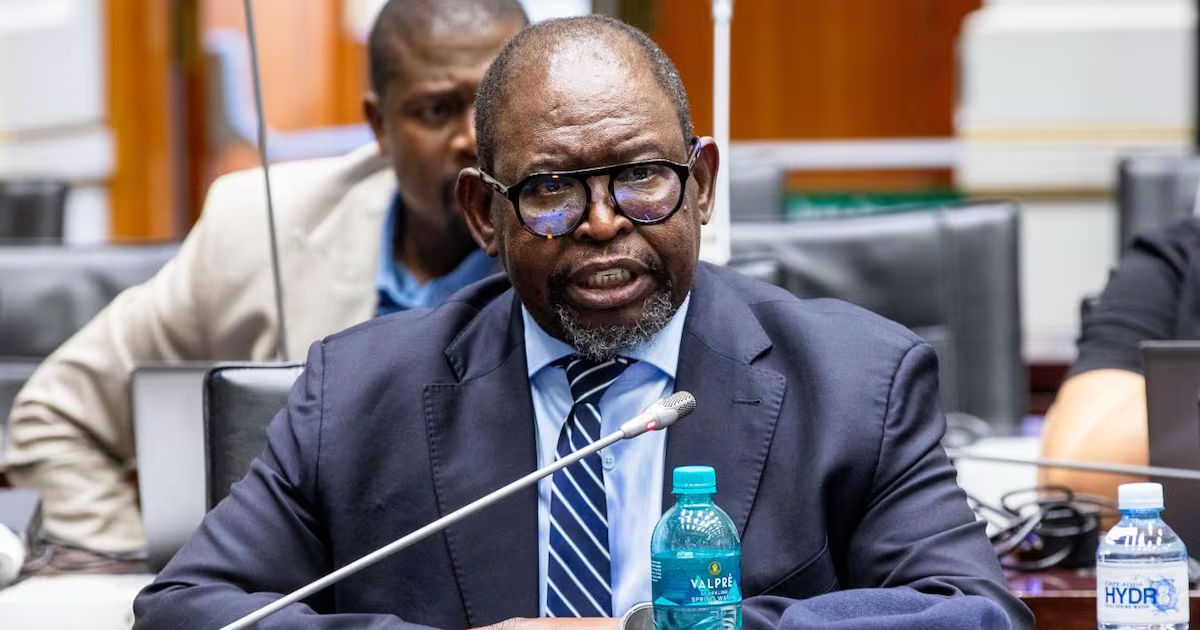
Inequality in South Africa is extreme and has many dire consequences, driving instability, poor productivity and damage to the fiscus. So, I can understand why a wealth tax sounds like a good idea. On the surface it straightforwardly tackles the problem, reallocating from the wealthiest to enable greater state resources. Finance minister Enoch Godongwana, however, poured cold water on the idea last week in parliament, saying that a wealth tax wasn’t optimal for the country.He is right; wealth taxes are fiendishly difficult to implement. While inequality has been rising in most countries, several have abandoned wealth taxes as counterproductive. The main problem is wealth is hard to measure. Bank accounts and share prices are straightforward, but most wealth is in illiquid assets such as unlisted companies, properties, and intellectual property. A wealth tax presupposes that it is possible to undertake an annual valuation of such things, but it creates an enormous compliance cost and a thriving industry for those who can engineer illiquid or opaque holdings that are hard to value. It also tends to tax the wrong things: assets, rather than the money they generate. The yield on an asset follows the business cycle, but the value (in theory) looks through it, so in some years the taxes on an asset will be higher than the cash it generates. That can force liquidation of assets just to pay taxes, which can be economically destructive. Farmers must sell just because they had a drought one year that left them without cash to pay the tax; company owners must sell because profits fell short during a recession.In rejecting the idea, Godongwana also pointed to South Africa’s thin tax base. Just 13% of taxpayers pay 60% of personal income tax. There are about 2,850 people with wealth above R50m, holding about R400bn. They pay R7bn in personal income tax each year. The risk of flight is often bandied around, but in a context where the biggest constraint on the South African Revenue Service’s income tax collections has been emigration, one cannot be glib about a highly mobile group of major taxpayers and the risk that they leave the country. That is clearly what happens elsewhere. France repealed its ISF (Impôt de Solidarité sur la Fortune) wealth tax in 2017, partly because it was blamed for significant emigration of wealthy people from the country. After the UK abolished income tax protection for offshore earnings of nondomiciled taxpayers in 2025, immigration consultants estimate 10,000-15,000 millionaires left the country. The impact of the change turns fiscally negative at 12,000-15,000, economists have estimated. So, it may well be that change has been net negative for UK tax collection. A wealth tax in South Africa faces even greater risk of a net negative fiscal impact given how much narrower the tax base is.The National Treasury has already taken the view that higher income tax rates would lead to lower net collection. That point is known as the top of the Laffer curve: the point at which higher taxes reduce total fiscal take because of the behavioural impact of the tax. In other words, the rich either leave, figure out complex ways to avoid paying, or choose to earn less, so the resulting tax take is lower than before the increase. That is why, when it was grappling with a difficult fiscal outlook last year, the Treasury came to the view that VAT increases were the most feasible option. Feasible in terms of revenue it would raise, but not feasible, it came to discover, in political terms. Godongwana also cited the existing wealth taxes: capital gains tax, estate duty, property rates and taxes, transfer duties, donations tax and so on. These all fall on the wealthiest. There could always be better enforcement, but the finance minister did point out that they collect about 1.15% of GDP, far higher than the Organisation for Economic Co-operation and Development (OECD) average of 0.5%. Ultimately, wealth taxes are not a solution for SA.• This is my final column in Business Day after starting in 2010. Over the 16 years I have had the luxury of writing widely on the financial prospects of South Africa and the people in it. The first half of that period coincided with the Jacob Zuma presidency, and that fundamentally changed the news agenda. We used to assume a relatively stable political environment as a background fact, but Zuma’s presidency became the most material factor in the economic outlook for the country. It was, of course, ruinous, and the eight years since have been about the effort to restore our fortunes, an effort that is now finally showing signs of success, of which the clearest evidence is ratings upgrades. It has been more difficult and slower than anyone expected, and there is still much more to do. The Madlanga commission is the latest source of evidence of just how rotten some of our core institutions became. The performance of local government is a systemic risk to the country and a very difficult challenge to fix. There are smart people focused on fixing these problems. I hope some of my commentary has played a small part in enabling them.As someone who is often more than a commentator, with a direct hand in the efforts to fix some of our institutional decay, I hope I’ve been able to share with readers insights that enable them to make better decisions for their own lives. That, ultimately, is what the media should be delivering. I look forward to engaging further with you in other forums.• Dr Theobald is founder and chair of research-led consultancy Krutham.Business Day
STUART THEOBALD | Why Enoch Godongwana is right to reject a wealth tax
South Africa’s tax base is too narrow to support further levies on the rich
934 words~4 min read