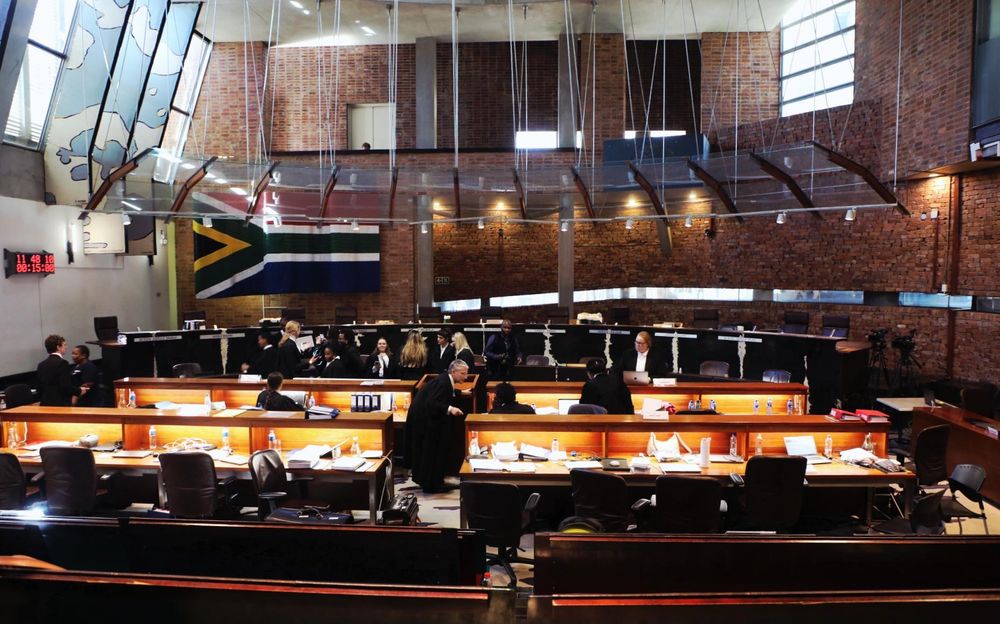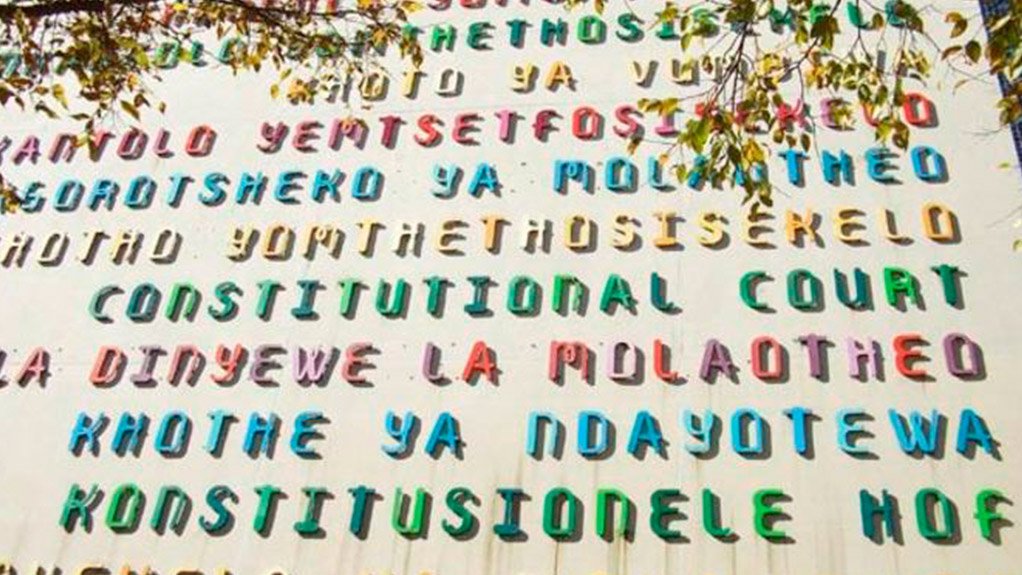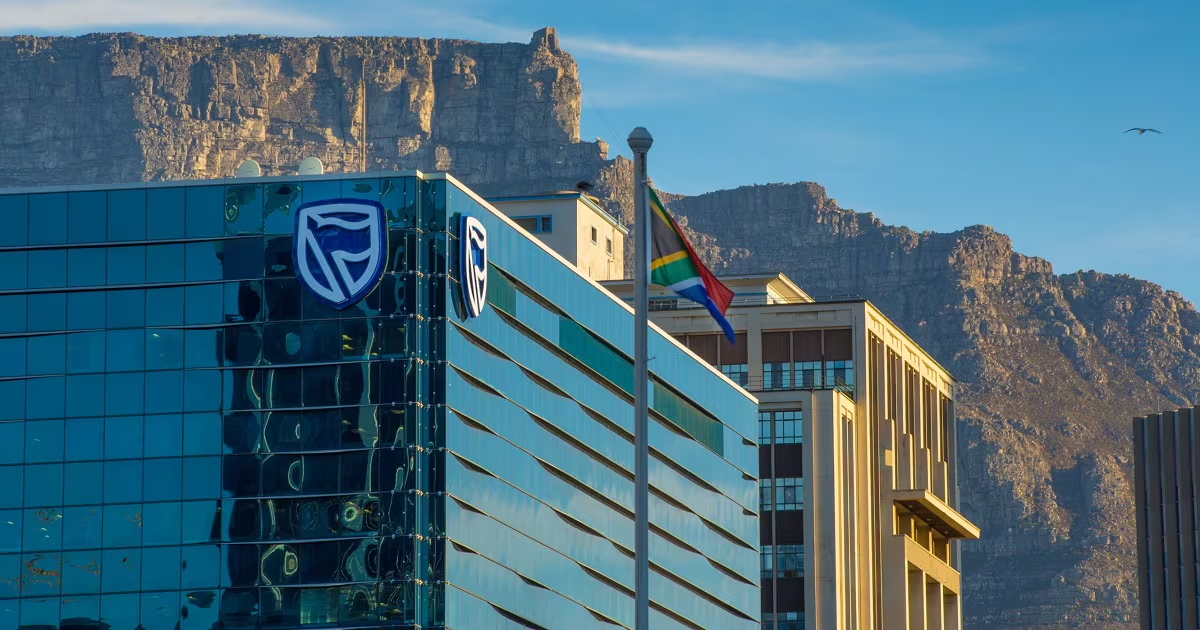
On June 30, the Constitutional Court brought the curtain down on most of the Competition Commission’s decade-long “rand-rigging” case. Reading the judgment alongside the Competition Appeal Court’s earlier ruling of January 8 2024, the pattern is unmistakable: this was never really a case about how the dollar/rand market works. It was a case built on an assumption about collusion, into which the commission then tried to fit the mechanics of a trillion-dollar, 24-hour, electronically intermediated market. The mechanics never fitted, and the courts have now said so twice.Of the 28 respondents the commission originally set out to prosecute, only a handful remain in the Competition Tribunal’s sights: BNP Paribas; JPMorgan Chase & Co and its banking subsidiary, HSBC Bank; Standard Americas; and Investec.Standard Bank, Nedbank, FirstRand, Commerzbank, Nomura, Macquarie, Credit Suisse Securities and a string of others have been released, most of them not because a tribunal weighed the evidence and found no collusion, but because the commission’s own pleadings could not withstand scrutiny.That distinction matters more than it has been given credit for in the public debate. As one commentator on the ruling put it, the bulk of the case did not end with a finding that the banks were innocent of collusion. It ended with a finding that the regulator’s papers were not good enough to make them answer for it, given how heavily the litigation was dominated by disputes over whether the referral adequately pleaded a case at all, whether the tribunal had jurisdiction, and whether the various banks had actually participated in what the commission called a “single overarching conspiracy”. The merits — did anyone manipulate the rand? — have still never been tested.The Competition Appeal Court’s 2024 judgment is worth close attention because it shows, forensically, where the commission’s single overarching conspiracy theory came apart. Borrowed from European cartel jurisprudence, such a conspiracy requires proof of a common anticompetitive objective, an intentional contribution by each firm to that objective, and knowledge (actual or reasonably foreseeable) of what the other participants were doing. What the commission actually pleaded, bank by bank, was often something much thinner: a trader’s name appearing in a Bloomberg chatroom, sometimes only once, sometimes years outside the alleged conspiracy period, sometimes attributed to the wrong entity altogether.The clearest illustration is Standard Bank. The commission’s case rested substantially on Bryan Brownrigg, alleged to be a “trader” who had discussed bid-offer spreads. He was, in fact, an institutional salesperson with no authority to set spreads or bind the bank to a trade — a fact the Constitutional Court noted the commission could have established with a single phone call. The court’s own words were withering: it found it inexplicable that the commission had persisted in claiming plausible evidence linking Standard Bank to the conspiracy.FirstRand fared little better in the commission’s hands: its traders were never named, it was not shown to have participated in a single implicated chatroom, and the appeal court found the case against it was founded on “hopelessly incorrect information” — traders who had never worked for FirstRand at all. Nedbank’s position was, if anything, worse: no named trader, no chatroom evidence, only a bare assertion that it had “joined” the conspiracy by a stated date, with no facts pleaded to support it. Sixth respondent Standard New York Securities was pursued for years after having told the commission, in writing, that the traders concerned had never been its employees.None of this is simply sloppy drafting. It reflects a deeper conceptual problem: the referral repeatedly treated indicators of an efficient, liquid, electronically networked market as if they were indicators of collusion.None of this is simply sloppy drafting. It reflects a deeper conceptual problem: the referral repeatedly treated indicators of an efficient, liquid, electronically networked market as if they were indicators of collusion.Three examples stand out. First, the commission relied heavily on quotes posted on the Reuters information platform — an indicative pricing feed, not a trading venue — as though matching or near-identical quotes were themselves proof of co-ordination. As affidavit evidence before the tribunal explained and the courts accepted, indicative rates on Reuters are not binding and are not linked to executed volumes, and they converge naturally because every bank is pricing off the same live, liquid, two-way market. Consistency of price in a deep, transparent market is what efficient pricing looks like, not what a cartel looks like.Second, the referral treated “round number” quoting, tight and consistent spreads, and low observed volatility as unusual behaviour requiring an explanation of collusion. Currency dealers who have actually worked institutional foreign exchange (forex) flow make the more obvious point: in a market trading tens of billions of dollars a day through direct market access, spreads compress and prices cluster because competition among market makers is fierce, not because it is absent.As one senior forex strategist has argued publicly, the sheer scale and transparency of a market like dollar/rand make sustained, undetected price-fixing implausible. Banks’ own compliance functions log every chatroom conversation precisely because those channels are the least private place a cartel could operate.Third, and most consequentially, the commission argued — including in its submissions before the Constitutional Court — that historical conduct had produced a “permanent structural change” in the rand’s value, such that even a dollar bought today carries the residue of manipulation from a decade ago. This treats a floating, freely traded currency as though it behaves like a good with a fixed, manipulable reference price. It does not explain how a handful of trades, the largest priced at $25m against a spot and forwards market turning over more than $30bn a day, could leave a durable mark on the exchange rate. Nor does it grapple with the more basic economic point that a marginally weaker rand helps exporters as much as it hurts importers, making any claimed “harm to the economy” analytically incoherent without a counterfactual the commission never attempted to construct.None of this means the underlying allegations should be dismissed out of hand. Jason Katz’s guilty plea in a US court, and the leniency and settlement agreements reached by Absa, Barclays, Citibank and Standard Chartered show that some trading conduct genuinely crossed the line. But a valid core does not license a single overarching conspiracy theory stretched to cover 28 respondents on the strength of chatroom membership lists and Reuters screenshots.The remaining case — against BNP Paribas, the JPMorgan entities, HSBC, Standard Americas and Investec — will now proceed to a merits hearing at the tribunal. If it is to survive contact with the same technical scrutiny that sank the case against the local banks, the commission will need something it has so far lacked: expert economic evidence that actually engages with forex market microstructure, distinguishes public information from private collusion, and quantifies effect rather than asserting it. Absent that, taxpayers and the banking sector alike will have funded another decade of litigation in pursuit of a theory the market itself never supported.• Ngqulunga is a competition lawyer and a legal researcher on various issues such as excessive pricing and emerging technologies.
NKANYISO NGQULUNGA | Ten years, 28 banks and a Competition Commission case that misunderstood currency markets
Constitutional Court has sharply narrowed the competition watchdog’s rand-rigging case, exposing weaknesses in its theory of collusion
1,174 words~5 min read