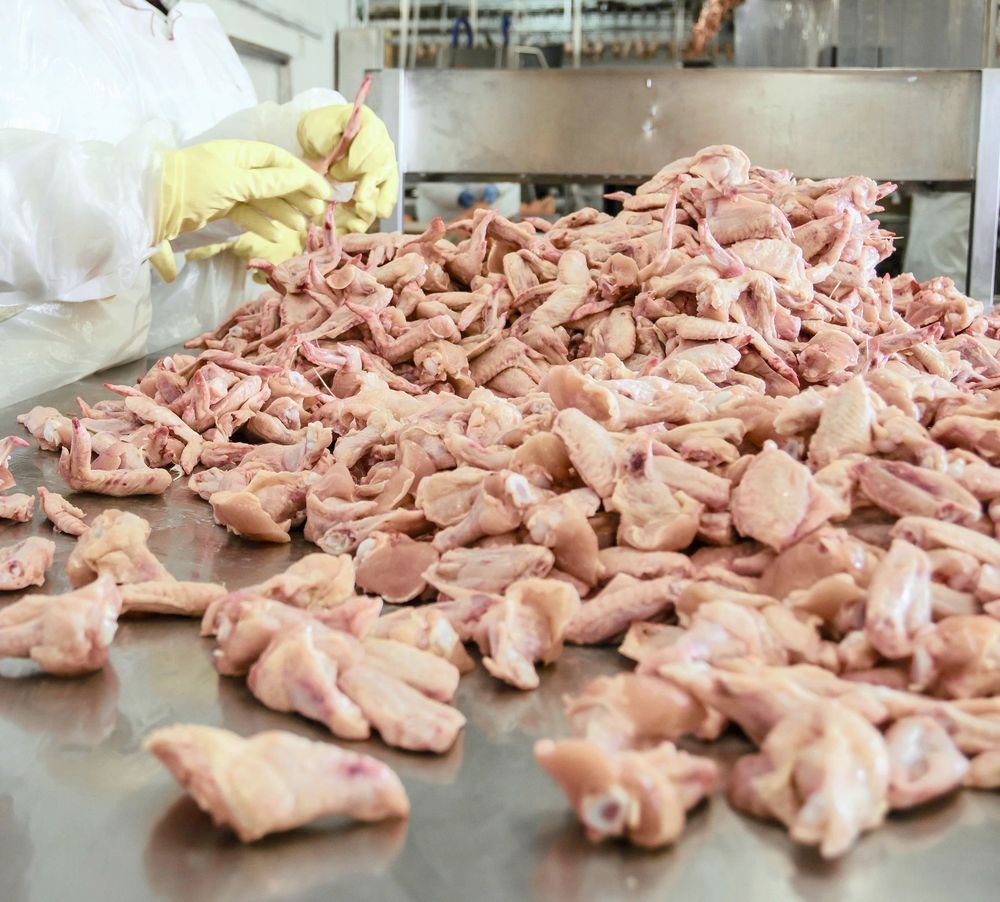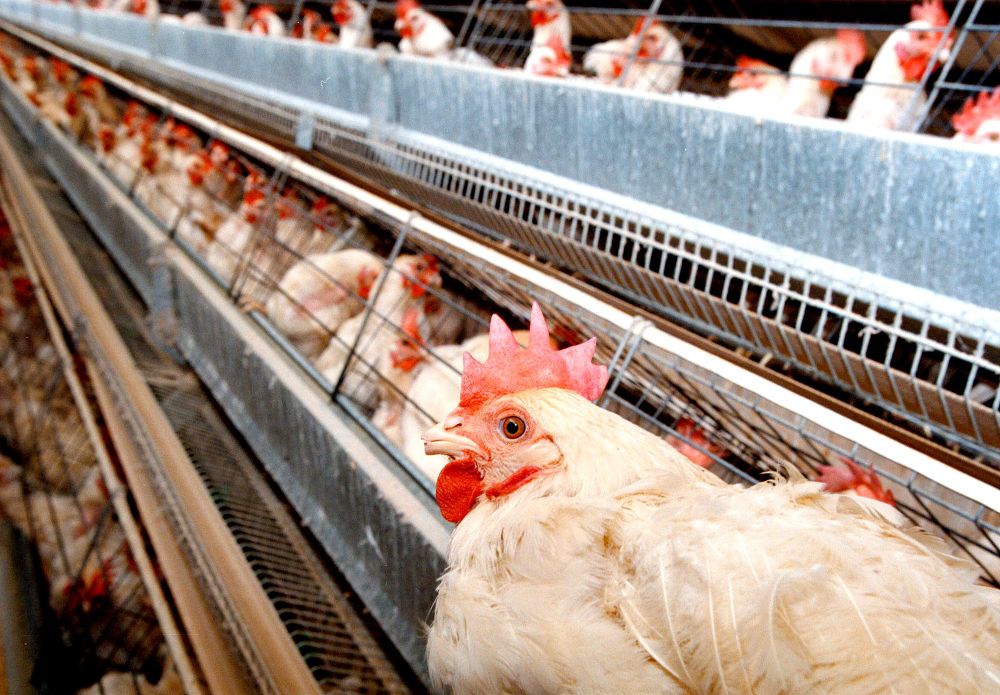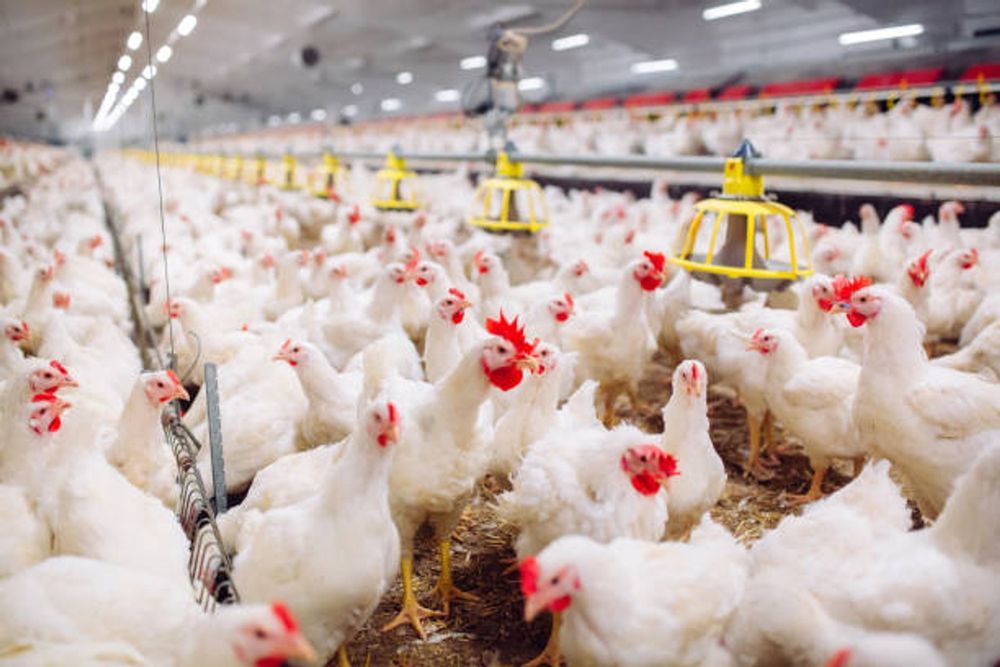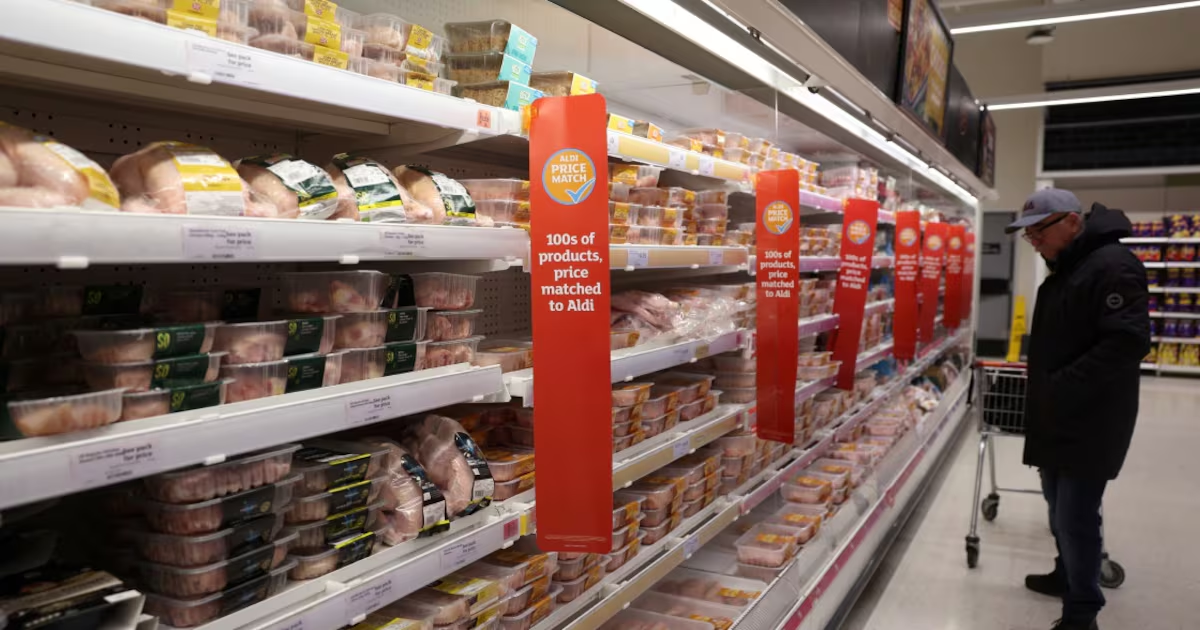
Having recently moved from South Africa to Australia to be closer to my children, I expected many things to be different. What I did not expect was to find myself standing in Australian supermarkets comparing the price of chicken.Before readers assume I am advancing the interests of a particular industry, a disclosure is appropriate. Though I spent a number of years in the meat sector, I retired nearly 10 years ago and have no direct or indirect business interest in either the meat or poultry industries. My observations are those of an ordinary consumer who has recently experienced the realities of grocery shopping in both South Africa and Australia.Like many South Africans, I assumed that food would be far more expensive in Australia. After all, it is one of the world’s wealthiest countries. Wages are much higher with virtually no unemployment. The standard of living is among the highest anywhere.Yet I regularly found raw chicken selling at prices comparable to those I had paid in South Africa. At times it was even cheaper. The same was true of certain cuts of red meat.At first I thought I must be mistaken.I eventually concluded that it has little to do with agriculture and almost everything to do with economics.Both countries are blessed with favourable climates and extensive agricultural land. Both have talented farmers and sophisticated agricultural sectors. South African farmers have repeatedly demonstrated that they can compete with the best in the world.The difference lies in everything that happens around them.Australian producers operate with reliable electricity and water, efficient roads and railways, functioning ports, predictable regulations and logistics systems that generally work as they should. The costs and risks that South African businesses have come to accept as normal are largely absent.In South Africa, every poultry producer, feed manufacturer, processor, wholesaler and retailer in a very competitive industry carries the burden of electricity and water disruptions, transport inefficiencies, deteriorating infrastructure and policy uncertainty. Those costs do not disappear. They are eventually paid by consumers.Australian producers operate with reliable electricity and water, efficient roads and railways, functioning ports, predictable regulations and logistics systems that generally work as they should. The costs and risks that South African businesses have come to accept as normal are largely absent.Chicken is perhaps the best example because it is the primary source of animal protein for millions of South Africans. When chicken prices rise, the effect is felt most by households that can least afford it.For years we have debated the merits of imports, tariffs, brining and even industry master plans. Those discussions are important. But they can sometimes distract us from the larger issue. The greatest threat to affordable food in South Africa is not necessarily foreign competition. It is the cumulative cost of an economy that functions below its potential.What struck me most in Australia was not that people earn more. It was that ordinary consumers benefit from the efficiency of the systems around them. They take reliable electricity and water supply for granted. They expect roads to work, ports to function and products to arrive on time. They have faith in the public transport systems ensuring that workers travel to and from the workplace safely and punctually, without the reliance on expensive and often unsafe taxi services.South Africans have become accustomed to overcoming obstacles. We celebrate resilience and ingenuity because we have had to. We are good at crisis management. But resilience does not guarantee success. The uncomfortable truth is that a country with South Africa’s agricultural resources should be producing some of the most affordable food in the world. Instead, consumers often pay prices comparable to those in countries where incomes are many times higher.That should concern us. When Australians can buy a chicken at a price similar to that paid by a South African family earning a fraction of the income, the issue is no longer about poultry. It is about national competitiveness.Sometimes a chicken is not just a chicken. Sometimes it is a measure of how well an economy works.• Wolpert is a retired CEO of the Association of Importers and Exporters.
DAVID WOLPERT | What chicken prices say about SA’s economic competitiveness
Australia’s poultry prices reveal how the poorest South Africans pay the price for unreliable electricity, water and logistics
680 words~3 min read