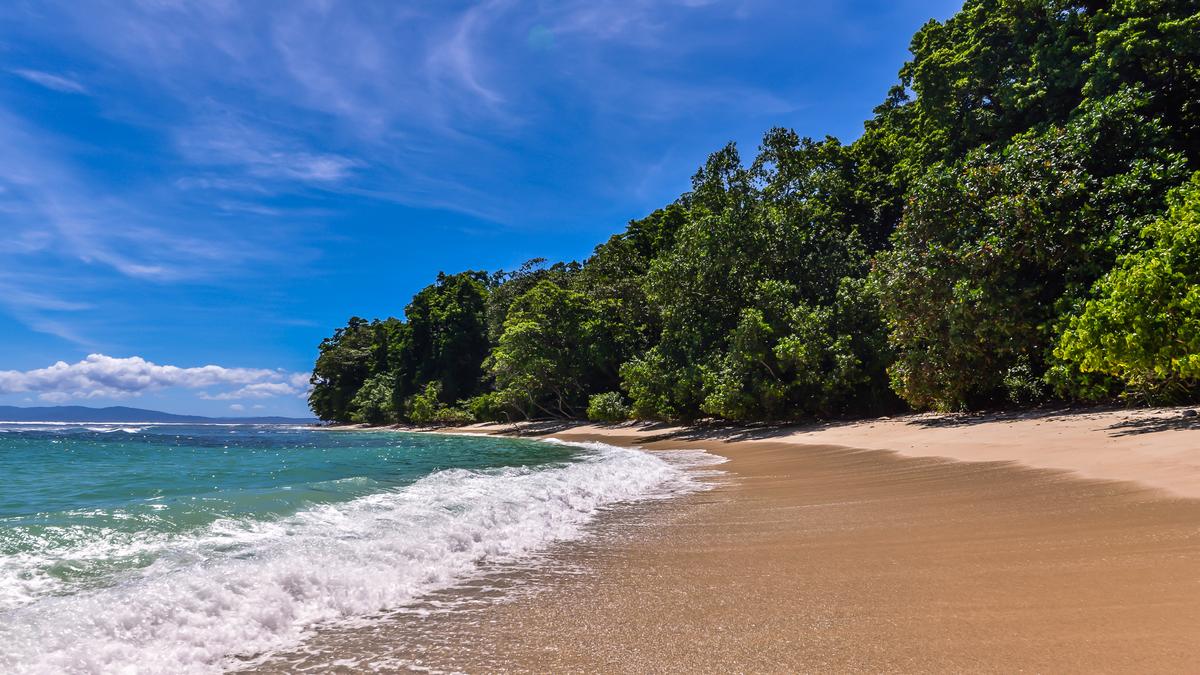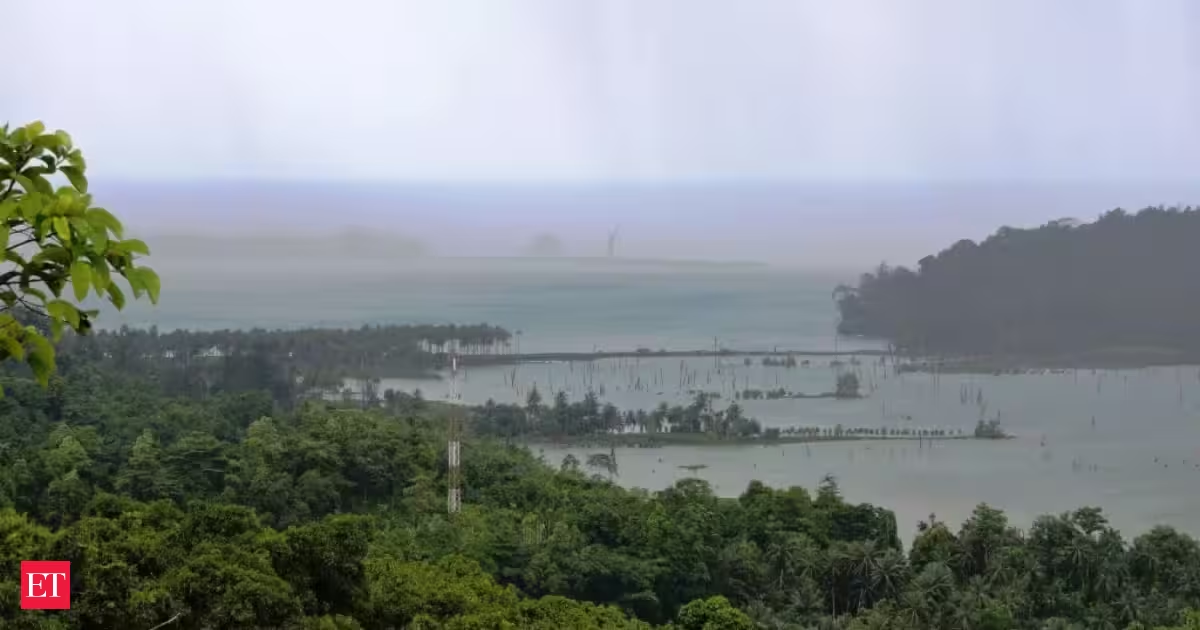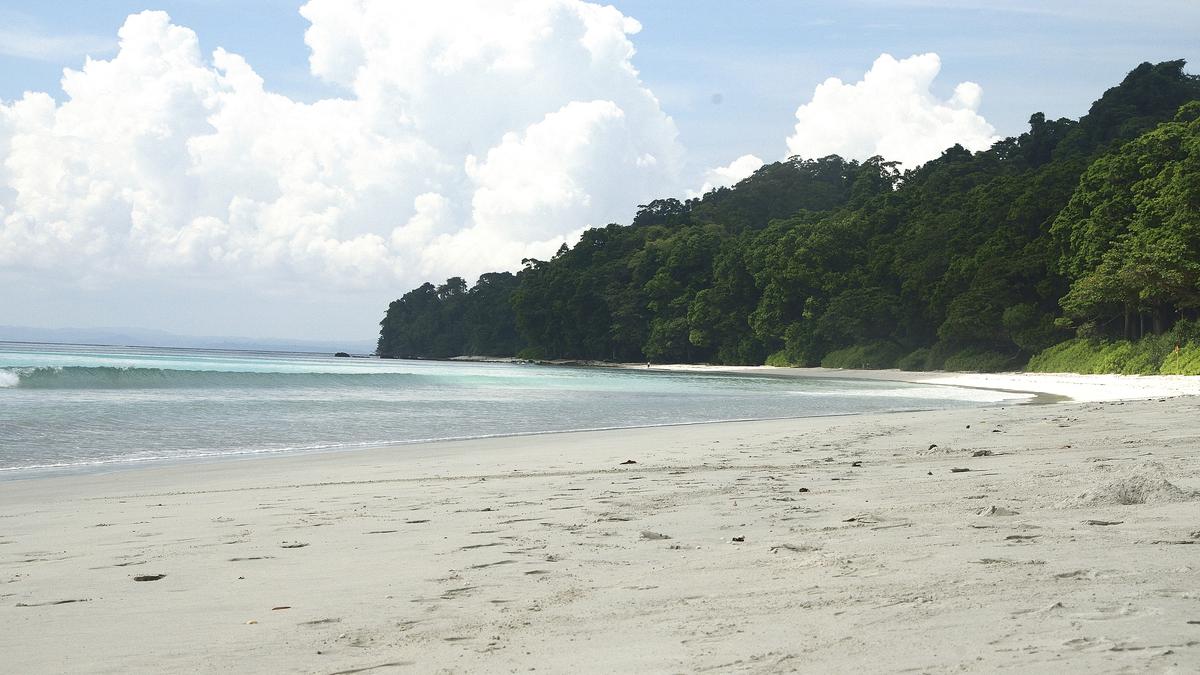
The last few weeks have seen an important entrant into the public discussion on the Great Nicobar mega-infrastructure project. DK Joshi — former chief of the Indian Navy, current lieutenant governor (LG) of the Andaman and Nicobar Islands and also the chief administrator of the islands under whose watch the ₹92,000 mega-project initiated more than five years ago is to be executed — has recently penned many articles, made presentations and given interviews on the project.The Shompen did not even participate in the proceedings where their rights to the forests were settled; yet, permission was granted for diversion in their name. (Unsplash/ Representative)The primary thrust of his argument, part of a visible narrative-building effort, is that the Great Nicobar project is crucial for national security and is being pursued with ecological responsibility. The LG does not go into any specific details or substantive matters.This is important because beneath his overarching claims, lie a bunch of stark realities and unpleasant questions. Here are four questions for LG DK Joshi’s consideration.The choice of ANIIDCO as implementing agency: The Andaman and Nicobar Islands Integrated Development Corporation (ANIIDCO), chosen as the project implementation agency, is a quasi-government agency whose primary experience thus far has been in running tourism resorts and selling liquor, petroleum products and milk. Its annual turnover and profit over the last few years financial years has averaged ₹420 crore and ₹40 crore, respectively.What justifies making ANIIDCO responsible for implementing such a large and ambitious project in one the country’s most difficult, ecologically sensitive, and tectonically volatile landscapes?Is it not a huge risk to life, property and, indeed, investment to hand over the project to an entity that has neither the experience or mandate nor the capacity for the same? What understanding of national security is this?The status of Galathea Bay: The February 16 order of the National Green Tribunal justifies the construction of the port at Galathea Bay, arguing this is not a coastal regulation zone (CRZ)1a site. This, despite the well-established fact that the bay is home to coral colonies, mangroves, ground nesting birds and turtle-nesting beaches. This unequivocally makes it a CRZ1a site and no major development, including a port, must be allowed here.A&N administration agencies — including the Union Territory’s own forest department (FD) — have repeatedly provided evidence confirming the same. The forest department’s records show 619 leatherback turtle-nests at Galathea in the nesting season of 2024. February 2026 photographs from the turtle hatcheries show at least a 1,000 turtles nested at Galathea.The project’s environmental impact assessment (EIA) report itself mentions the presence of more 20,000 coral colonies in Galathea Bay. This area also has nesting mounds of the endemic Nicobari Megapode and luxurious stands of mangroves. This is all inconvertible evidence that Galathea Bay is like a jewel in the crown of the archipelago and its status as a protected site is sacrosanct where the law of the land is concerned.Why then is the law being given a go-by? Why did the A&N administration not put forth their own evidence before the NGT to argue that Galathea Bay is a priceless treasure and an undisputed CRZ1a site? Will the claim of ecological responsibility not sound hollow and false, if the port is allowed to be built there?The violation of the Forest Rights Act: The A&N administration has allowed and facilitated the diversion of tribal and forest lands and for the settlement of rights of the tribal communities under the Forest Rights Act in a mere 22 days in August 2022.The gram sabhas that passed the resolutions for diversion of tribal lands were of settler non-tribal populations who have no say in the matter where the FRA is concerned. The Shompen, a particularly vulnerable tribal group, was represented by Andaman Adim Jan Jati Vikas Samiti (AAJVS), the tribal welfare body of A&N administration, when no such provision for representation exists in the law. The Shompen did not even participate in the proceedings where their rights to the forests were settled; yet, permission was granted for diversion in their name.Is this not a gross violation of the law and the rights of the oldest and most vulnerable communities of the country? Why has the A&N administration, as the primary custodian of these forests and the rights of these communities, allowed this violation of the law and of the Shompen’s rights?Tourism and national security: The recently released Draft Master Plan for Great Nicobar Development Area (GNIDA) 2047 lists the following among many other proposals in its vision for Great Nicobar: a cruise tourism terminal to put the Greater Nicobar Islands on the global tourist network; tourist arrivals of one million annually by 2050, family entertainment projects such as discotheques, theme parks, amusement parks and water parks; a finance hub on lines of Busan International Finance Centre (BIFC) and Marina Bay Finance Centre in Singapore with a floor surface index of 2.5 and buildings with 8-10 floors.It is not clear how cruise tourism, construction of discotheques, and creating a financial hub with a huge ecological and carbon footprint fit into the narrative either of national security or of ecological responsibility. The economic impulses and vision of the Great Nicobar project are in stark and evident contrast to claims being made.These questions are related to the issues of institutional propriety, conflict of interest, due process, and concerns related to the environment, tribal rights and the geological vulnerability of Great Nicobar. The questions are importantly all based on facts and available evidence.Answers and explanations will be central to the thesis about the project propounded by the LG.Pankaj Sekhsaria has authored seven books on the Andaman and Nicobar islands. The views expressed are personal
Key questions that Andaman and Nicobar LG must answer
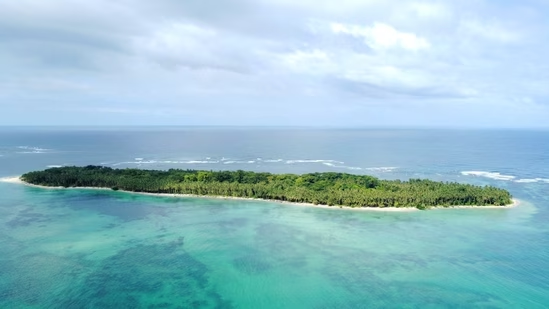
Galathea Bay is like a jewel in the crown of the archipelago and its status as a protected site is sacrosanct where the law of the land is concerned.
941 words~4 min read