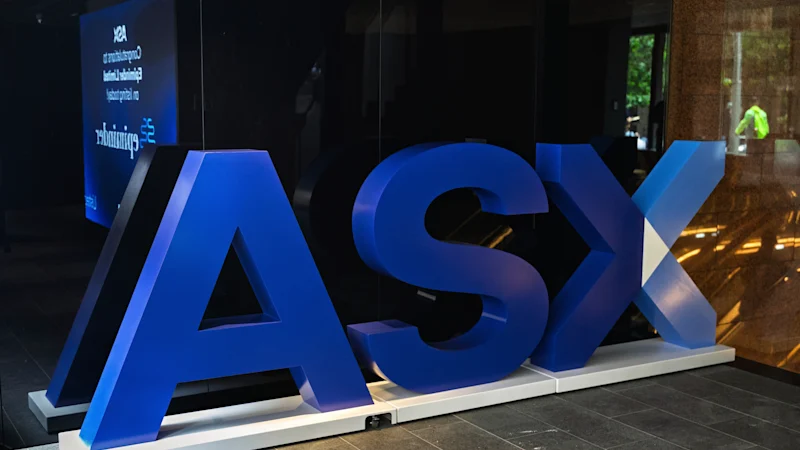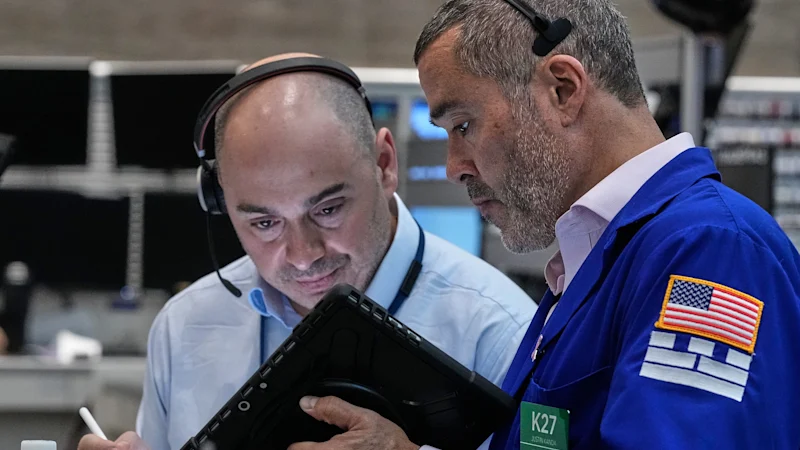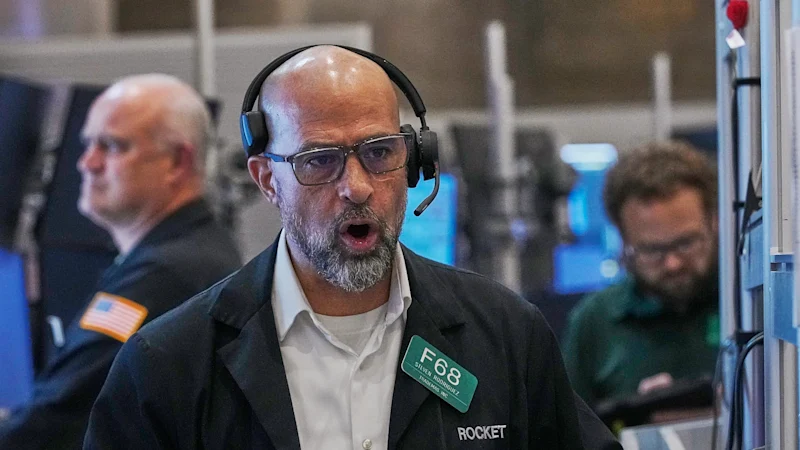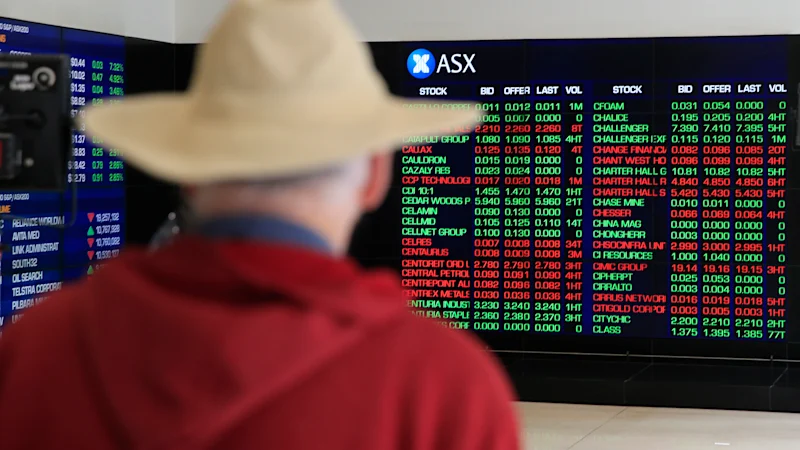
Staff reportersUpdated July 8, 2026 — 10:47am,first published July 8, 2026 — 6:27amThe Australian sharemarket has taken a hit, dropping more than 1 per cent on opening, as fresh violence in the Strait of Hormuz and worries about overinflated AI stocks weigh on sentiment.The S&P/ASX 200 index slumped more than 100 points, or 1.14 per cent, in the first 15 minutes of trade as investors digested news of American strikes on Iran after three tankers were hit in the Strait of Hormuz on Tuesday. The dollar was fetching US69.72¢ against the greenback.Worries about overinflated AI stocks are weighing on the sharemarket.Sitthixay DitthavongBrent Crude oil, the international oil standard, spiked above $US76 a barrel on Wednesday, from about $US71 ($110) earlier this week, as the latest attacks threaten to choke off crucial energy flows in the strait just as countries were hoping to restore normal shipping practices and ease the global economic strain of the war.Adding to concerns for investors are seesawing AI stocks that are under pressure worldwide because of worries their prices have shot too high and that AI may not produce enough productivity and profits to make all the investments in chips and data centres worth it.Mining companies and technology stocks bore the brunt of the tumble.By 10.30am, BHP was down 3.06 per cent and Rio Tinto had lost 2.1 per cent. Gold miners Evolution Mining and Northern Star Resources also tracked lower, losing 4.77 and 2.86 per cent respectively. Wisetech was down 5.35 per cent, and both Xero (-1.62 per cent) and NextDC (-0.43) followed.Energy stocks gained on oil’s elevation. Woodside rose 2.72 per cent and Santos jumped 5.5 per cent.In the US, the S&P 500 fell 0.4 per cent overnight, even though the majority of stocks within the index rose. The drops for stocks in the artificial intelligence industry dragged the Nasdaq composite down 1.2 per cent, while the Dow Jones Industrial Average dipped 0.2 per cent.The weakness began in Asia, where Samsung Electronics tumbled 6.9 per cent in Seoul despite offering what analysts called a strong forecast for upcoming results.Analysts called the numbers surprisingly good, but they still weren’t enough for investors after its stock came into the day having more than doubled in the year so far.On Wall Street, Micron Technology fell 5 per cent and was the heaviest weight on the S&P 500. Intel sank 9.1 per cent and also weighed heavily on the market. Nvidia, which is the largest stock on Wall Street by value because of the AI boom, rose 1.1 per cent after slipping earlier in trading. That helped ease some pressure on the broader market.SpaceX, which owns the xAI business, fell 5.2 per cent in its first trading since being included in the Nasdaq 100 index.Outside of tech, Vertex Pharmaceuticals fell 1 per cent after saying it agreed to buy Crinetics Pharmaceuticals for $85 per share in cash. Crinetics, which develops therapeutics for endocrine diseases, soared 98.8 per cent.Rivian Automotive dropped 15.1 per cent after the electric vehicle company said it’s selling 75 million shares of its stock, which dilutes the ownership stakes of earlier shareholders.The attacks in the Persian Gulf saw Brent crude, the international standard, rise 2.9 per cent to $74.11.Higher oil prices put upward pressure on inflation, and Treasury yields climbed in the bond market. The yield on the 10-year Treasury rose to 4.52 per cent from 4.48 per centHigh yields worldwide have been rattling investors after oil prices burst above $100 per barrel earlier in the summer because of the war. The worry is that high inflation may force the Federal Reserve and other central banks to hike interest rates. High rates can keep a lid on inflation, but they also slow the economy and hurt prices for all kinds of investments.South Korea’s Kospi tumbled 4.9 per cent because Samsung Electronics alone makes up more than a quarter of the index. Japan’s Nikkei 225 fell 2.1 per cent, and Germany’s DAX lost 1.4 per cent for two of the world’s bigger moves.More:SharesInvestingAussie dollarBondsCommoditiesCurrenciesDividendsFrom our partners
ASX falls following Hormuz attacks, tech stocks slump
Shares take a hit, falling more than 1 per cent on opening, as violence in the Strait of Hormuz and worries about overinflated AI stocks weigh on sentiment.
670 words~3 min read