The RBI, as one of the regulators of BoB’s overseas branches, can carry out an investigation of the case to assess if there has been any governance lapse in the operations, and bring the perpetrators to book
| Photo Credit:
AmnajKhetsamtip
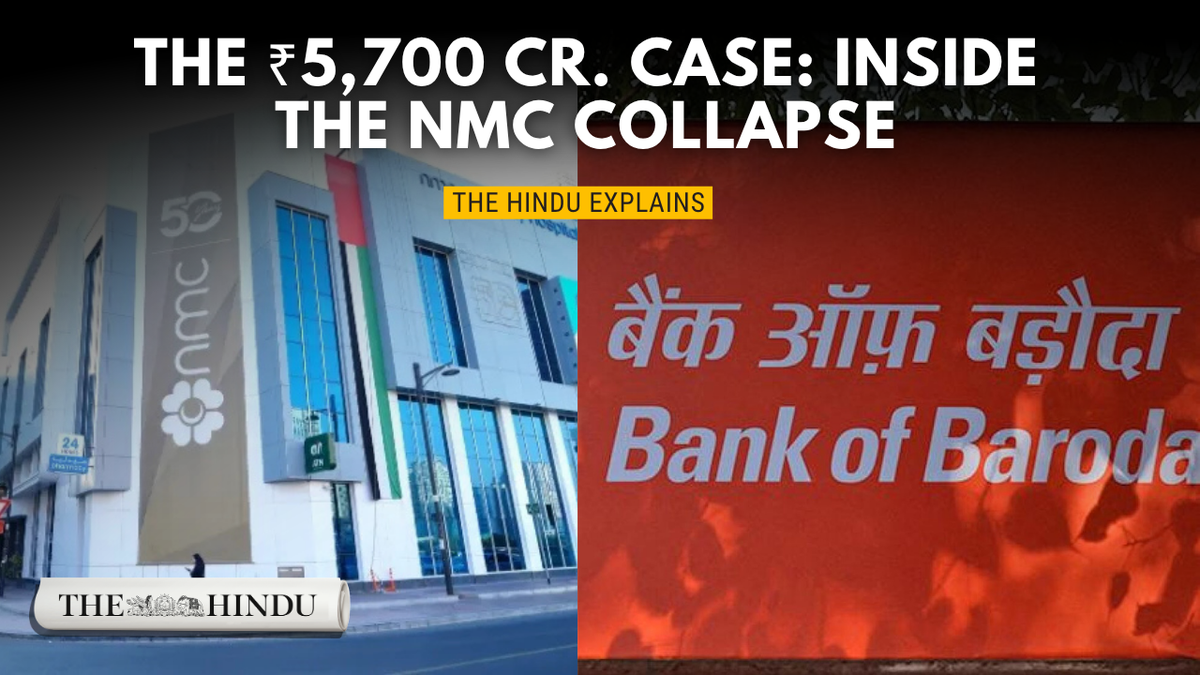
Last week Bank of Baroda made everyone sit up when it paid an inordinately large sum of $600 million, amounting to ₹5,700 crore, in an out-of-court settlement to close the litigation involving the NMC Health group and its joint administrators.This settlement brings an end to the litigations which began several years ago and was being carried out across two continents — in Abu Dhabi Global Market (ADGM) Court of First Instance and in the High Court of Justice, England and Wales. All charges in these courts against Bank of Baroda will now be dropped, though the bank does not admit any liability or wrongdoing. The exchange announcement further states that the terms of the settlement agreement shall remain confidential.While the litigations against the bank may have been dropped, several questions arise here. Was the Abu Dhabi branch of Bank of Baroda in breach of Indian banking regulations? Did a few officials of the bank collude with the NMC group’s management to lend against insufficient or fictitious collateral? If yes, then shouldn’t those officials be brought to book by RBI? Did the bank’s officials help NMC group to defraud other banks and creditors in Abu Dhabi? Should there be an investigation into this case by the RBI to find answer to these questions?How it unravelledThe BR Shetty-owned NMC Group was the biggest provider of health services in UAE with over 200 hospitals and other healthcare services. These companies were owned by NMC Healthcare (NMCH), which is under the regulation of the Abu Dhabi Global Market. NMCH is in turn owned by NMC plc, which was incorporated in England.Trouble started when Muddy Waters, a US based short-seller, released a report on the group in December 2019. The report alleged that there were serious doubts about the “company’s financial statements, including its asset values, cash balance, reported profits, and reported debt levels. At the worst of times, the company has invested in large assets at costs that we find too high to be plausible — including from parties we believe are de facto under common control. This behaviour gives rise to concerns about fraudulent asset values and theft of company assets.” The forensic audit which followed these allegations revealed that the NMC group had inflated its assets through fake invoices. It had taken large debt based on these inflated assets, which were not disclosed in the financial statements.In April 2020, insolvency proceedings began against NMC PLC in England. In September 2020, the 36 companies incorporated in the UAE were also put under administration. The administrators then began legal proceedings against the founder of the NMC group, Dr BR Shetty, the CEO, Prashant Manghat and Bank of Baroda in the Abu Dhabi Global Market Court of First Instance and England & Wales High Court.Allegations against the bankAccording to the ADGM Court of First Instance, the claims against Shetty, Manghat and Bank of Baroda included defrauding the NMC group leading to its insolvency, gross negligence and acting as an accessory in perpetrating the fraud. Though Bank of Baroda primarily acted as a lender to the group, the joint administrators’ claim suggests that it had been an accessory in committing the fraud.The bank has been denying the allegations against it so far and had held that it had watertight argument to protect itself. In its annual report for FY26, it says, “The Bank denies all allegations made against it (in the NMC case) and has filed a robust defence (on facts and law) in both proceedings. The Bank is represented by eminent barristers and law firms from India and the United Kingdom in the proceedings. The Bank maintains its view that claims cannot be crystallized at this stage given the Bank’s robust defence in facts and law.”RBI’s responseThere has been no statement from the RBI so far regarding the settlement deal entered by Bank of Baroda. RBI’s core principles of banking supervision states, “Banking supervisors must practice global consolidated supervision over their internationally active banks, adequately monitoring and applying appropriate prudential norms to all aspects of the business conducted by these banking organisations worldwide, primarily at their foreign branches, joint ventures and subsidiaries.”While the central bank may have been awaiting the judgment from ADGM court, the settlement without admitting any guilt leaves the episode in a grey area, since it does not absolve the bank from the allegations. The settlement raises concerns about possibility of governance lapse in the UAE branches of Bank of Baroda. The fraud has been perpetrated over several years from 2012 and 2020 and the administrators claim that Bank of Baroda had played a role in defrauding the investors and other creditors.Also, the settlement sum is large enough to wipe out more than a quarter of its net profit for FY26; its capital would have been affected to that extent. With the stock price of BoB declining over 7 per cent since the news broke out, investors are clearly worried.In the judgment given by justice Sir Andrew Smith in November 2023 in ADGM Court of First Instance, it stated that, “The case against the Bank of Baroda also includes claims under Indian law alleging breach of banking standards.”The RBI, as one of the regulators of BoB’s overseas branches, can carry out an investigation of the case to assess if there has been any governance lapse in the operations, and bring the perpetrators to book. Letting dust to settle on this case leaves room for such instances to crop up in other overseas branches in the future.If the central bank investigation finds no evidence of any wrongdoing by employees at the branch, it will help restore investor confidence in the governance of the public sector bank.That said, there have been several instances of employees or founders of Indian banks giving credit against fake invoices or collaterals for personal gains. In the ₹14,000 crore scam involving Punjab National Bank and the diamond merchant Nirav Modi, the bank staff had issued fake letters of undertakings without collateral which were used to raise credit from overseas branches of Indian banks. In Yes Bank’s case, the co-founder, Rana Kapoor, is alleged to have facilitated high-risk loans not backed by collateral to DHFL. But an investigation by the RBI and bringing perpetrators to book had helped in restoring public confidence in the bank and the banking system in these instances.Published on July 8, 2026