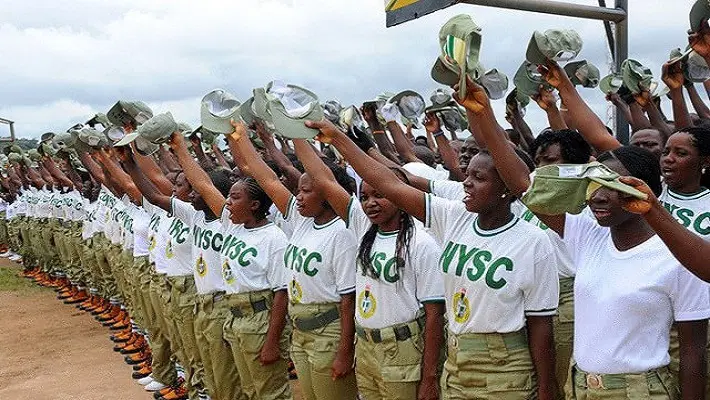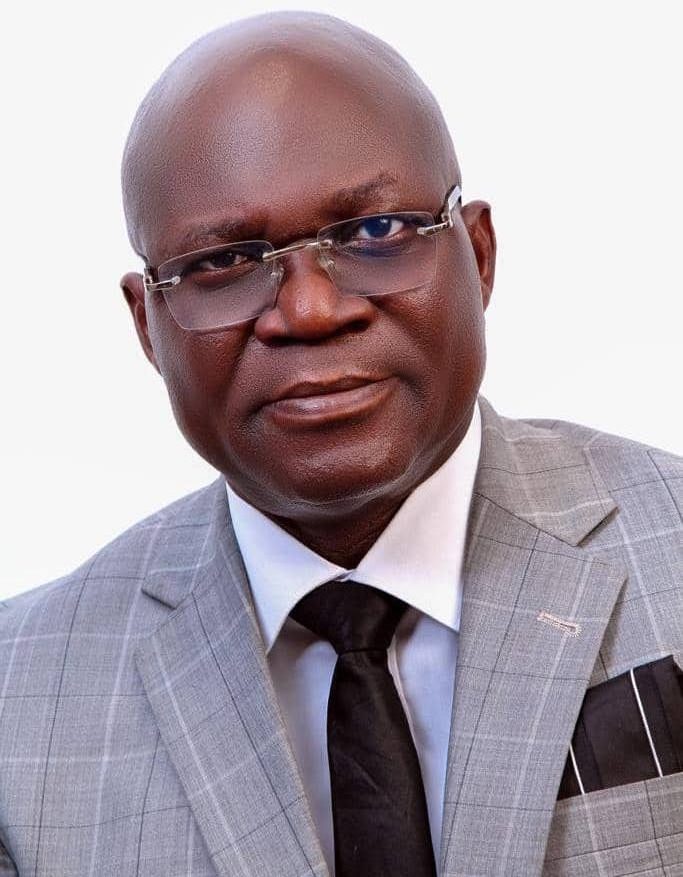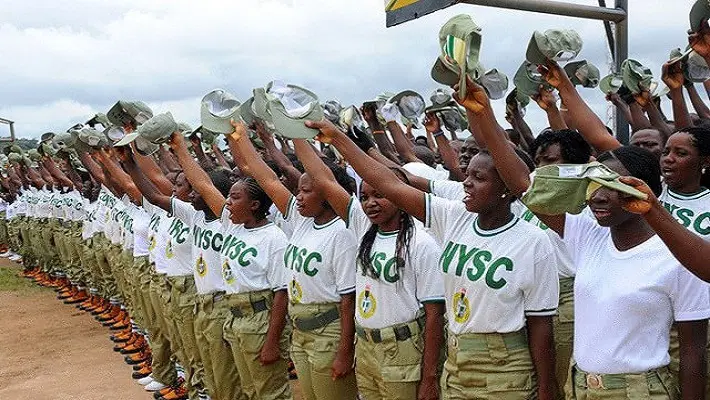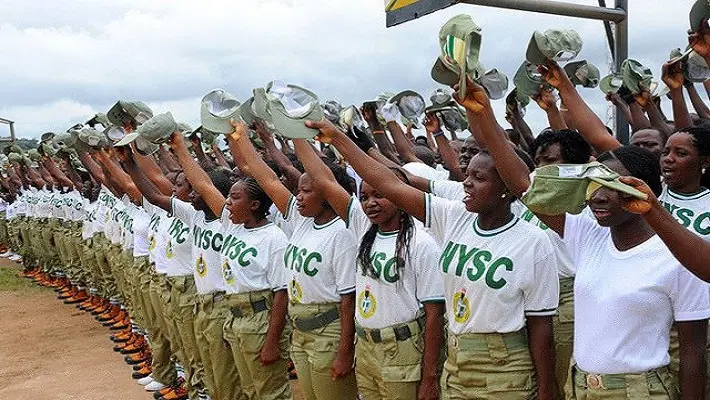
After 53 years of its existence, the National Youth Service Corps (NYSC) is to undergo a raft of operational, administrative and identity reforms, with the decision taken at the Federal Executive Council meeting last Monday. In a statement he personally signed on the policy shift, President Bola Tinubu said this is part of “creating meaningful opportunities for young Nigerians,” as part of his campaign promise to them.
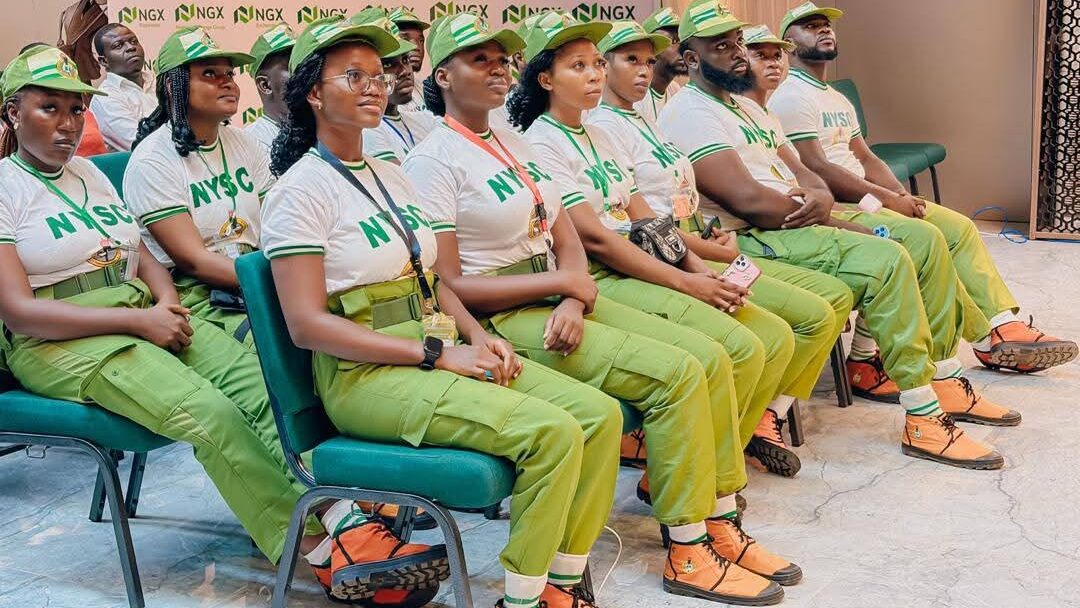
The NYSC scheme, established in 1973 by the General Yakubu Gowon administration as a post-civil war mechanism for healing the wounds of the 1967-1970 fratricidal conflict, has been fostering national unity, integration and cohesion since then. Yearly, graduates of universities and other tertiary institutions are mobilised and posted to states other than their states of origin for a mandatory 12-month service.
The pioneers were 2,300 young Nigerians under the age of 30, when the country had only six universities at Ibadan, Nsukka, Zaria, Ife, Benin and Lagos. But at the last count, there are 312 universities, which are federal, state and privately owned, from which about 650,000 graduates were mobilised in 2025 for the service. The financial cost of this enterprise is staggering. Over the years, the NYSC scheme has served as a huge pool of cheap labour to many state governments and the private sector, mostly in the education, health, legal and technical sectors, and in the conduct of general elections.