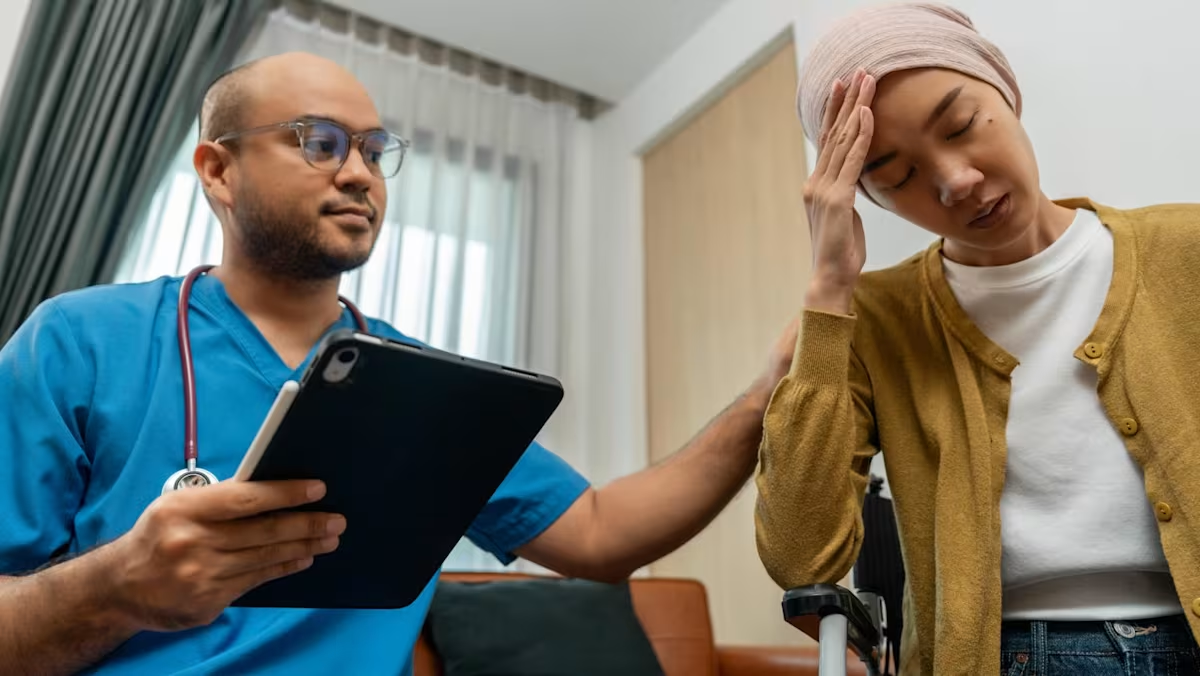
For cancer patients, crossing the five-year mark without any further detection of cancer cells in scans, bloodwork or other tests is a major milestone. That’s when you earn the coveted words “in remission” on your oncologist’s file. But getting there takes time, treatment – and tiredness, otherwise known as cancer fatigue. It is “a persistent, overwhelming sense of physical, emotional or cognitive tiredness related to cancer or its treatment”, said Dr Tanujaa Rajasekaran, a medical oncologist from Mount Elizabeth Novena Hospital’s Parkway Cancer Centre (PCC). According to Cleveland Clinic, cancer fatigue affects 80 per cent to 100 per cent of people with cancer. In fact, unusual fatigue is often one of the first signs that prompt patients to seek medical attention.“Cancer fatigue is different from normal tiredness because it is disproportionate to the amount of activity performed, and is often not relieved by adequate rest or sleep,” said Dr Rajasekaran. Some of the symptoms include brain fog, feeling weak or heavy, sleep disturbances despite feeling tired, and/or poor endurance when walking or exercising, she cited. Cancer fatigue’s duration varies from person to person, said Dr Amit Jain, a senior consultant with National Cancer Centre Singapore’s (NCCS) Department of Lung, Head & Neck and Genitourinary, Division of Medical Oncology. “In general, when cancer has been cured and patients are in remission, they should no longer have any cancer fatigue,” he said.
How patients can manage cancer fatigue at work and home – and how caregivers can help
Cancer fatigue affects most patients during treatment and can linger long after therapy ends. Doctors explain why it happens, how patients can conserve energy and navigate work responsibilities – and what colleagues, friends and family can do to offer meaningful support.
2,946 words~13 min read