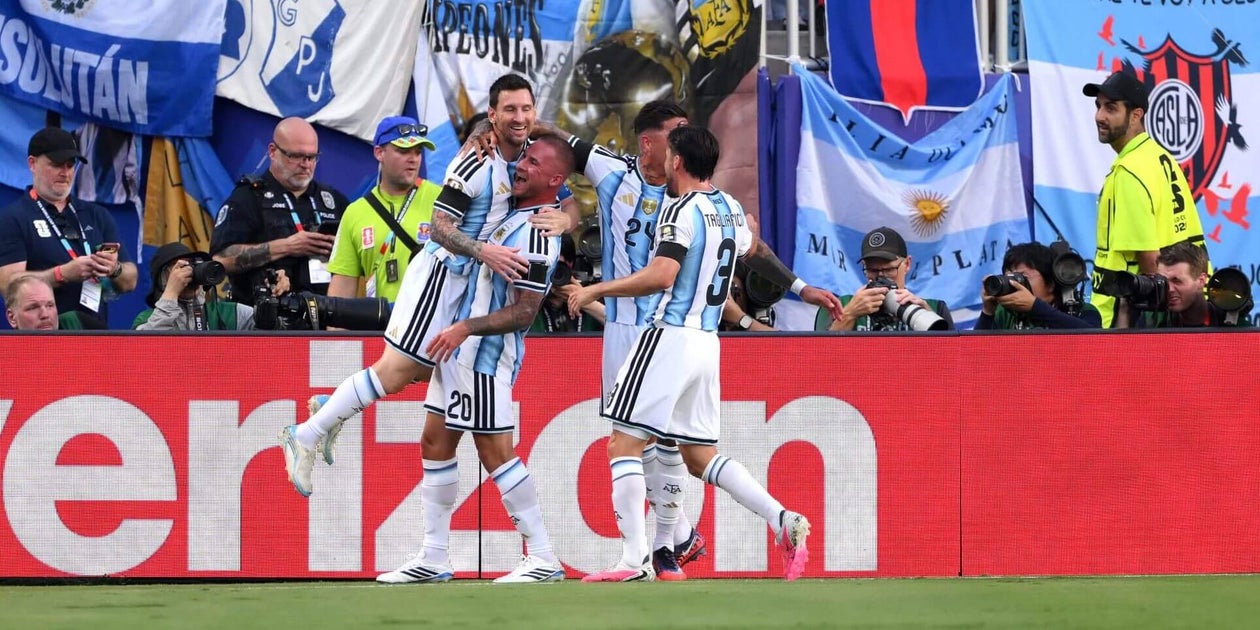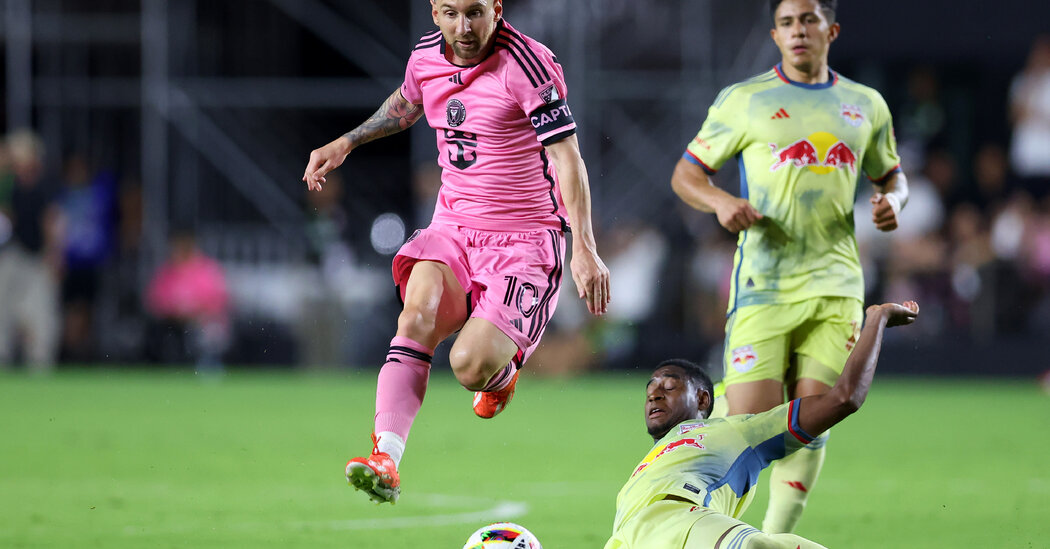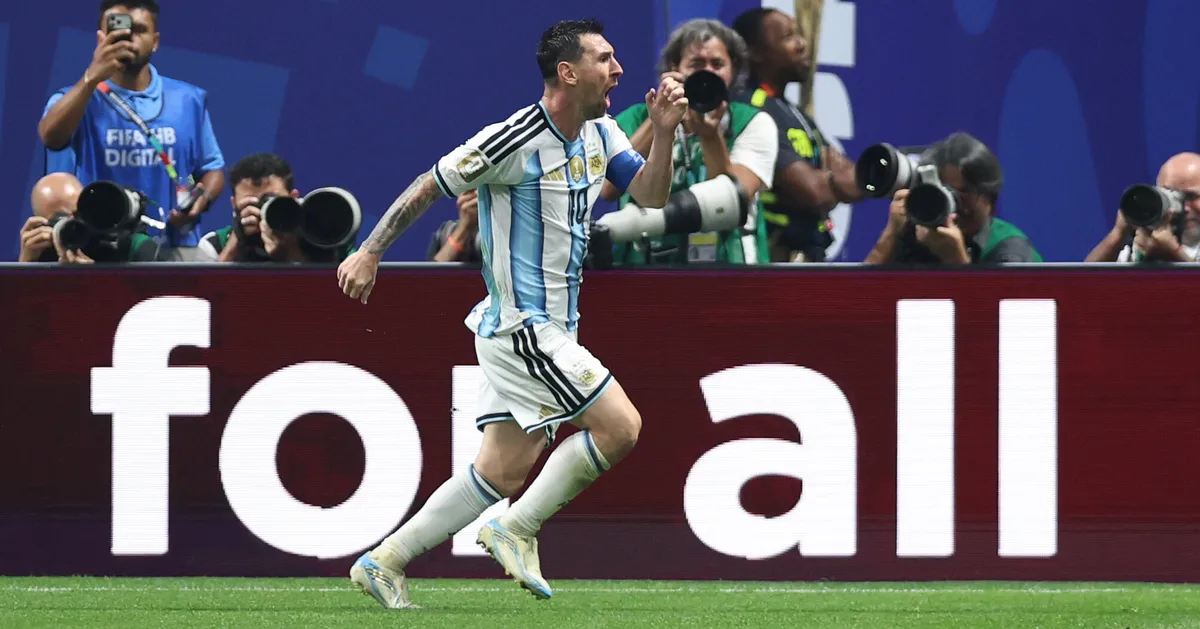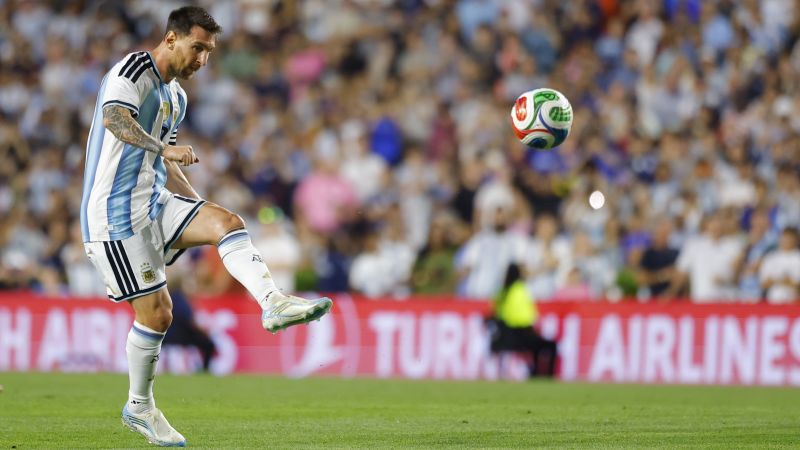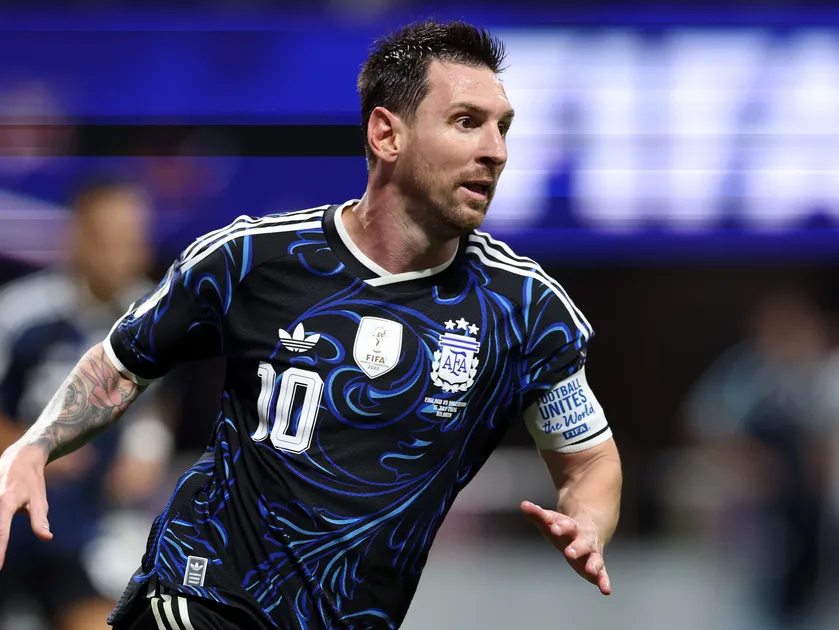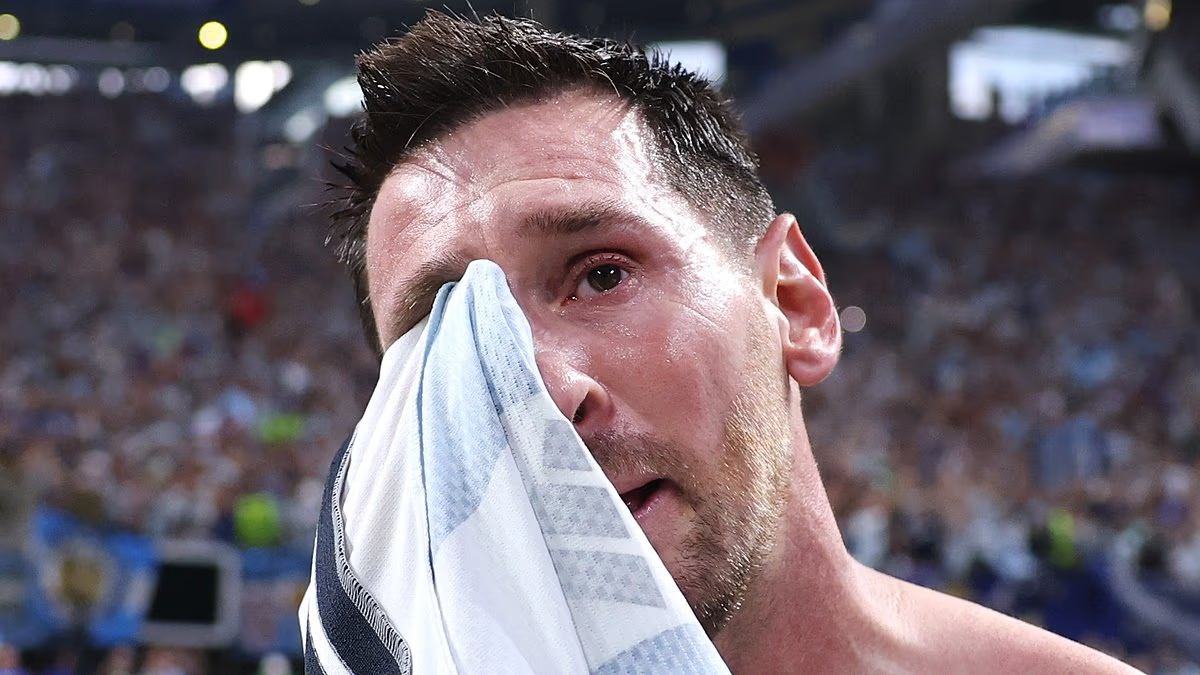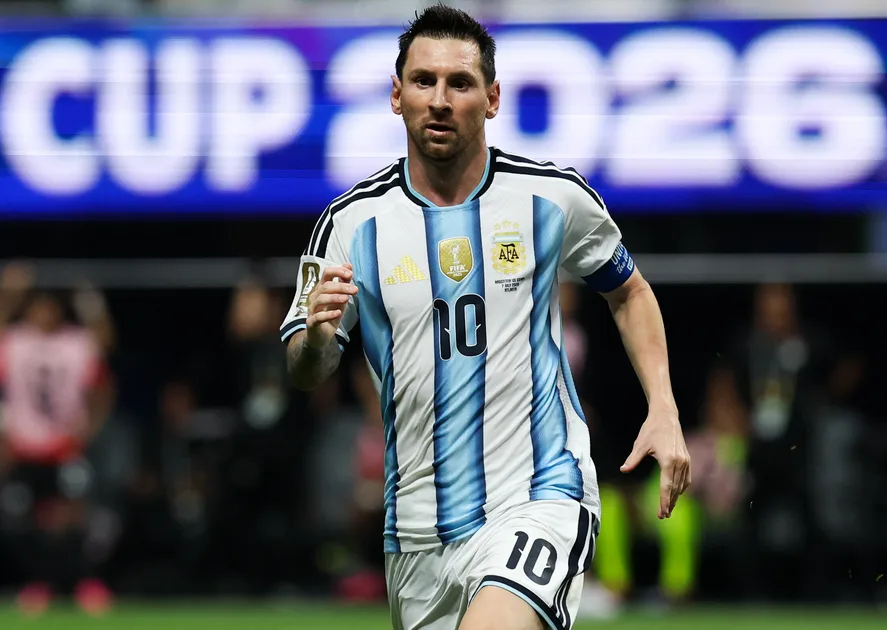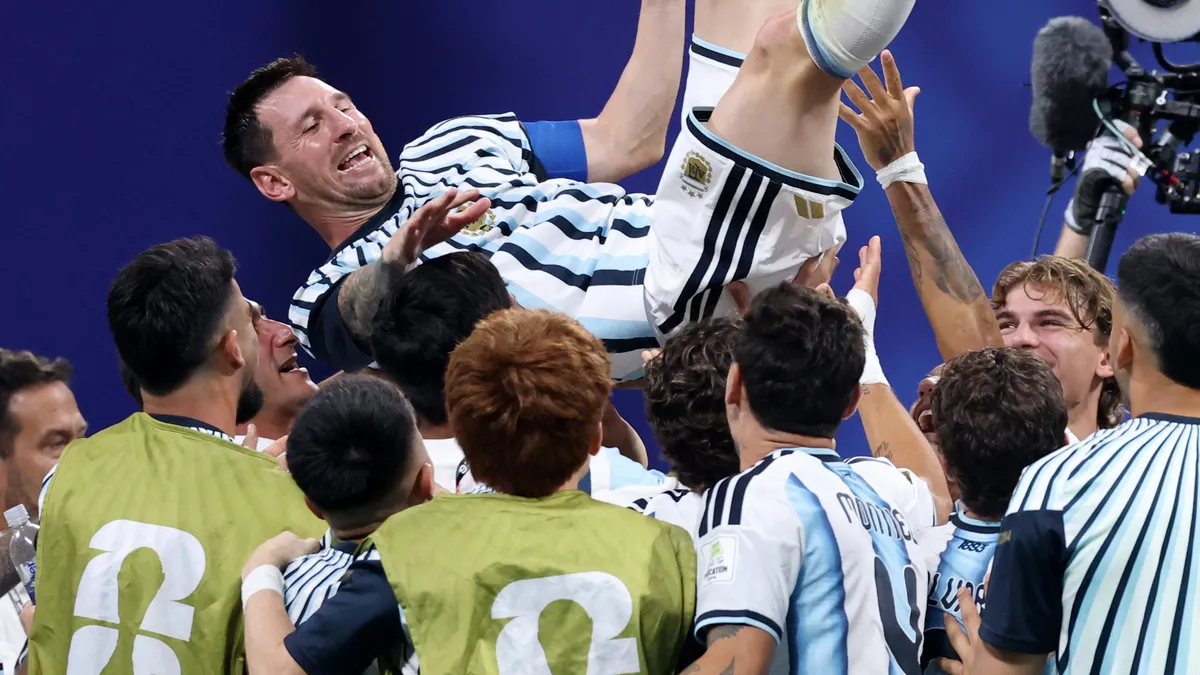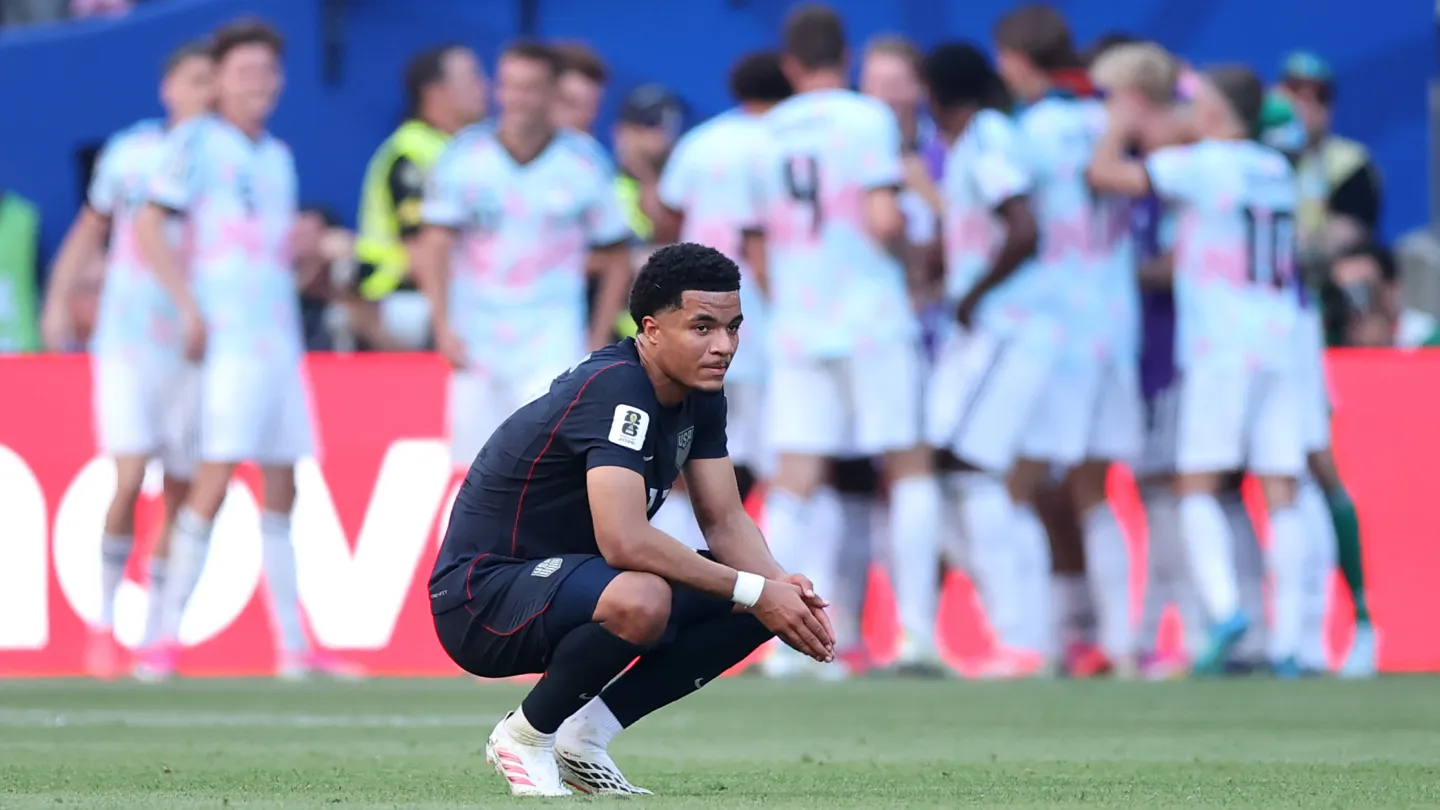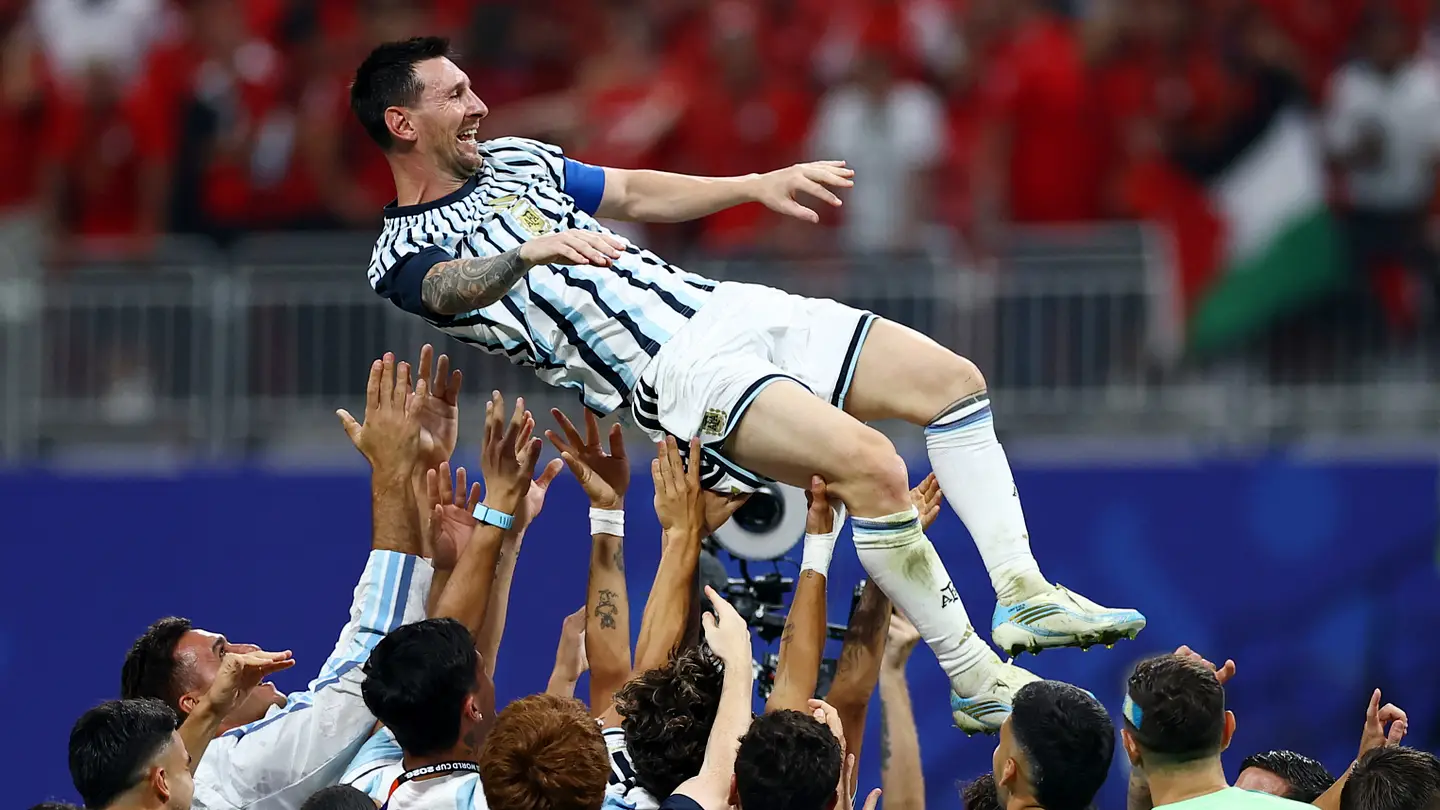
Photograph by Bob Kupbens / Icon Sportswire / GettyIf you’ve been watching the World Cup on television this summer, you’ve seen it on repeat: a glossy Fox promo that imagines the U.S. men’s national team shocking the world and winning it all. Elvis croons. Fans in Los Angeles cause a minor earthquake. Texas runs out of beer. A beautiful couple draped in the American flag makes out while standing atop a bus in New York. Everything, we are told, is possible.Well, not everything. Last night, the U.S. crashed out of the tournament, run off the field in the round of sixteen by a Belgium team that looked stronger in every way. Even for jaded American soccer fans, the lopsided result landed like a shock. Our sports columnist Louisa Thomas has a report from the scene in Seattle. Her immediate verdict? “It was a bloodbath.”And yet the U.S. team exits this tournament having inspired plenty of hope. Their playing style evolved to embrace superior tactics, thanks to their high-priced coach, Mauricio Pochettino, and their identity as a team that is populated, in part, by immigrants, dual nationals, and birthright citizens reflected the wider concept of diaspora that has defined this World Cup. In a column this morning, Jay Caspian Kang argues that a new national soccer culture may be emerging in the U.S., one that serves as a rebuke to “the revanchists and nativists who want to turn every instance of national joy into the same tedious referendum on who gets to be an American and who does not.”Meanwhile, the tournament, which has already produced so many thrilling matches, rolls on. Earlier today, the defending champions, Argentina, looked cooked against Egypt, down 2–0 with just eleven minutes to go. But they still have Lionel Messi. Leading a wild final flurry, Messi assisted on one goal and then scored the equalizer himself, before his teammates carried the load on the game-winner. In a recent piece, the writer Jordan Salama tracked Messi’s evolution across six World Cups—and noted that the tournament’s all-time leading scorer was finally playing like he had nothing to lose. Yet, after today’s stunning comeback, Messi was in tears.For the next two weeks, The New Yorker has got you covered. Do you want to jump off one bandwagon and onto an even bigger, sturdier one? Root for France. Do you want to back the tournament’s trendiest star? Root for the Viking. The coolest jerseys sold out? Buy a sticker book. Do you want to do something totally crazy? Canoe to the World Cup final in New Jersey. (Or don’t.) Everything might not be possible, but plenty of things still are.Editor’s PickGraham Platner’s Point of No ReturnFollowing an allegation of sexual assault, the Democratic Senate nominee in Maine is considering his future. What would his exit mean for the race, and for the broader direction of American politics? Read the story »More Top StoriesJon Klassen, the author and illustrator of “I Want My Hat Back,” understands how children see. The legal commentator Elie Honig thinks that the Trump-appointed Justices are getting unfair criticism. Isaac Chotiner asks him about the politics of this Supreme Court. The most-clicked item in yesterday’s newsletter was about how tourists are experiencing America during the World Cup.Our Culture PicksA book: “Regime Change,” which goes inside the second Trump Administration, is full of news that will stay news. A song: David Byrne’s “Miss America,” from the recent Critics at Large playlist, really captures the national mood. A bite: It’s about to be peach season, so remember Diana Henry’s advice: “Halve it, pit it, slice it, and drop it into a glass of cold moscato.”Puzzles & GamesToday’s Crossword Puzzle: “The Dating Game” creator Chuck—six letters. Catalogues: Can you sort the items into the correct order? Shuffalo: Can you make a longer word with each new letter? Laugh Lines: Test your knowledge of classic New Yorker cartoons.Daily Cartoon“Don’t panic—you’ve got ten minutes of stoppage time.”Cartoon by David SipressP.S. Mac Barnett, a collaborator with the illustrator Jon Klassen, stirred controversy when he declared that more than ninety-nine per cent of children’s literature is “crud.”
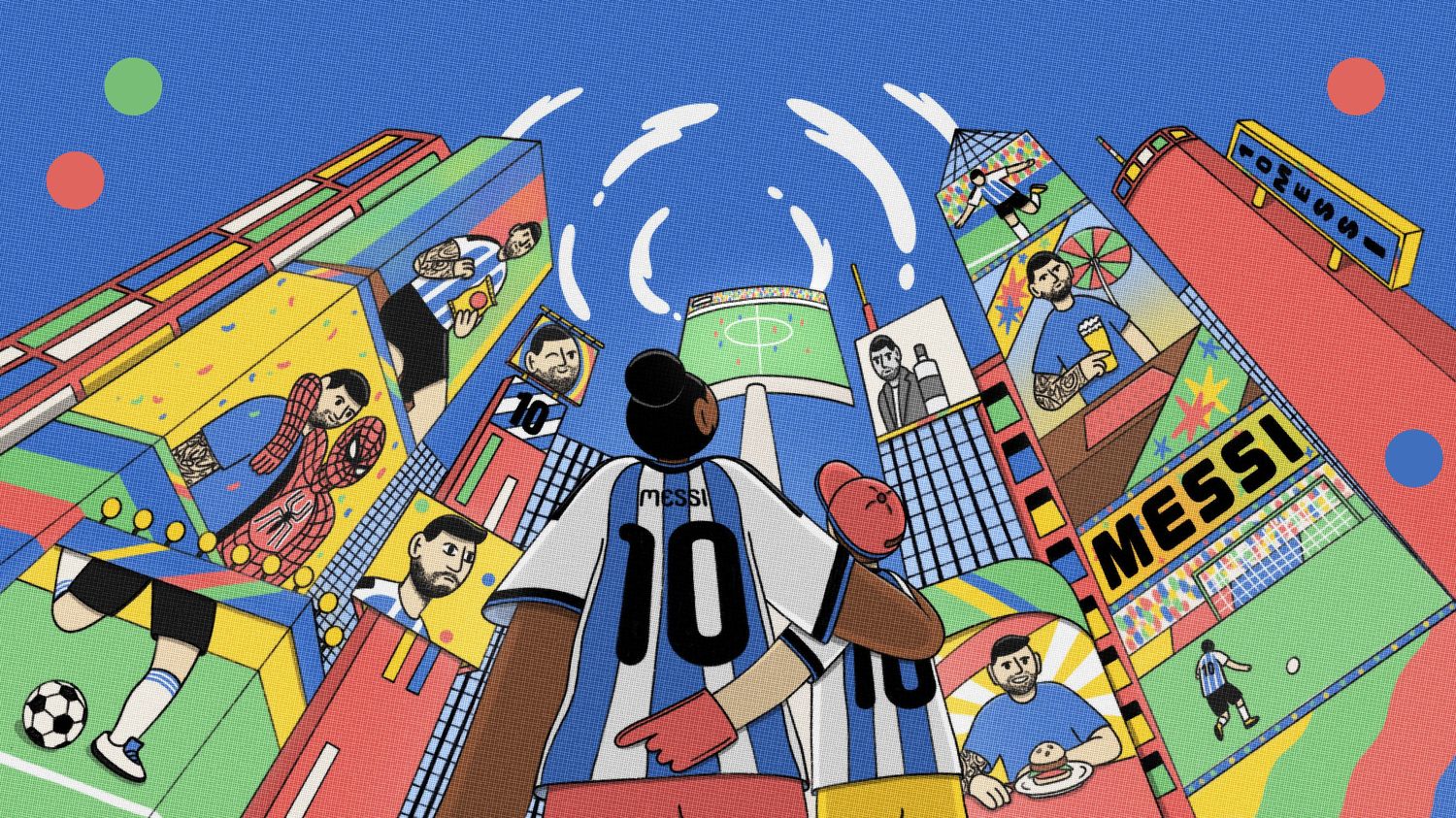
Lionel Messi Can’t Quit
From the daily newsletter: The Americans are out. The Argentinians are still in. And this World Cup is only getting wilder.
683 words~3 min read