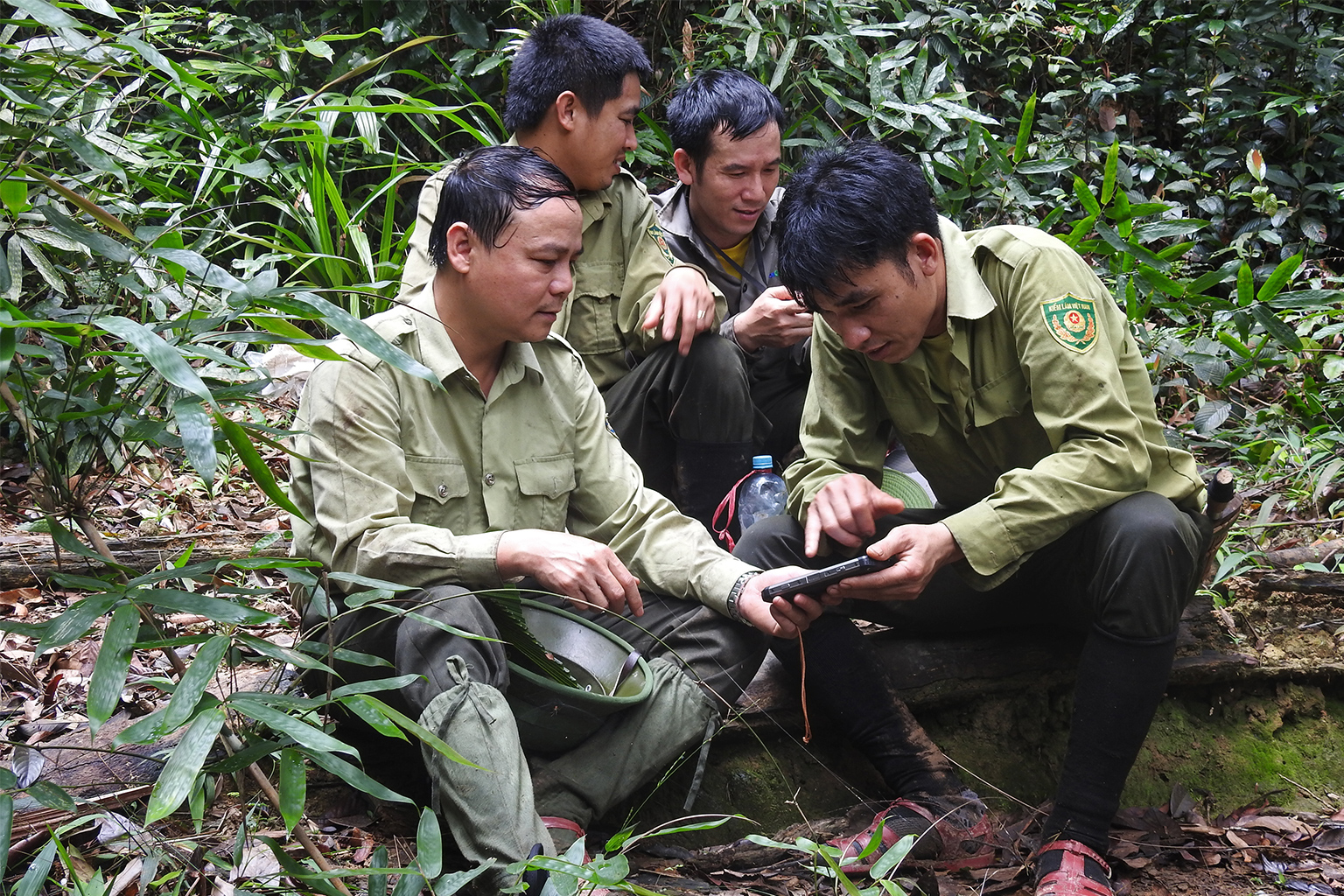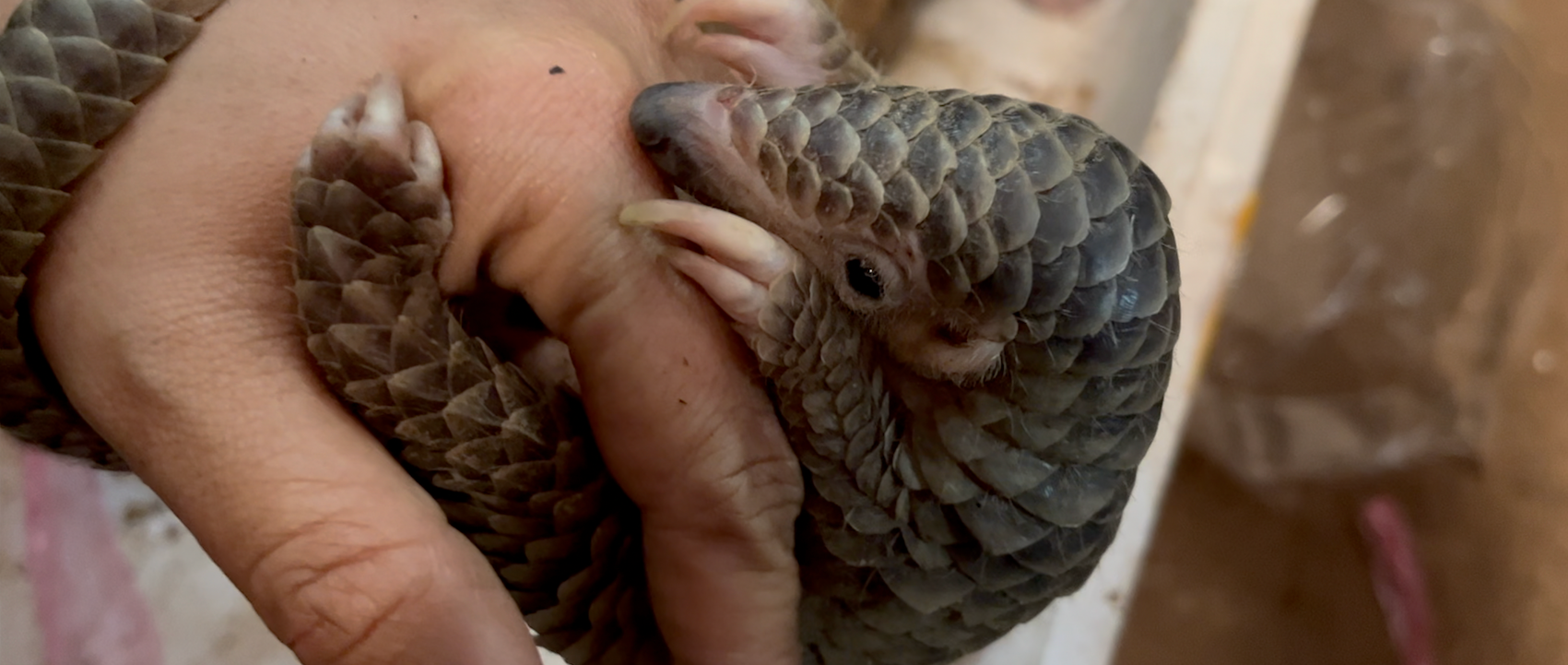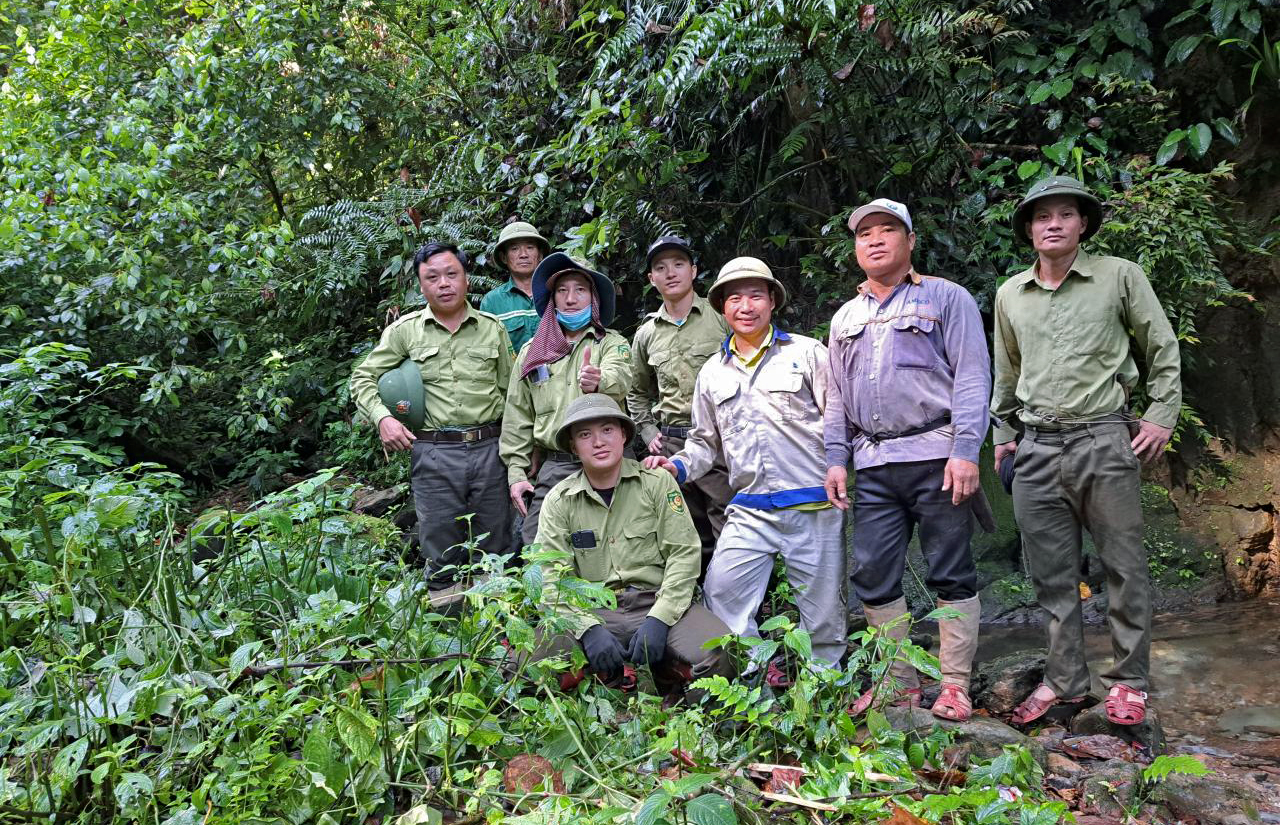
Members of an antipoaching unit in Vietnam’s Pu Mat National Park recently told Mongabay how technology and on-the-ground patrols are combining to reduce poaching pressure in the park.Supported by the NGO Save Vietnam’s Wildlife, the APU integrates tools such as SMART data aggregation software and remotely monitored “PoacherCams” to identify trafficking hotspots and guide patrols more strategically.Though technologies like AI are highly effective at aggregating data, the team notes these tools have limits in rugged tropical terrain with limited connectivity and ever-shifting conditions.Patrol members say they’ve observed signs of wildlife returning to places that were once heavily hunted.
Southeast Asia’s middle class has grown exponentially in recent decades, driving demand for exotic pets, meats and animal parts used for luxury goods and traditional medicines. In Vietnam, long a destination country for trafficked animal products, rising demand has motivated wildlife trafficking rings to expand their activities domestically as well as internationally, putting the country’s rich biodiversity under pressure from indiscriminate and widespread trap use.
As trafficking rings become more sophisticated and entrenched, conservation groups have also had to adapt, embracing new technologies and deepening their own networks to combat wildlife crime.