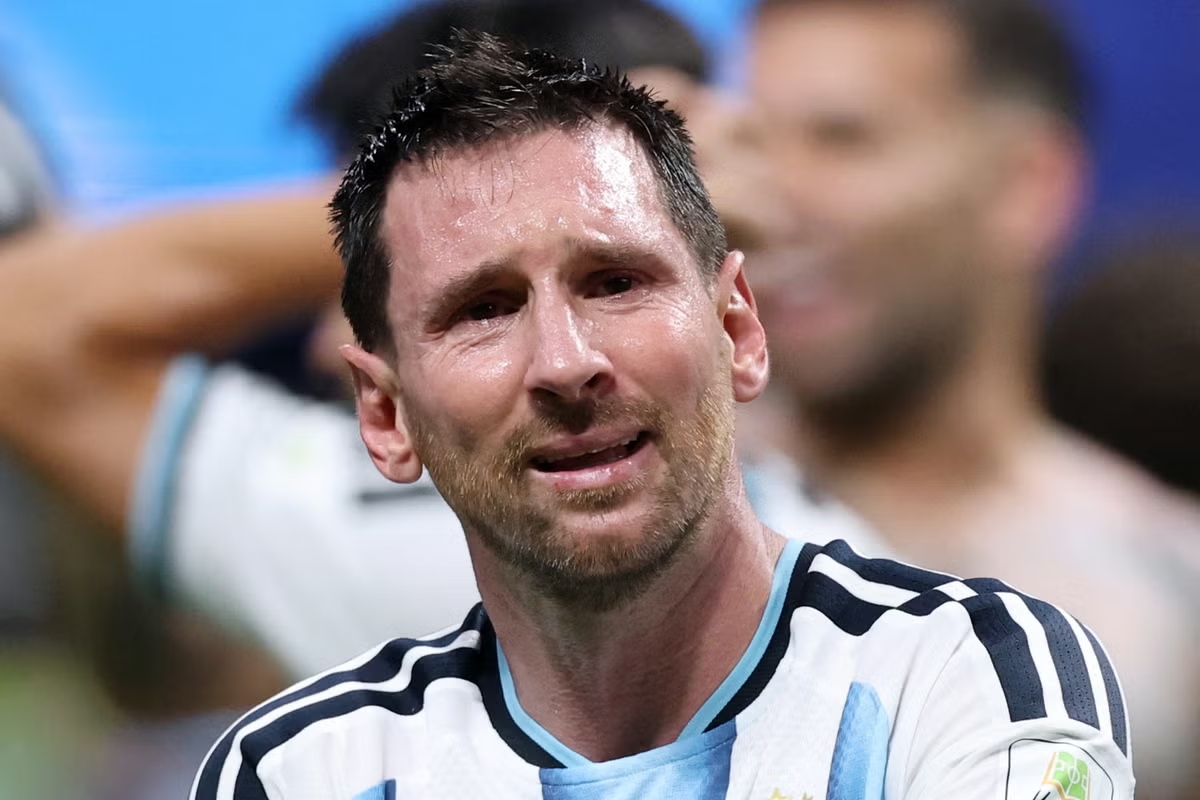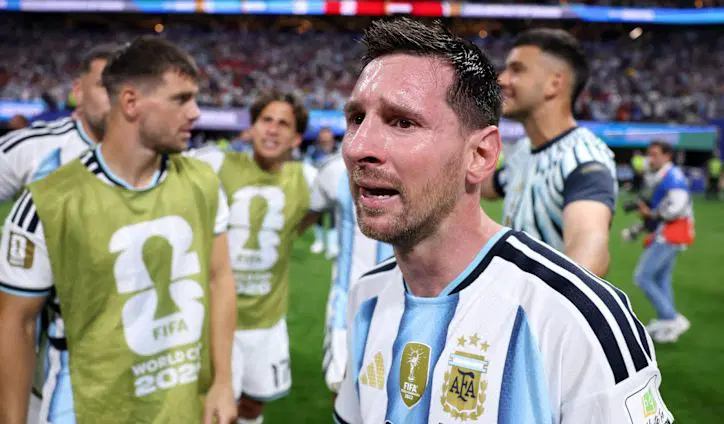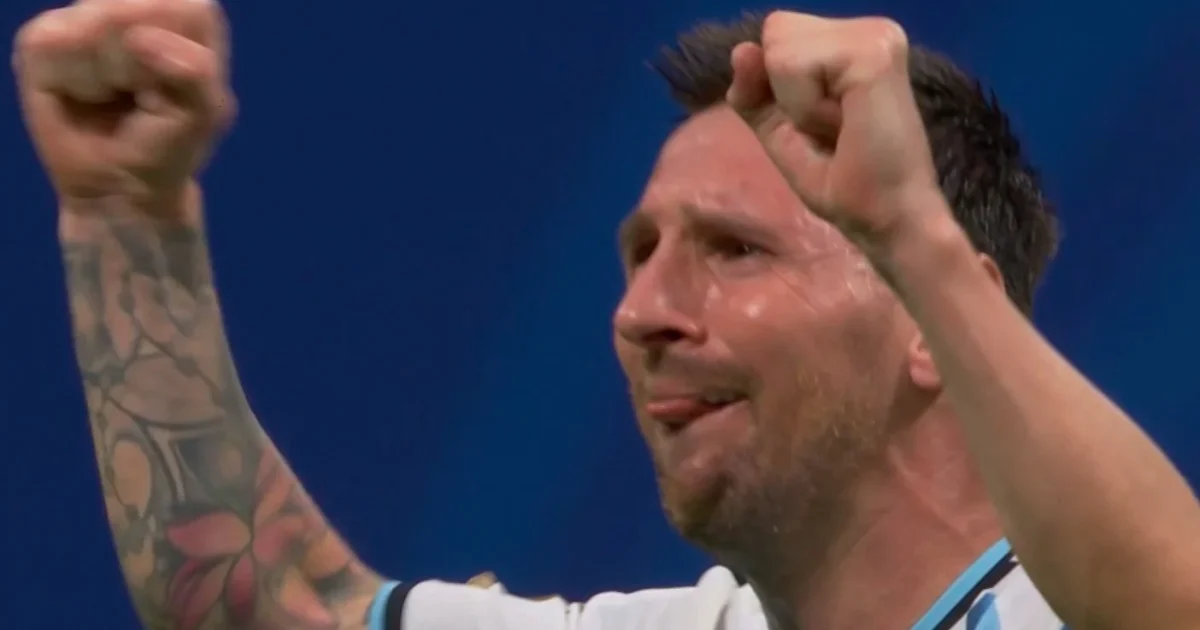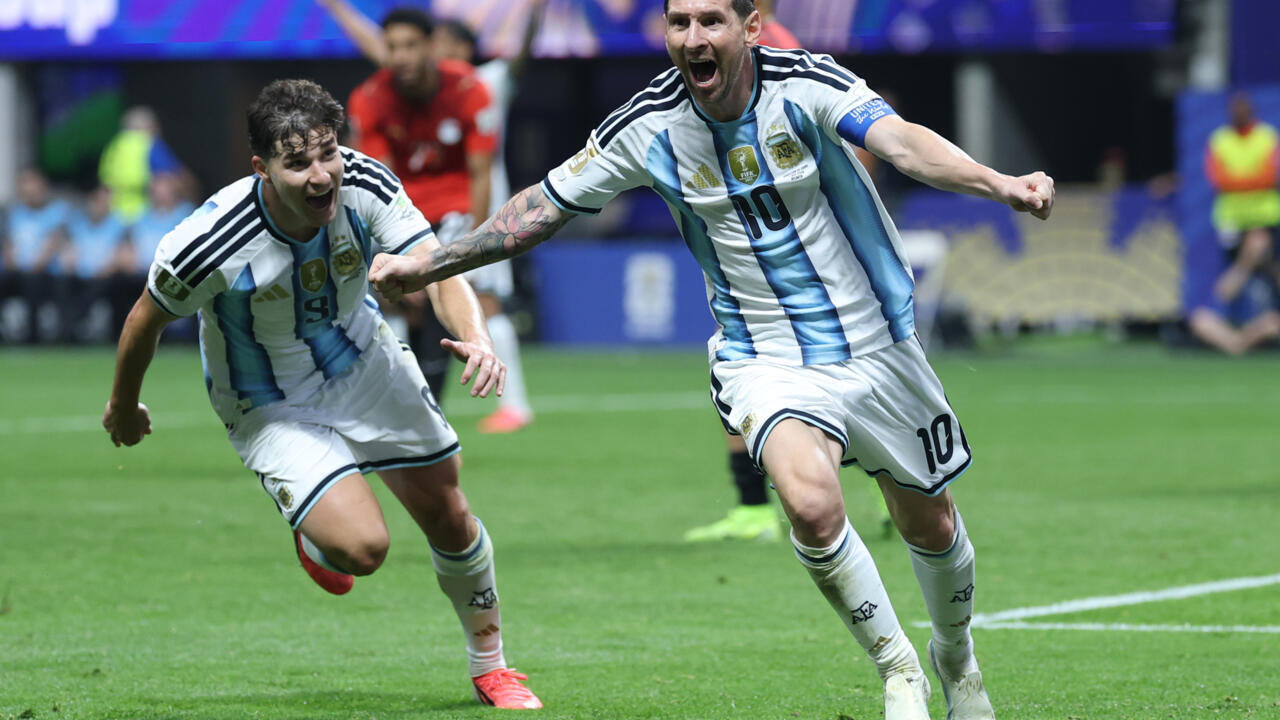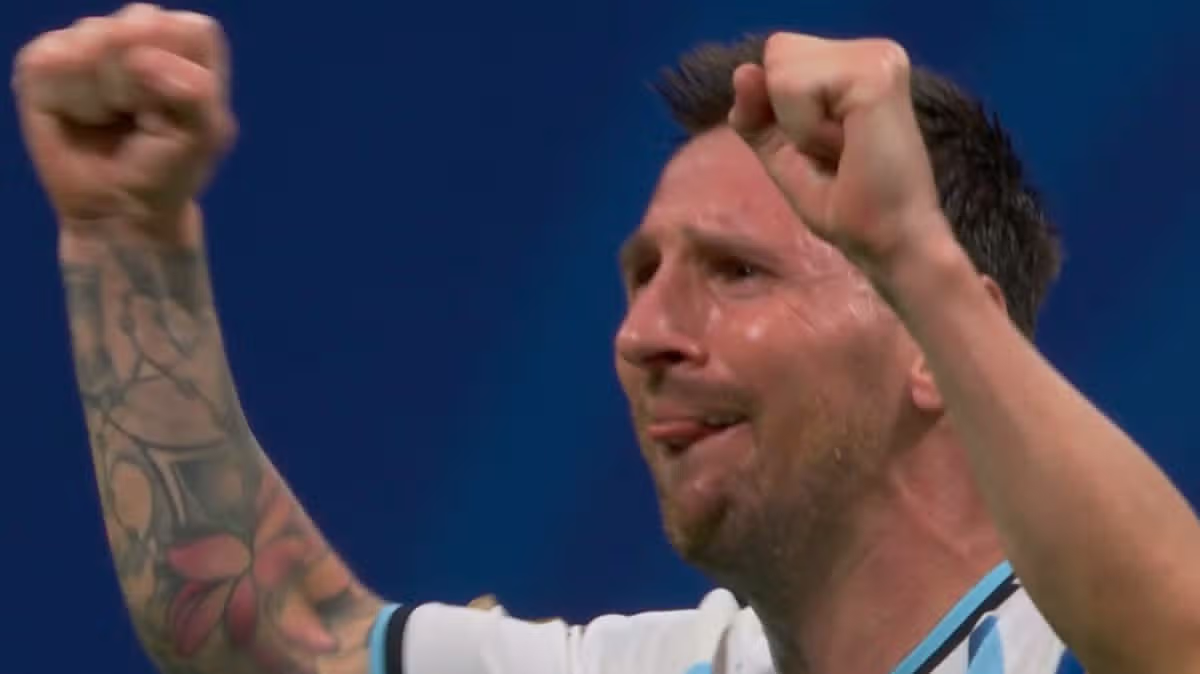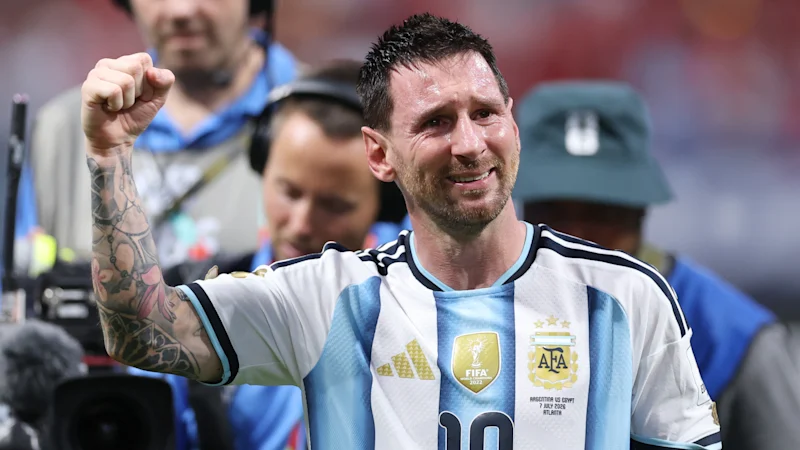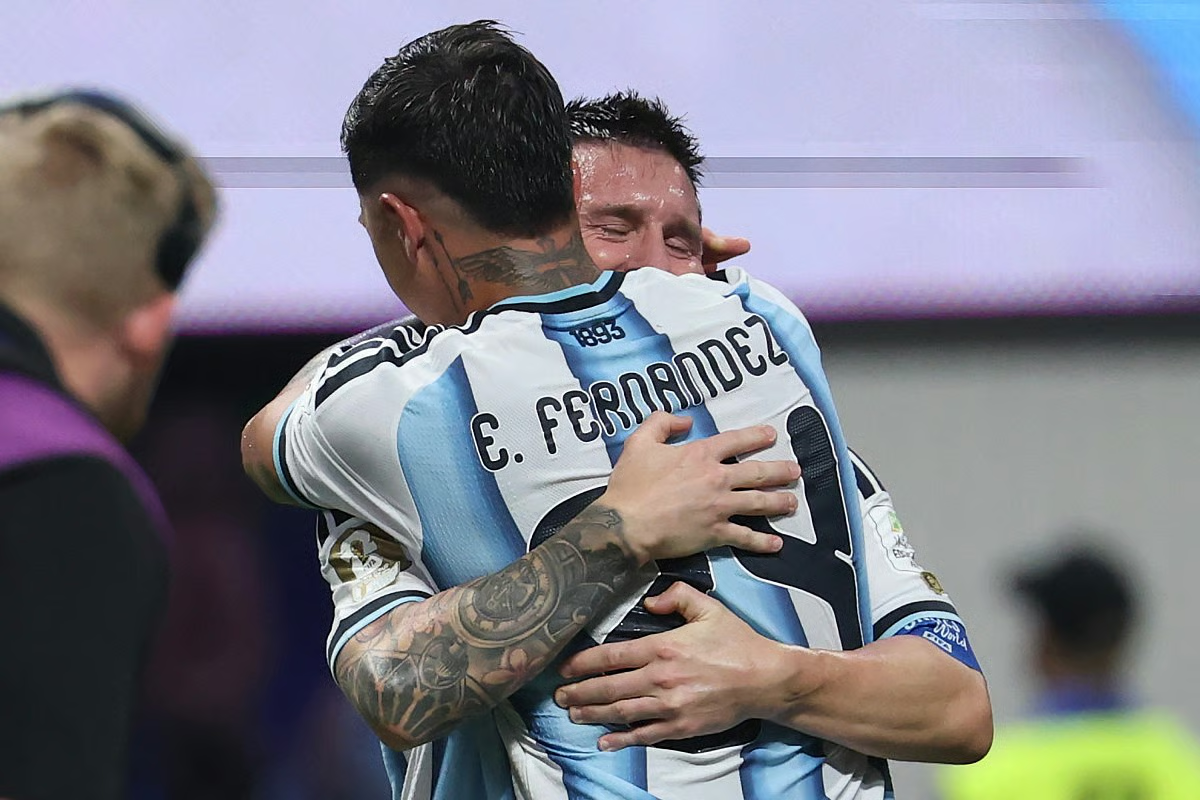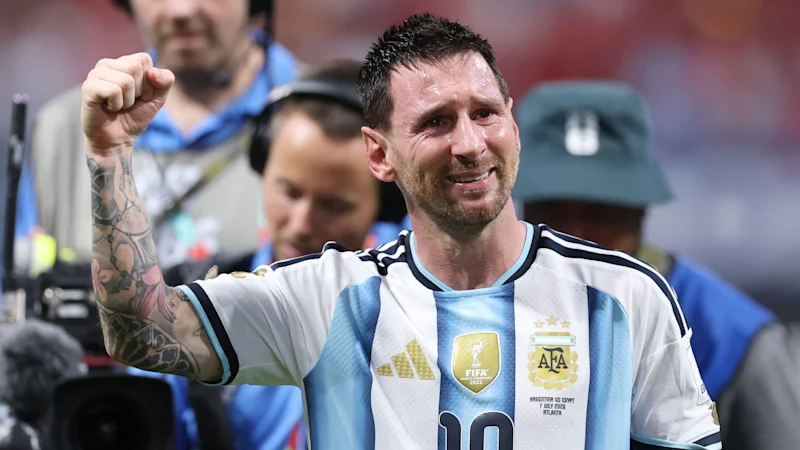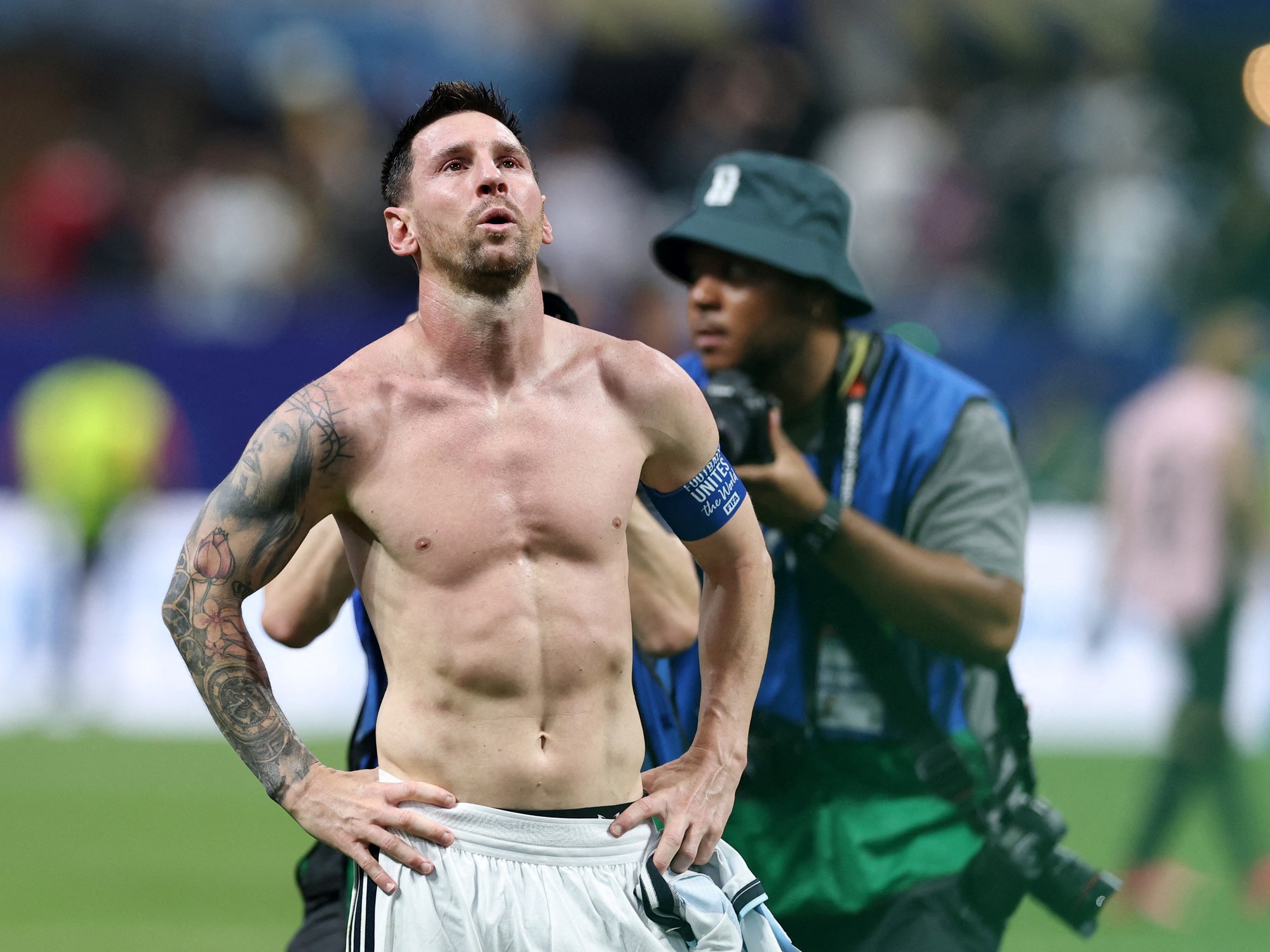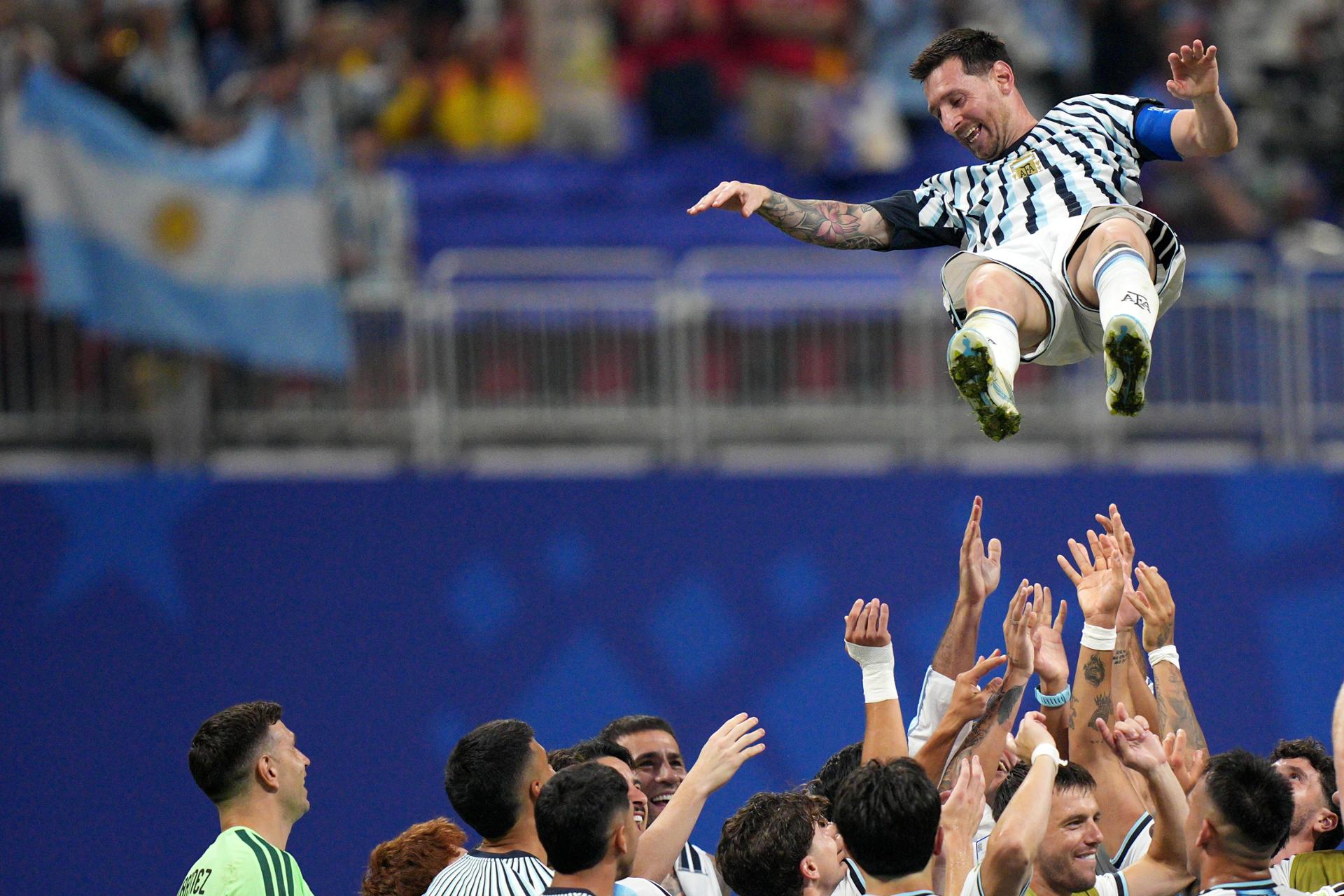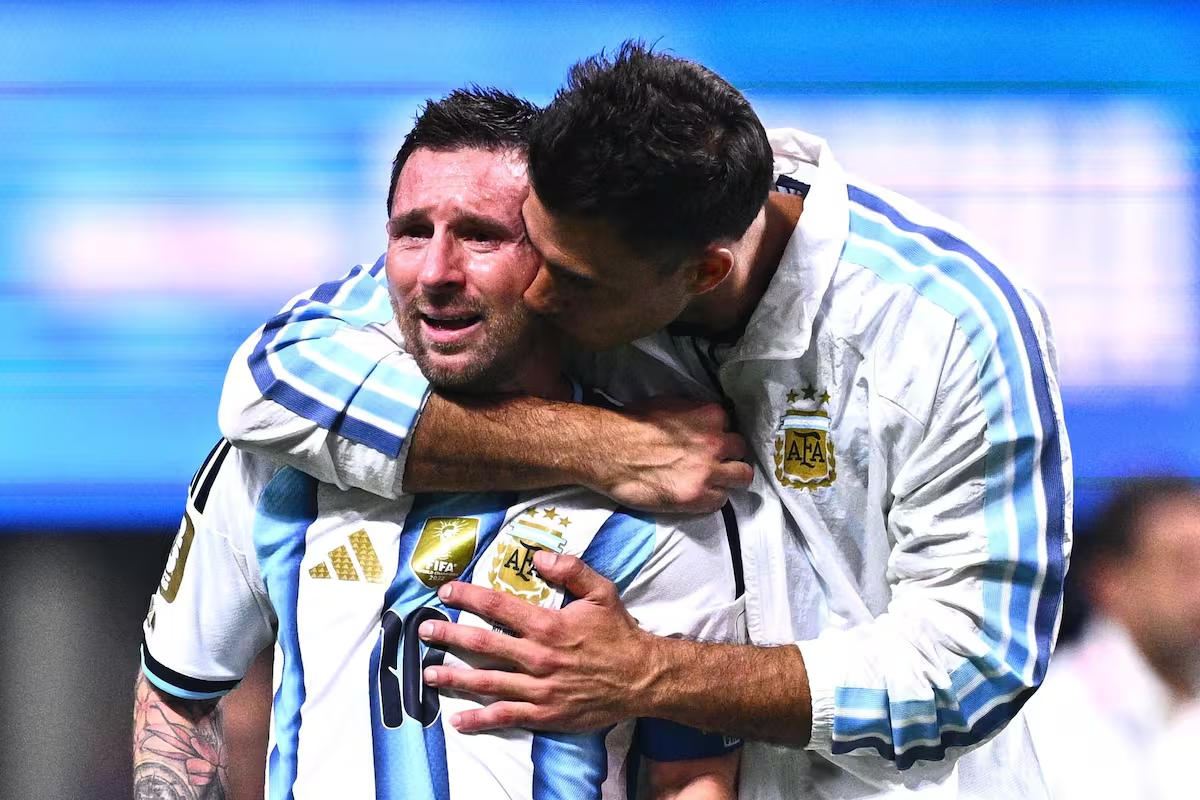
At Atlanta’s Mercedes-Benz Stadium, French referee François Letexier blows the final whistle. The retractable roof is closed, trapping the roar of Argentina’s fans seconds after they win a heroic match against Egypt in the round of 16 at the 2026 World Cup. Lionel Messi brings his hands to his face and cries. But he does it differently than before: for several seconds, drawn out and grief-stricken, as if it were a mix of release and pain.Messi’s tears, the epilogue to a heroic afternoon for ArgentinaWith almost ten minutes to go, Argentina was losing 2–0. The reigning world champion, which had come to North America to defend its title, was faltering. It was one step away from going out in the round of 16. Yasser Ibrahim had opened the scoring with a header in the 15th minute, and Mostafa Ziko had doubled the lead in the 67th. To make matters worse, Messi had missed a penalty in the first half. Egyptian goalkeeper Mostafa Shobeir spent 80 minutes as the standout player—in the wrong match.Egipto vs Argentina - Mundial 2026Then came what many call mystique, experience, or the pecking order that gets respected. Cristian “Cuti” Romero pulled one back with a header in the 79th. Messi, with a volley, made it 2–2 in the 84th. Enzo Fernández completed the comeback with a header in stoppage time, at 90+2. Three goals in a little over ten minutes. Never before in World Cup history had Argentina come back from 0–2 down.This is the Scaloneta at its purest: it suffers, it stumbles, and it finds a way not to dieAtlanta wasn’t Messi’s first time crying at this World Cup. In the opener against Algeria, the captain had broken down right after scoring the first of his three goals that night. Asked by reporters, he gave a short explanation: “It’s over something completely unrelated to football. I’ve had a few hard, complicated days.” He didn’t say much more.In Argentina, radio, TV stations, and news sites filled in the rest: Messi’s father, Jorge, 68, has been in a delicate state of health. Neither Messi nor those close to him confirmed the medical details. The only certain thing, the thing everyone saw, was a 39-year-old man crying after a goal, in what is probably his last World Cup, with an entire life poured into the jersey.An embrace in Atlanta that binds together a team that fights to the last secondThis time there was no microphone nearby, no uncomfortable question. There was a collective embrace: Cuti Romero, Enzo Fernández, Julián Álvarez, and the entire bench running toward number 10 to lift him up—literally, onto their shoulders—while Lionel Scaloni’s coaching staff celebrated off to the side, overcome with emotion.The group set him down, hugged him, and lifted him up again. Sometimes even the captains have to be carried.The only certain thing, the thing everyone saw, was a 39-year-old man crying after a goal, in what is probably his last World CupAníbal Greco - La NaciónThe other great cry that Tuesday’s match against Egypt brought to mindThere’s a precedent that every Argentine or Barcelona fan has etched in memory. On August 8, 2021, in the Camp Nou auditorium, Messi walked into a press room in a suit and couldn’t get a word out. He had lost his club: Barcelona, drowning in debt, couldn’t register his renewal under LaLiga’s financial fair play rules. In the front row sat Antonela and their three boys, Thiago, Mateo, and Ciro.“I spent my whole life here, and I wasn’t ready to leave,” he managed to say, before his voice gave out entirely. Twenty-one years had passed since he arrived at 13 to try out for the youth academy. He was leaving, he said that afternoon, with a promise to come back someday. Qatar 2022 didn’t exist yet.The tears in Atlanta and the tears in Barcelona don’t share the same cause, but they do share the same core: both are the same anguish, that of a man who built his entire life on a soccer field and who, every so often, shows right there everything he can’t say anywhere else.Messi answered with a crucial goal at a critical moment, and with tears that hold something backAníbal Greco / Enviado Especial - LA NACIONArgentina advances to the rhythm of Italy ’90Outside the stadium, Atlanta sweats through its summer at 90°F (32°C), with a humidity that soaks into your clothes before noon. Meanwhile, some are already drawing the parallel to the 1990 World Cup.That squad, champion in Mexico ’86, arrived in Italy without the shine of four years earlier—suffering, winning by the narrowest margins, all the way to a final lost in the dying moments. This team, champion in Qatar ’22, arrives in North America in a similar way: without the dazzling soccer of back then, but with the same obsession not to let go of the title.Never before in World Cup history had Argentina come back from 0–2 downCanchallenaIn Rosario, in Miami, in every home across the U.S. Hispanic community where an albiceleste jersey hangs from a window, or every Latino bar that closed early to watch the match, the question is the same: is there enough heart left for another final? For now it doesn’t matter, because for Argentines there’s only room for letting it all out, after more than 100 adrenaline-soaked minutes.La emoción de Enzo Fernández al hablar de Lionel MessiMessi answered with a crucial goal at a critical moment, and with tears that hold something back. The squad carried him on their shoulders when the weight seemed too much. This team has learned just that: to hold him up when he can no longer carry the weight alone.Lionel MessiDeportes USASelección argentina
Don’t Cry, Argentina—Messi’s Here
Down 2-0 in the second half, Argentina scored three times in the closing minutes to beat Egypt in the round of 16 of the 2026 World Cup; Messi wept—and his teammates carried him
946 words~4 min read