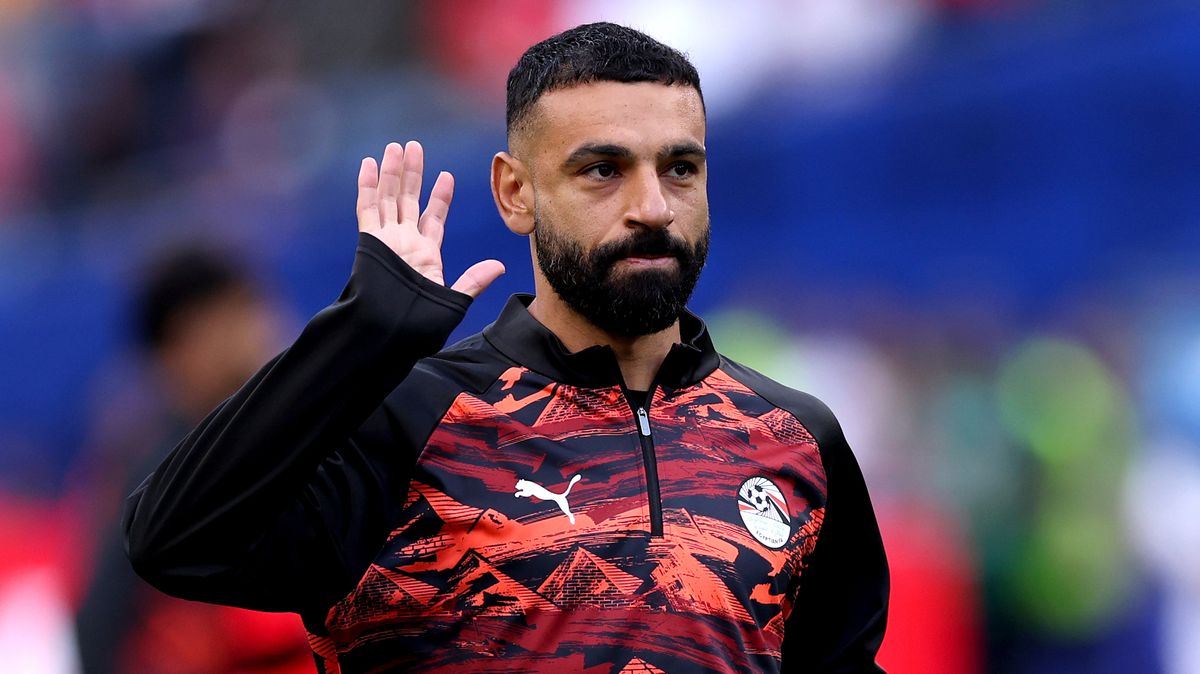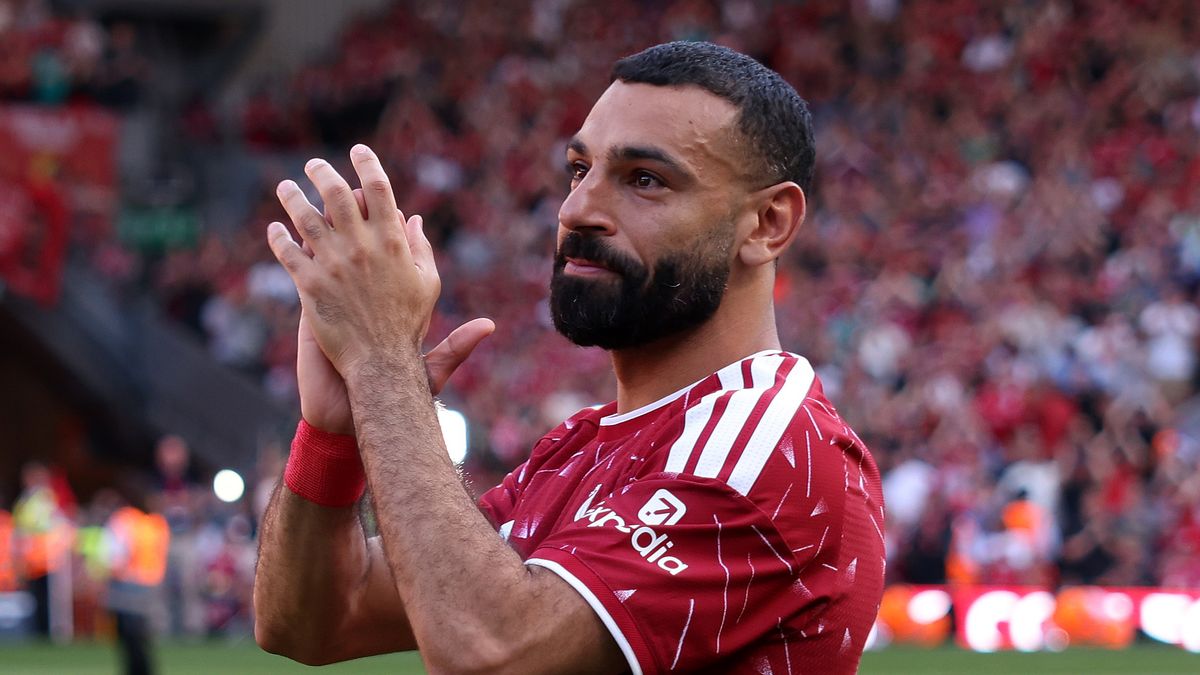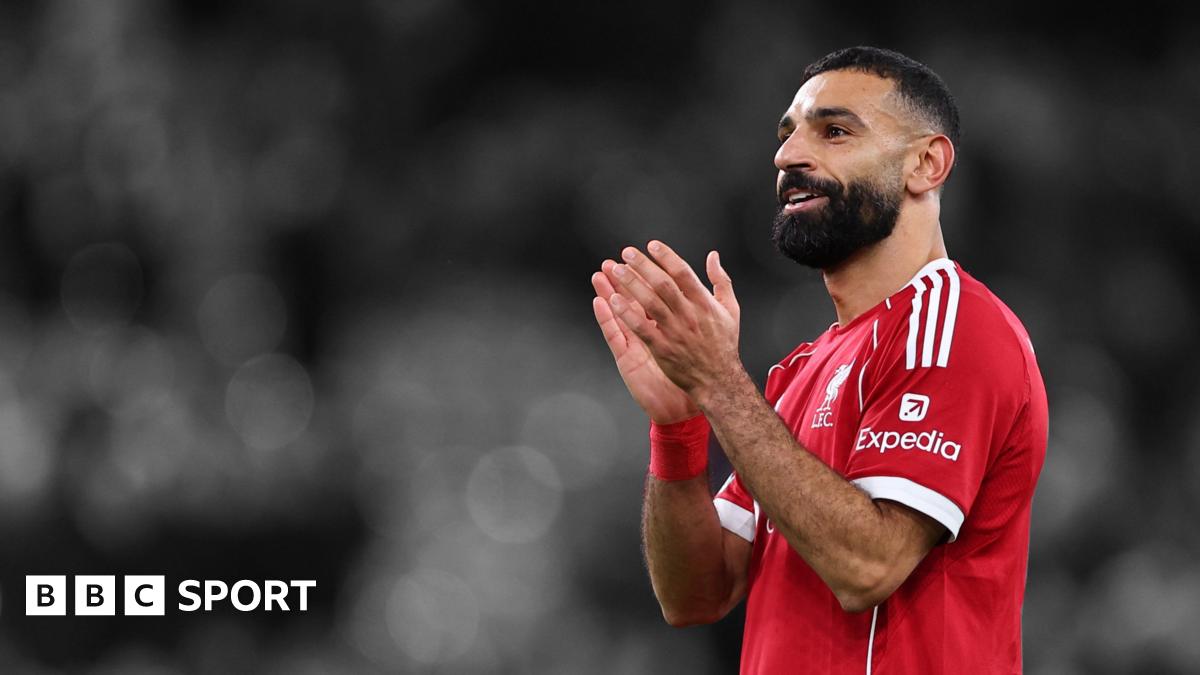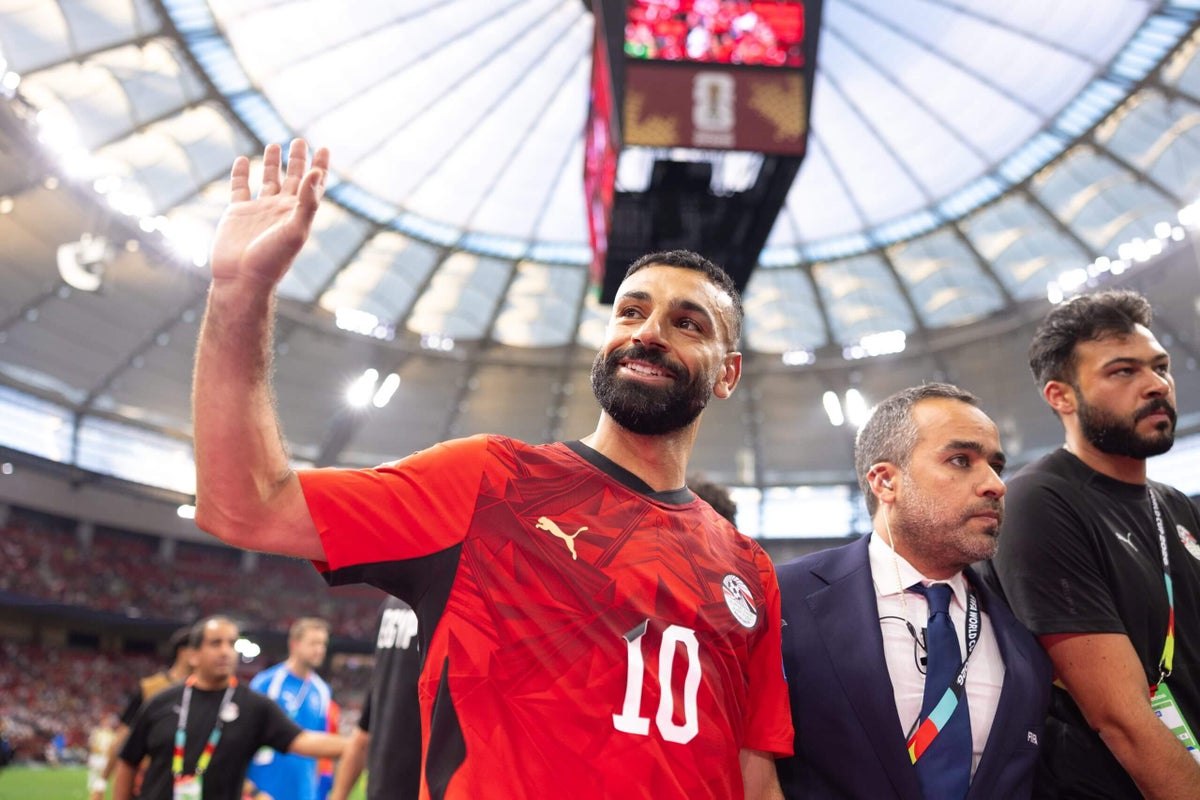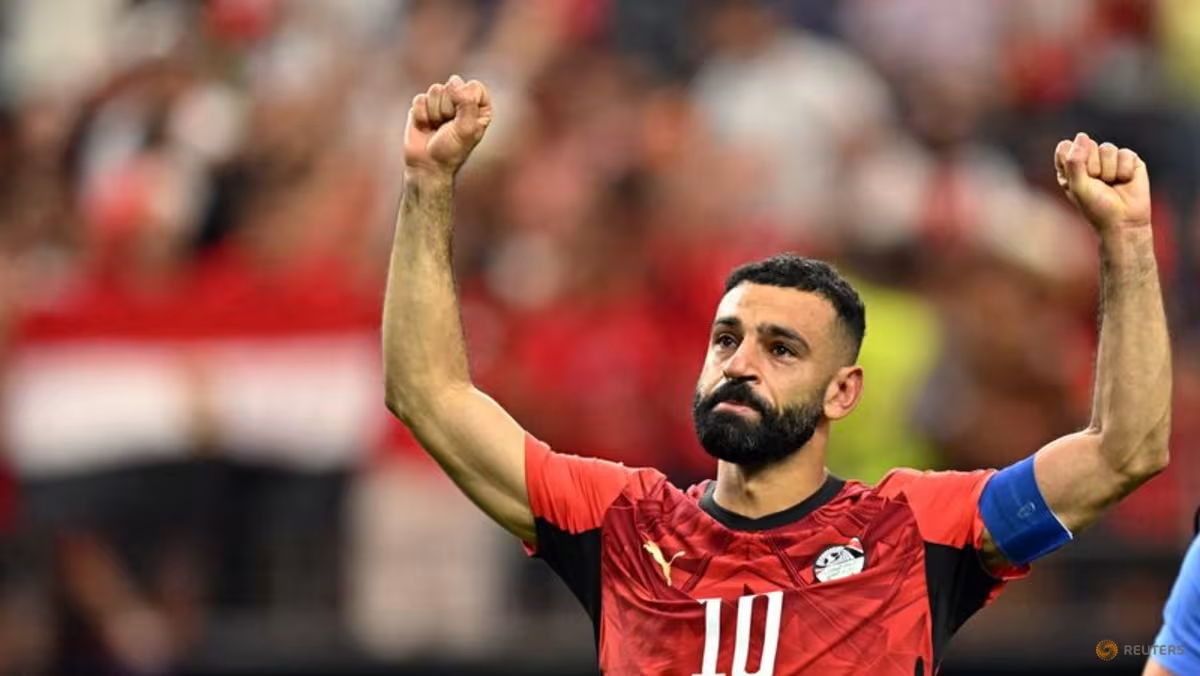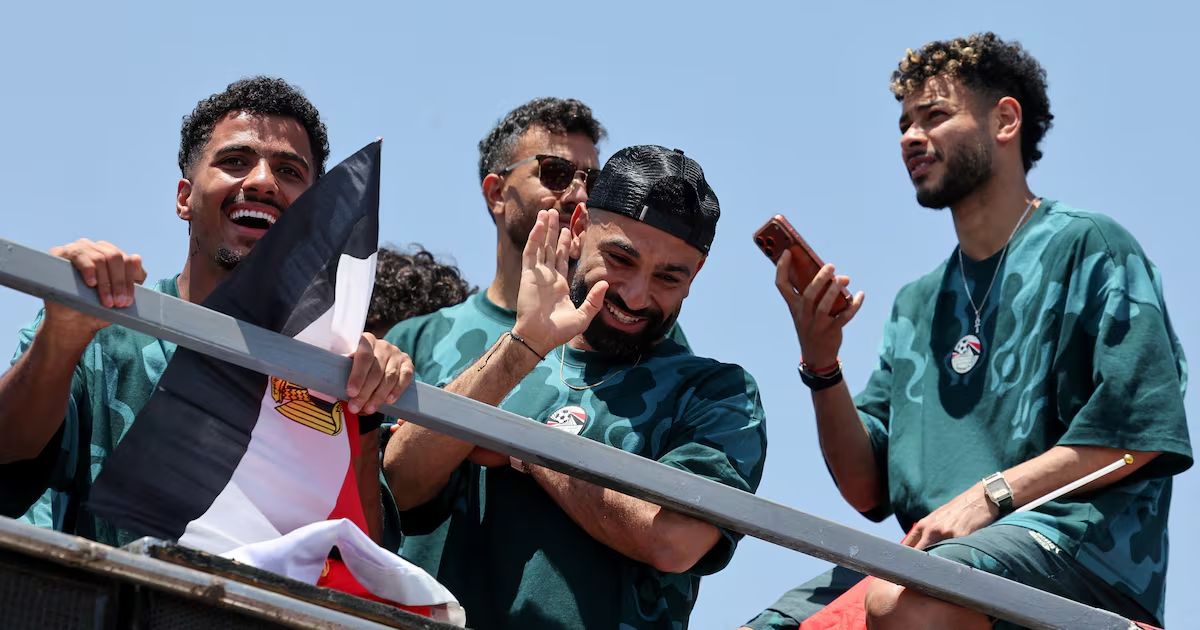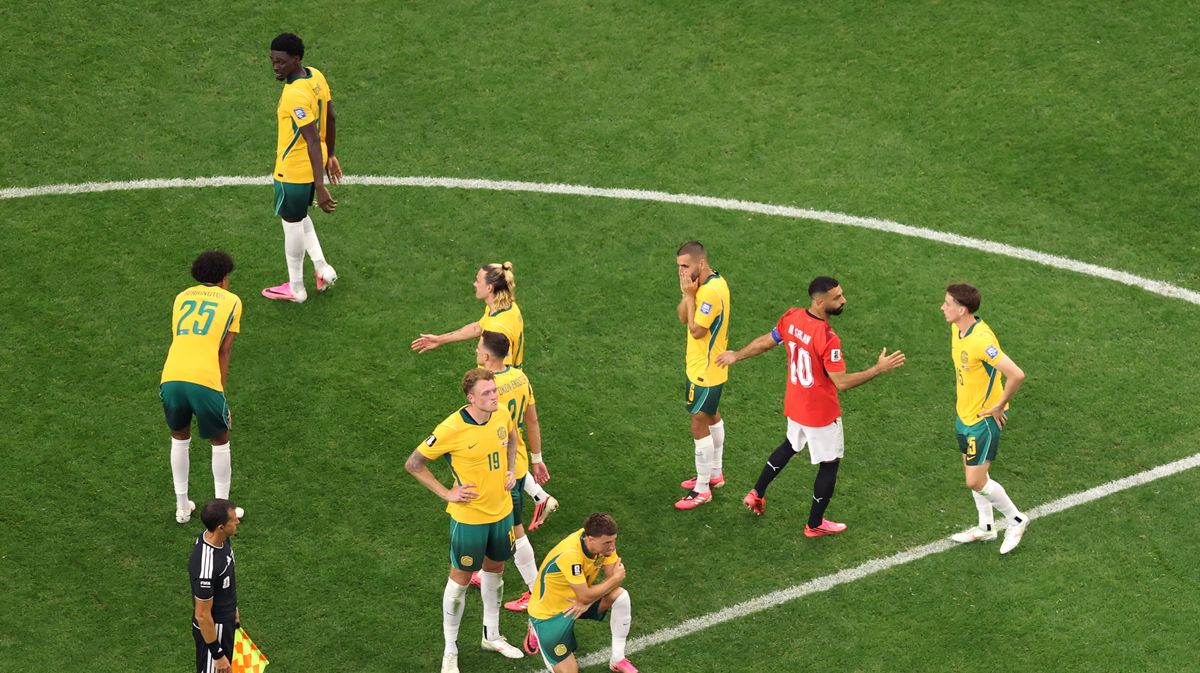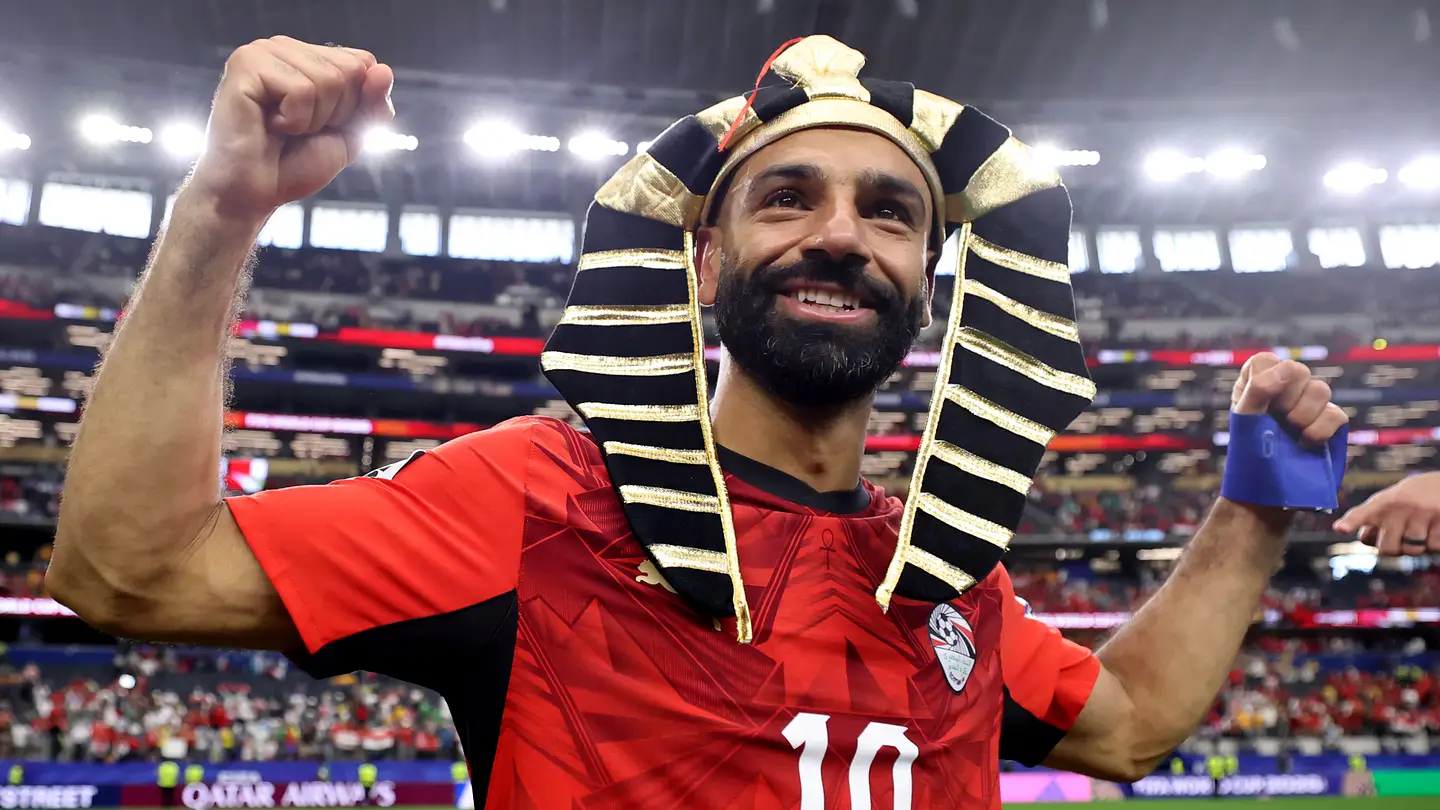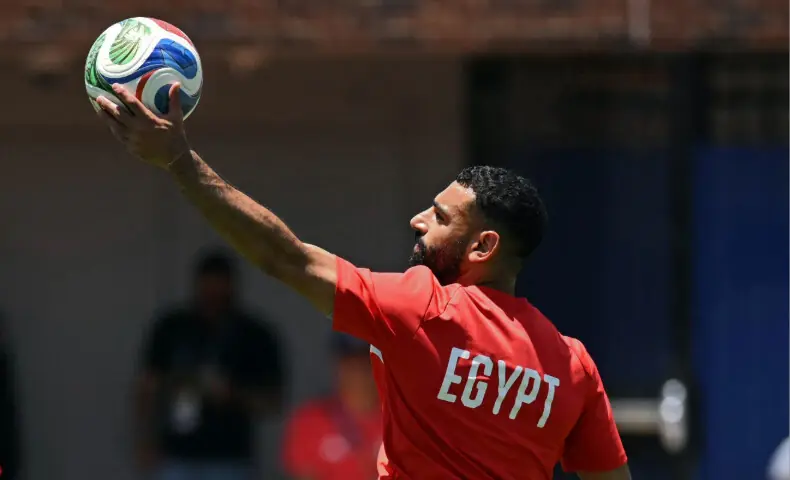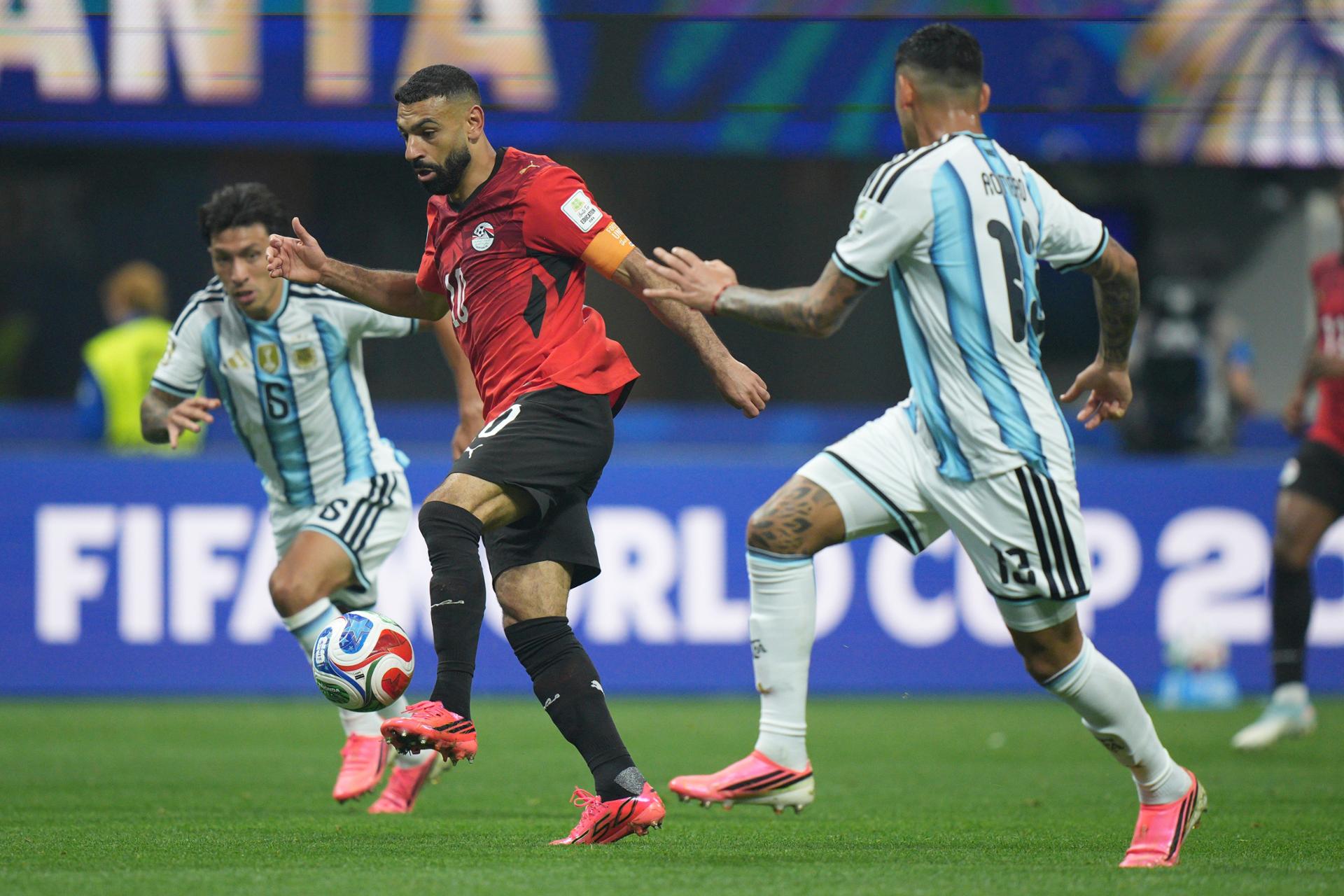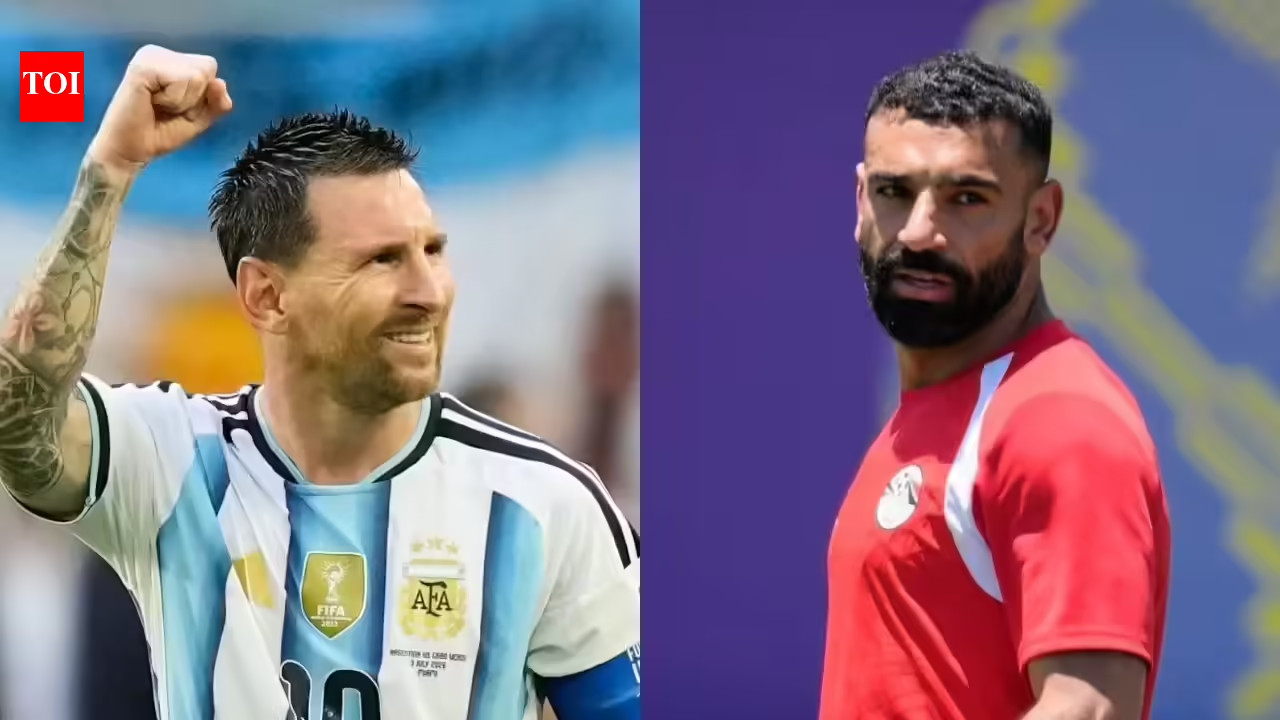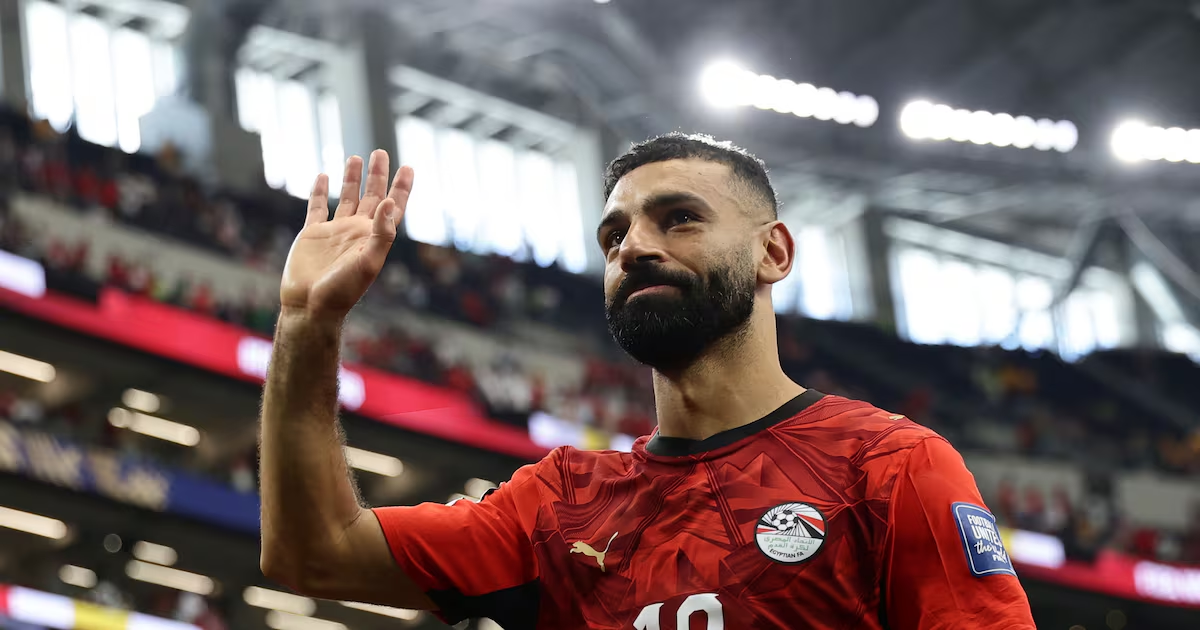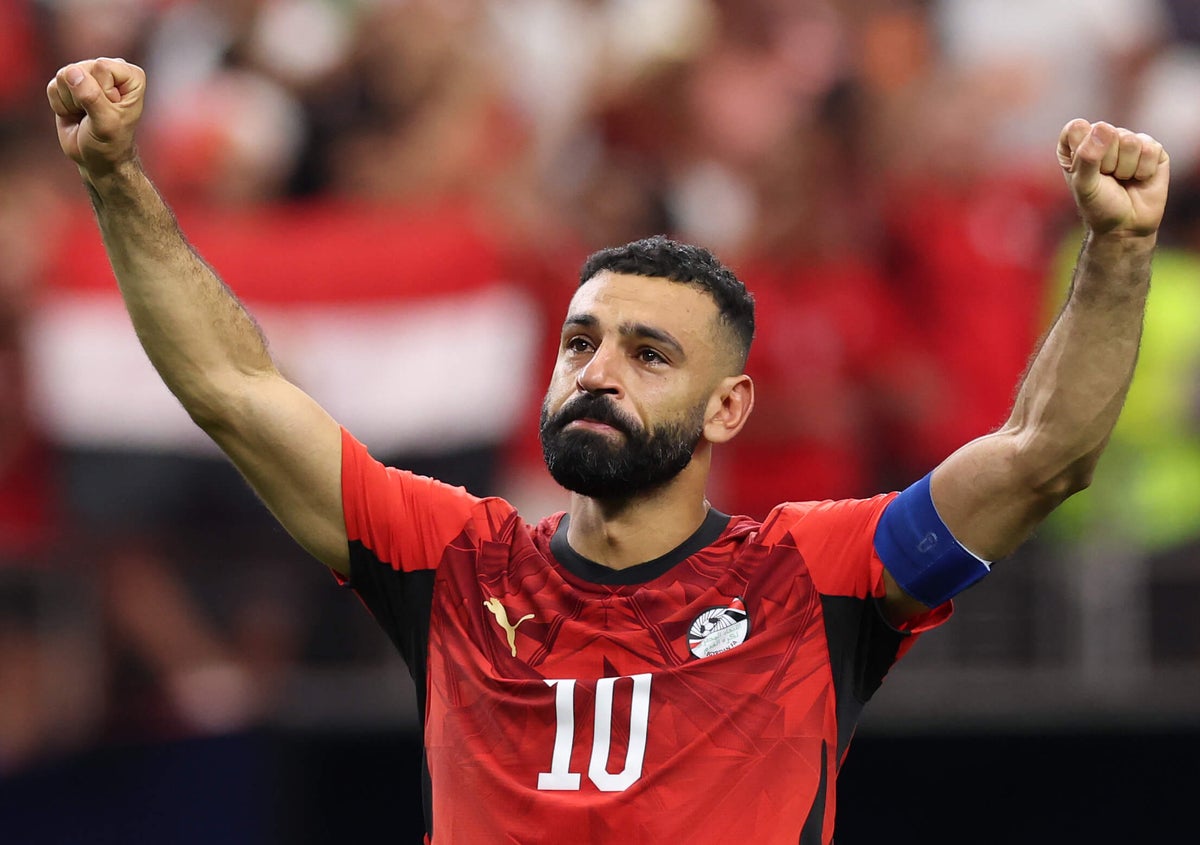
In the end, just as everyone else in the stadium was losing their heads amid a scene of unhinged magnificence, Mohamed Salah and Lionel Messi stood apart from it all, shaking theirs, yards from one another.This had not been one of those occasions when these two great players spent their time, as they can these days, scanning the terrain and waiting for an opportunity to jolt into life, sometimes making it seem like their gentle walk across a green has been interrupted by the breakout of a football match.For Argentina and Egypt all hands, instead, were firmly pressed to the pump. Salah’s abundance of desire, considering fitness concerns, underpinned an Egyptian performance that threatened to end with one of the greatest shocks in World Cup knockout history. Messi’s refusal to let that happen ultimately explains why Argentina instead, somehow, went through.Messi missed a first-half penalty but summoned the spirit to score Argentina’s equaliser after being 2-0 down with 11 minutes of normal time remaining. Considering he fluffed another spot-kick against Austria, he now has only eight goals but he still stands alone as this competition’s leading scorer. Salah, meanwhile, reminded against Argentina, as he has done over the last month, that he can be a force for good after a bad time at Liverpool last season. Messi and Salah played key parts in an epic encounter (ROBERTO SCHMIDT / AFP via Getty Images)His experience has been crucial in the journey of Egypt as a country that had never won a match at the World Cup to one that was able to navigate its way through the groups and a knockout round for the first time in its history to the brink of the quarter-finals.These are all significant achievements. If they were easy to deliver, 39-year-olds before Messi would have scored hat-tricks at this tournament and Egypt would not have waited 92 years to celebrate a victory of any kind at the World Cup.Salah, of course, scored the decisive goal that tilted Egypt into a lead in that match against New Zealand. He would then hold his nerve to execute a ‘Panenka’ penalty in the round-of-32 shoot-out against Australia.Salah later acknowledged he was taking a huge risk because it might have been the last touch of his World Cup career, but he decided to try it because he thought it would give his team-mates more confidence.Salah kept his cool and showed his class with his penalty against Australia (Thomas COEX / AFP via Getty Images)Some have interpreted the comment as Salah’s way of telling everyone that his international career will be over soon. Yet he knows he will be 37 (going on 38) when the next World Cup starts, and he knows there is no guarantee Egypt will qualify. Perhaps clarity will follow but he also knows that after 2030, there is the prospect of his 40s and the host being Saudi Arabia, a state he might ultimately experience sooner rather than later because of offers from its clubs following his release from Liverpool.
What next for Mohamed Salah after Egypt’s dramatic World Cup exit?
Egypt and Salah are heading home. But what are the options in club football for the former Liverpool forward?
1,256 words~6 min read