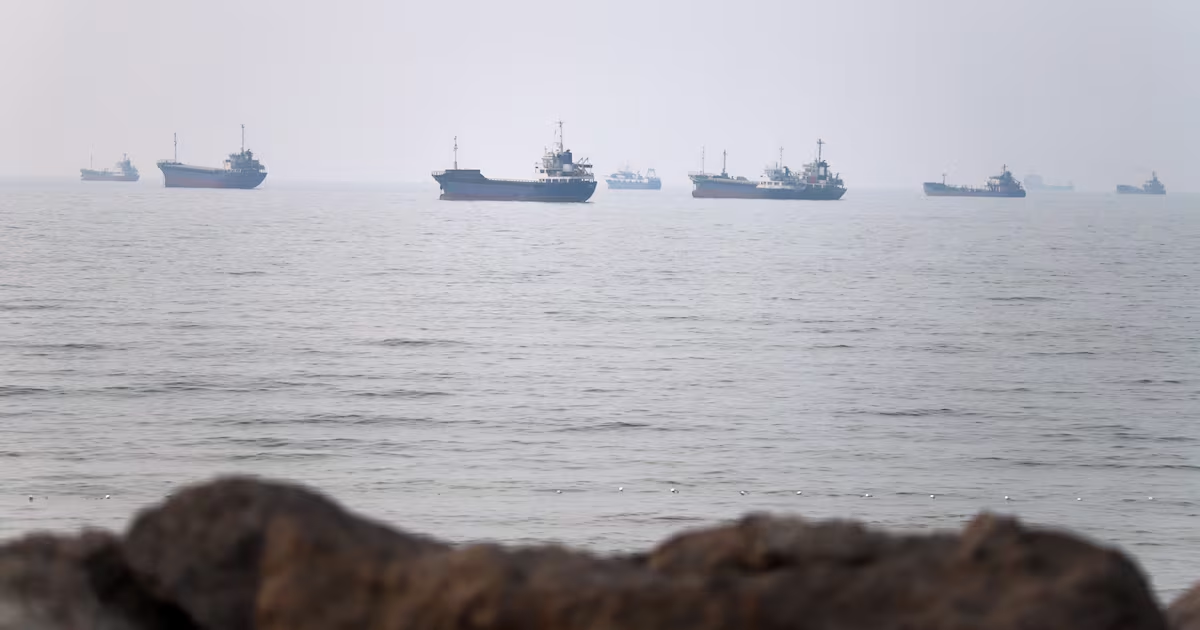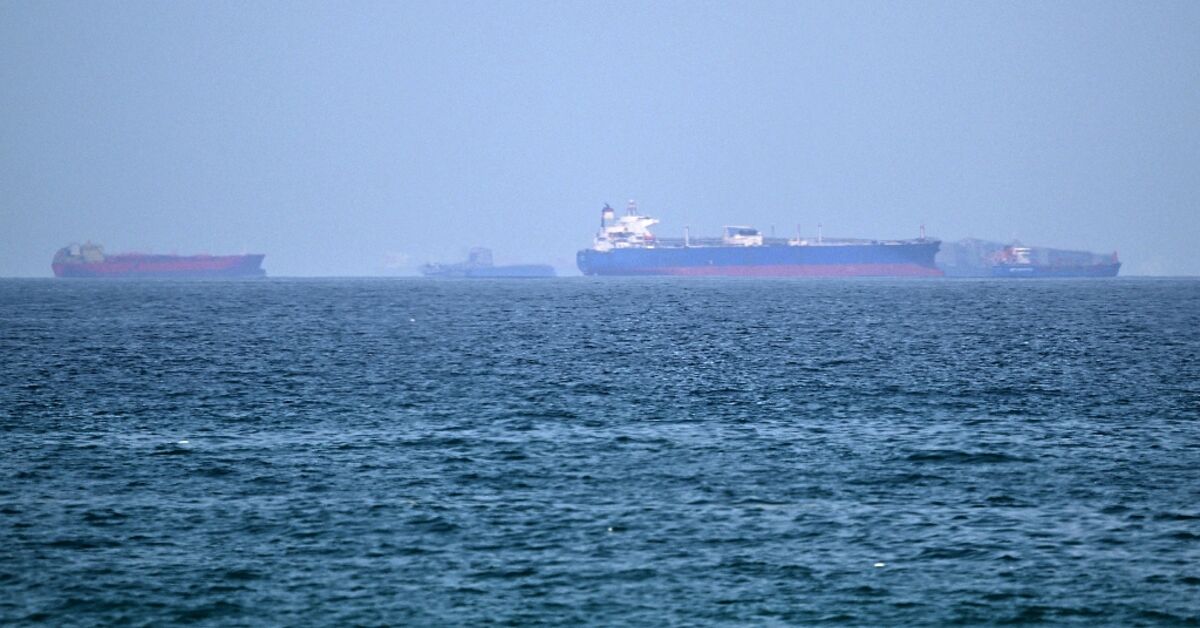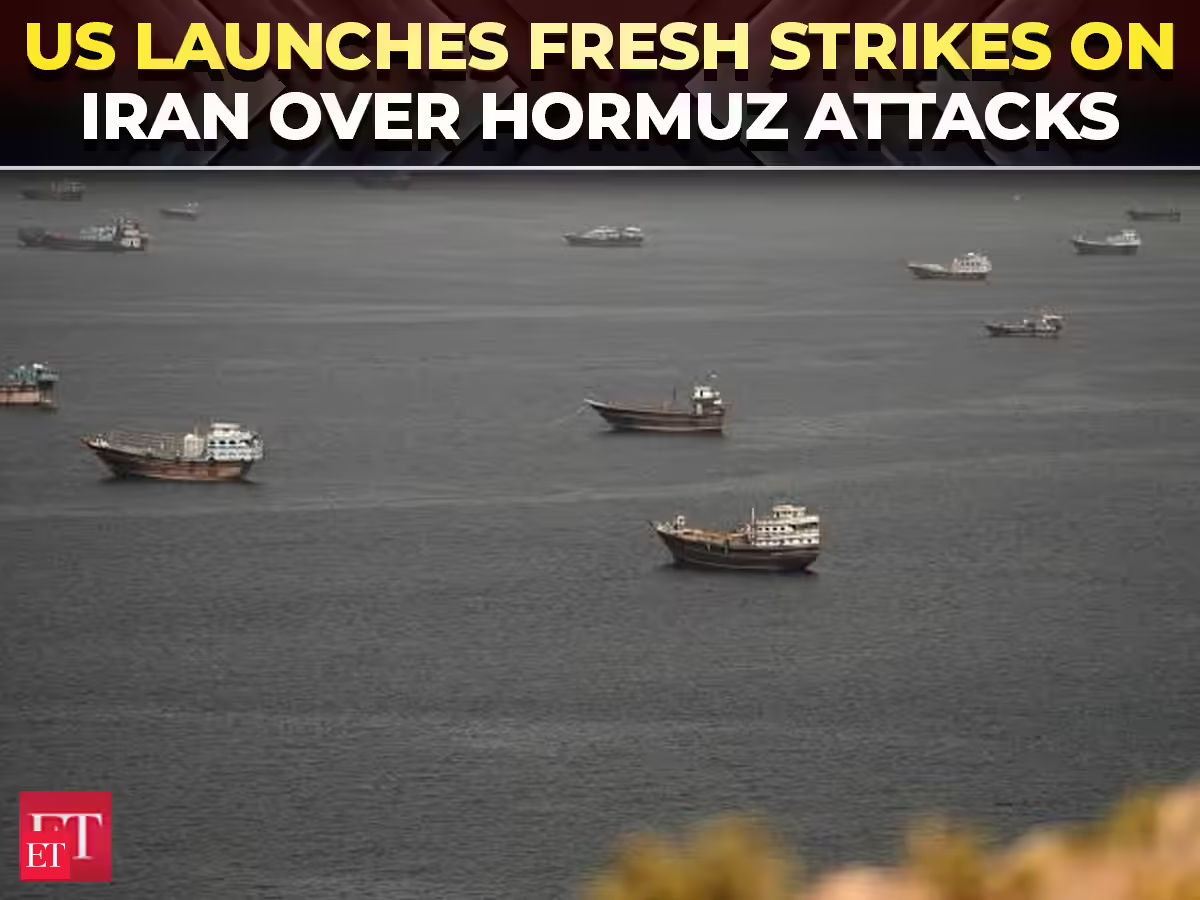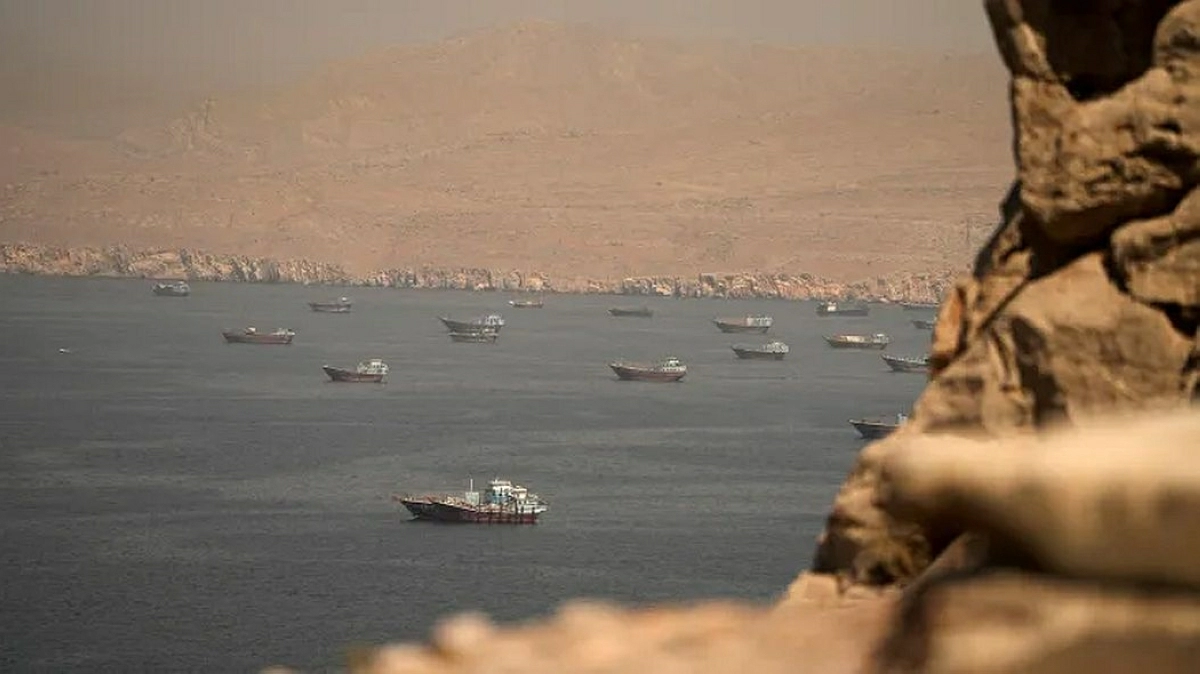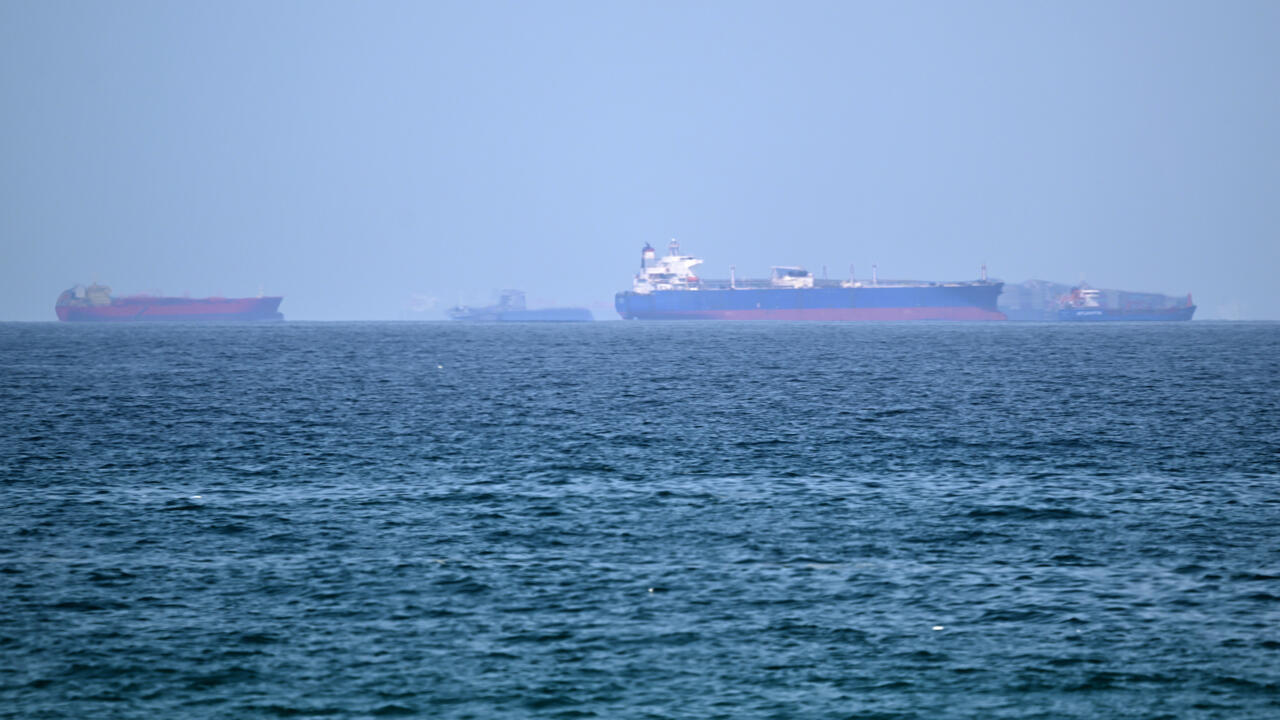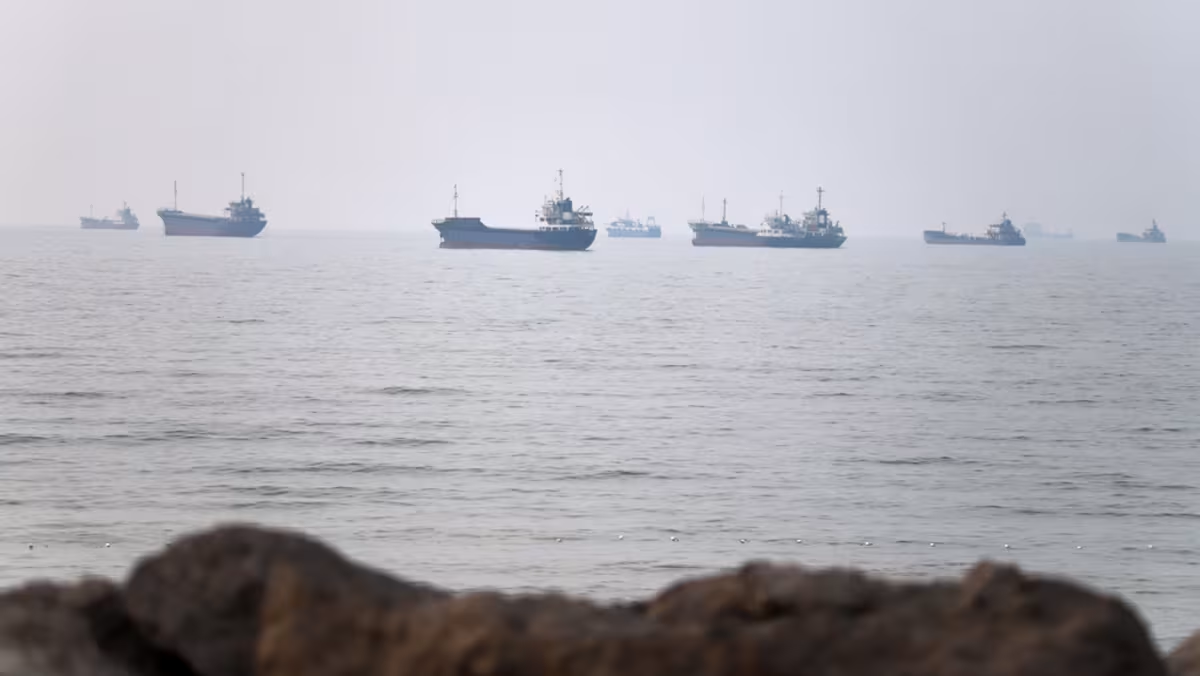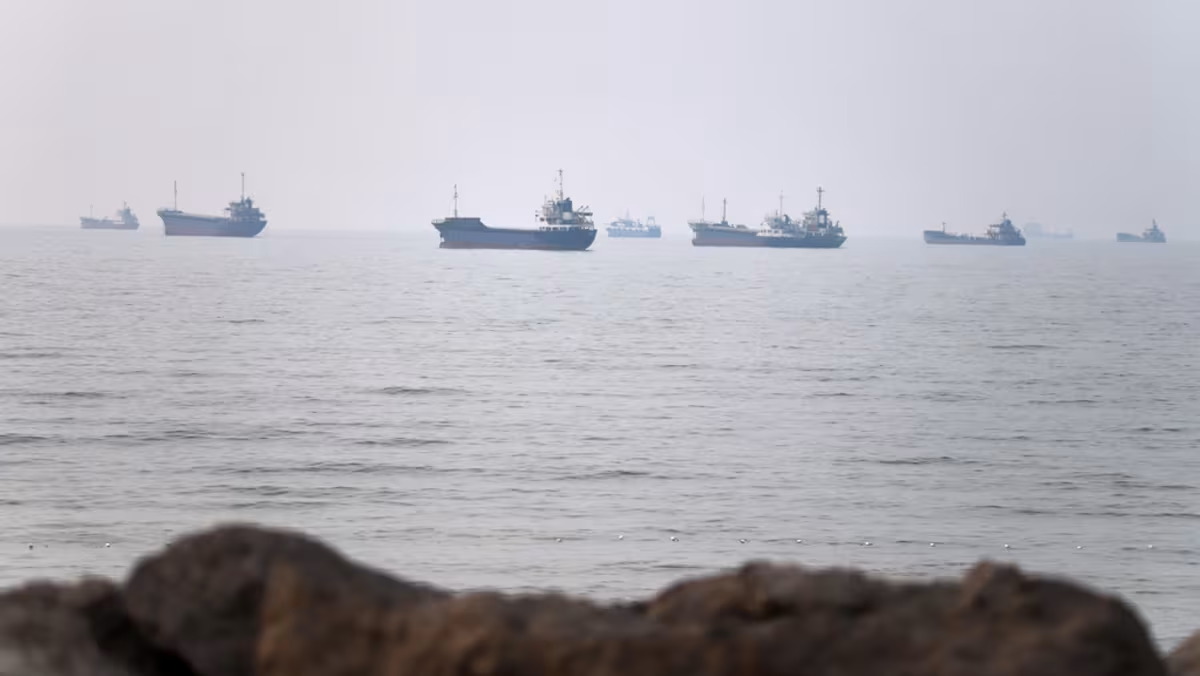
Ryan Patrick JonesUpdated July 8, 2026 — 7:37am,first published 7:29amWashington: The US military has launched a series of strikes against Iran, US Central Command said in a post on X on Tuesday, adding that the strikes were in response to what it said were Iranian attacks on three commercial vessels that were transiting the Strait of Hormuz.“U.S. Central Command forces have begun launching a series of powerful strikes against Iran to impose heavy costs for targeting and attacking commercial shipping,” a US military statement said.“Iran’s demonstrated aggression was unwarranted, dangerous, and a clear violation of the ceasefire,” it added.It was unclear what specifically the U.S. targeted but Iranian media said six projectiles hit the area of Taheroui pier in Sirik in southern Iran.This marks the first known US military strikes against Iran since late last month, when there were several days of strikes and counterstrikes between the two.Previous US attacks on Iran have sparked retaliatory strikes by Iran on Gulf Arab states.The USS Abraham Lincoln conducting U.S. blockade operations related to the Strait of Hormuz on April.Getty ImagesThe renewed assault threatens the interim deal reached last month, with the US and Iran both saying the strikes violate that initial agreement. It will add to the difficulty of the negotiations aimed at fully reopening the strait, rolling back Tehran’s disputed nuclear program and reaching a permanent end to the war launched February 28.Earlier, on Tuesday (US time), the US re-imposed sanctions on Iranian oil, with a US official warning that Iran’s attacks on vessels in the Strait of Hormuz were “wholly unacceptable” and would be met with consequences.The US Treasury had authorised last month Iran oil sales until August 21 as part of the fragile agreement between Tehran and Washington. The revocation cuts that wind-down period to an end date of July 17.Three tankers have reported being struck by unknown projectiles in and near the Strait of Hormuz in recent days, the British navy-affiliated agency United Kingdom Maritime Trade Operations said in a report.The new assaults in the fuel-shipping waterway were the most in a single day since late April, according to the U.N. International Maritime Organisation.One tanker was travelling off the coast of Oman when it was hit and caught fire, UKMTO said. Iranian state television said the liquefied natural gas tanker came under attack after ignoring warnings but did not directly claim the assault.Majed Al-Ansari, a spokesperson for the Qatari Foreign Ministry, said the Qatari tanker Al Rekayyat was targeted in an “unacceptable attack” on international navigation and global energy security. He called it a “serious and explicit violation” of international law.In a post on X, he said Qatar holds Iran “fully legally responsible.”The other two ships sustained some damage, but no one was injured, and both continued on their way, the maritime agency said.Tehran, which has repeatedly declared that only its approved route through the strait is safe, is suspected of attacking other ships that have used another route close to the Omani shore.Location details provided by the UK agency showed that all three attacks occurred off the coast of Oman or the neighbouring United Arab Emirates, making it likely that the ships were using the route near Oman.The fresh attacks on the tankers threatened to choke off the flow of traffic in the strait just as countries hoped to restore normal shipping practices and ease the global economic strain of the war. Following the attacks, maritime authorities raised the threat risk for vessels transiting the waterway to “severe”.There was no immediate comment from Tehran, or any claim of responsibility.“This is not a small step by Washington,” Brett Erickson, managing principal at Obsidian Risk Advisors said of the sanction move. The revoked license “was one of the concessions Iran needed to justify lifting its blockade over the Strait of Hormuz”.Iran’s foreign ministry condemned the revocation, saying the decision breached the Islamabad memorandum on ending the war and holding Washington responsible for the consequences.The ministry said Iran would take any measure it deemed necessary to safeguard its interests and national security.The US is eager to press ahead with negotiations with Iran aimed at fully reopening the strait, rolling back Tehran’s disputed nuclear program and ending the war.Previous attacks in the strait have sparked retaliatory strikes by the US. Iran then attacked Gulf Arab states.In peacetime, a fifth of all traded oil and natural gas passed through the channel.More to come.Reuters, APFrom our partners
US military launches new ‘powerful strikes’ against Iran after ship attacks in Strait of Hormuz
The strikes were in response to what it said were Iranian attacks on three commercial vessels that were transiting the waterway, US Central Command said.
734 words~3 min read