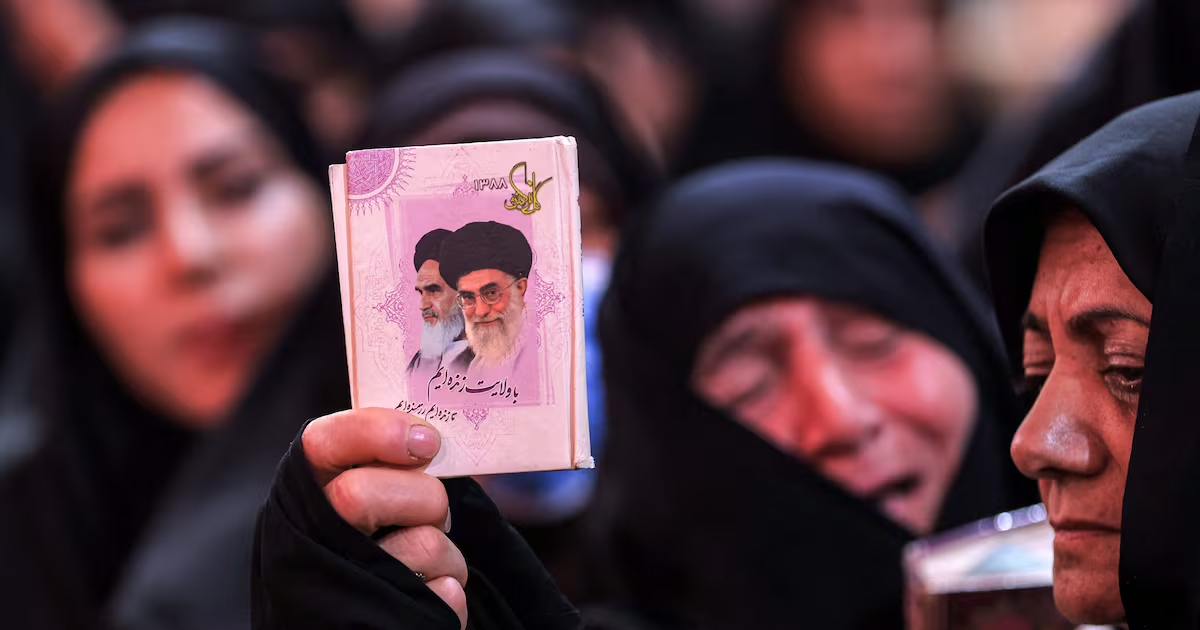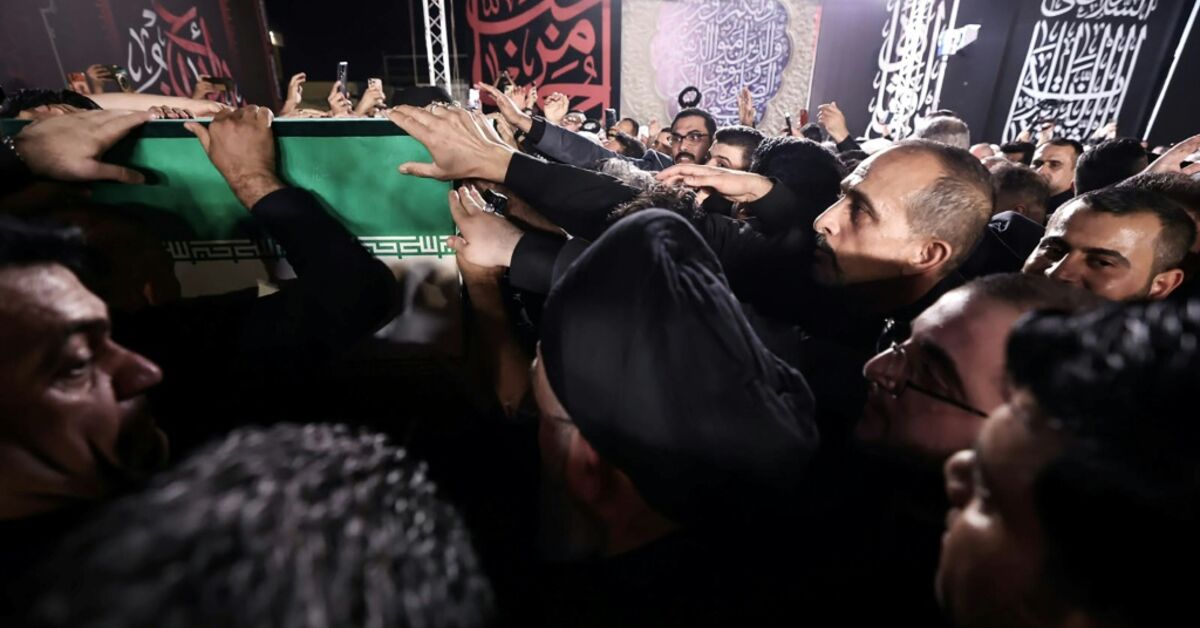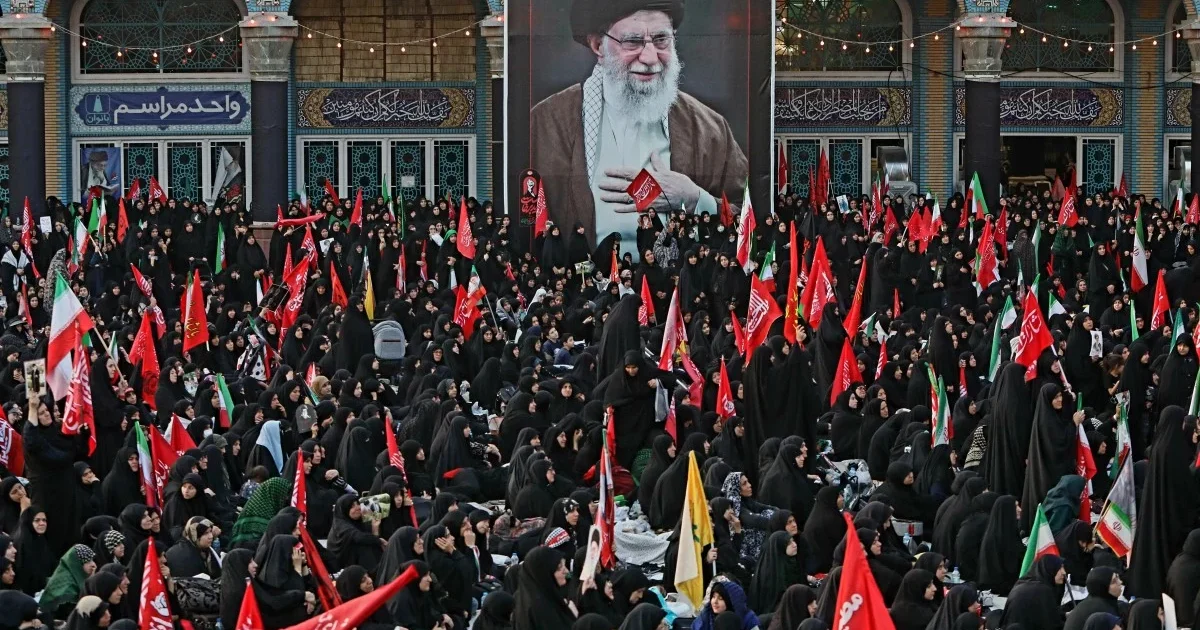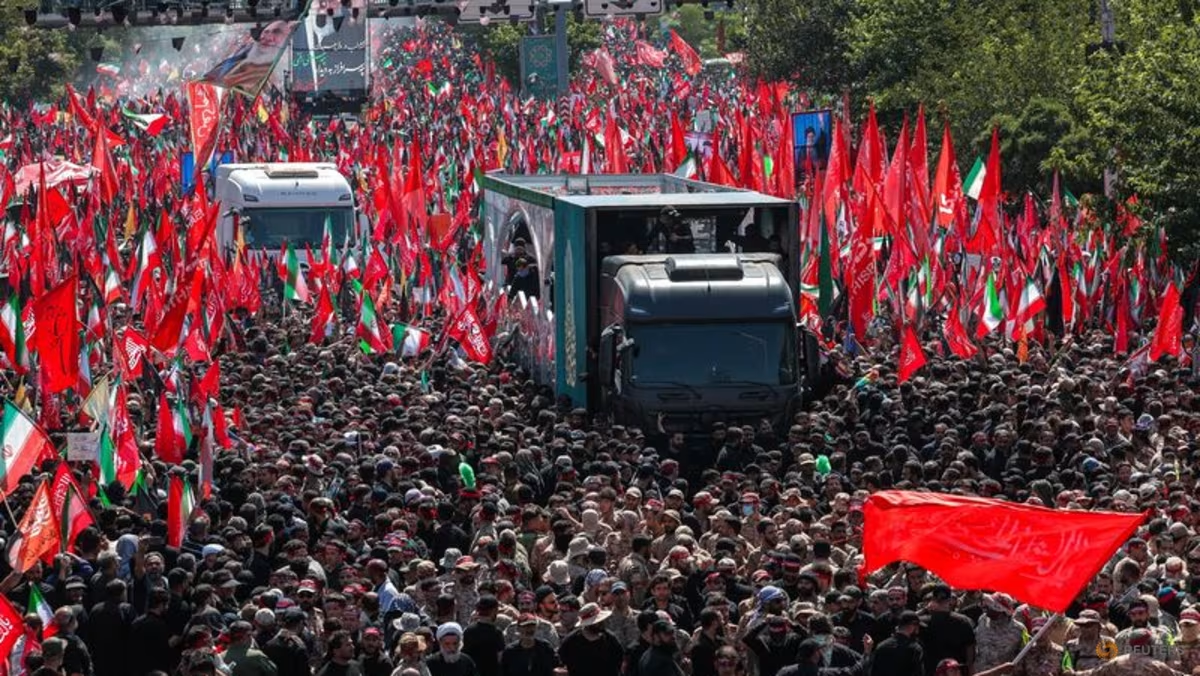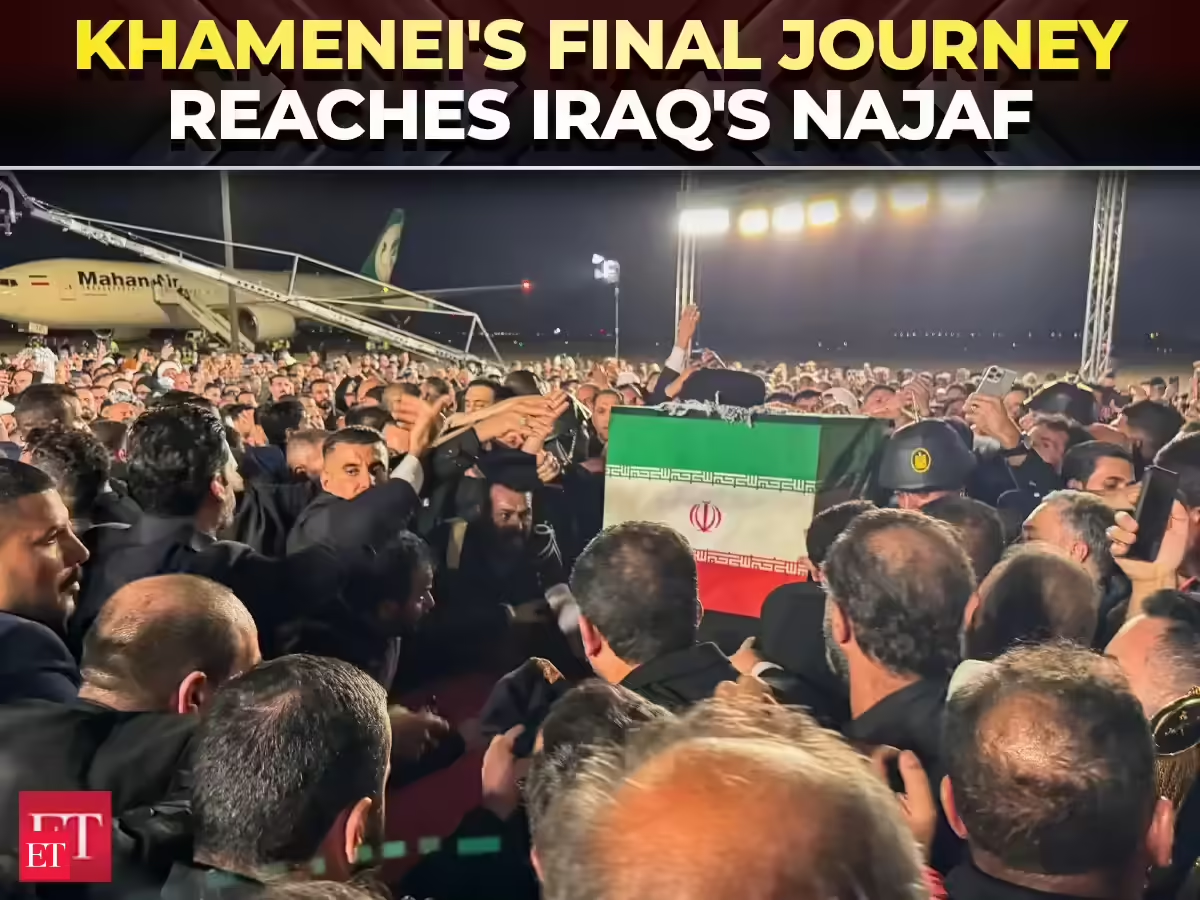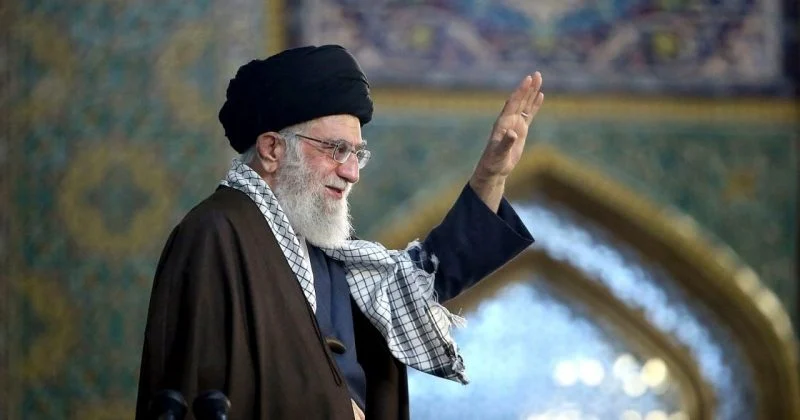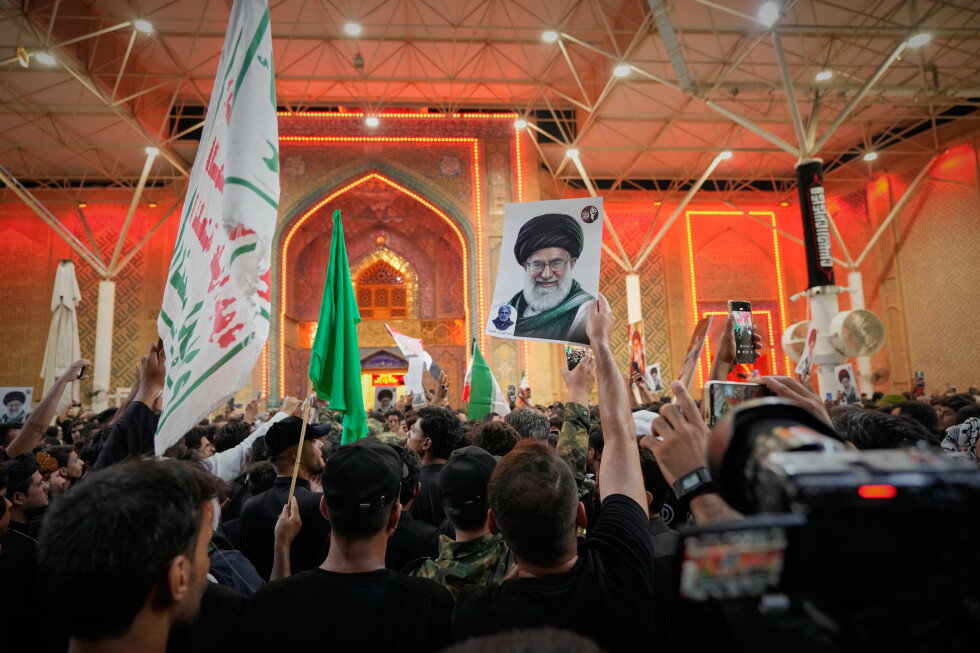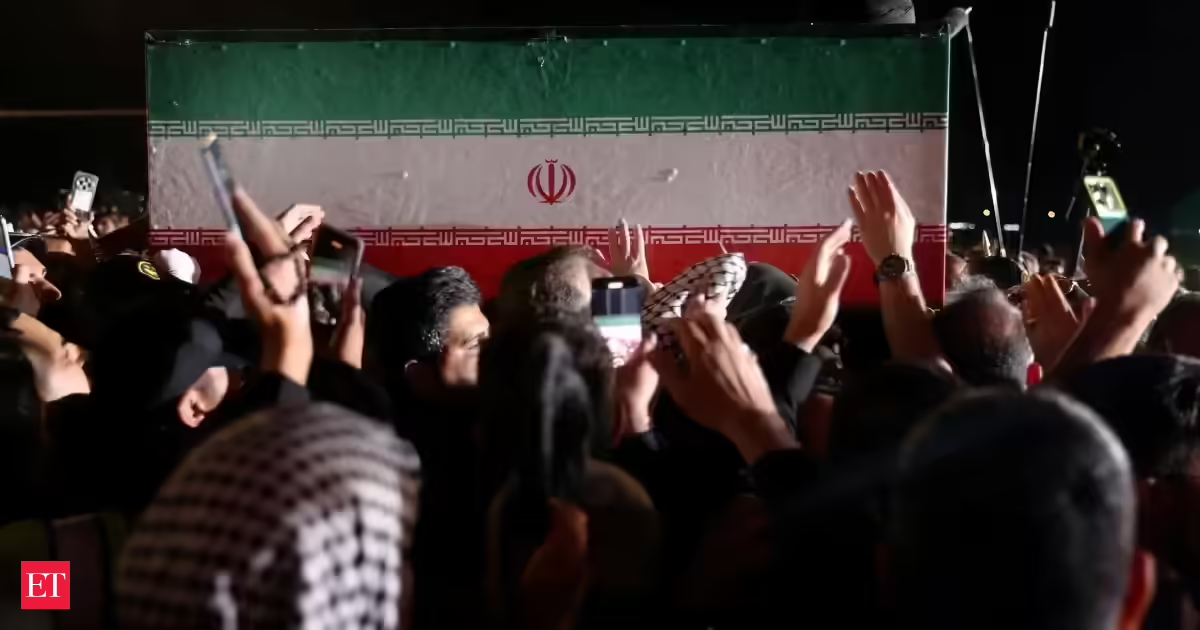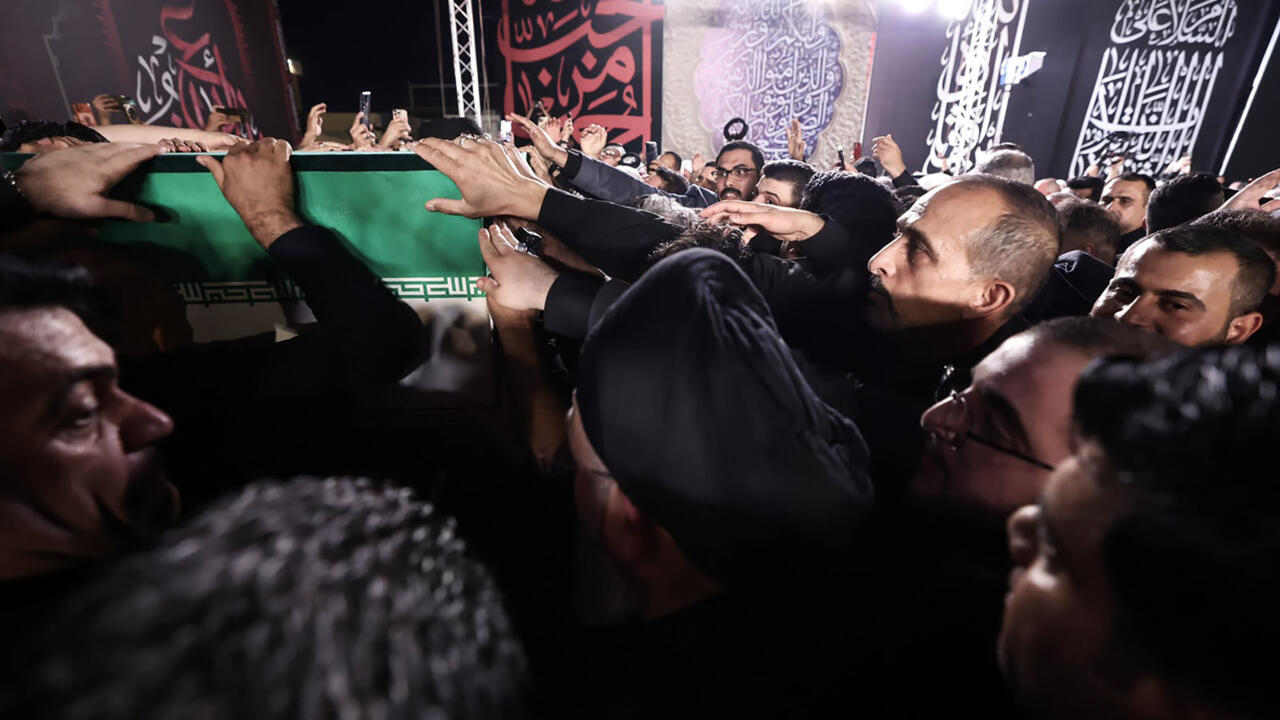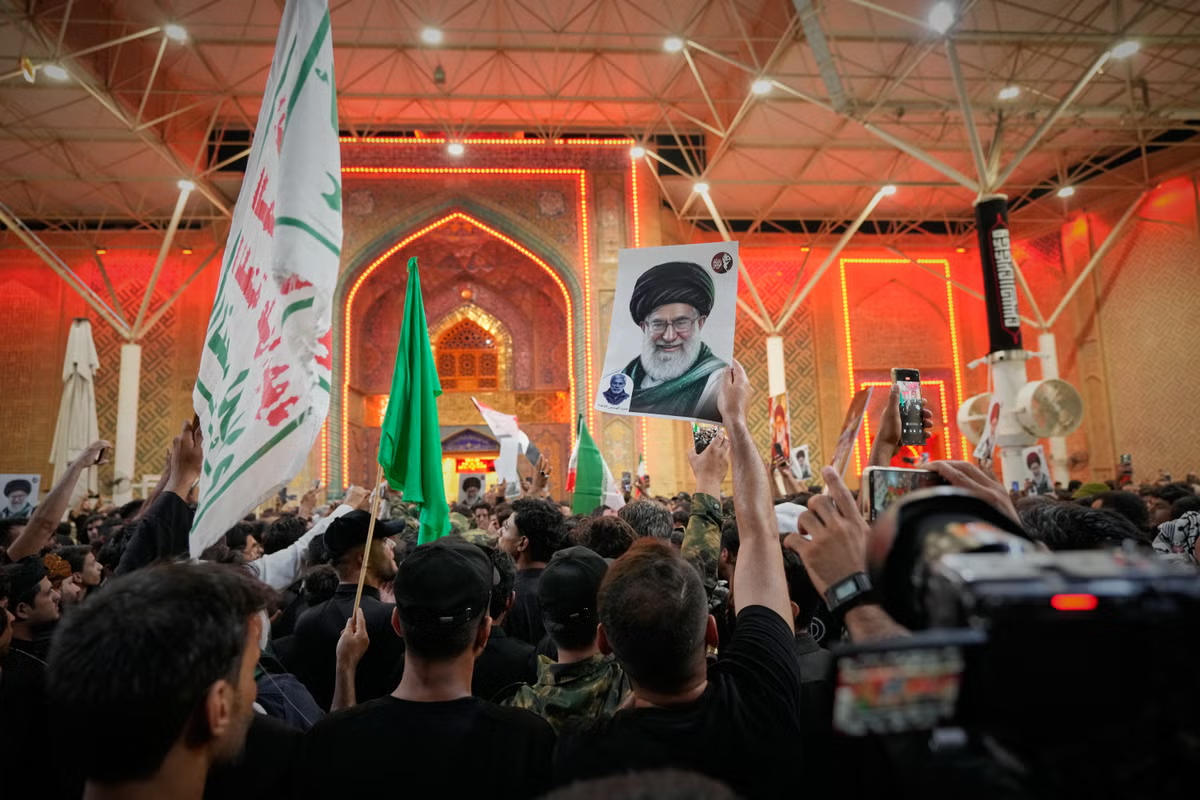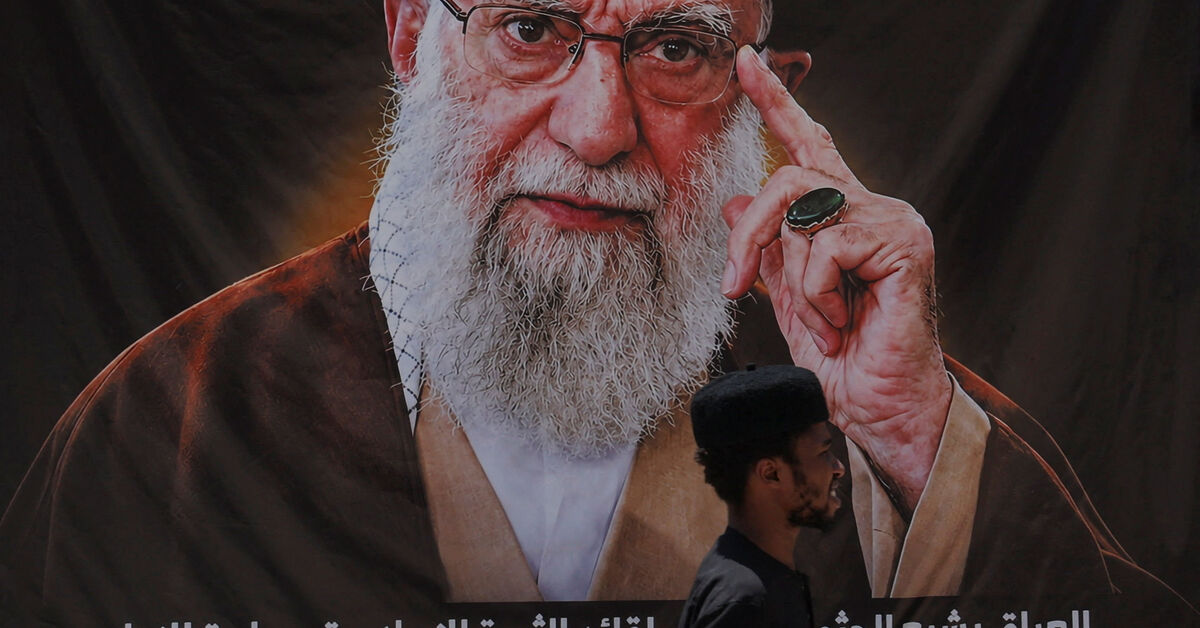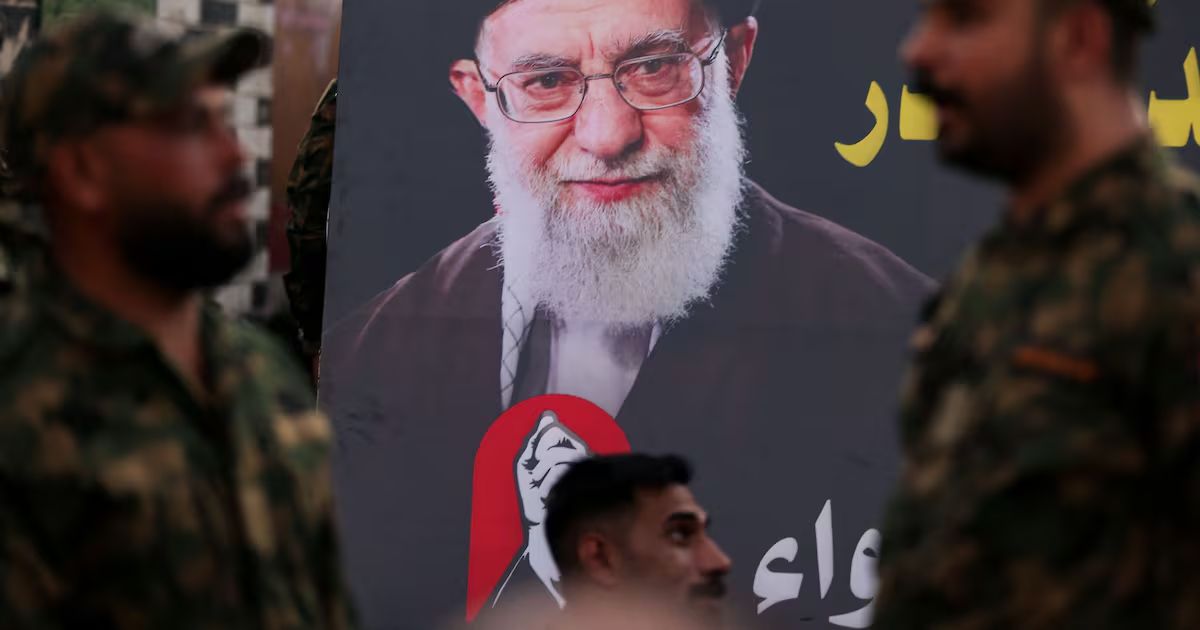
The body of Iran’s former supreme leader Ayatollah Ali Khamenei arrived in Najaf late on Tuesday, putting the spiritual centre of Shiite Islam at the heart of a state funeral designed to do more than mourn a leader.By routing the procession through revered cities of Najaf and Karbala before returning the body to Mashhad in Iran, Tehran is casting Mr Khamenei’s death as both a religious event and a geopolitical statement – one that underscores Iran’s influence in Iraq, the country where it still claims its deepest political and social reach.Mr Khamenei’s body was flown into Najaf International Airport on Tuesday night. An official ceremony was held on the tarmac, attended by Iraqi Prime Minister Ali Al Zaidi and Iranian President Masoud Pezeshkian, as well as Iranian and Iraqi officials, politicians, militia leaders and dignitaries.The honour guard carried the coffin, draped in the Iranian flag with Mr Khamenei’s turban on top, as crowds gathered around the plane. Hands reached out from the throng, racing to touch the coffin as the honour guard advanced.Some mourners wept bitterly, while others threw their keffiyehs towards the casket, seeking blessings. Chants of "Allahu Akbar" echoed across the tarmac.Najaf International Airport announced earlier the suspension of all commercial flights “for operational reasons until Thursday morning” to enable the arrival and the movement of delegations.After the airport ceremony, the coffin was taken in a procession towards the Imam Ali Shrine early on Wednesday morning. From Najaf, it will proceed to Karbala before being transferred back to Iran for burial in Mashhad, Mr Khamenei’s hometown.Earlier on Tuesday, Mr Al Zaidi declared Wednesday a national holiday.Mr Khamenei was killed during the opening strikes by US and Israel that also attacked a senior command meeting in Tehran. Iranian authorities described it as an assassination aimed at decapitating Iran’s leadership amid escalating regional hostilities.The funeral procession began in Tehran and Qom before moving to Iraq. State television in Iran broadcast images of millions lining streets in Tehran on Sunday as the coffin was paraded through the streets.In Iran, the funeral has been portrayed as the passing of the architect of the country’s resistance doctrine. In Iraq, it is being treated as the death of a marja, or a supreme religious authority, and a commander whose influence shaped Shiite politics for more than three decades.By Tuesday evening, Najaf had the feel of a religious pilgrimage and a security operation. Fighters linked to the Popular Mobilisation Forces, the umbrella group of mainly Iran-backed armed factions, were sent to key junctions, and main roads leading to the Imam Ali Shrine were cordoned off.Volunteers in black, with portraits of Mr Khamenei stuck to their chests, erected tents along approach roads. They offered cold water, tea and food to mourners who arrived from different parts of the country. Black banners bearing Quranic verses and images of Mr Khamenei hung from lampposts and shopfronts. “We remain committed to the covenant,” one banner with his photo read.“His absence is a great loss to Islam and the Islamic nation,” said Awad Jabbar Alaie, 72, who drove from Samawa with his three sons to attend the funeral. “It’s a duty to come and say goodbye. He stood with Iraq and Iraqis. One example: they sent us weapons when we were fighting Daesh [ISIS].” For Iraq, hosting the funeral is fraught. The ceremonies come days before Mr Al Zaidi is scheduled to travel to Washington, placing Baghdad in the difficult position of honouring its close allyship with Tehran while trying to reassure the US that Iraq can remain a regional partner. The images of massive crowds in Najaf and Karbala highlight Iran’s influence inside Iraq, but they will also test how far Baghdad can balance its ties with both countries without being pulled too far in either direction.The scale of turnout in both cities will be closely watched in Tehran, Washington and Baghdad. For Tehran, large crowds would validate its claim of enduring influence. For Baghdad, managing the event without causing domestic backlash or diplomatic fallout will be the immediate challenge.Shiite religious and political figures have urged broad participation in the event, and their messages mirror those of Tehran: one of Shiite resistance and sacrifice.Sheikh Ali Al Aqeeli, representative for the spiritual religious leader Grand Ayatollah Ali Al Sistani in Baghdad, told worshippers during his Friday sermon that Mr Khamenei’s funeral “will be a great and massive demonstration".“We must deal with this incident from a position of a sense of responsibility, because Sayyid Khamenei is a symbol of Islam. He is a scholar of the Shiites, a leader of the Shiites, and a symbol of the Shiites, regardless of anything else,” Sheikh Al Aqeeli said.“We must deal with this issue out of a sense of responsibility and to show the might of Islam, whose banner he raised."With his death, Mr Khamenei “triumphed over the disbelievers", Sheikh Al Aqeeli added. "Through his martyrdom he raised the banner of Islam and lowered the banner of the infidels and the people of misguidance."
Khamenei’s body arrives in Iraq, turning shrines into venues for Tehran’s regional message | The National
Funeral in Najaf and Karbala puts Baghdad’s balancing act with Tehran and Washington to the test
830 words~4 min read