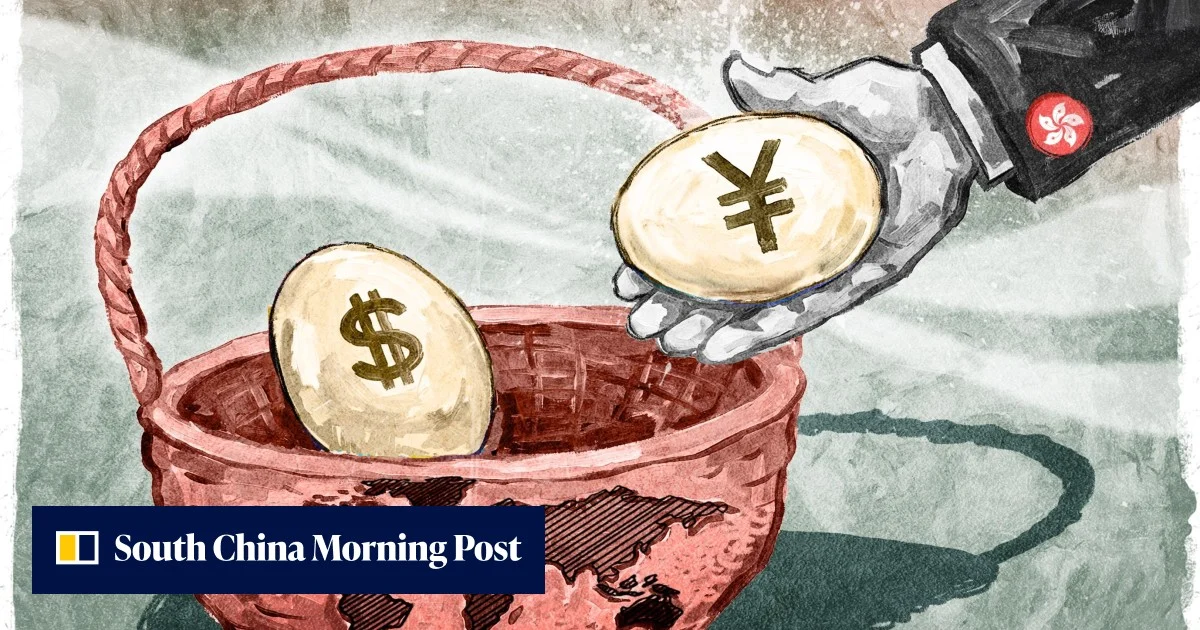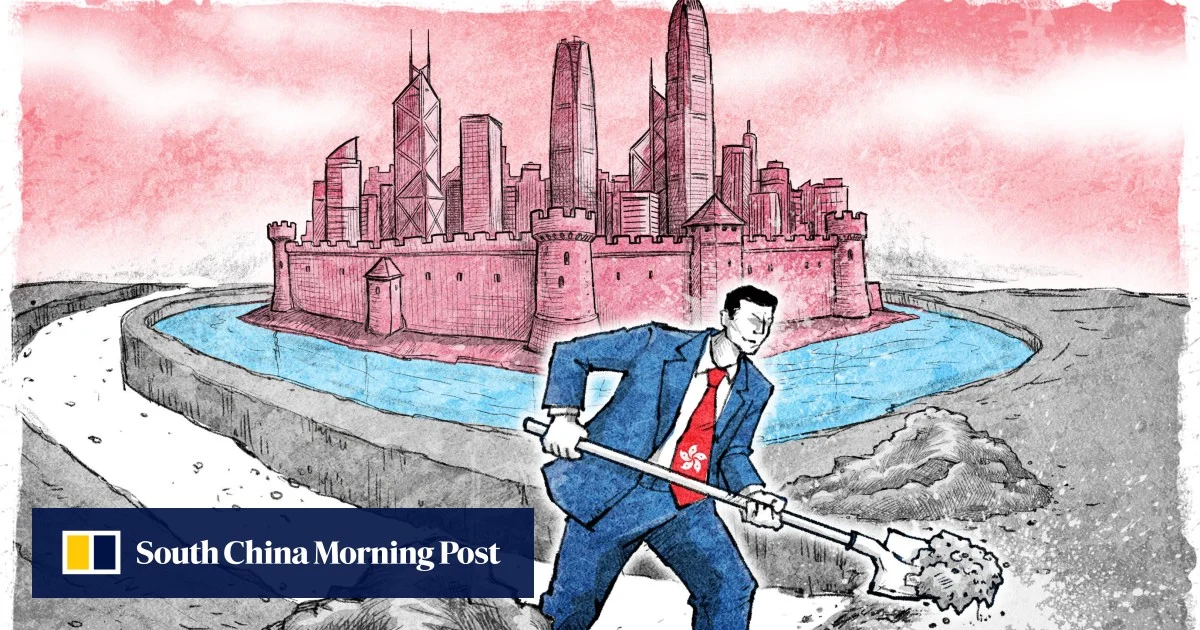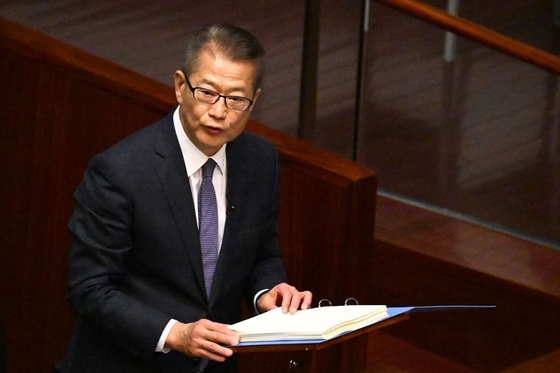
1. Hong Kong's 2026-27 Budget, delivered by Financial Secretary Paul Chan, introduces a “finance plus” strategy aimed at using the city's strengths in finance to energize wider industrial growth and boost its status as a leading international financial center. The new policy framework responds to escalating global economic uncertainty and more intense competition among international financial hubs, supporting Hong Kong’s efforts to create new economic drivers and enhance its competitive edge [para. 1][para. 2].2. The budget plan broadly targets multiple financial sectors: the offshore yuan business, equities, bonds, wealth and asset management, gold trading, digital assets, and market infrastructure. Central themes include deepening capital markets, opening additional investment channels, upgrading market infrastructure, and making Hong Kong a leader in cutting-edge domains like tokenization and digital assets [para. 3][para. 4].3. A key pillar is enhancing the offshore yuan business. The government doubled the quota of the RMB Business Facility to 200 billion yuan ($29 billion) in February 2026 to facilitate corporate access to offshore yuan financing. Other measures include promoting efficient forex transactions, expanding yuan-denominated bond offerings across maturities, and building a comprehensive offshore yuan yield curve. Yuan bonds made up 40% of total government bond issuance in 2025. Further initiatives aim to improve the offshore yuan interest-rate curve and attract quality issuers to Hong Kong [para. 5][para. 6][para. 7][para. 8][para. 9]. Authorities are also discussing introducing government-bond futures, including REITs in stock connect schemes, and adding a yuan trading counter to southbound stock connect [para. 10].4. To attract technology and specialty industry listings, HKEX will review rules to lure aerospace companies and consult on facilitating listings for firms with weighted voting rights and biotech or specialist tech enterprises. Plans are set to streamline IPOs, reduce board-lot categories from over 40 to 8, implement a T+1 settlement cycle, and introduce a paperless securities regime. Other reforms target better ongoing regulatory processes and more flexible approaches for companies seeking secondary listings [para. 11][para. 12][para. 13][para. 14].5. Efforts in bond market modernization include launching a bond electronic trading platform in late 2026 and continuous promotion of tokenized bond issuance through a Digital Bond Grant Scheme. Hong Kong has already launched three batches of tokenized green bonds, including a record HK$10 billion sale—the world’s largest at its time and the first settled with a central bank digital currency. Authorities plan to enable bondholder registers to use distributed ledger technology and consider full digitalization of bearer bonds [para. 15][para. 16][para. 17].6. Hong Kong saw its cross-border assets under management surge by $231 billion in 2024 to $2.7 trillion, matching Switzerland as the globe’s top cross-border wealth hub. To bolster this sector, the government aims to broaden tax concessions, expand the definition of “fund,” and include digital assets and precious metals for tax relief, with legislative changes planned for the first half of 2026. REITs will receive support via eased restructurings and stamp duty waivers for nonresidential property transfers, with changes due by 2027 [para. 18][para. 19][para. 20].7. Strengthening the digital finance framework involves new legislation in 2026 for licensing digital-asset trading and custodial providers. The first stablecoin issuer licenses are to be issued in March 2026. Additional license regimes for advisory and asset management in virtual assets will complement anti-money laundering rules, per the principle of “same business, same risks, same regulation.” Hong Kong will also adopt global tax transparency standards for crypto-assets in the coming years [para. 21][para. 22][para. 23][para. 24].8. Hong Kong aspires to become a global gold trading hub after partnerships with the Shanghai Gold Exchange and developing a central gold clearing system. Goals include expanding storage to over 2,000 tons in three years, offering tax incentives for trading/settlement, forming an industry association, and developing professional training [para. 25][para. 26].9. Key infrastructure projects involve a post-trade, multi-asset platform for Hong Kong and Chinese mainland markets, more connections with overseas central securities depositories, and new post-trade equity services. The Central Moneymarkets Unit (CMU) now handles 95% of offshore yuan bonds, and HKEX’s 20% stake in OmniClear (acquired for HK$455 million) aims to establish the CMU as Asia’s leading central securities depository and reinforce Hong Kong’s offshore yuan dominance [para. 27][para. 28][para. 29].AI generated, for reference only
Caixin Explains: Hong Kong’s ‘Finance Plus’ Strategy to Reinforce Its Global Hub Role
The 2026-27 Budget lays out sweeping measures spanning offshore yuan markets, tech listings, digital assets and gold trading as the city seeks new growth drivers
693 words~3 min read