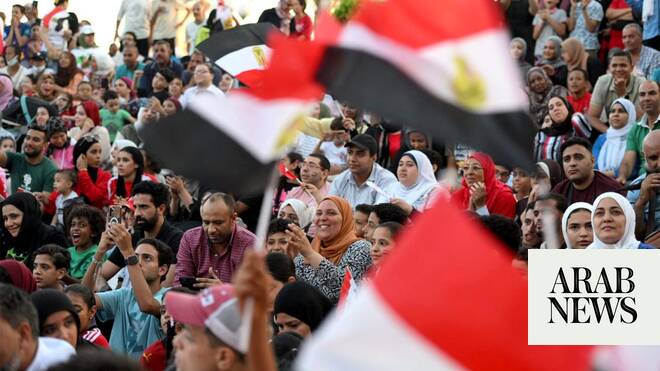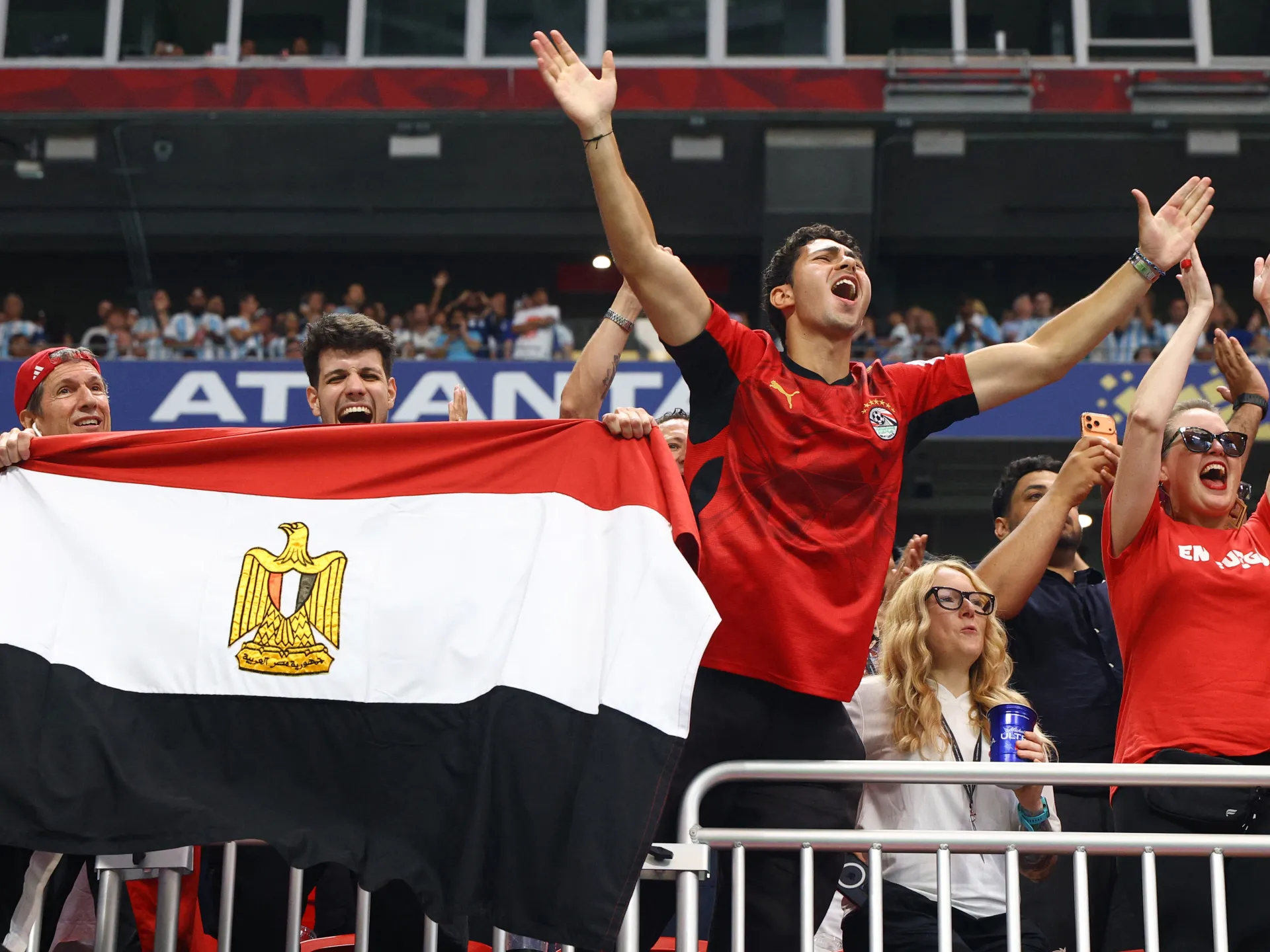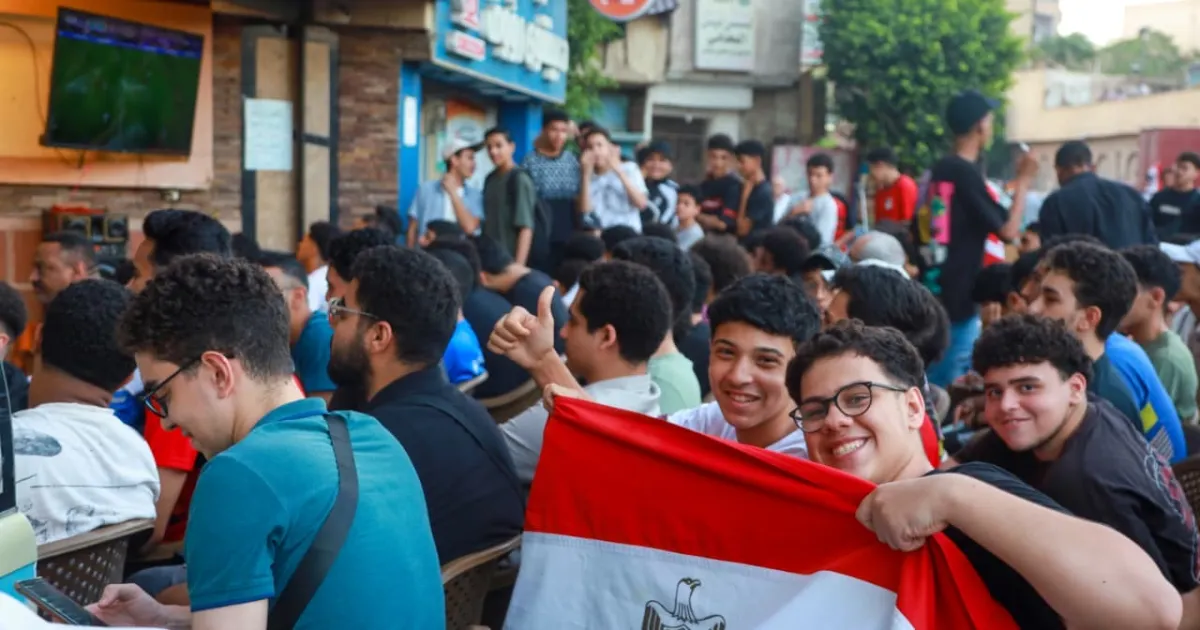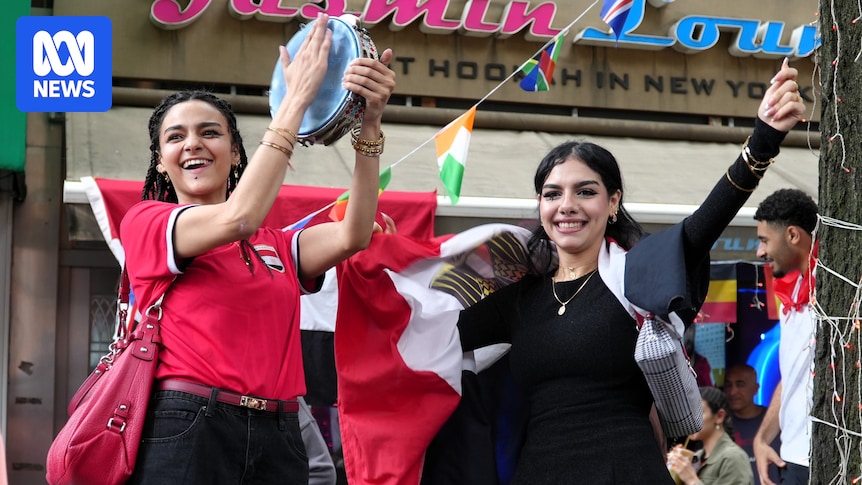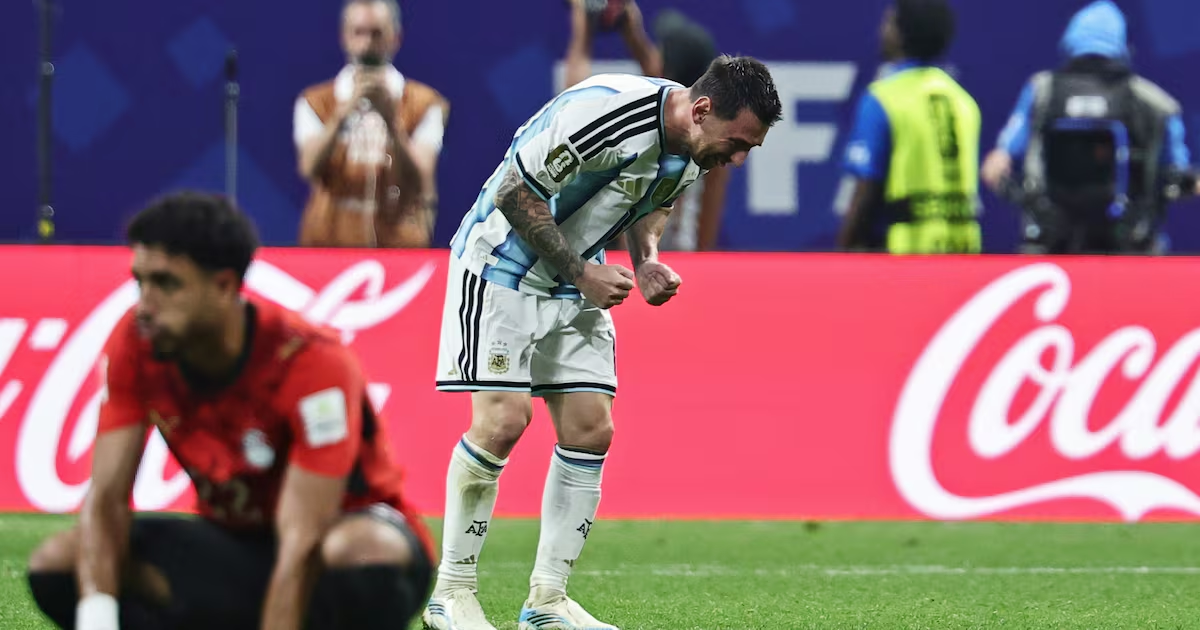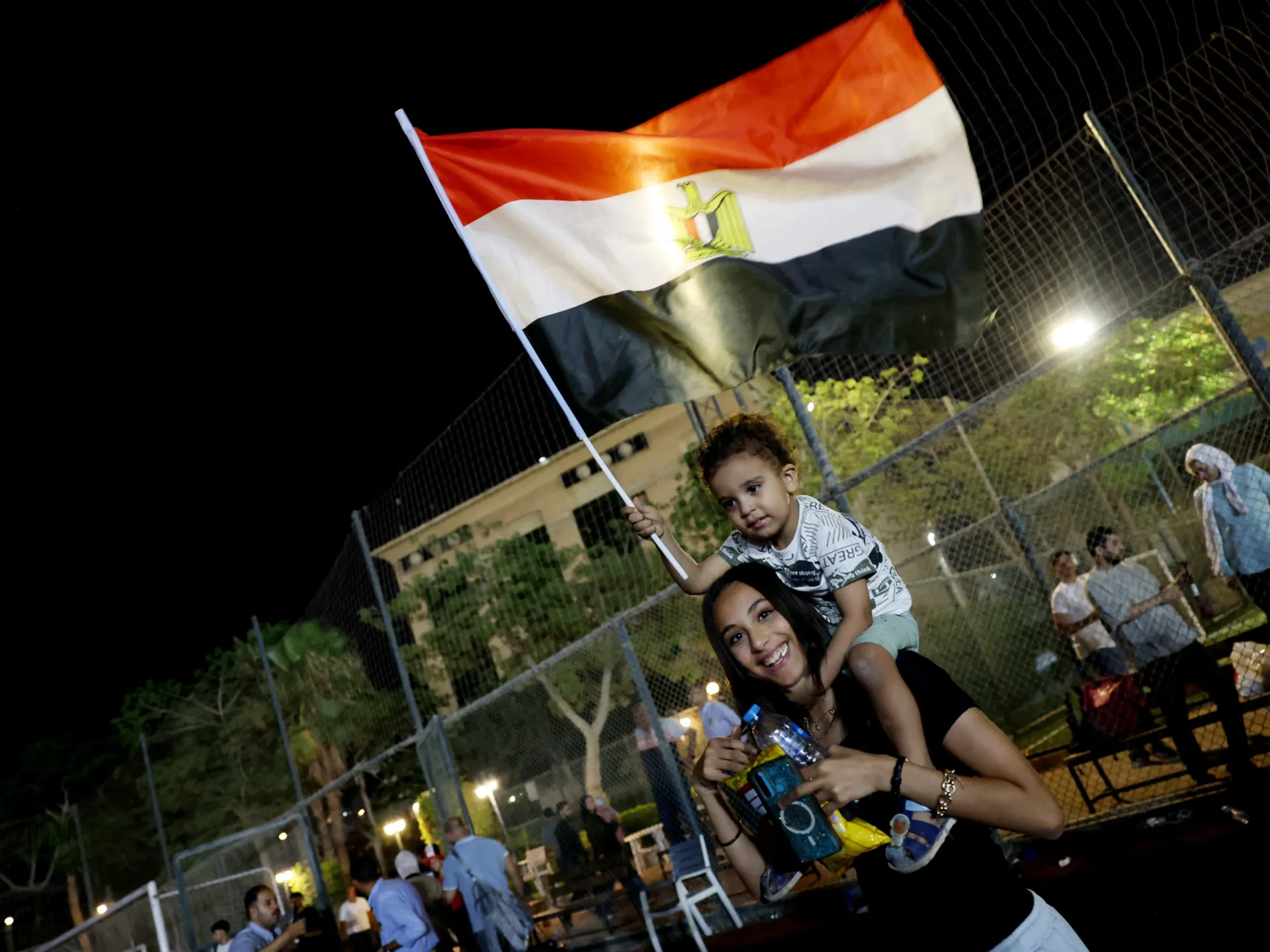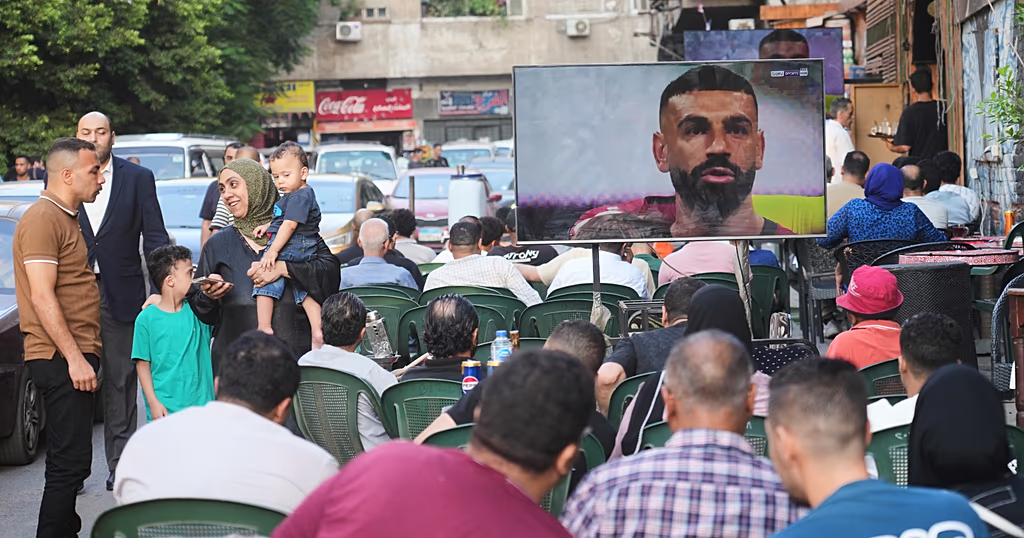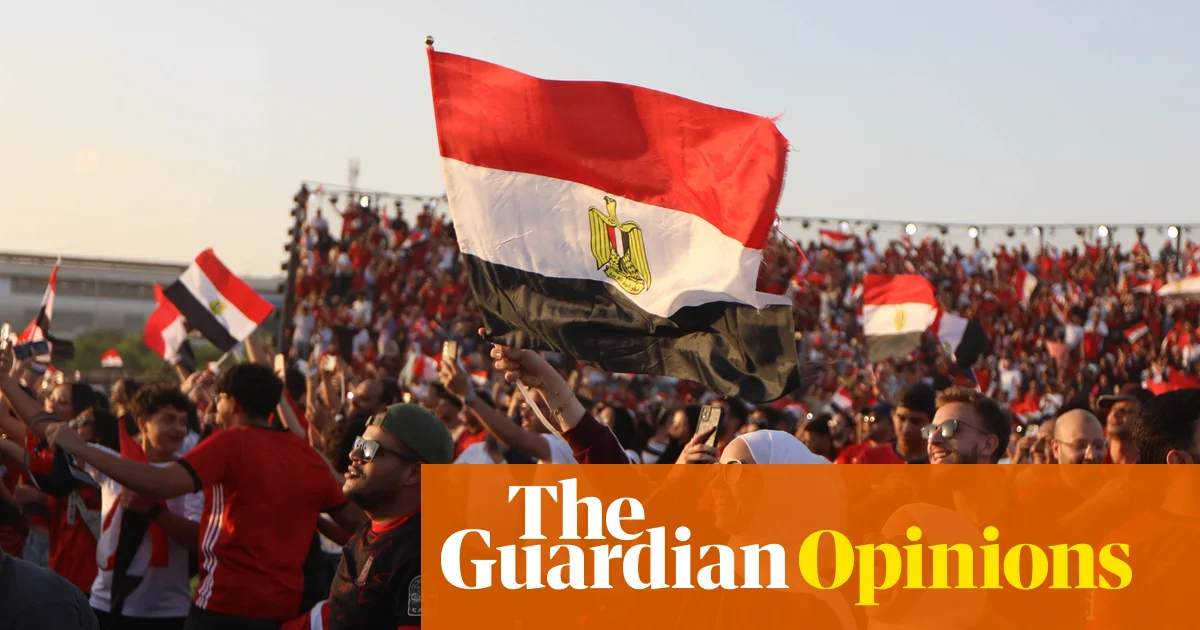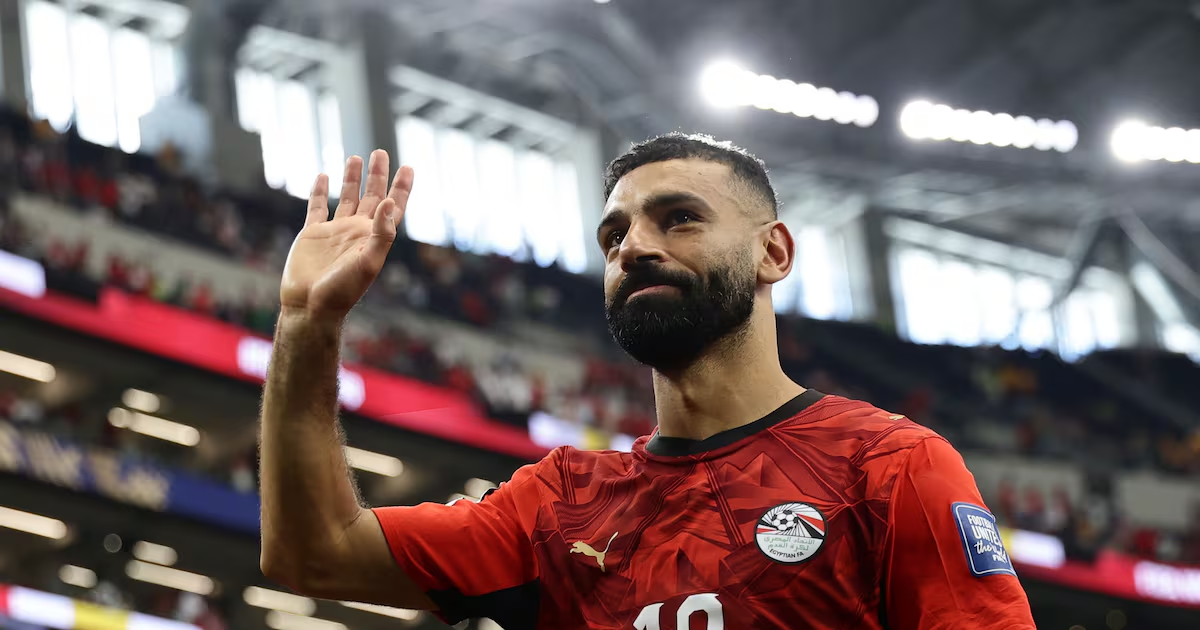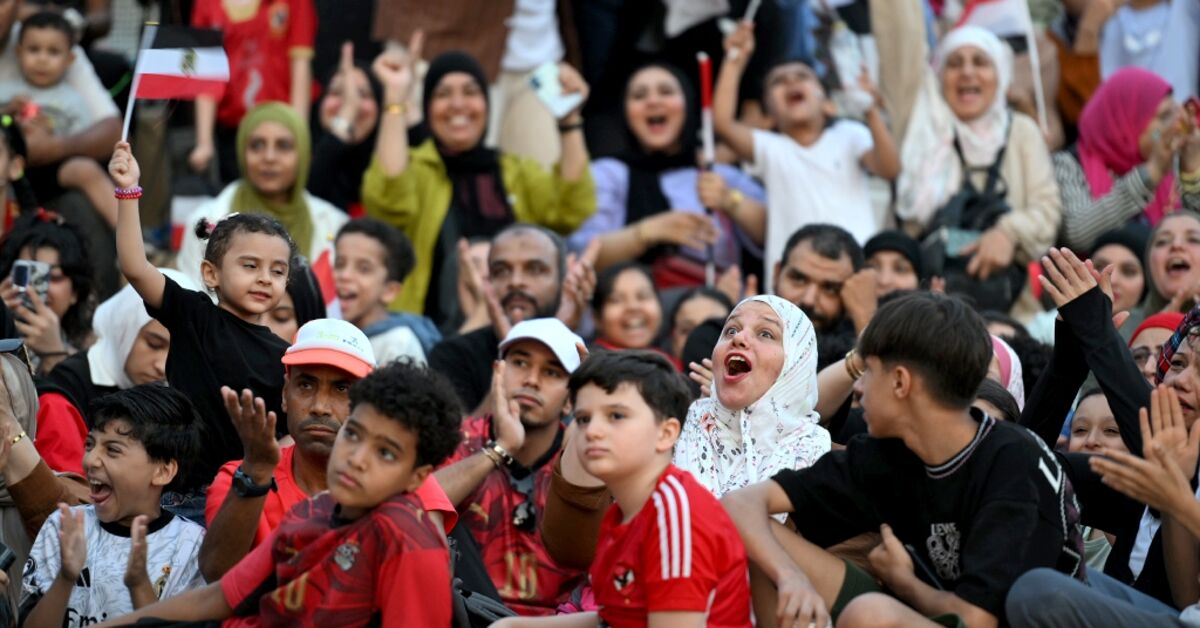
As Egypt bowed out of the World Cup with a dramatic 3-2 defeat to a Lionel Messi-inspired Argentina in the last 16 on Tuesday, supporters in Cairo rose to applaud a team that had taken the country further than ever before."We're heartbroken because we believed we could go even further," said Ismail Fawzy, 39, who watched the match with hundreds of supporters at a cafe in Cairo's eastern Heliopolis district."But when you think about everything this team has done, you can only be proud. They gave us memories we'll never forget."Yes, we lost, but history has already been made," he told AFP.For the first time in a World Cup, Egypt won a match, advanced beyond the group stage and progressed through the first knockout round, in the process rewriting the nation's footballing history.In the Heliopolis cafe, emotions swung between disappointment and pride after Argentina fought back late from two goals down to win. Tears flowed at the final whistle, but minutes later applause broke out as supporters stood and saluted the players' achievement."This isn't the ending we wanted," said Farida Hamdy, 27. "But nobody can erase what these players have achieved. They made every Egyptian believe that we belong on the biggest stage."For decades, Egypt's World Cup story had been one of near misses and unfulfilled potential.Egypt were the first African and Arab nation to appear at the tournament in 1934 but exited early. It then took 56 years for them to return, leaving Italy 1990 without a win. Their most recent appearance, in Russia in 2018, ended with three group-stage defeats. "Before this World Cup, people talked about qualification as the dream," Hamdy told AFP. "Now we've reached the last 16. The next generation will dream even bigger because of this team."- Beyond Egypt -The sense of pride stretched far beyond Egypt's borders. More than 1,000 kilometres away in Gaza near Egypt's border, thousands of Palestinians gathered in makeshift cafes set up inside tents or built from corrugated metal salvaged from damaged buildings. Generator-powered lights illuminated crowded viewing areas, while tangled electricity and internet cables stretched between rows of shelters.
'History made': Egyptian pride despite World Cup heartbreak
As Egypt bowed out of the World Cup with a dramatic 3-2 defeat to a Lionel Messi-inspired Argentina in the last 16 on Tuesday, supporters in Cairo rose to applaud a team that had taken the country further than ever before."We're heartbroken because we believed we could go even further," said Ismail Fawzy, 39, who watched the match with hundreds of supporters at a cafe in Cairo's eastern Heliopolis district."But when you think about everything this team has done, you can only be proud. They gave us memories we'll never forget.
612 words~3 min read