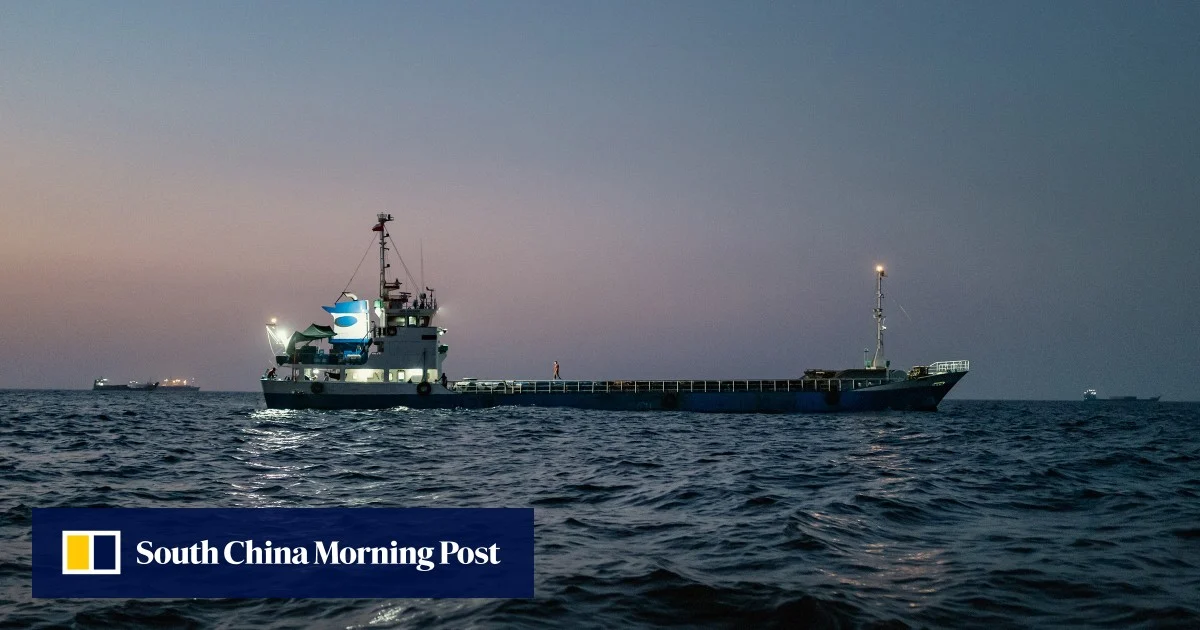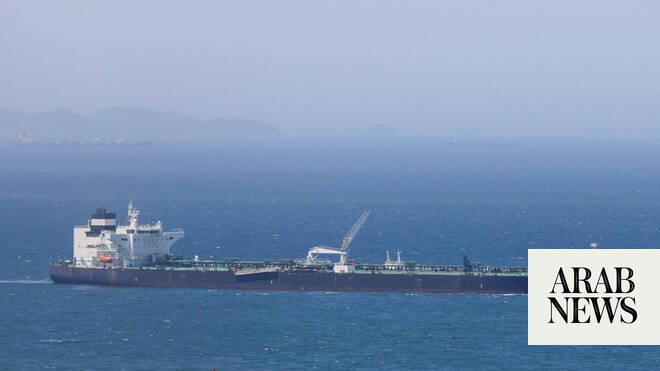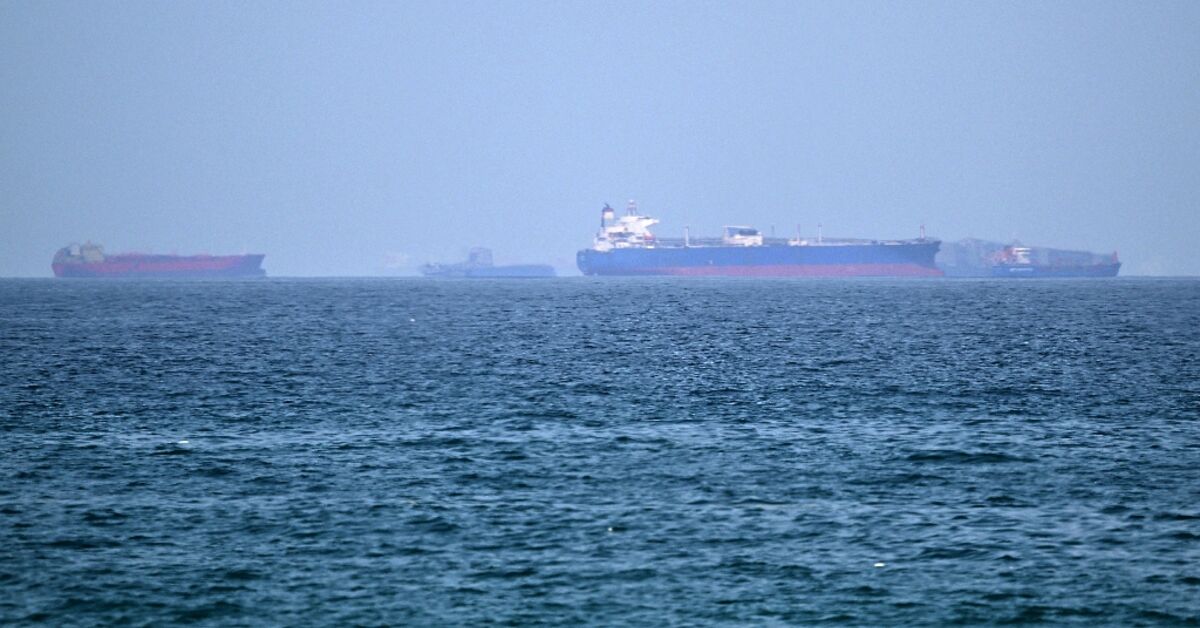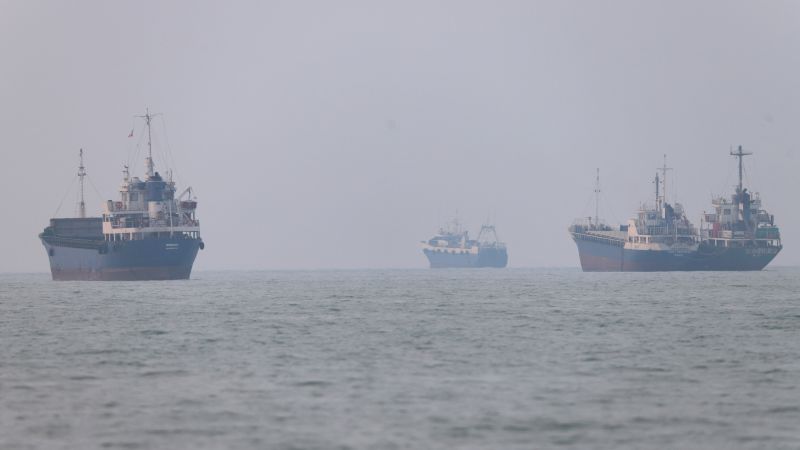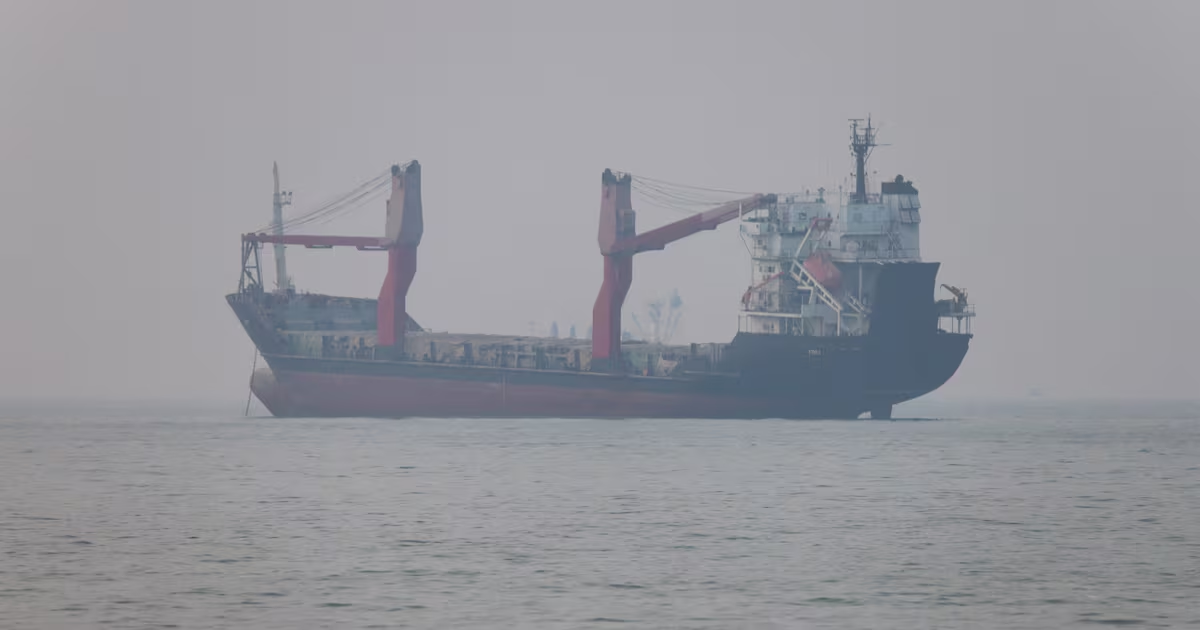
A vessel in the Strait of Hormuz near the beach of Bandar Abbas, Iran. Isna / Wana / ReutersInfoLatest general licence tests fragile ceasefire as Washington and Tehran seek permanent dealThe US on Tuesday said it was revoking a general licence that authorised the sale of Iranian oil, placing new economic pressure on Tehran after it was blamed for recent attacks on tankers in the Strait of Hormuz.A US official warned Iran's actions in the waterway were "wholly unacceptable" and "will be met with consequences", while a spokesman for Qatar's Foreign Ministry earlier on Tuesday said the country holds Iran "fully legally responsible" for an attack on a Qatari LNG tanker, one of three ships that had been struck in recent days. A Saudi-flagged tanker was reported to be one of the other vessels attacked, Reuters said.Tehran has not commented on the incidents.In a notice posted on its website, the Treasury Department's Office of Foreign Asset Control (Ofac) issued General Licence XI, which supersedes a previous general licence that came out of an agreement signed between the US and Iran last month."As President [Donald] Trump and the administration have repeatedly affirmed, the MOU in effect with Iran is entirely performance-based. Iran will only reap benefits if they exhibit good behavior," a US official said."Our negotiators continue to work in good faith towards a final deal."General Licence 10, which had authorised the sale of Iranian oil through August 21, was expected to provide relief to Tehran, whose exports had fallen to their lowest level in years after the US implemented a naval blockade in April.Iran's production was expected to recover faster than the rest of the Gulf after the Strait of Hormuz reopened. Kpler had estimated Iranian crude production to rise to 3.5 million barrels per day by August, exceeding the 3.3-3.4 million barrels per day observed prior to the conflict. The lifting of the blockade was expected to be a major factor in triggering this recovery.An analysis from Vortexa, a cargo tracking company, found that Iranian-origin laden departures had increased by only 16 per cent after the deal was signed mid-June because Iran was already the single largest origin during the blockade period, and a large number of barrels were ready to move when the US blockade was lifted.Iranian-origin volumes recorded a single-day peak of roughly 8 million barrels per day after the US-Iran agreement was signed.Recent Iranian attacks and the US response now threaten a fragile ceasefire between Tehran and Washington as the two sides work on a permanent deal that would lead to the permanent opening of the Strait of Hormuz.Roughly 20 per cent of the world's global oil supply transits the waterway and it is the primary export route for the Gulf's energy supplies.The US-Iran agreement included limits on Tehran's nuclear programme and relief from some sanctions. Oil exports have been a critical source of Iran's revenue for years, with China emerging as its main buyer.Updated: July 07, 2026, 8:12 PM
US calls Iran’s actions in Strait of Hormuz ‘wholly unacceptable’ and reinstates oil sanctions | The National
Latest general licence tests fragile ceasefire as Washington and Tehran seek permanent deal
494 words~2 min read