Storage gets promoted in the agentic AI era
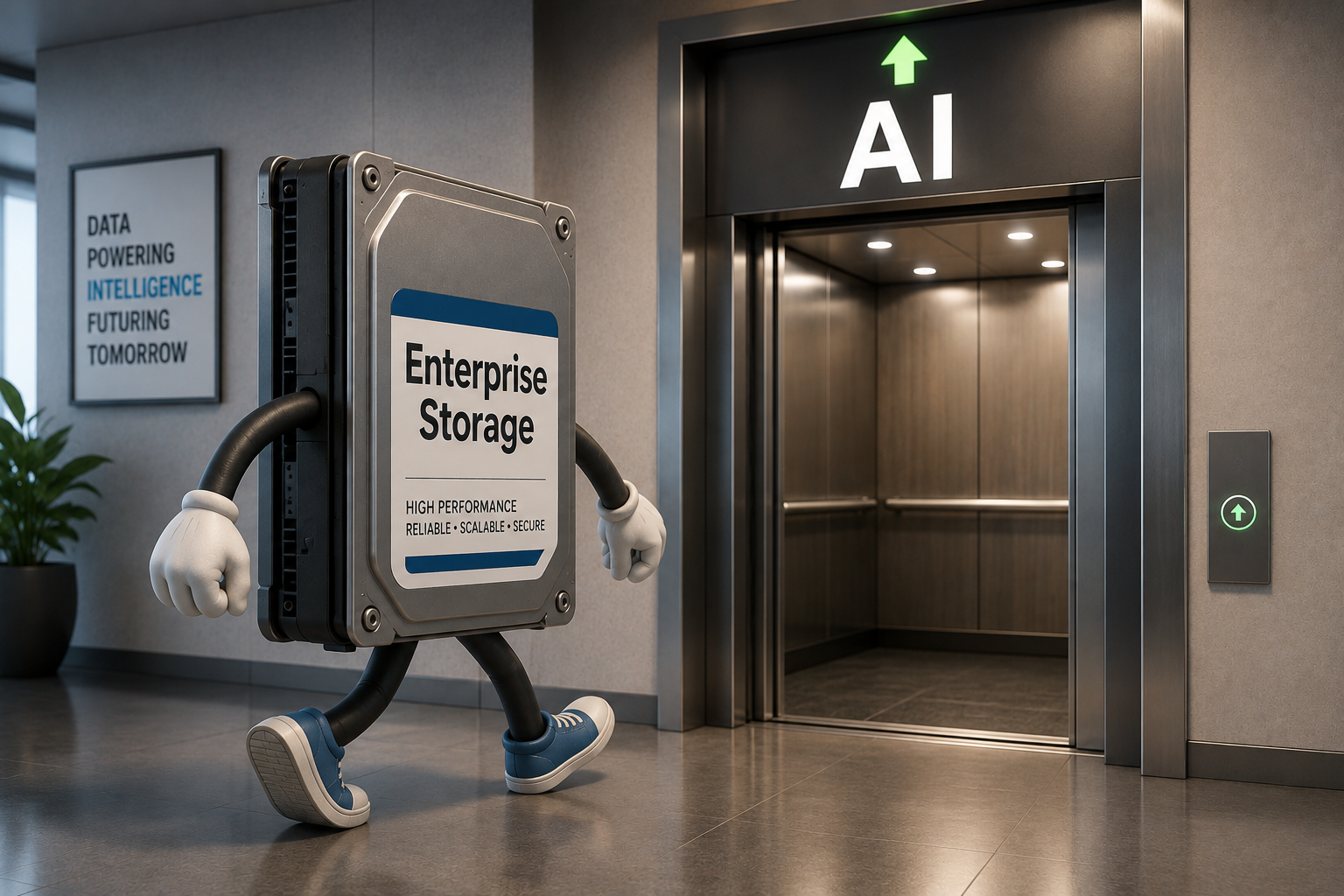
The year 2026 could be remembered as the moment when storage technology received a massive promotion.
The reason is that the current transition from simple chatbots to agentic AI systems has raised the stakes for context memory, the relevant information autonomous systems needs to understand and process a task. Supplying agents with data to support contextual working memory requires storage architecture with greater token throughput and improved efficiency.
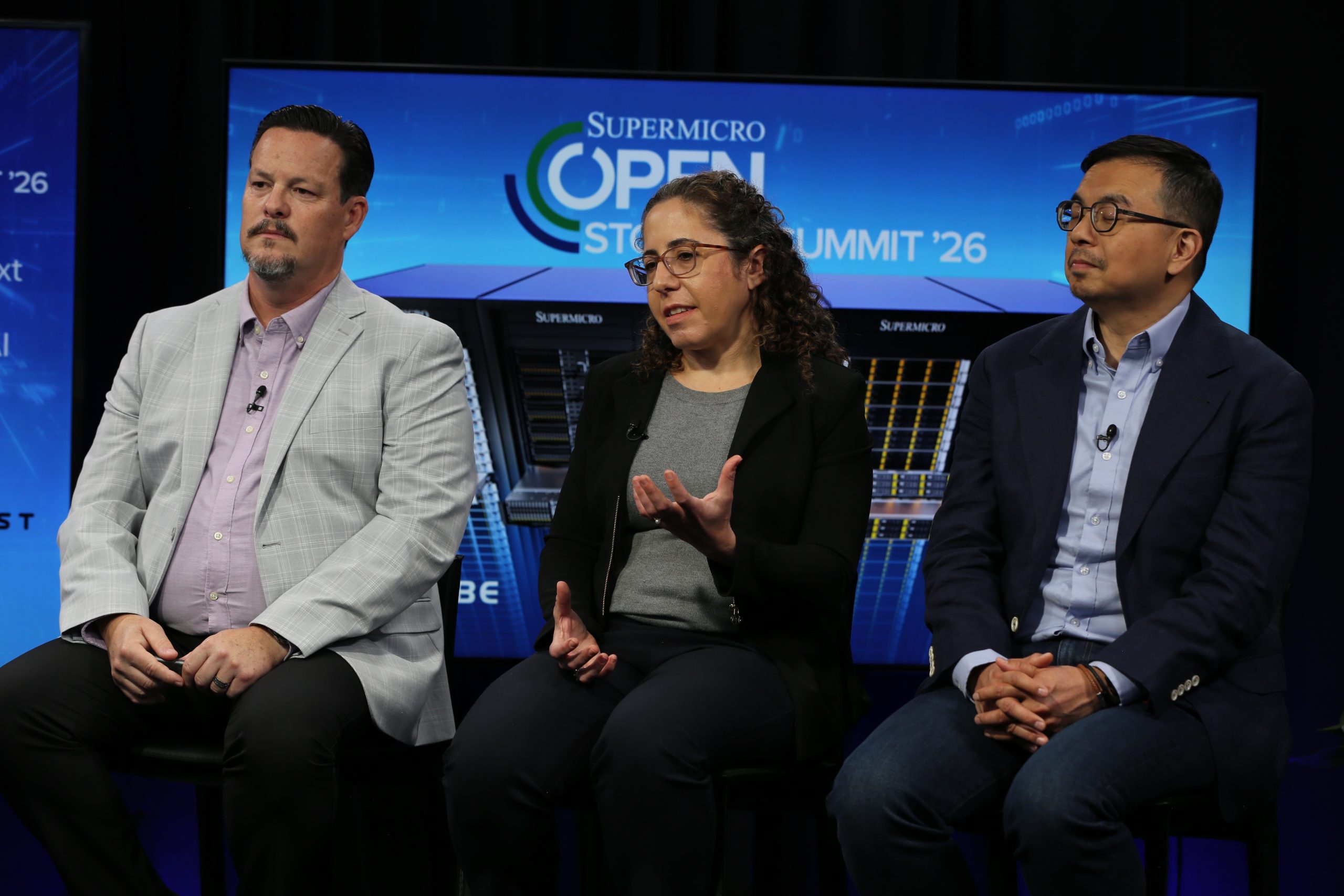
Storage’s support of AI clusters has traditionally been confined to GPU servers or over a network in shared environments. Now, the ballgame has suddenly changed, according to Ace Stryker, director of AI and ecosystem marketing at Solidigm Inc.
“It feels like storage kind of got a promotion,” Stryker said, during a recent interview with theCUBE, SiliconANGLE Media’s livestreaming studio. “What’s new now is the third job. And that third job is new dedicated nodes specifically for storing context memory or KV cache. That’s a completely new tier of storage in an AI cluster. We’re going to have to come to terms with a whole lot more data and be able to store that with a combination of world-class hardware and software.”