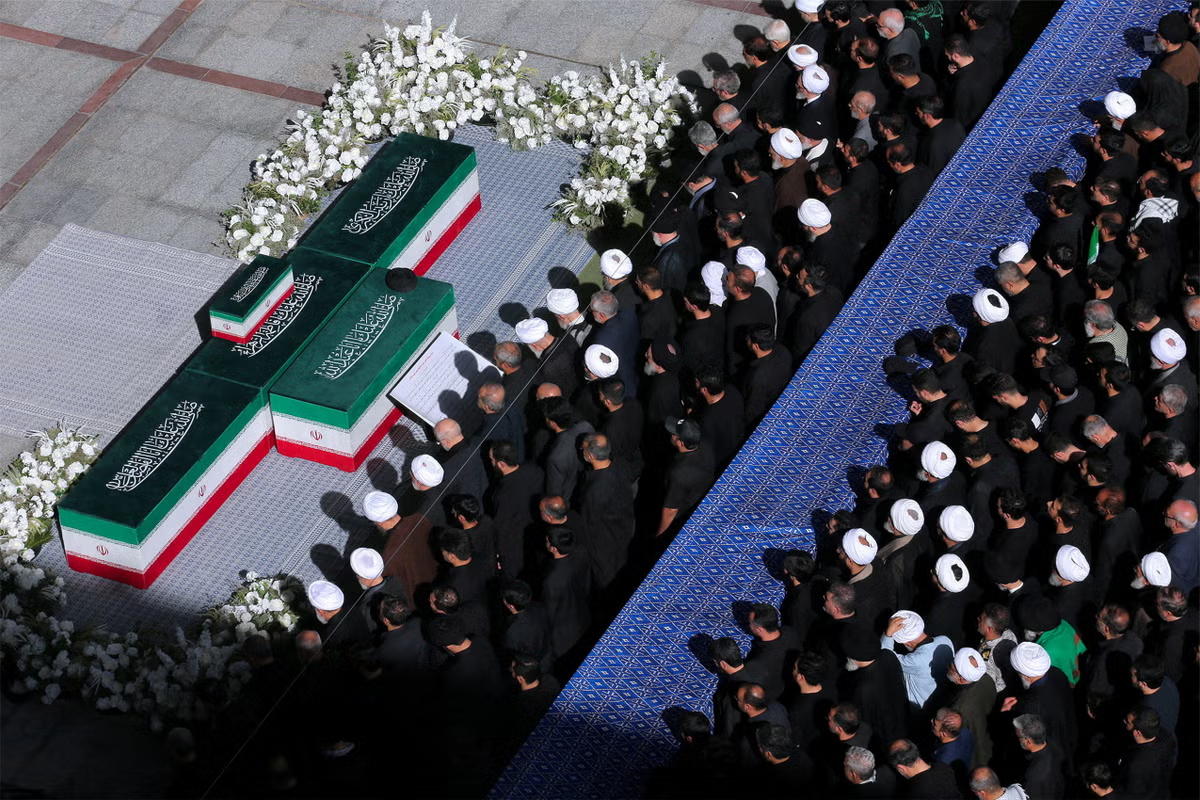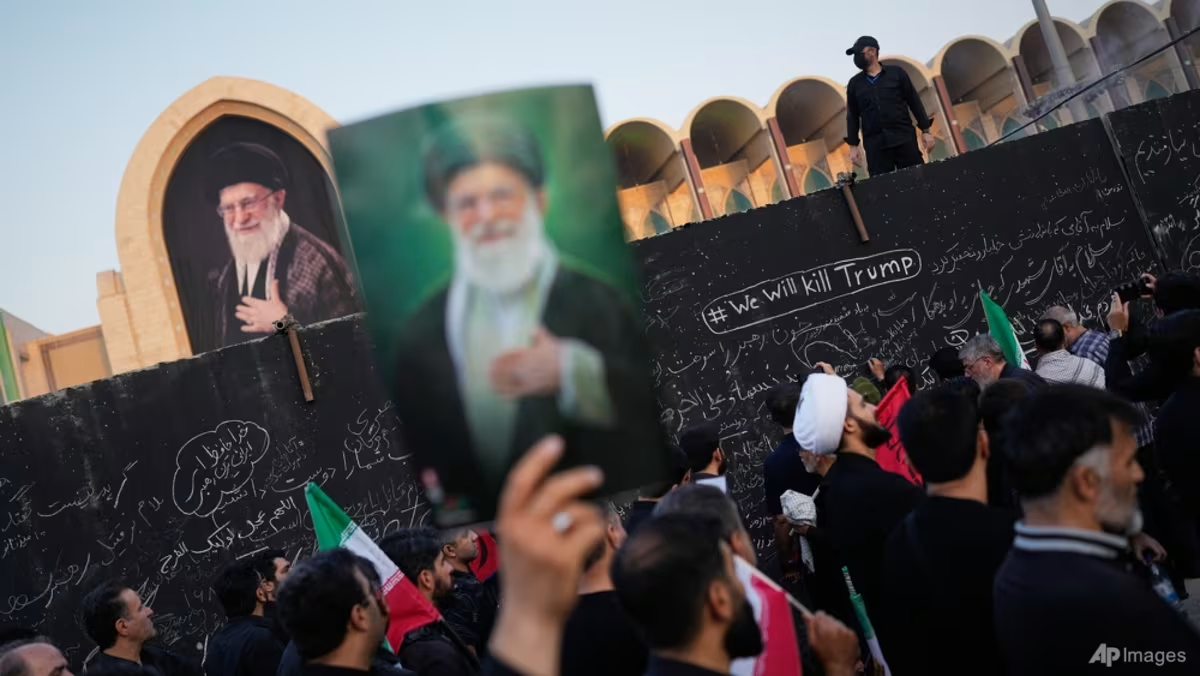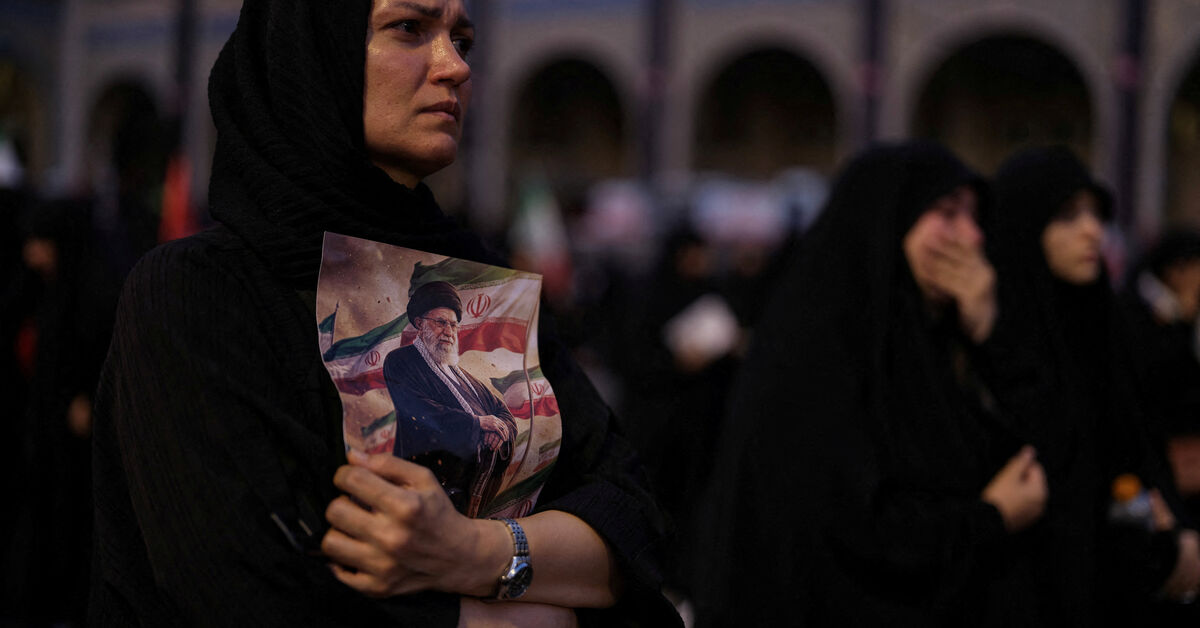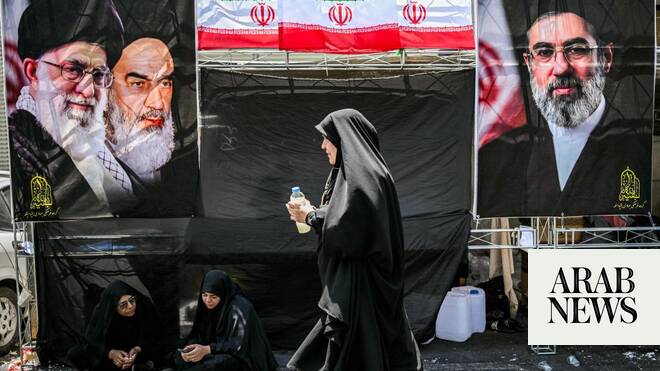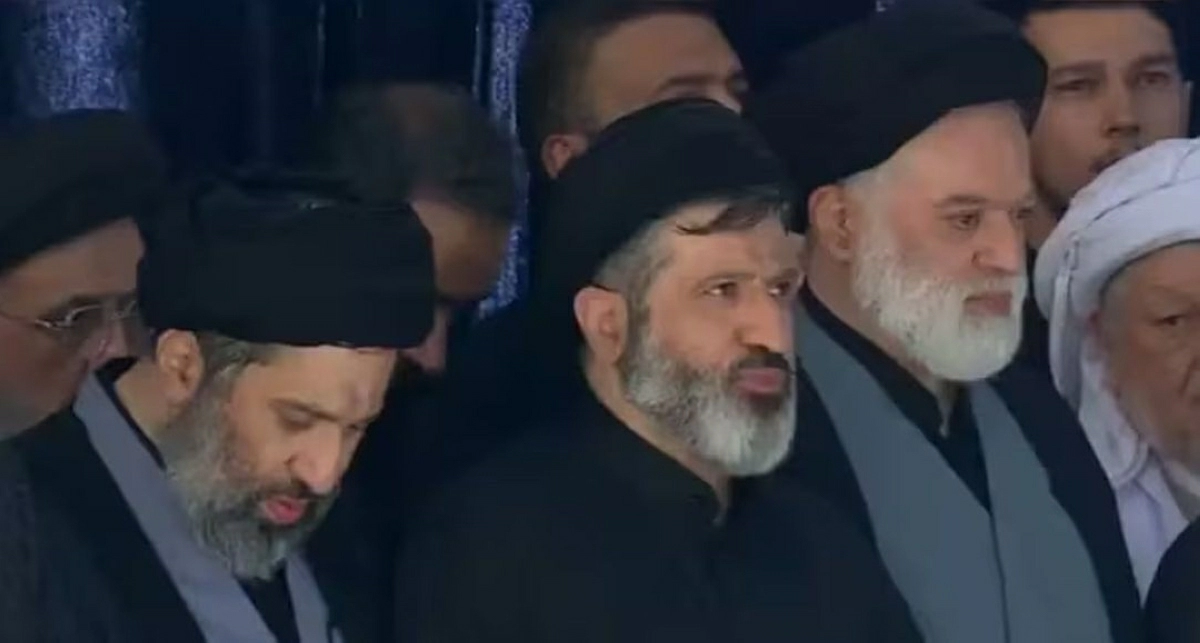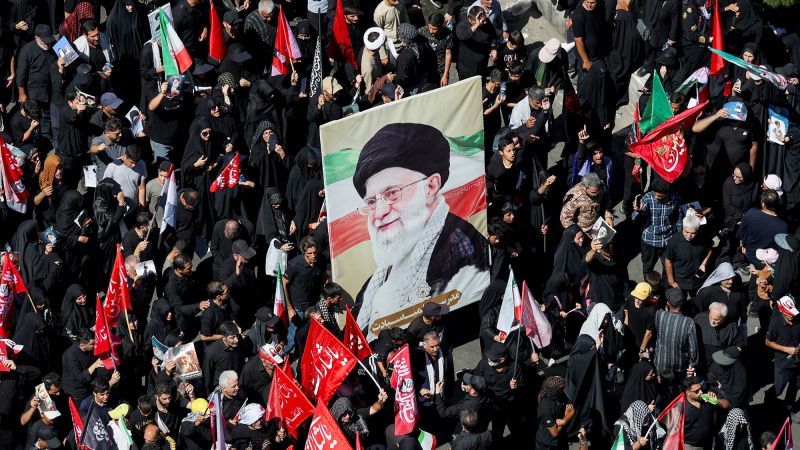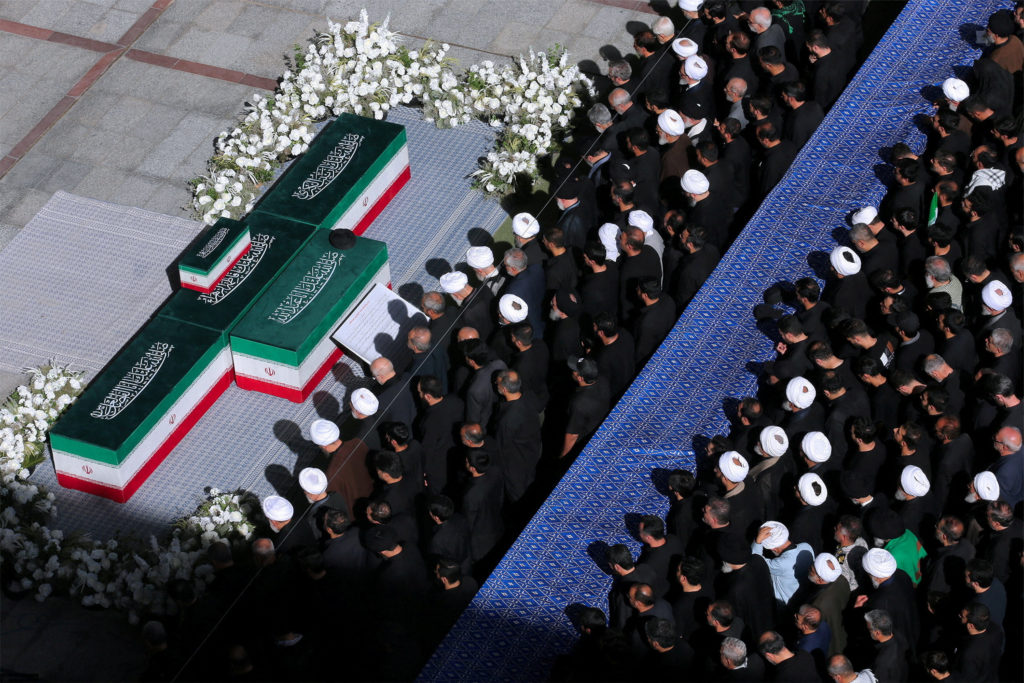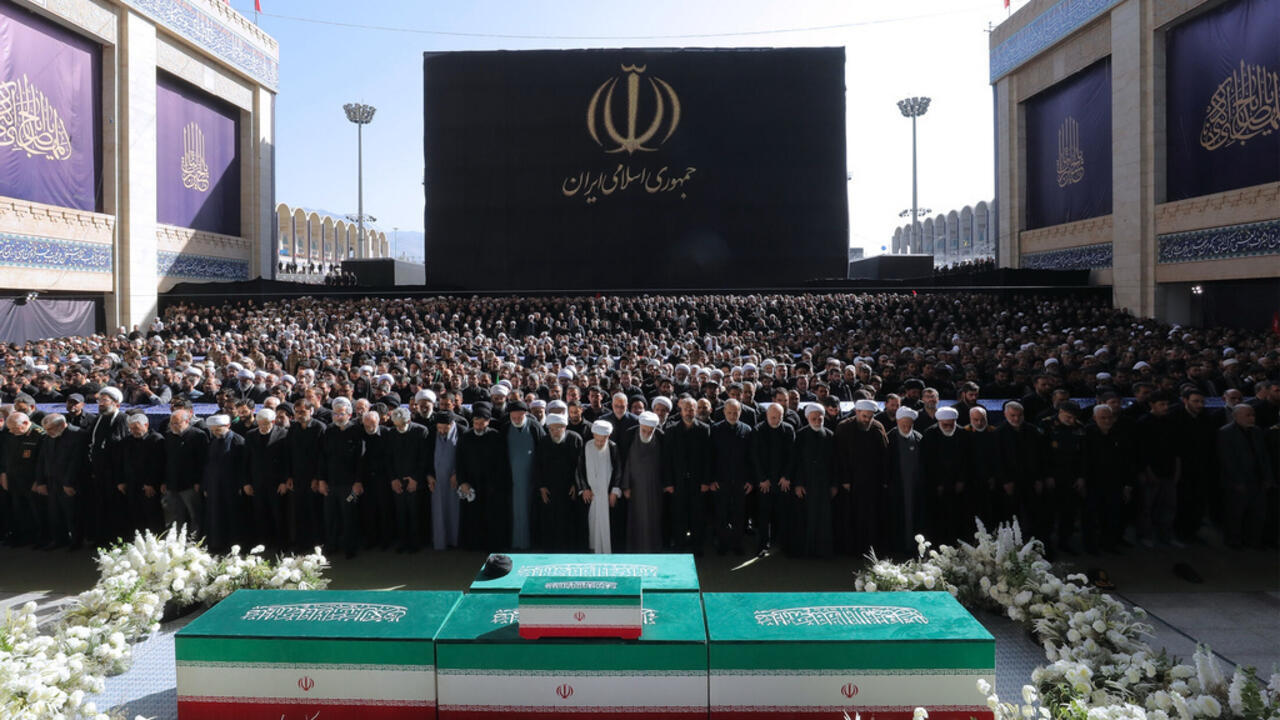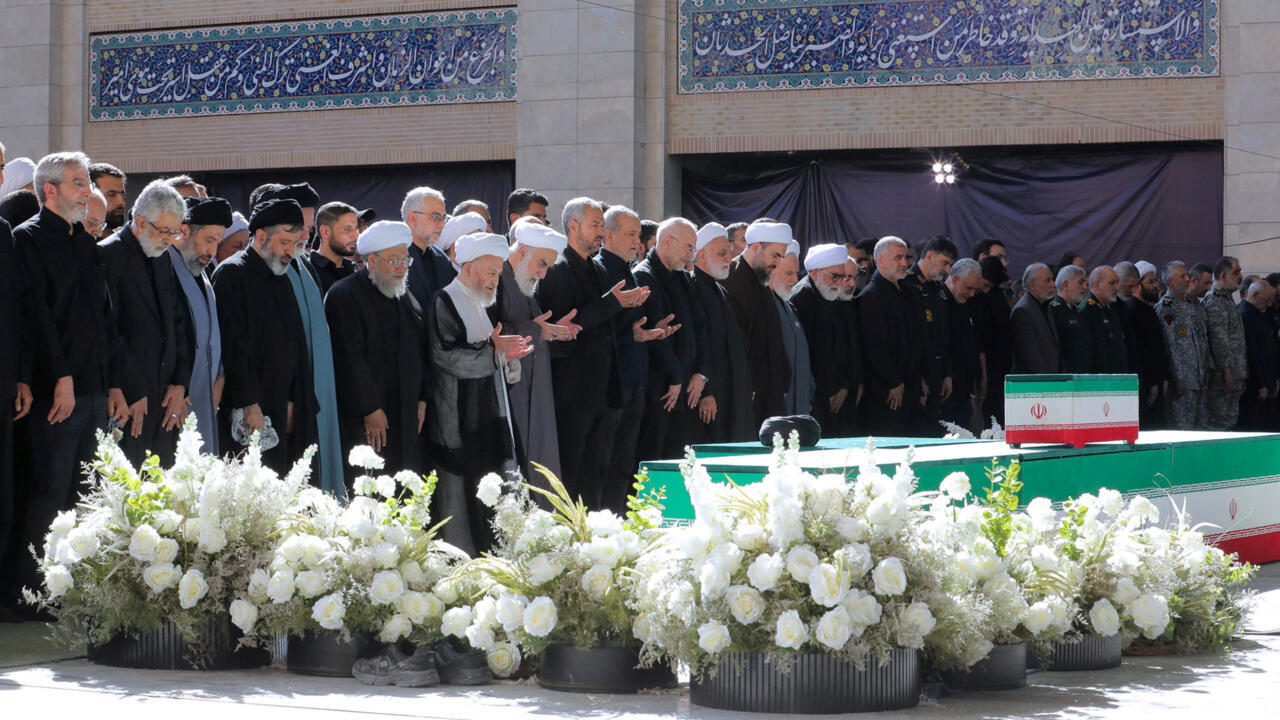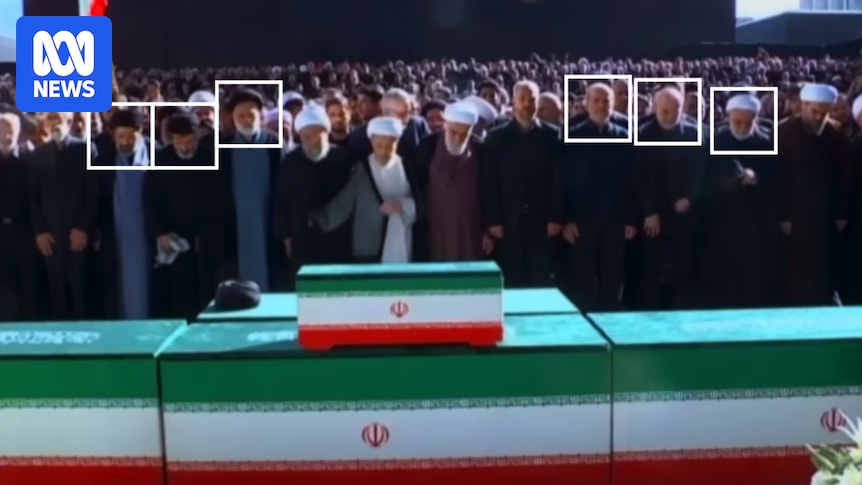
The strictly choreographed funeral of Iran's former supreme leader, Ayatollah Ali Khamenei, has presented a rare insight into the image Tehran wants to project to the world and the men they see as central to it.Over the weekend, three of Khamenei's sons, Mostafa, Meysam and Masoud, were shown on State TV praying behind their father's coffin in the courtyard of Tehran's Imam Khomeini Grand Mosalla.There were other key figures in Iran's political leadership among the sea of mourners, but one man was noticeably absent from the spectacle: Supreme Leader Mojtaba Khamenei.The mysterious 56-year-old cleric has not been seen since the start of the war, giving rise to a flurry of rumours about his health and his capacity to lead.The younger Khamenei is understood to have been injured in the same attack that killed his wife, sister and father, and some Iran watchers have speculated his condition may be the reason he failed to attend.Ahead of the event, analysts told the ABC that Mojtaba Khamenei remains important as a legitimising figure even if he is not really running Iran in the day-to-day sense.From videos and photos taken of the July 4 event, this is what we have learnt about the version of power Tehran wants to show the international community and the people who actually hold it.The visuals Iran wants you to seeKhamenei's funeral was always going to be an elaborate affair, one intended to send a message of defiance to Tehran's enemies.Having ruled Iran from 1989 until his death in February during the opening strikes of the US and Israel's war on Iran, the Ayatollah was reviled by critics and Washington.But he died a martyr in the eyes of regime loyalists.The delay to Khamenei's burial marked a break from the Islamic custom that requires a body to be ritually washed and buried as soon as possible.July 4 ushered in a week-long series of funeral processions for the late leader. The date coincided with America's Independence Day, which this year fell on the 250th anniversary of the creation of the United States.Analysts believe this week's events will be used to send a message that the US and Israel's attempt to break the Islamic Republic has failed despite months of war and targeted assassinations of political and military figures inside Iran."[The visuals from the funeral are] really significant for both domestic and international audiences," said Dara Conduit, an author and Middle East analyst from the University of Melbourne."It's important domestically because it demonstrates to the Iranian population that this regime has a support base, that it is legitimate."Tehran was sending a similar message internationally, she said, with US President Donald Trump inadvertently playing into the hands of Iran's leadership when he commented on photos of Iranians at the funeral.Mourners endured sweltering conditions to attend the funeral ceremonies.
Video shows men who attended Khamenei's funeral and the man who didn't
The strictly choreographed funeral of Iran's former supreme leader, Ayatollah Ali Khamenei, has presented a rare insight into the image Tehran wants to project to the world and the men they see as central to it.
1,497 words~7 min read