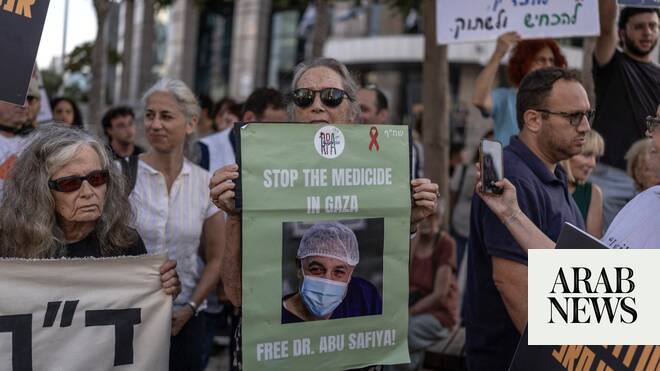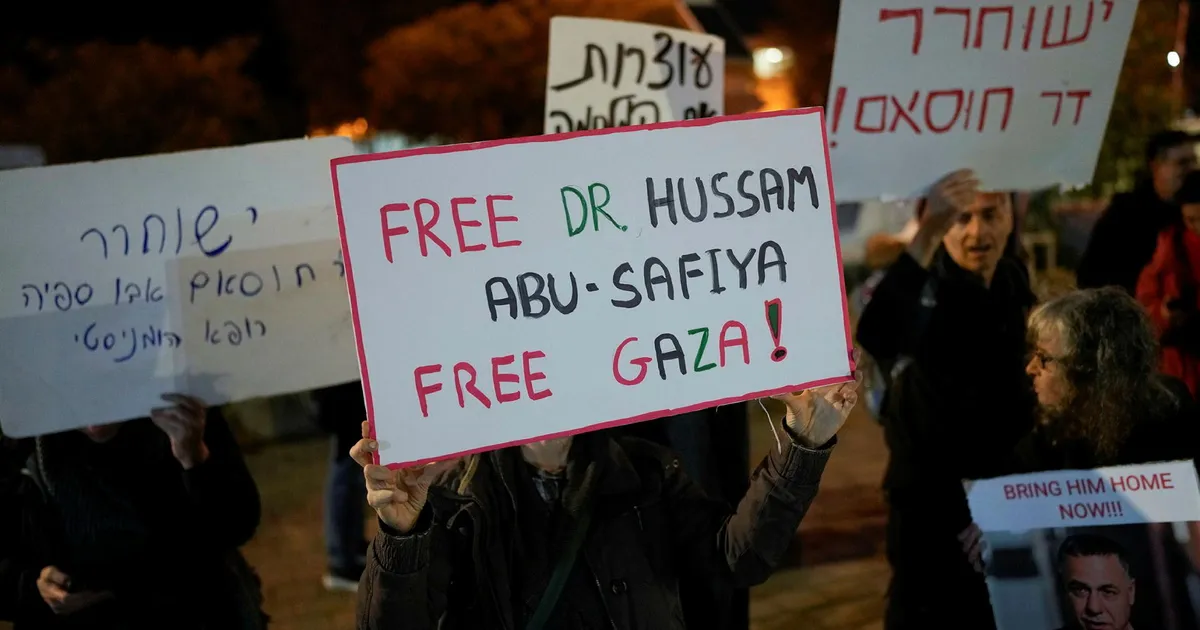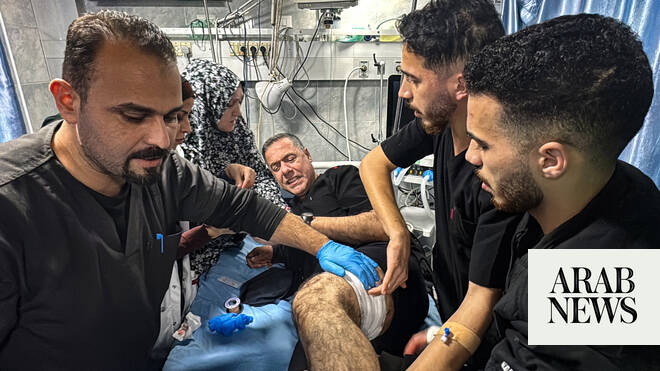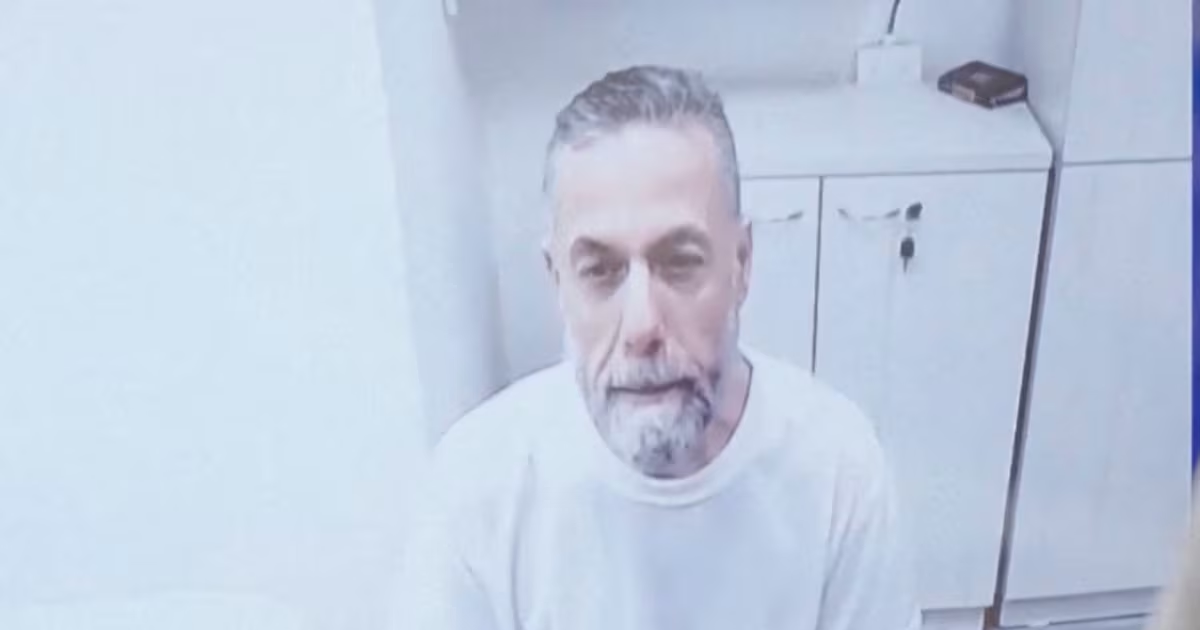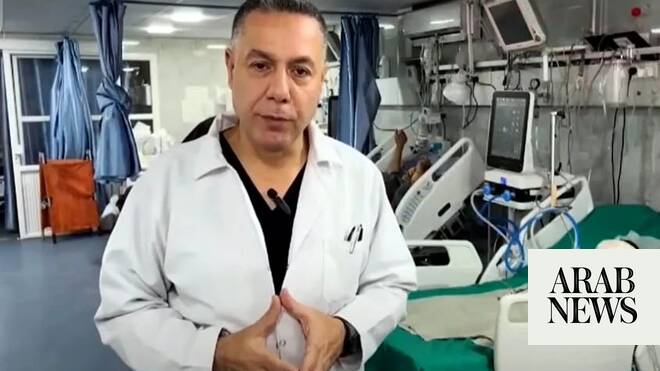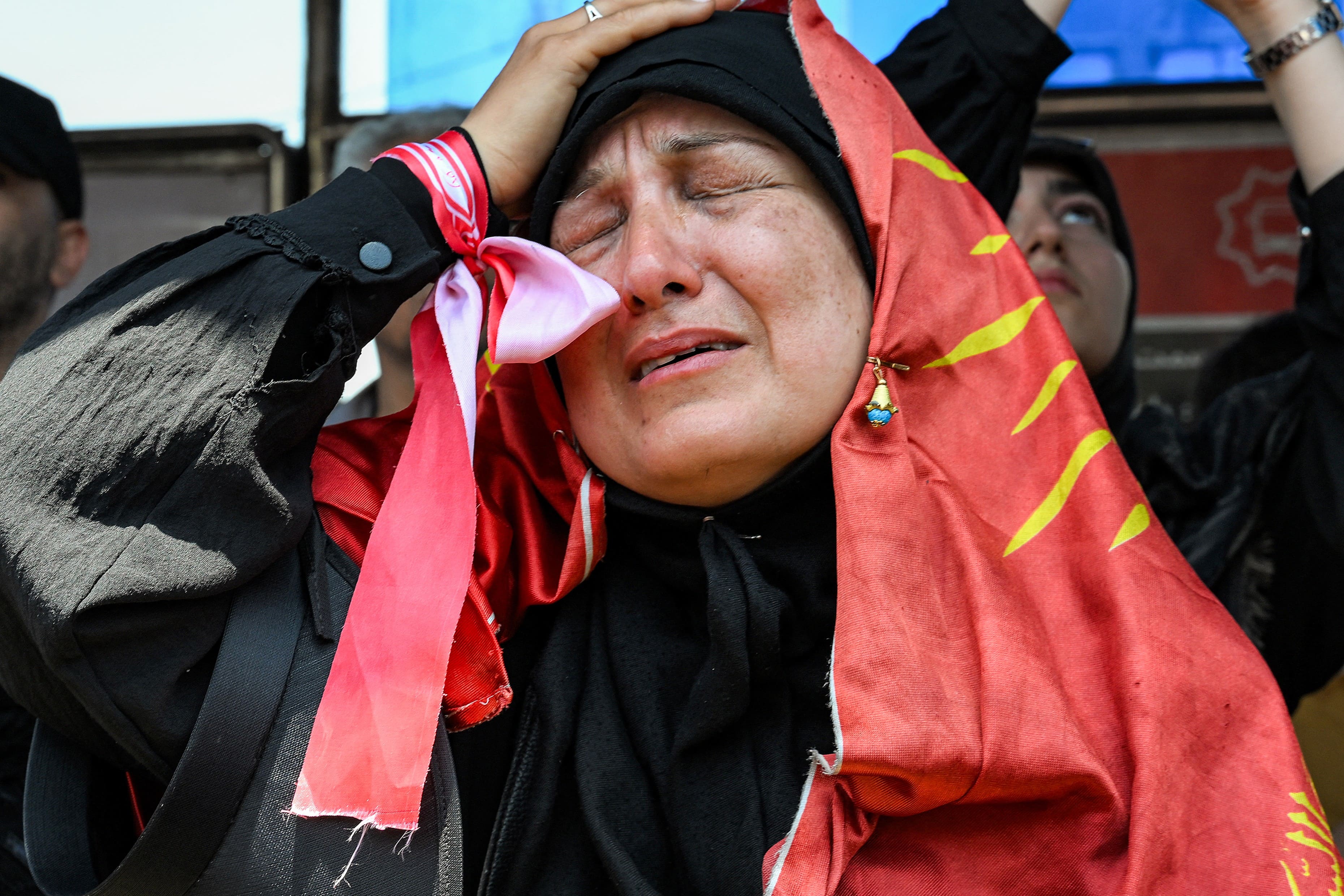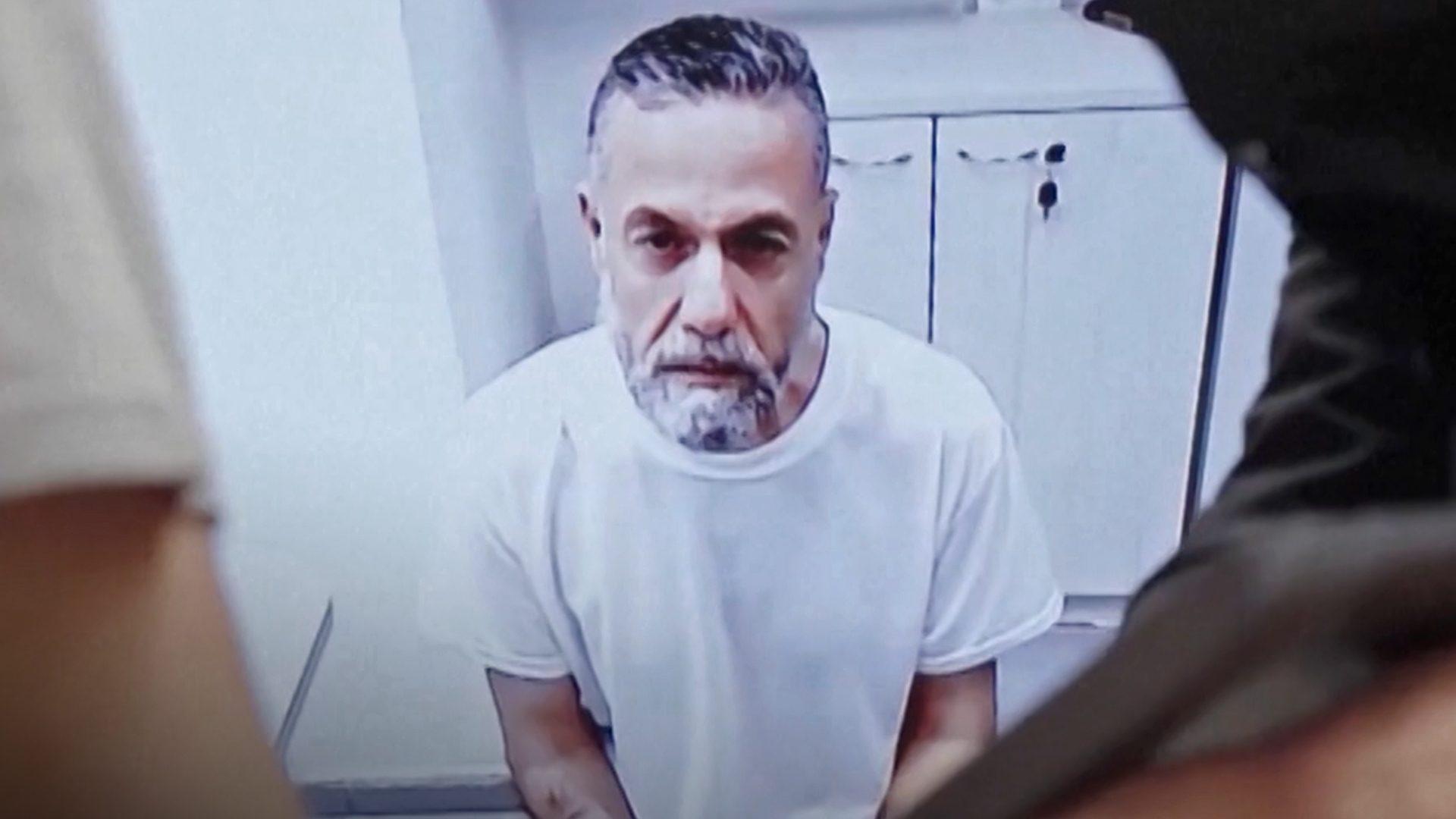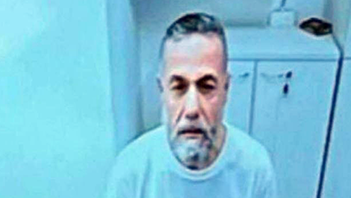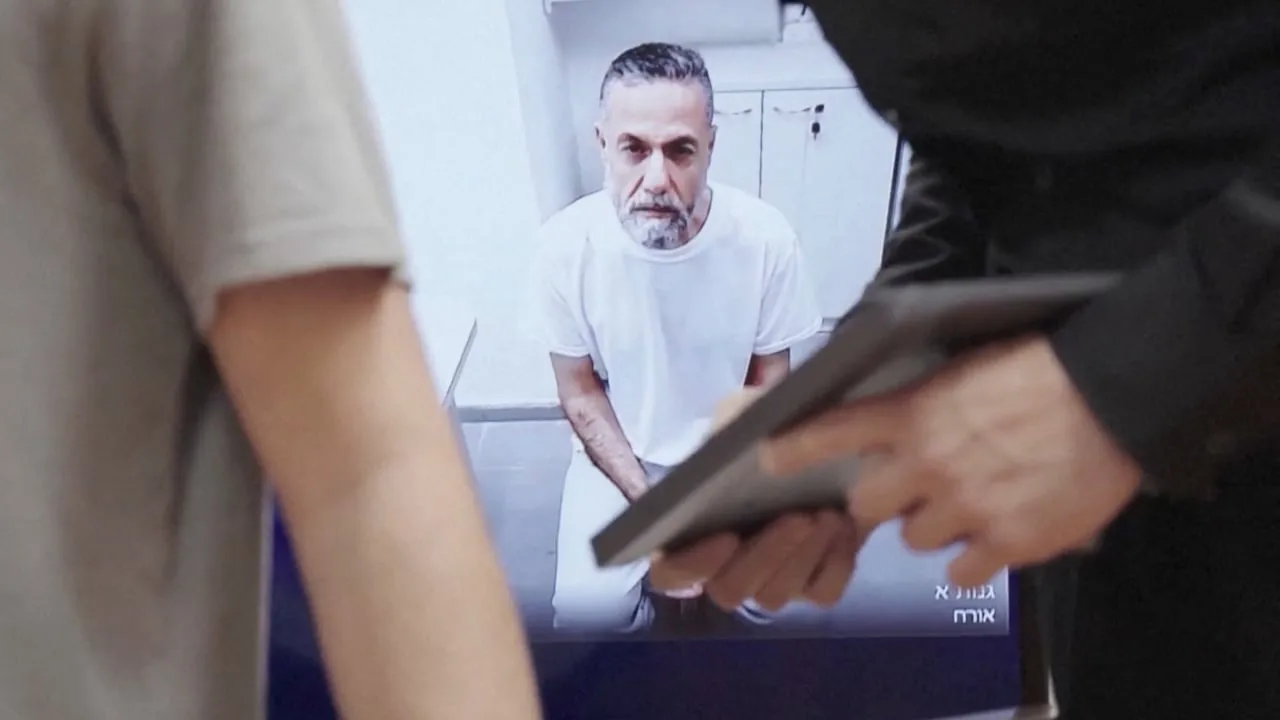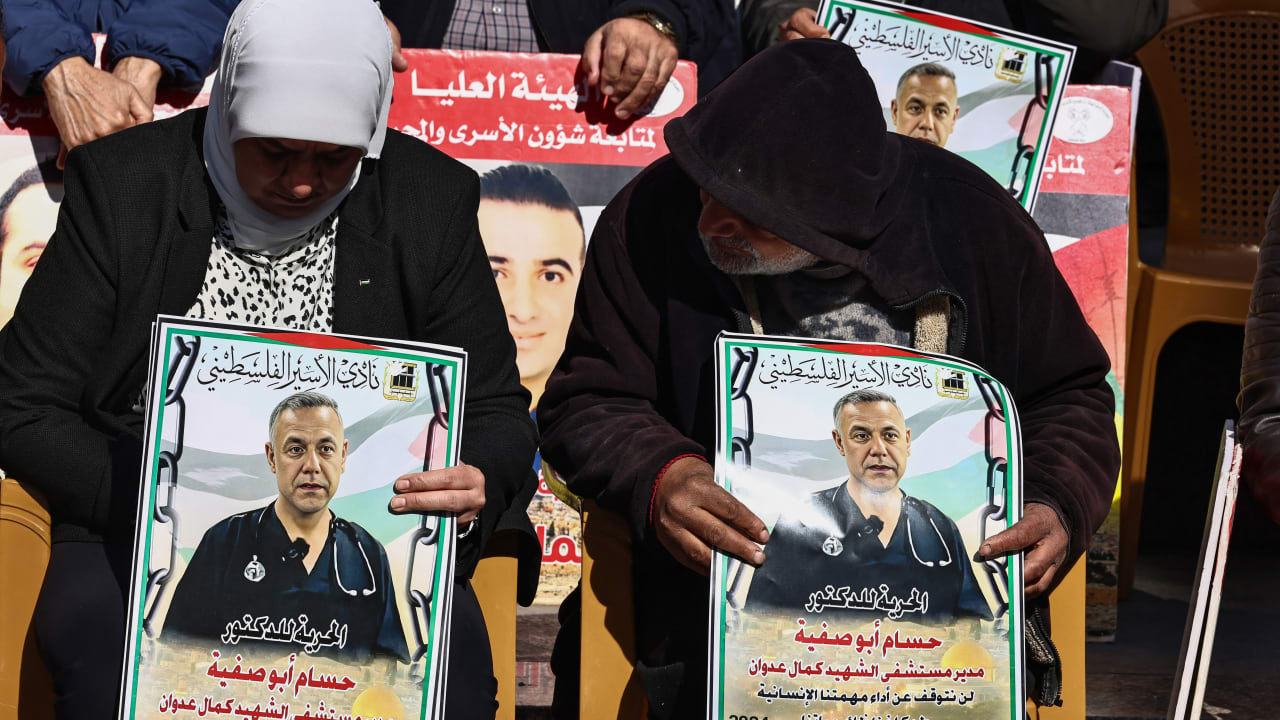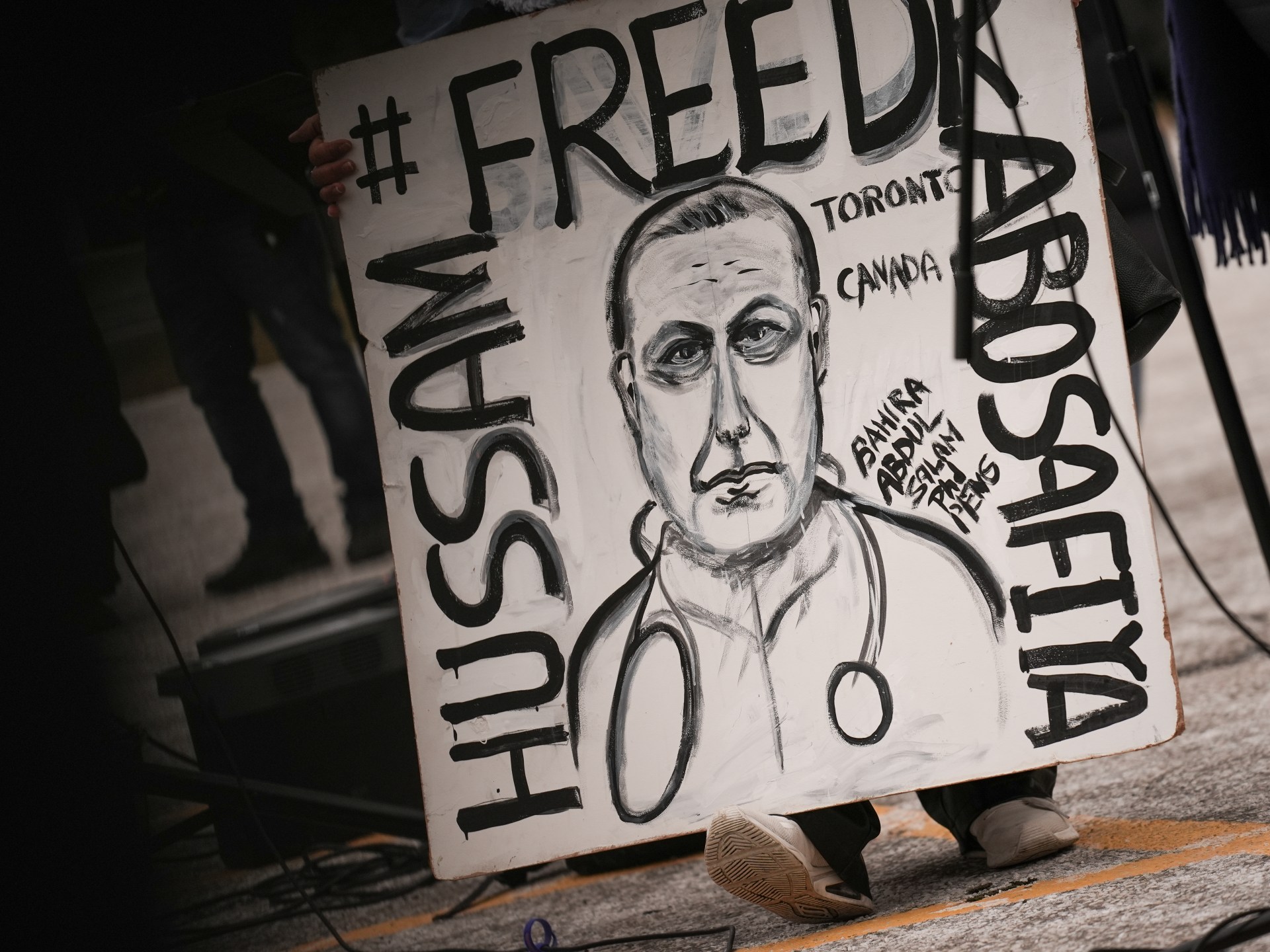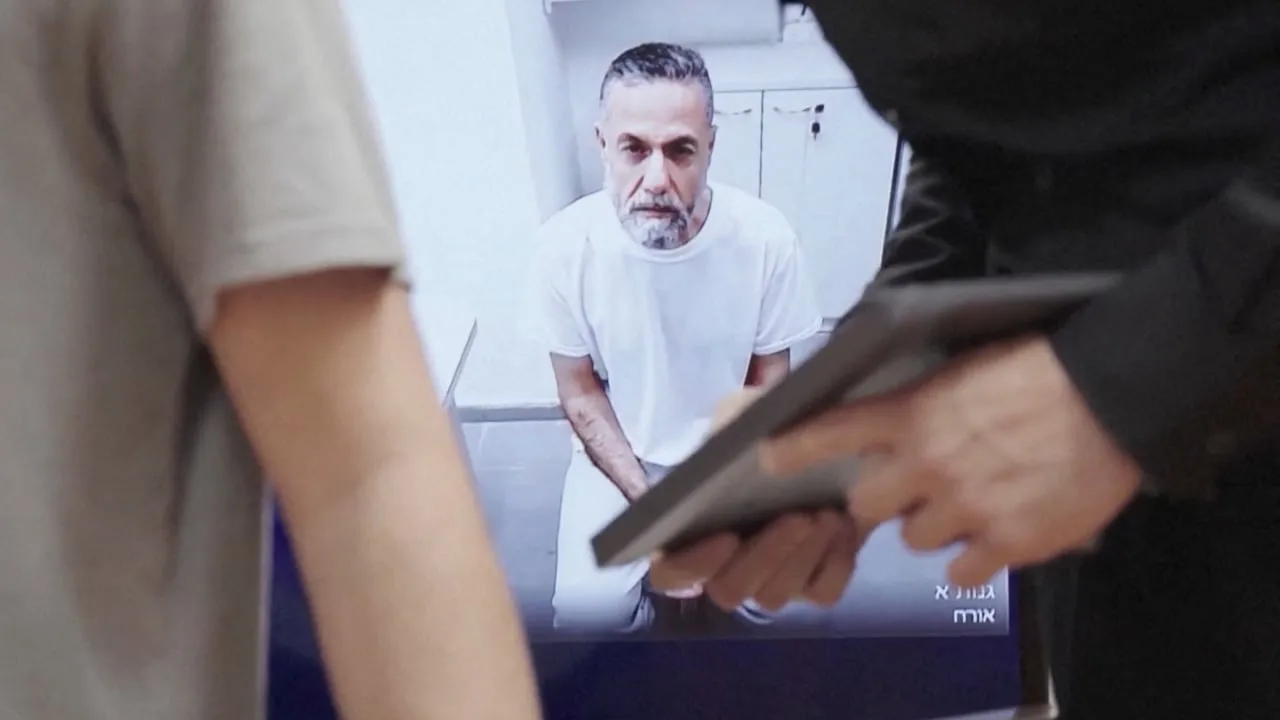
ByYONAH JEREMY BOBJULY 7, 2026 20:33The state was due on Tuesday to file its response to a petition filed by Physicians for Human Rights Israel (PHRI) before the High Court of Justice, in which the NGO seeks the release of 14 Palestinian Gazan doctors, including Hamas-affiliated Dr. Hussam Abu Safiya, who Israel has been holding in administrative detention.Abu Safiya was a Palestinian pediatrician and hospital director who wrote op-eds for The New York Times. He has been held since December 2024, and while PHRI claims he and the other Gazan medical officials are innocent and being wrongfully detained, and that the health of Abu Safiya and others has become endangered by the allegedly problematic incarceration conditions, the IDF has alleged they are all senior Hamas officials, and the Israel Prisons Service (IPS) has said their health situation is stable. Some of the other Palestinian medical officials have been held in administrative detention since late 2023, according to PHRI, meaning a military judge reviews their case every few months, but they have not been formally charged.Until now, the Israeli courts have either rejected prior requests on behalf of the Palestinian medical officials, such as by PHRI, an NGO which says it "views the ongoing occupation of the Palestinian Territory as a root cause of multiple human rights violations including the right to health and actively advocates for its end" - or granted postponements to the state on responding.However, when the state sought another postponement on Sunday, the High Court granted it only two extra days until Tuesday.The High Court of Justice in Jerusalem (credit: OREN BEN HAKOON/ISRAEL HAYOM/POOL)PHRI's most recent petition was filed on April 30 and was followed by repeated requests for postponement, which the court granted.PHRI claims Dr. Abu Safiya was subjected to severe and repeated beatingsWhen PHRI objected to any extended postponement on Sunday, it "stressed that new information provided by Dr. Abu Safiya's lawyer, Attorney Nasser Odeh, indicates that he is in immediate danger to his life following severe violence, visible injuries, and a serious deterioration in his health."PHRI further stated in its response to the Court that "during Attorney Odeh's most recent visit of Dr. Abu Safiya in detention, it became clear that Dr. Abu Safiya had been subjected to severe and repeated beatings and was suffering from serious injuries that made it difficult for his lawyer to recognize him. Based on his direct observations, Attorney Odeh concluded that Dr. Abu Safiya is in immediate danger to his life."In addition, PHRI made the unusual but not unheard of request, that a High Court justice sitting on the panel in the case conduct an urgent visit to Abu Safiya in their capacity as an “official prison visitor”, to assess his condition firsthand and prevent irreversible harm.PHRI has said it plans to submit requests for an urgent visit by a cardiologist on its behalf to examine Abu Safiya, as well as an additional visit by two lawyers, "amid growing concerns for his life and deteriorating health condition."The visit by PHRI in early June was unusual in that, for much of the war since October 2023, Israel heavily cracked down on prison visits based on a variety of claims regarding security and stretched resources.When the war was at its most intense, many Israelis believed there was a logic to holding more potentially dangerous Palestinians from returning to aid Hamas on and off the battlefield, even if there was no public evidence of them directly participating in violence recently.There was also a potential logic in holding some Palestinians generally connected with Hamas in extended detention to trade them for the around 250 Israeli hostages which Hamas held at various points during the war.While most would agree that it would be better to criminally indict such individuals so as to be able to potentially send them to jail using standard criminal procedures, Israeli law, and some other legal systems, recognize that there can be cases where intelligence is able to prove to a relative certainty that a given individual is a terrorist, yet that this cannot be proven in a standard criminal trial.This occurs when intelligence sources and methods would need to be revealed to the defense and the terrorist to be used as evidence in a criminal trial.Some of those who have criticized Israel for holding these physicians have portrayed the cases as black and white, disregarding evidence that Hamas was not deeply embedded in all or nearly all of Gaza's hospitals.Hamas embedded in Gaza's hospitalsIn contrast, The Jerusalem Post, in visits to Gaza, witnessed up close that Hamas was deeply embedded in some of Gaza's hospitals, including vast amounts of weapons and interconnected tunnels for senior Hamas officials.In addition, prior to the IDF’s invasion of Shifa Hospital in northern Gaza in November 2023, Hamas terrorists murdered the hostage Noa Marciano in the area of the hospital.Documentation published at the time by Israel showed Hamas terrorists taking two hostages, a Nepali citizen and a Thai citizen, into Shifa Hospital, with one of them wounded and being led to a hospital bed while the other was walking.Additional documentation followed, proving that hostages, including an infant, had been held in a portion of Rantisi Hospital in Gaza.This and additional vast amounts of evidence contradict the narrative that Gaza's hospitals were all innocent and support Israel's contention that Hamas systematically used them as command centers.Despite all of this evidence, the longer the October 2025 ceasefire with Hamas has held, the more pressure has risen on Israel to either charge or release officials like Abu Safiya who have spent an extended period in administrative detention.Prior to 2023, typical administrative detention only lasted for an average of six months, with even long detention usually ending within around two years, meaning some of these officials have already been detained past the pre-war longer typical cut-off.Follow us on Google
High Court weighs release of Gazan doctors held by Israel | The Jerusalem Post
Israel’s detention of Gazan medical officials, including Abu Safiya, has become a legal and security challenge as pressure grows to either charge or release detainees.
972 words~4 min read