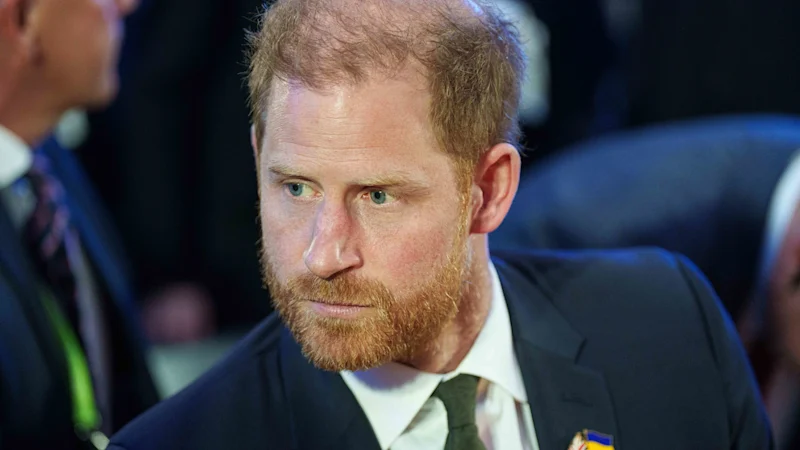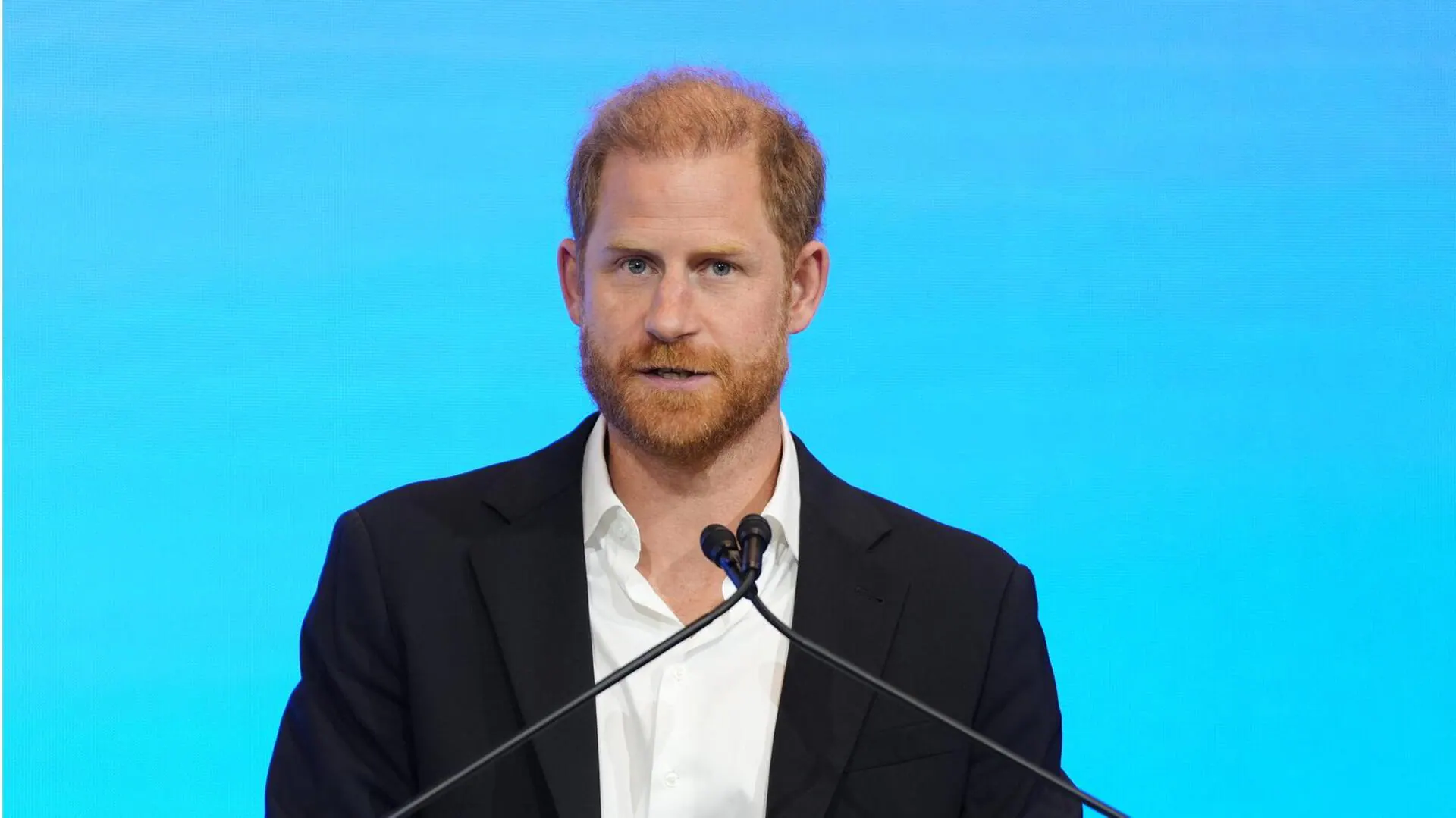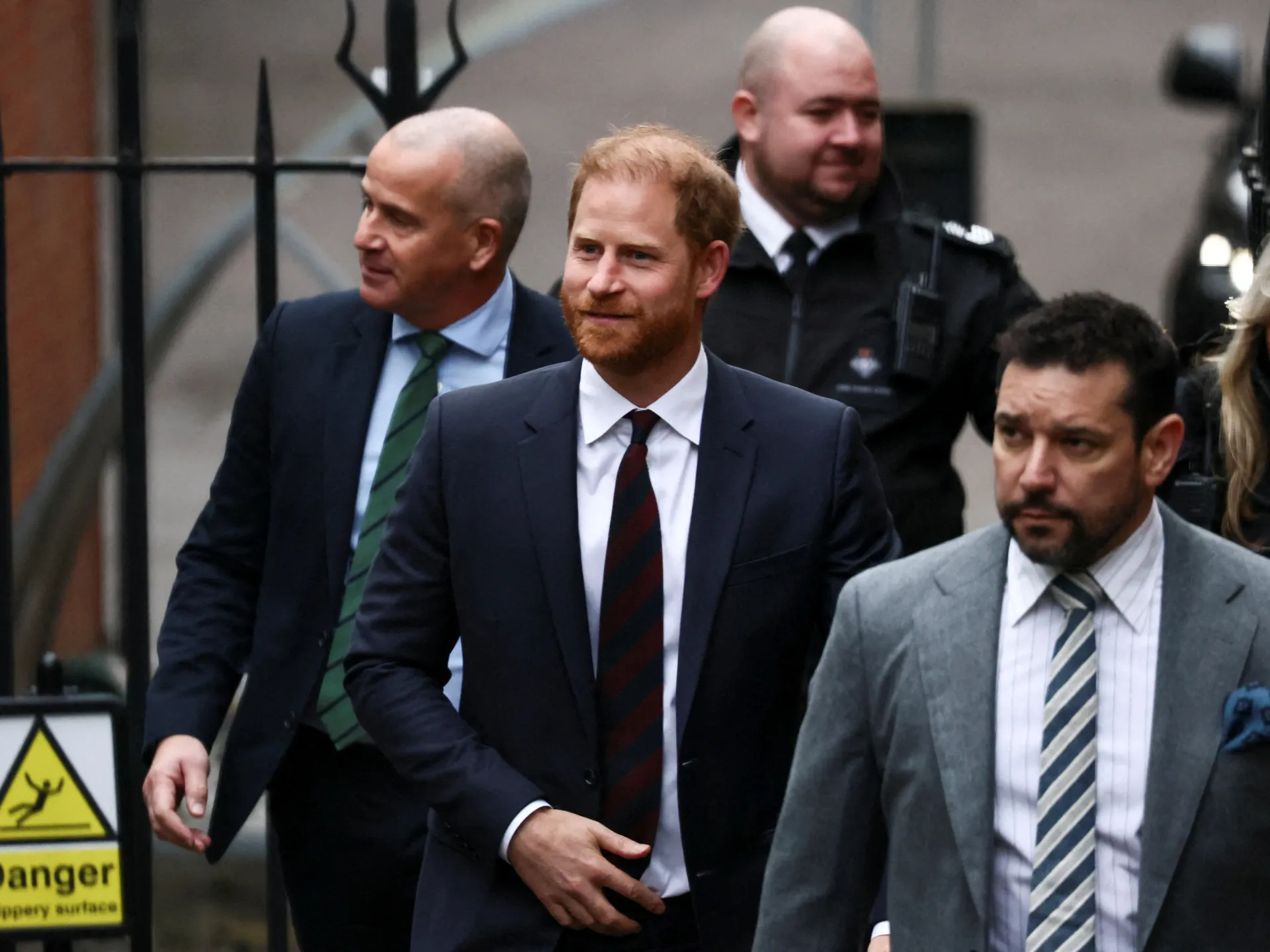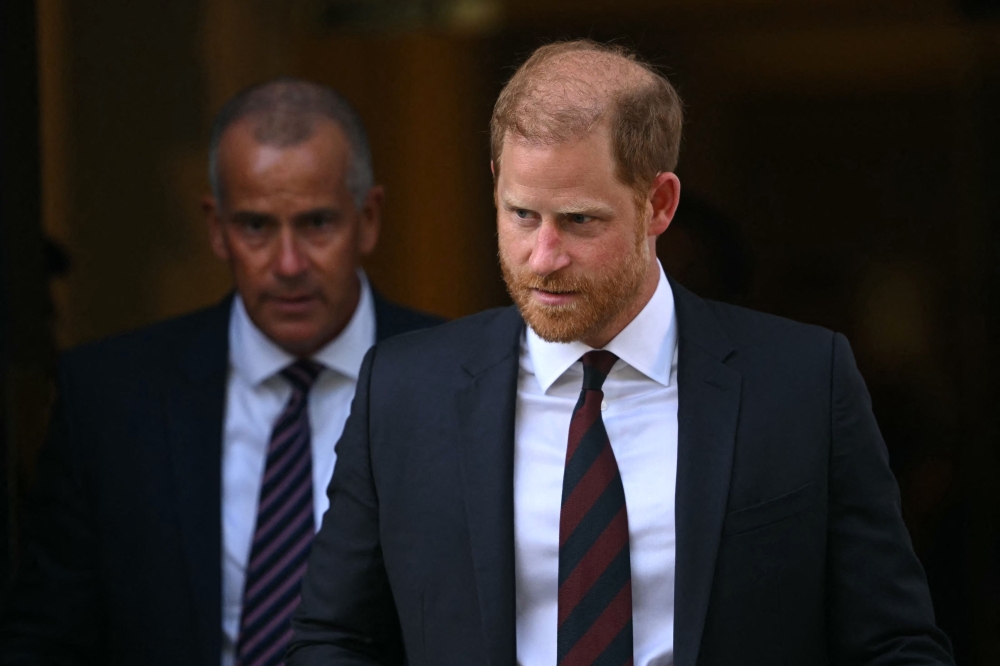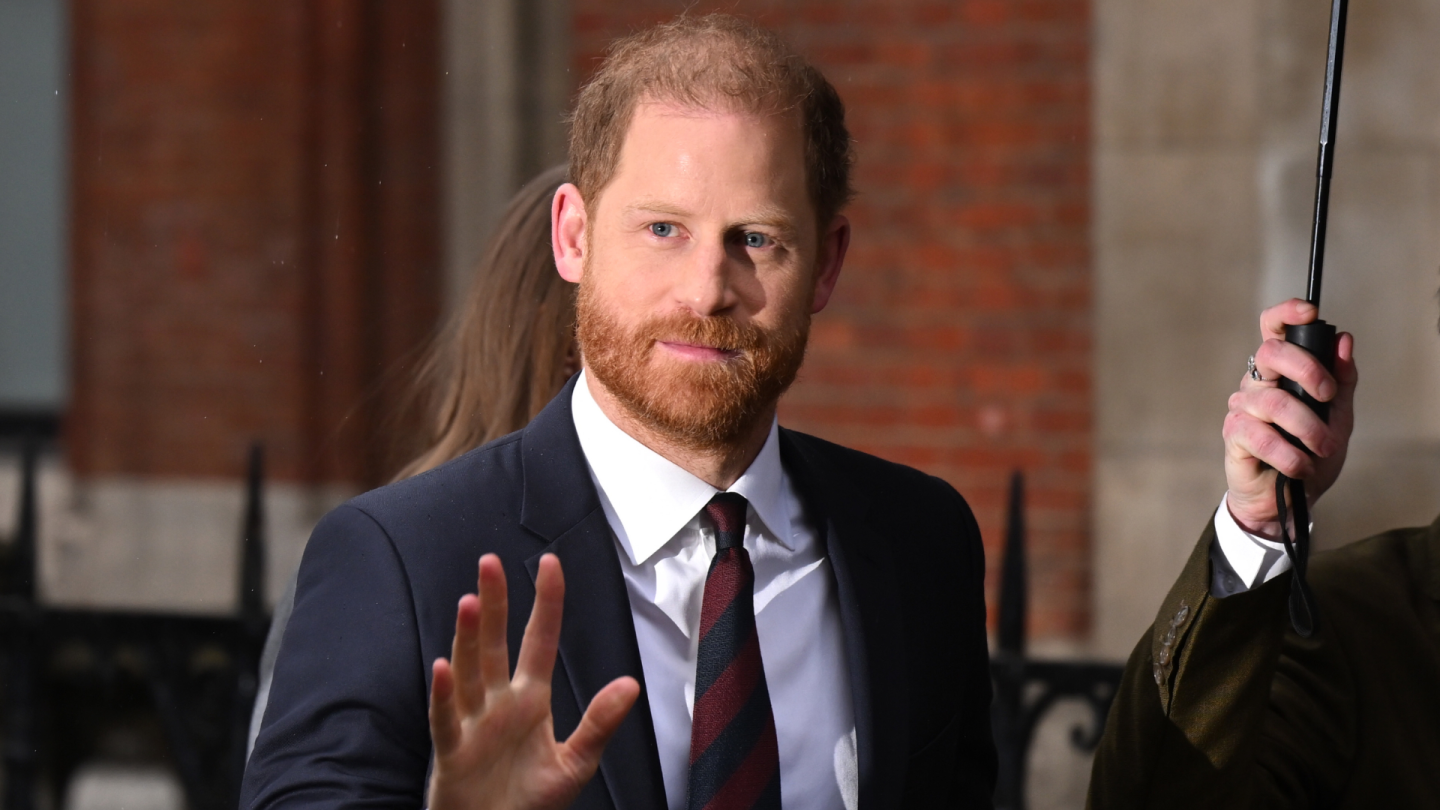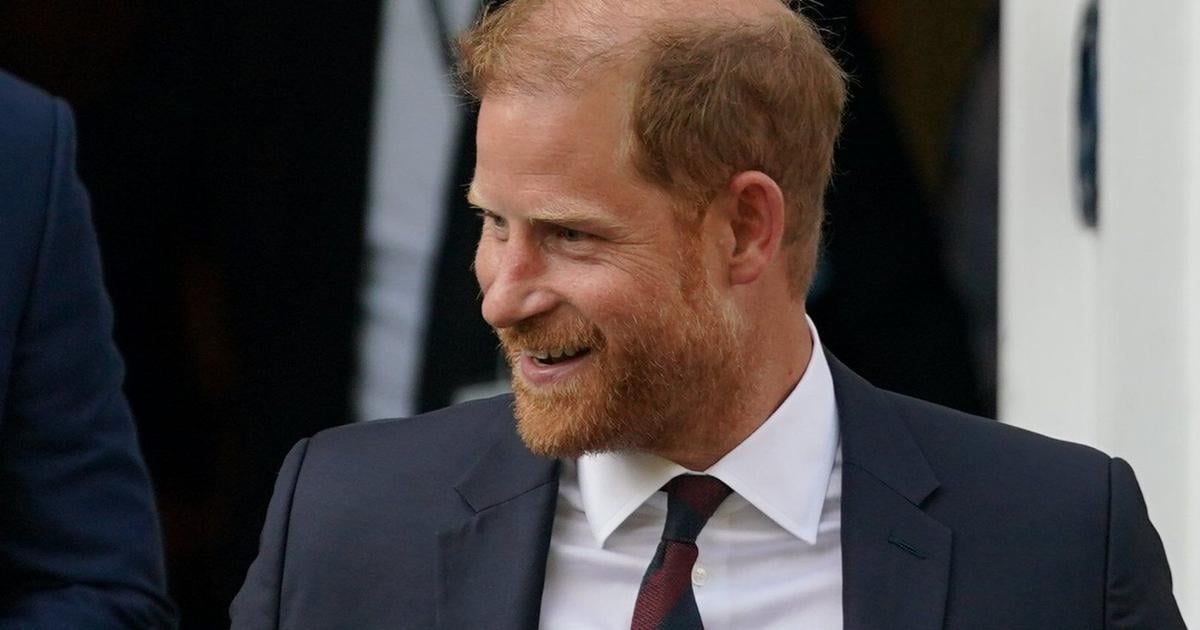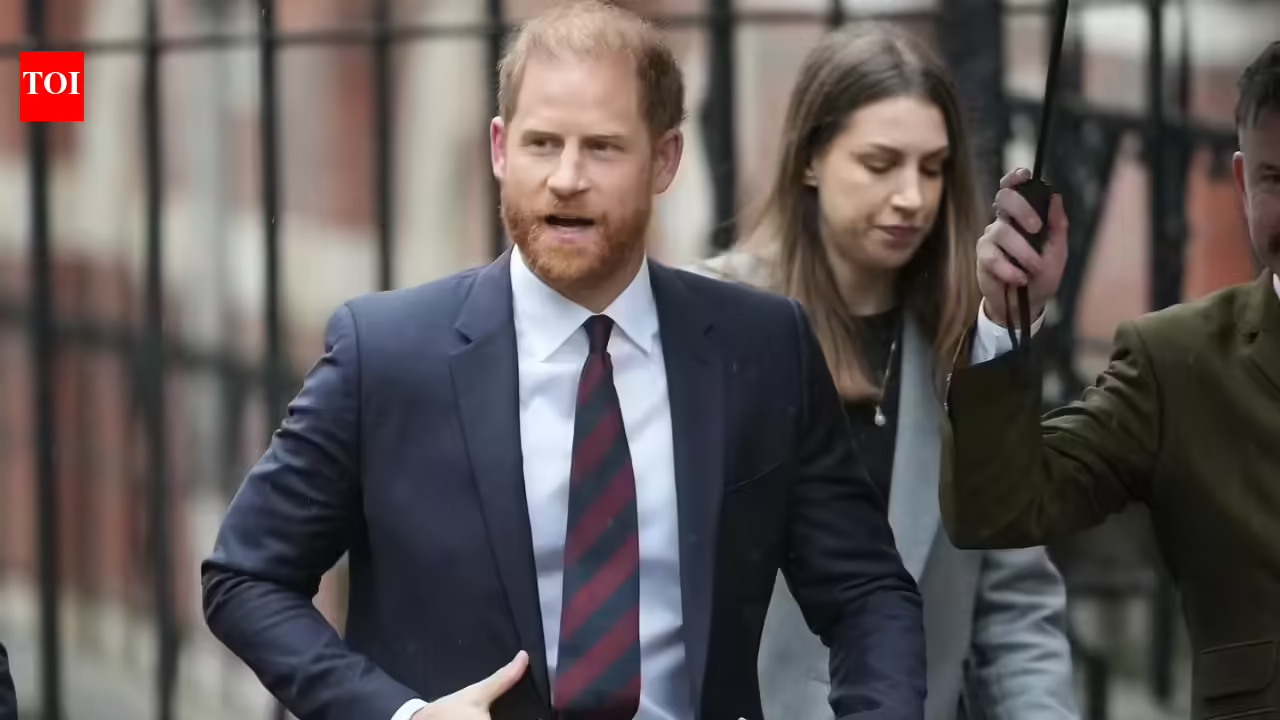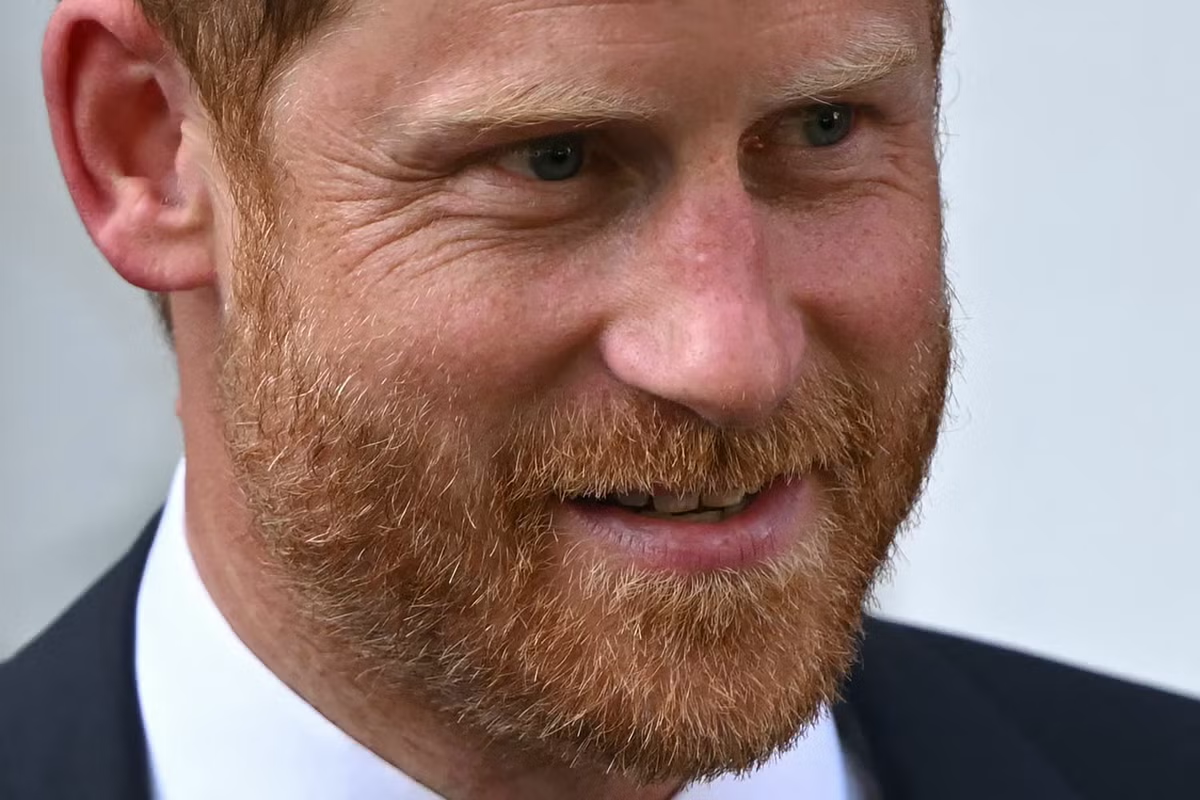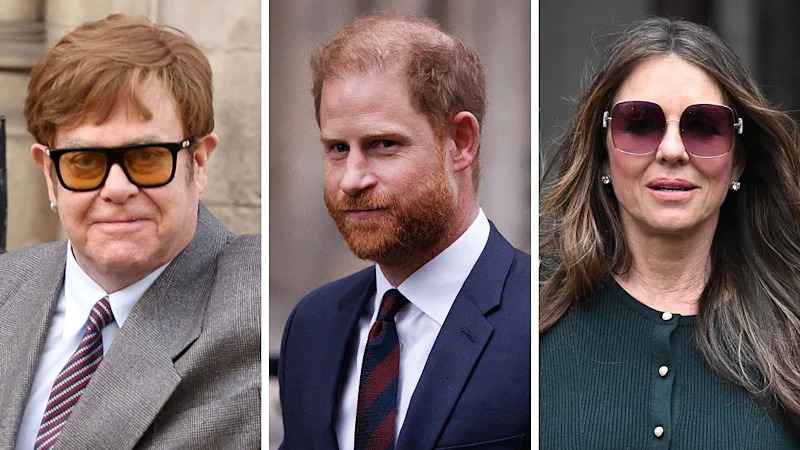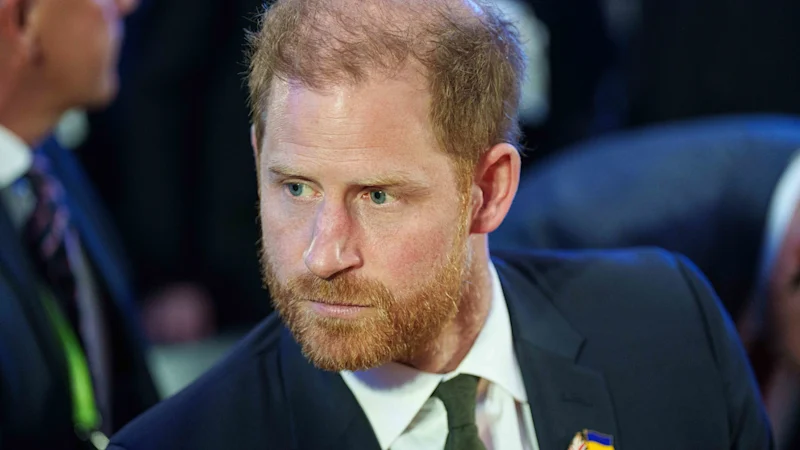
Updated July 8, 2026 — 3:29am,first published 11:34pmLondon: Prince Harry has lost a major court claim against a British publisher over his personal privacy, prompting him to blame the judge for a “whitewash” that he claimed ignored evidence of unlawful ploys such as phone hacking.The High Court ruled that the Duke of Sussex and celebrities including Elton John and Liz Hurley had failed to prove their allegations, and it dismissed their claims on all counts.Elton John, Prince Harry and Elizabeth Hurley accused The Daily Mail of using illegal ploys such as phone hacking to get its news.GettyHarry and the other claimants had accused The Daily Mail, one of the country’s most powerful newspapers, of using illegal ploys such as phone hacking to get its news.They also claimed it used “blagging” – a practice in which a journalist makes false claims to trick people into divulging information.The court ruling came on the first full day of Harry’s visit to England on a personal trip that has heightened tensions with his father, King Charles, and his brother, Prince William, including a dispute over whether the Duke of Sussex could stay at Buckingham Palace.Clearly angry at the court ruling, Harry issued a statement with a fellow claimant, Baroness Doreen Lawrence.“It is a complete and obvious whitewash, but sadly not altogether unexpected. However, the lengths to which the court has gone to exonerate the Mail is as shocking as it is totally unwarranted,” they said.“When the court says there is not sufficient evidence of wrongdoing, despite the documents showing otherwise, then one does wonder how justice was ever going to be achieved.“It feels here like one rule for the newspapers and another for the claimants. While the claimants presented evidence, Mail journalists simply gave denials, and the court chose uncritically to believe them, even in the face of inconsistencies, contradictions and blatant untruths that were obvious to neutral observers in court when compared to the documents.”The prince was joined in the case by Hurley, actress Sadie Frost, politician Simon Hughes and Baroness Lawrence, a member of the House of Lords whose son was murdered in a racist attack. John joined the case with his husband, David Furnish. All claimed the owner of the media outlet – Associated Newspapers – had used illegal means to gain information about them.Harry is currently visiting London, pictured here arriving at Chatham House for an Invictus Games event. Getty ImagesBut the court dismissed their claims and said they had not proven there was “unlawful information gathering” (UIG) against them.“The court emphasised that it was for the claimants to prove UIG. These were civil claims, so the legal test was whether the allegations were proved on the balance of probabilities,” wrote High Court Judge Matthew Nicklin in his summary.“But the allegations were serious: they included allegations of dishonesty, unlawful conduct and deliberately false evidence. The more serious and less likely an allegation is, the more convincing the evidence must be before a court can find it proved.”The judge found the claims by the prince and others relied on “inference” rather than hard evidence.“But suspicion, even where understandable, was not enough,” he wrote.“The claimants had to prove that the information complained of had been obtained unlawfully. The court rejected the argument that, simply because information was private, and because Associated could not positively explain how it had been sourced, the relevant article must have been unlawfully sourced.”Associated Newspapers vigorously denied any wrongdoing over stories that appeared between 1993 and 2018, and its journalists appeared in court to deny “blagging” or phone hacking.“The claimants failed to prove their pleaded allegations of UIG,” the judge concluded.“The court rejected the attempt to prove the claims by broad inference where there remained a legitimate and realistic possible lawful source pathway, or where the article-specific evidence did not prove that the relevant information must have been obtained unlawfully.”The decision has implications for Jonathan Vere Harmsworth, the hereditary peer Viscount Rothermere, whose great-grandfather founded The Daily Mail in 1896.One claim against the paper was that its journalists unlawfully obtained details of a “private and intimate” conversation between Harry and his brother, Prince William, about photographs of the death of their mother, Princess Diana, in a car crash in 1997.Another was that journalists unlawfully gained details of a private discussion between Harry and William about a memorial for their mother that involved help from John. The musician sang a version of Candle in the Wind at Princess Diana’s funeral in 1997.Harry also claimed the newspaper gathered information about his relationships with girlfriends before he met Meghan Markle, whom he married in 2018.The barrister representing all the claimants, David Sherborne, cited text messages, invoices, payment details and other records to argue the company knew the information was obtained by breaking the law.The case revived the questions about journalism that arose during the investigation into phone hacking by Rupert Murdoch’s News Corp more than a decade ago. News Corp was not a party to the current case. Harry settled a claim against News Corp and its London tabloid, The Sun, for an estimated £10 million ($19 million) early last year.Get a note directly from our foreign correspondents on what’s making headlines around the world. Sign up for our weekly What in the World newsletter.David Crowe is Europe correspondent for The Sydney Morning Herald and The Age.Connect via X or email.From our partners
‘Whitewash’: Prince Harry lashes out at judge after losing privacy case against the media
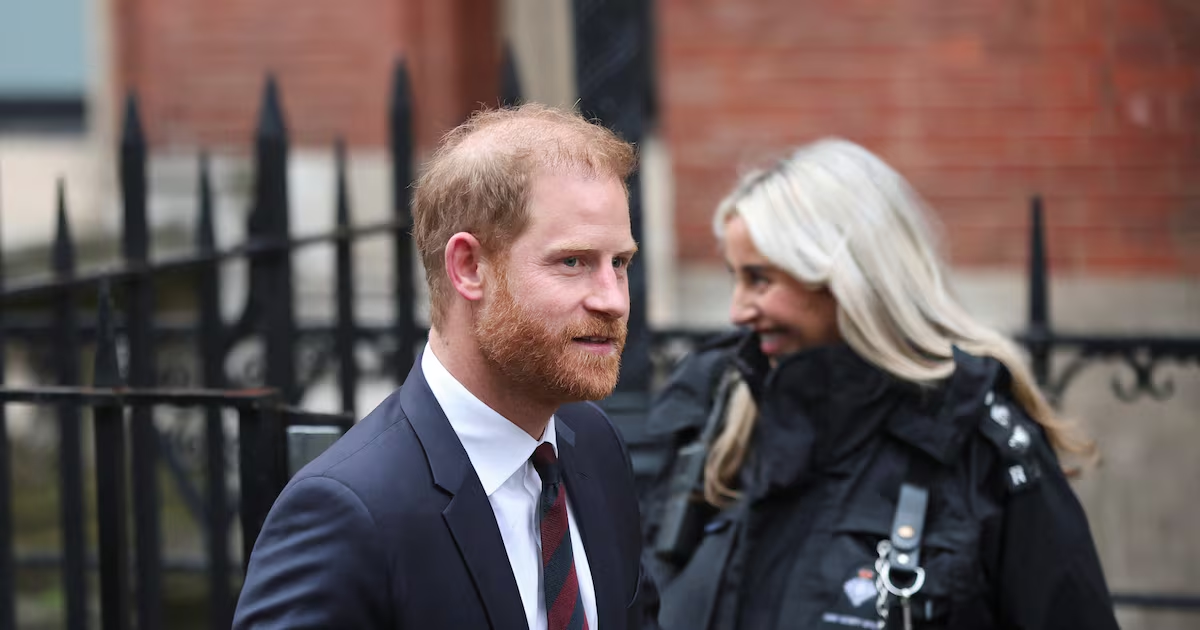
Harry, who was in London at the time of the ruling, has brought several legal cases against the British press.
892 words~4 min read