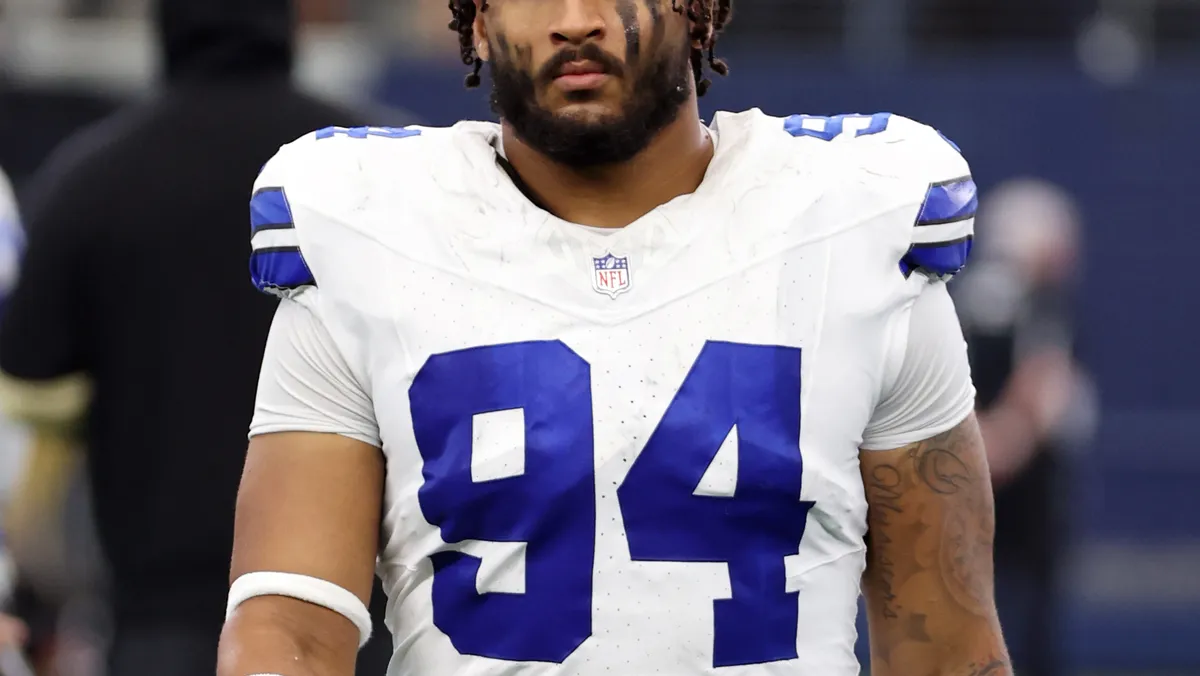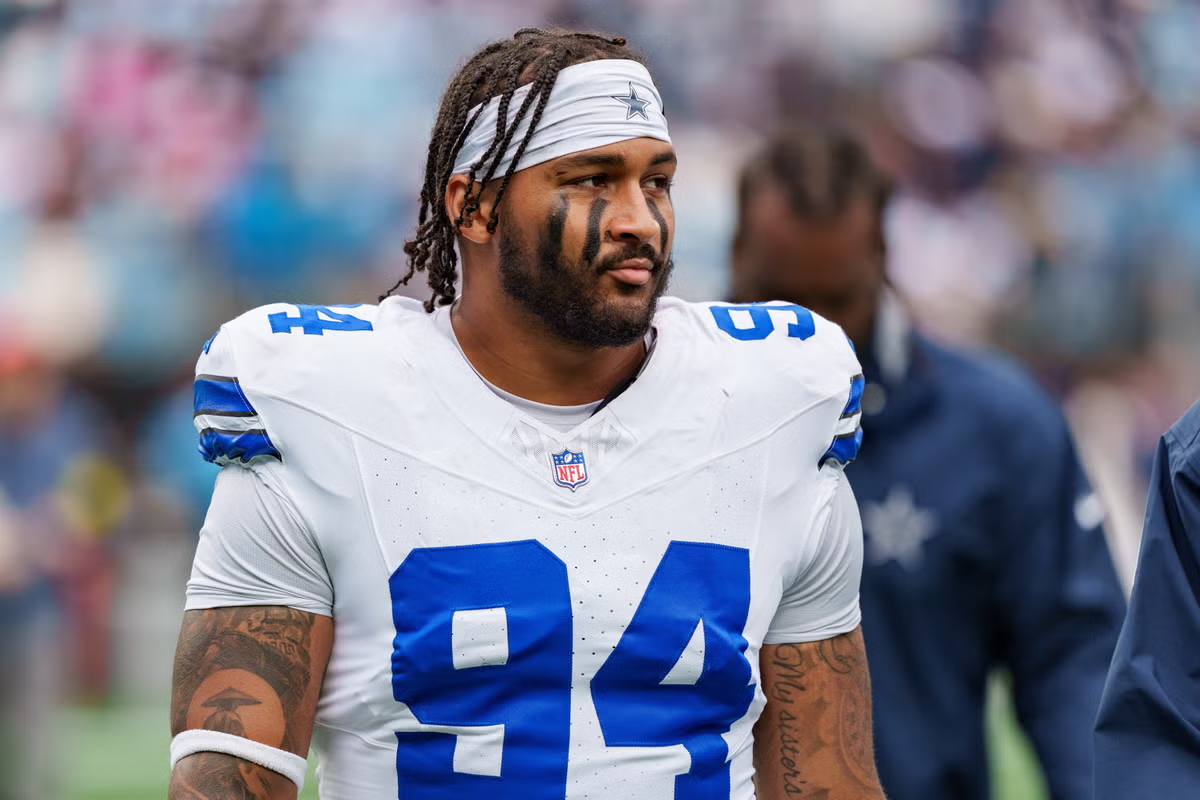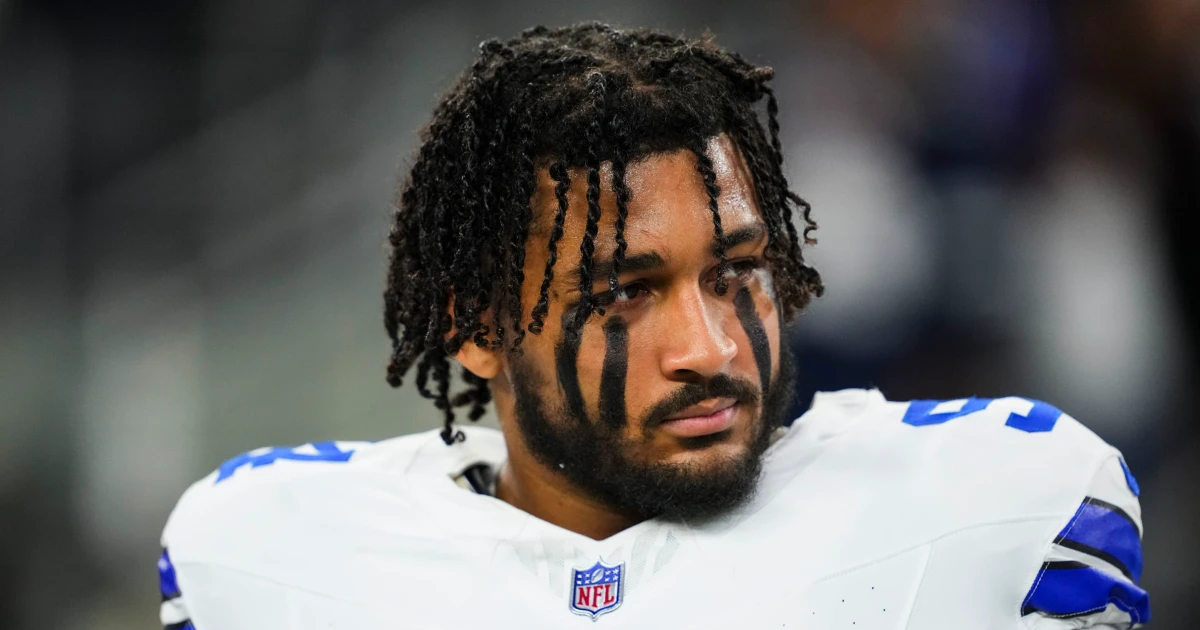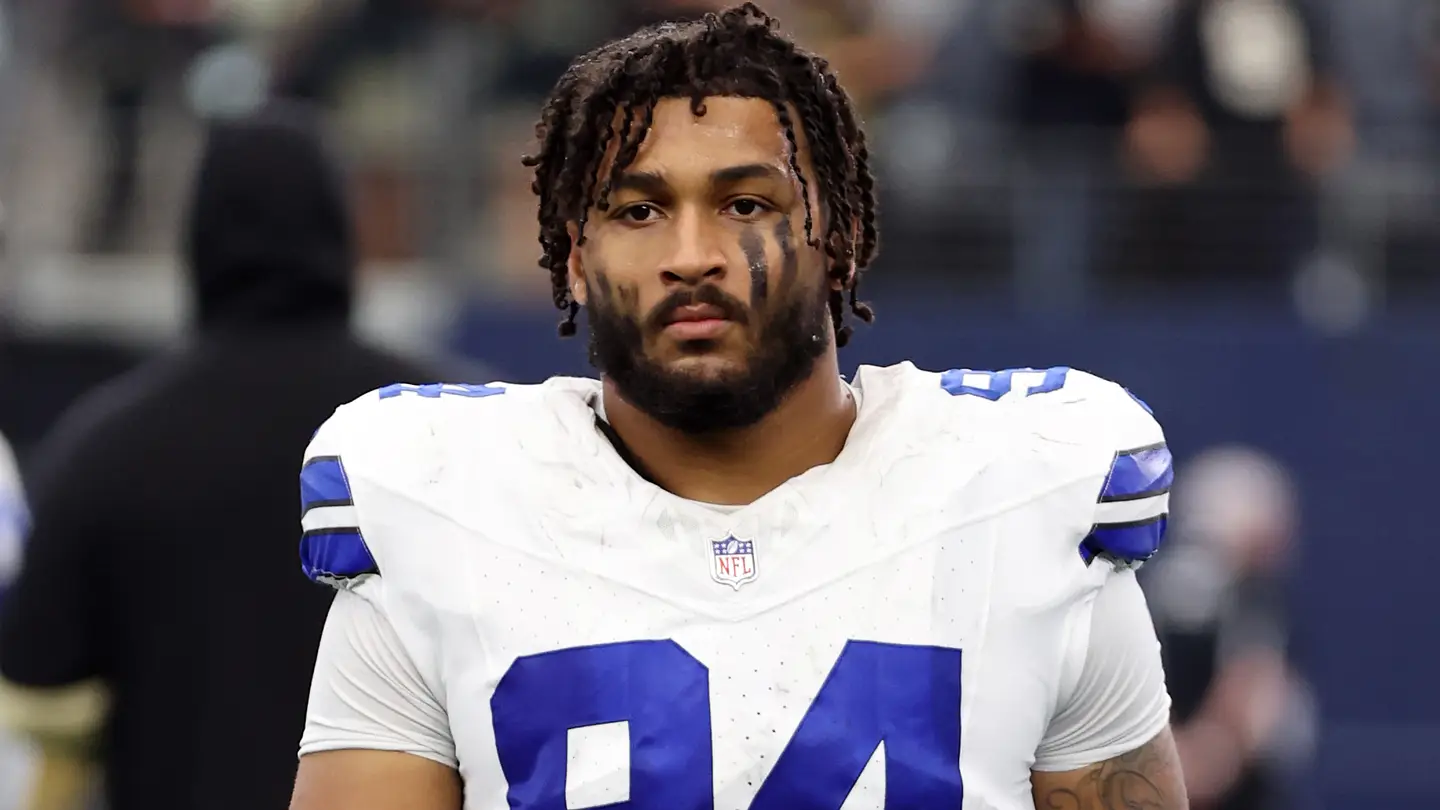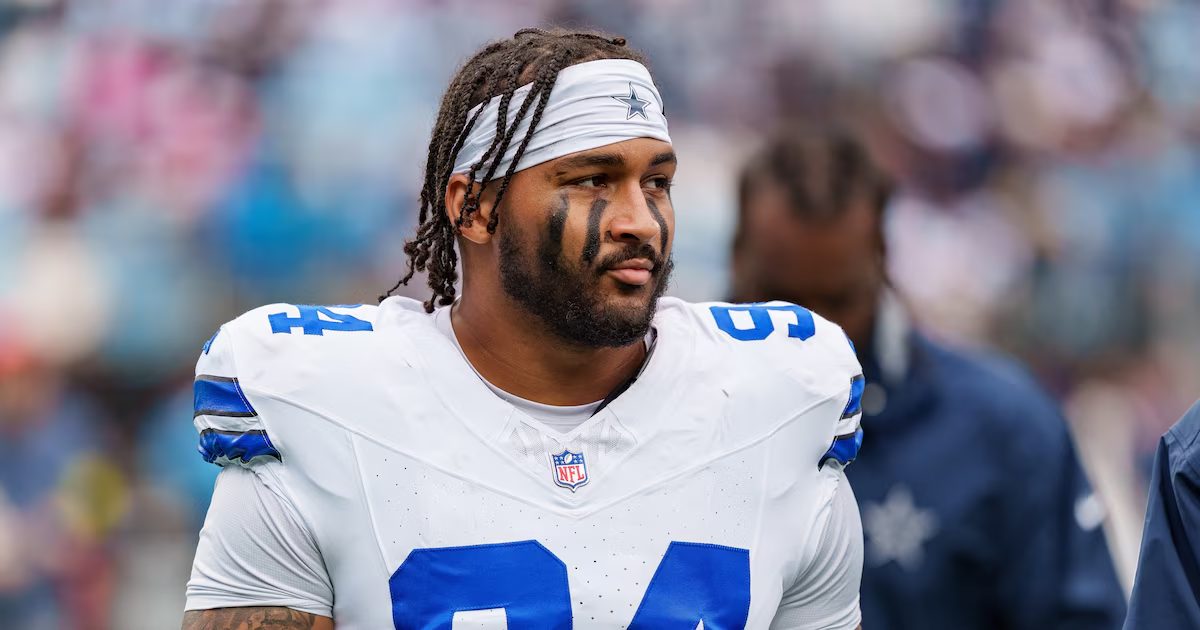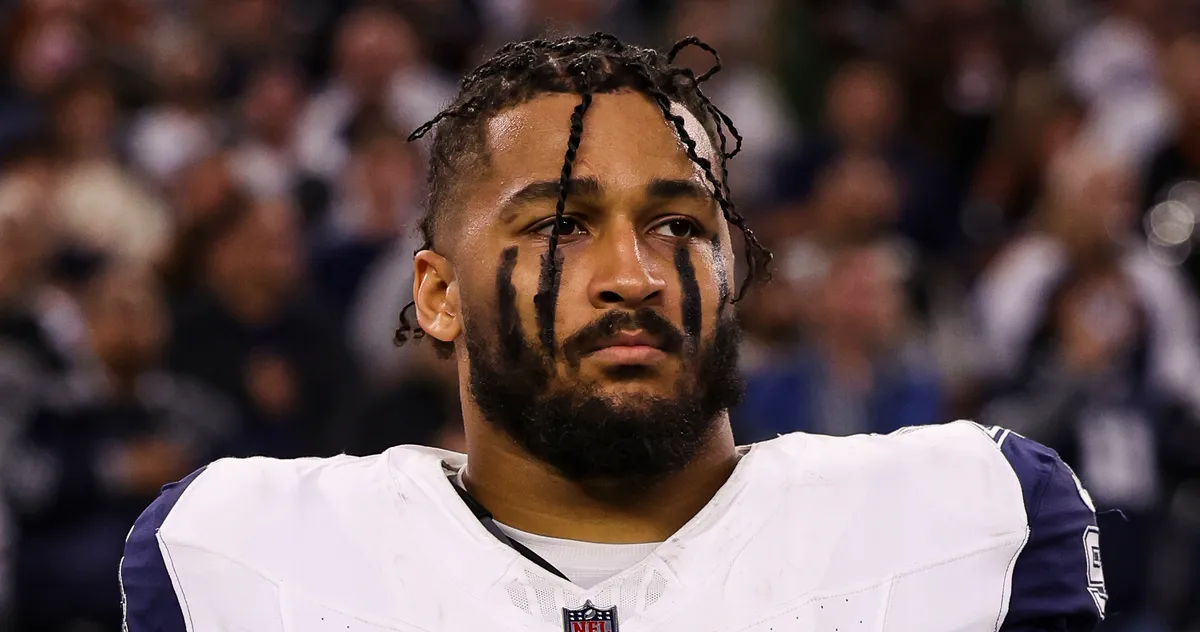
Boston University researchers diagnosed former Dallas Cowboys defensive end Marshawn Kneeland, who died in November 2025 from a self-inflicted gunshot wound, with Stage 1 chronic traumatic encephalopathy (CTE), the Concussion & CTE Foundation announced Tuesday.Police officers found Kneeland dead in the early-morning hours of Nov. 6, 2025, in Frisco, Texas. He was 24 years old.Kneeland’s family released a statement on the diagnosis, which the Concussion & CTE Foundation shared on X.“While this diagnosis does not change the tragedy of his passing, it provides important context about some of the struggles he may have been facing,” the statement said. “We continue to remember Marshawn with compassion for the person he was, rather than defining him by the final moments of his life.”In the late-night hours of Nov. 5, 2025, a Texas Department of Public Safety trooper saw Kneeland driving more than 145 mph, according to a police incident report. After Kneeland rapidly accelerated through an intersection, the trooper pursued Kneeland’s car using lights and a siren, and Kneeland did not stop, according to the report.
The trooper eventually lost sight of Kneeland’s car, which was later located traveling southbound on the Dallas Parkway, where it hit a truck and crashed into a grassy field before Kneeland fled the scene on foot toward several businesses. Police found an empty holster inside the car, according to the report.Officers searched for Kneeland in the hours that followed. Frisco police dispatch, previously reviewed by The Athletic, said that around 12:45 a.m. ET, members of a group chat Kneeland was in received a message from him saying “Goodbye.” Around 2:20 a.m. ET, officers found Kneeland’s body inside a portable restroom.The Cowboys selected Kneeland in the second round of the 2024 NFL Draft, and he played 18 games with them. His story contributes to a larger discussion on the long-term effects of head trauma in NFL athletes.CTE is a degenerative brain disease that has been connected to repetitive head trauma and is most commonly found in athletes, particularly those who participate in contact sports. There are four stages of CTE, which can only be diagnosed after death. In 2023, Boston University’s CTE Center announced that in a study of 376 former NFL players, they had diagnosed 345 with CTE (91.7 percent).Chris Nowinski, co-founder and CEO of the Concussion & CTE Foundation, said in a statement that the dangers of CTE persist even with developments to concussion protocols and more advanced helmets.“We have no reason to believe the current generation is at a lower risk of CTE than previous generations. Concussion protocols do not prevent CTE, because CTE is caused by repeated head impacts, not just concussions,” Nowinski, a former WWE professional wrestler turned neuroscientist, said. “If we want to reduce CTE risk, we must implement CTE prevention protocols and aggressively reduce the number and strength of head impacts at every level of the game.”In April, BU researchers diagnosed Pro Football Hall of Famer Steve McMichael with Stage 3 CTE. McMichael died in April 2025 of complications from the neurodegenerative disorder ALS, which some researchers have suggested could be linked to CTE.