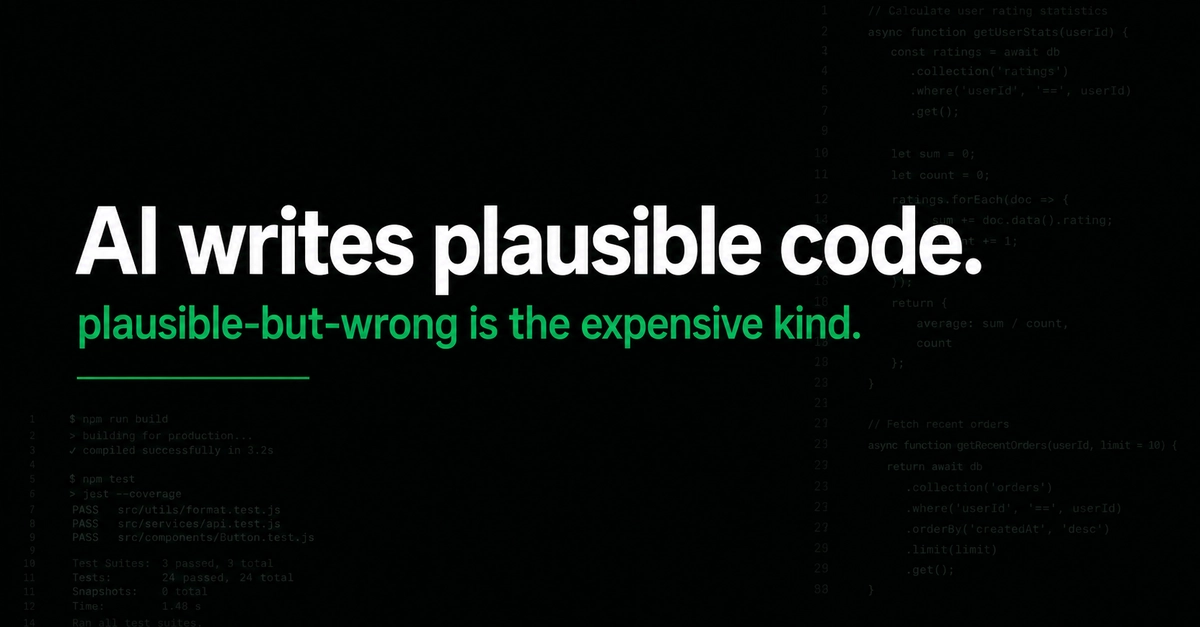
A stored procedure, a migration script, a complex report — Claude Code writes them in seconds. That's the easy part. The hard part starts afterwards: generated SQL that belongs to no one drifts apart just like hand-written code — only faster, because the AI produces hundreds of lines on demand. AI-assisted SQL development only pays off when the generated code follows the same conventions as the hand-written kind — and when a human still understands what was produced.
This article is the entry point to a series on how AI-assisted SQL development with Claude Code works in practice — not as autocomplete, but as three concrete levers: rules files that enforce conventions, skills for recurring tasks, and agents for multi-step data workflows. The common thread stays the data work: SQL Server, Postgres, ETL — not AI for its own sake.
What you'll take away:
why SQL and ETL work in particular benefits from machine-enforced conventions;
the three levers of Claude Code — rules, skills, agents — and what each is good for;