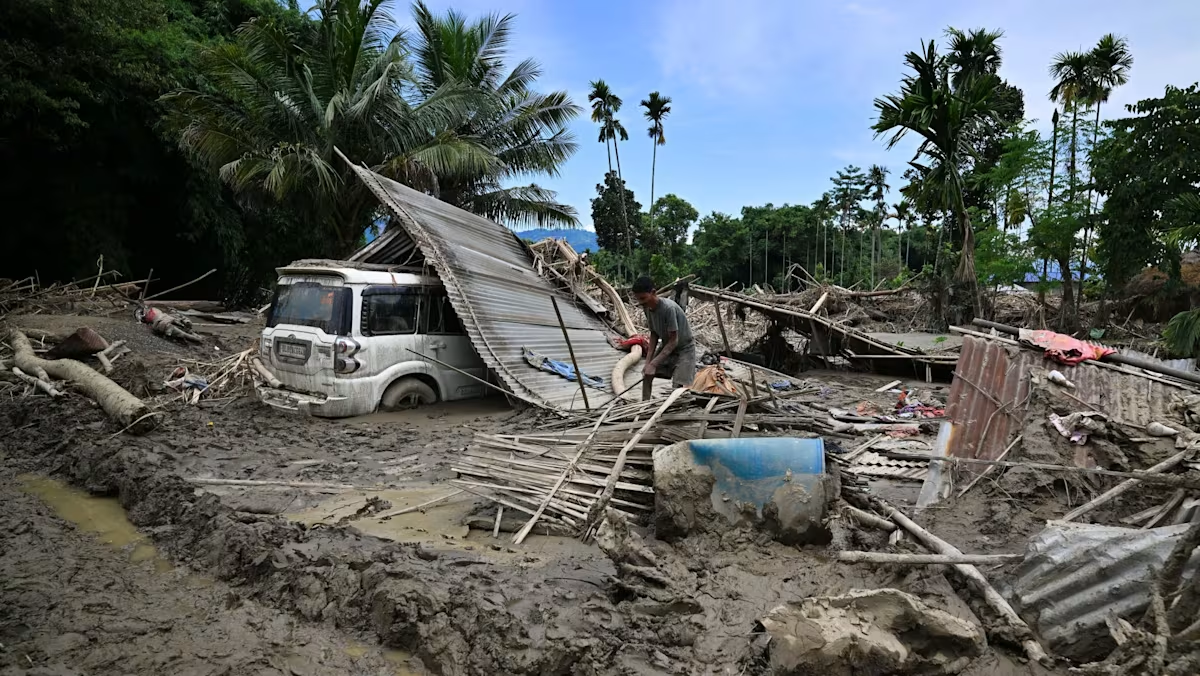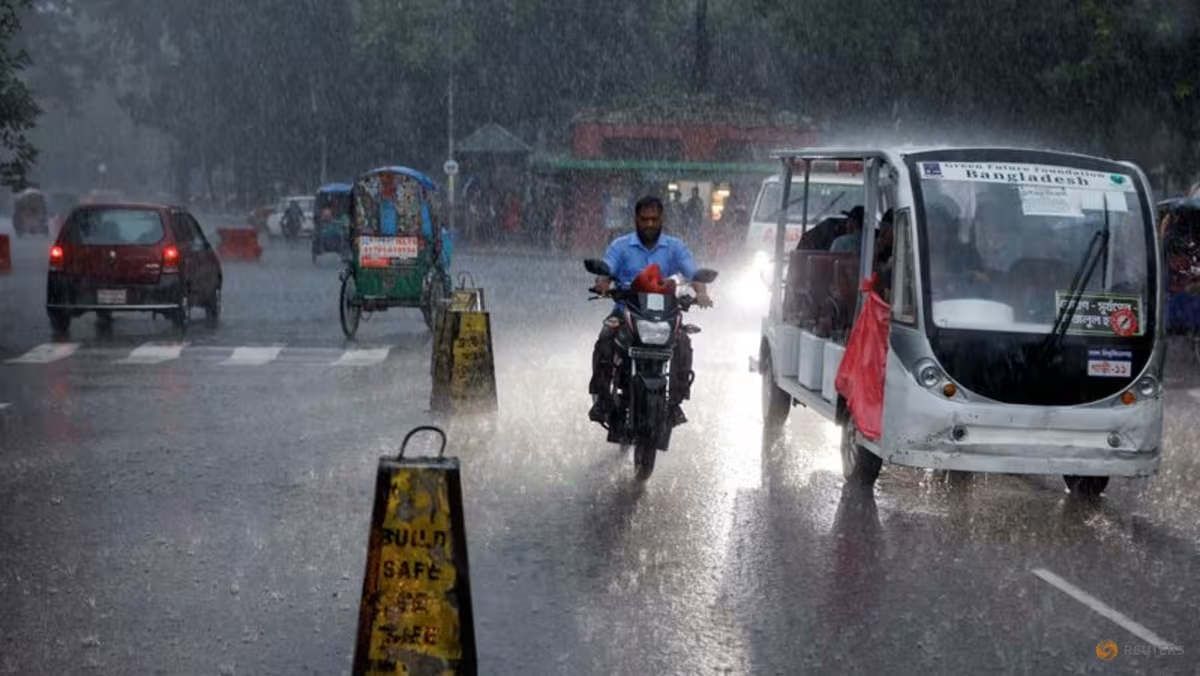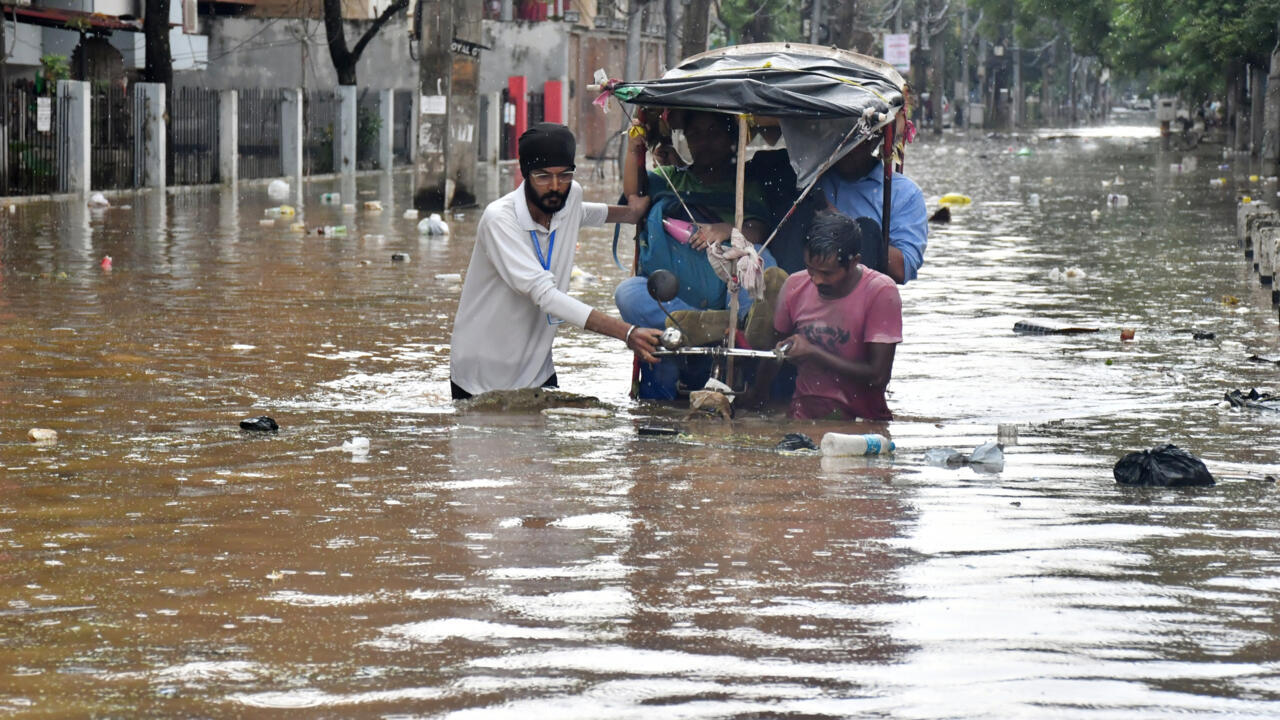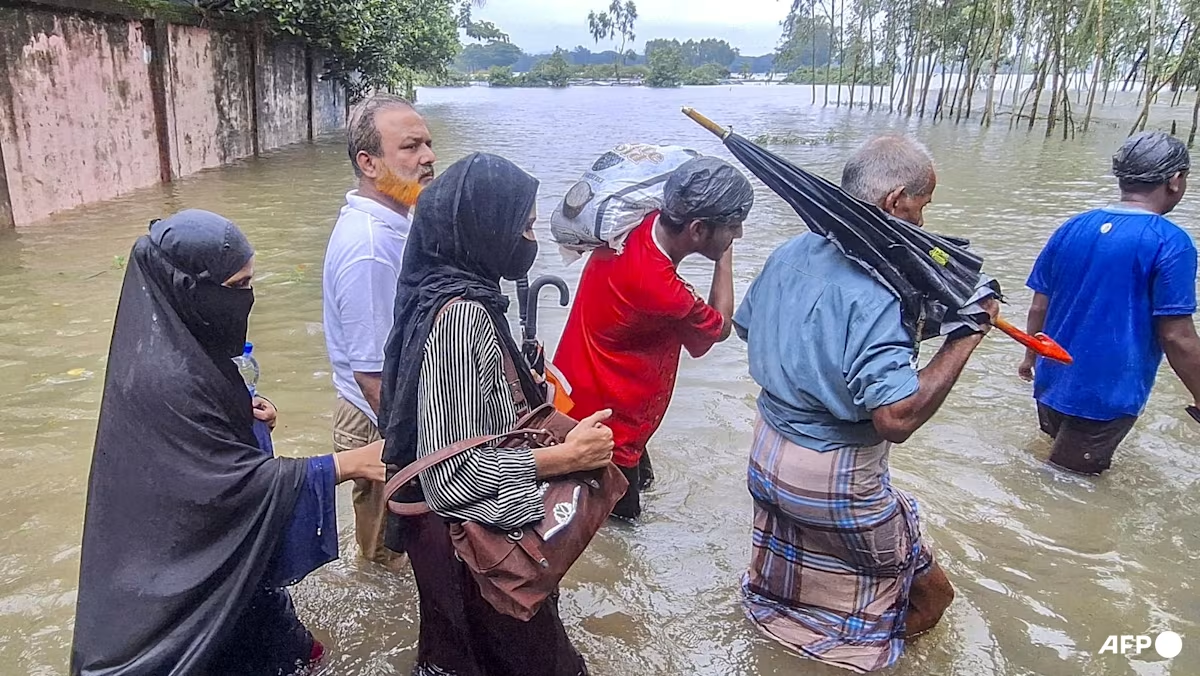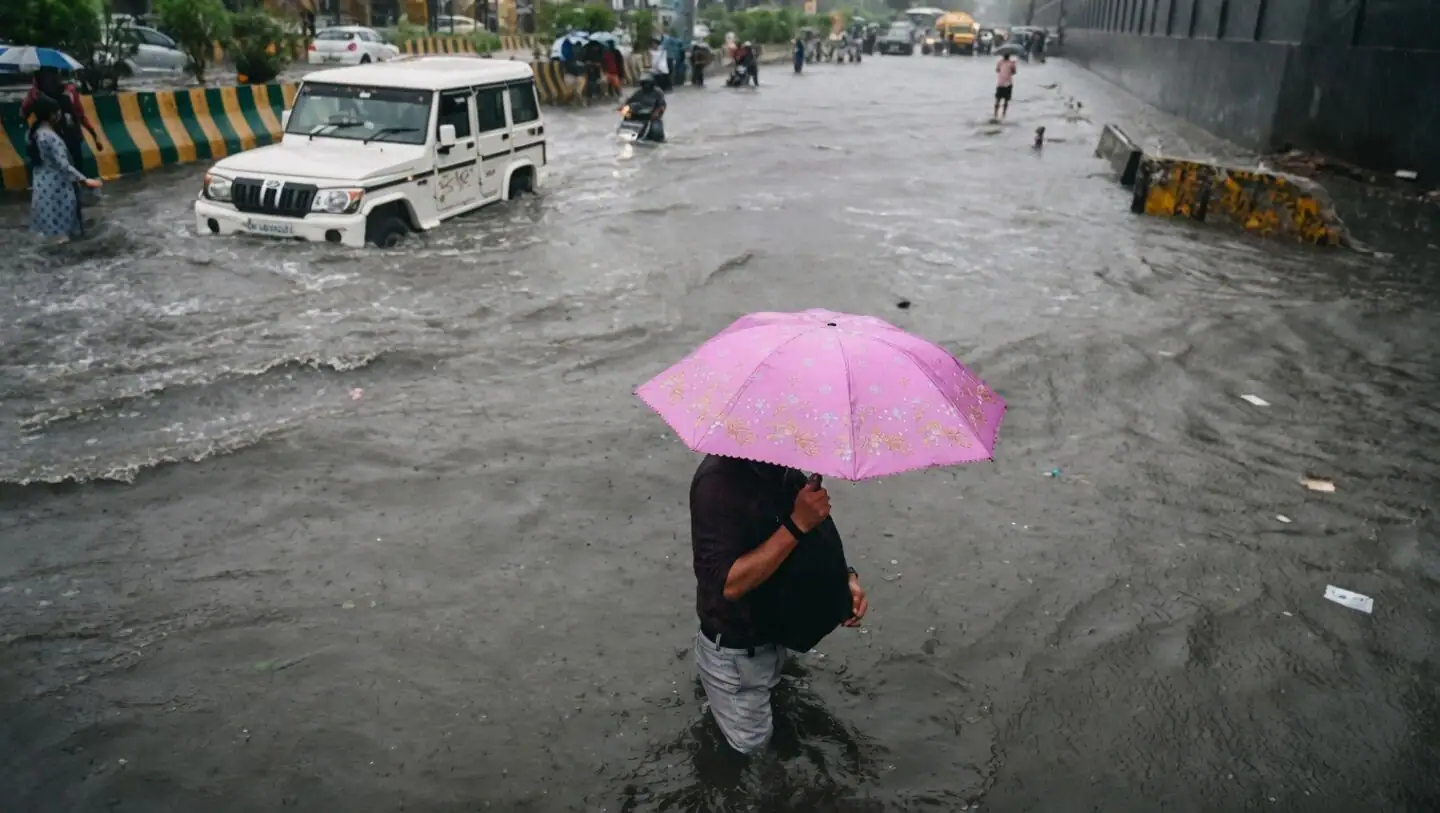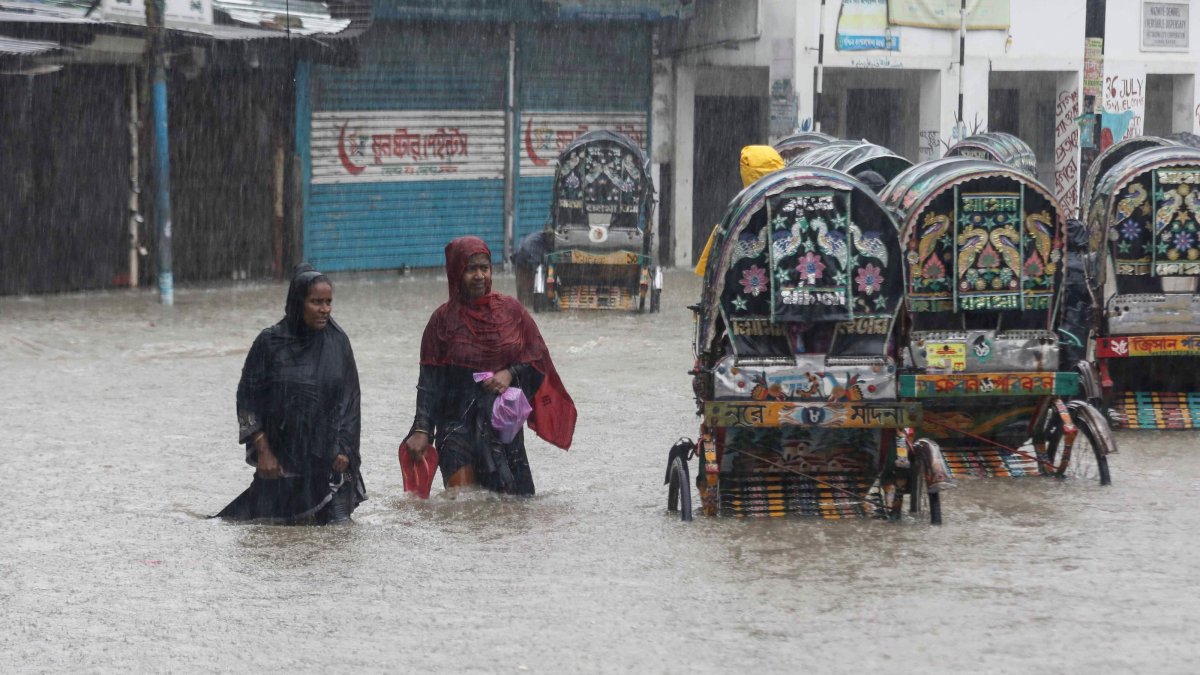
Relentless monsoon rains swept across parts of Bangladesh and southern India, triggering deadly landslides that have killed at least 13 people, displaced thousands and left rescue teams battling dangerous conditions as forecasters warned that more heavy rain is on the way.
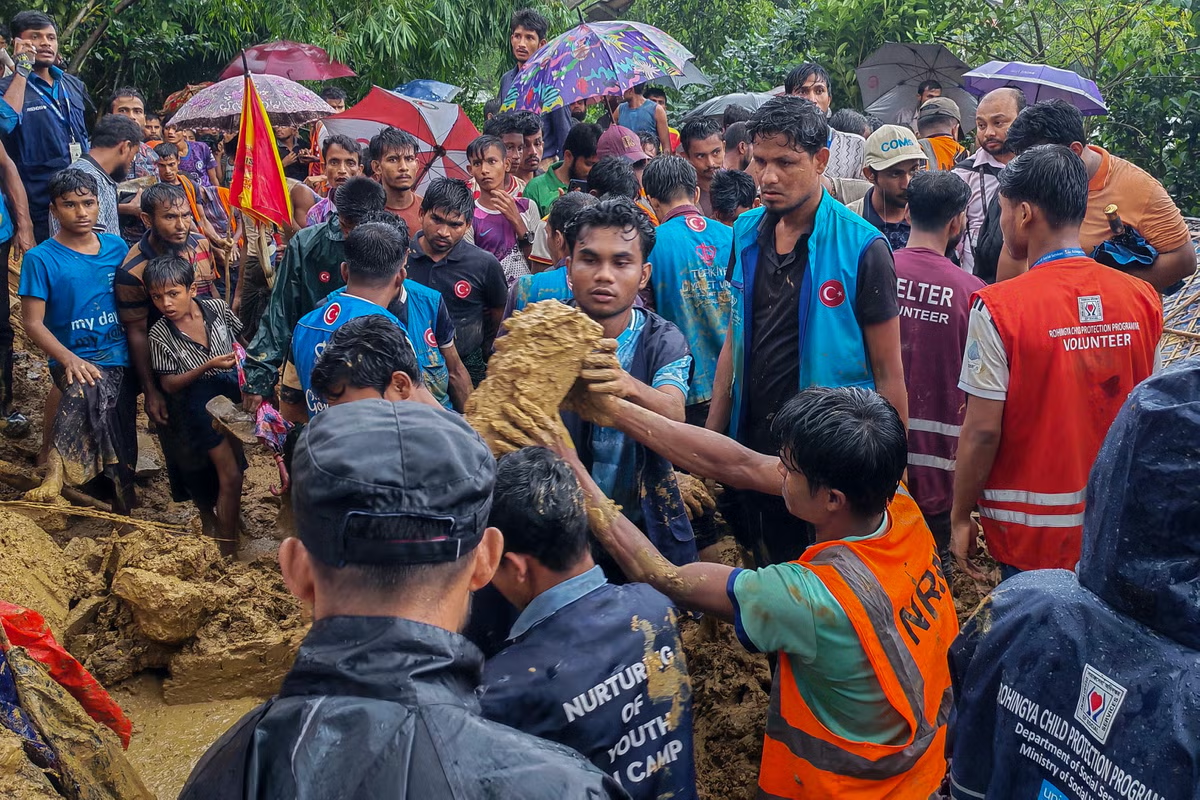
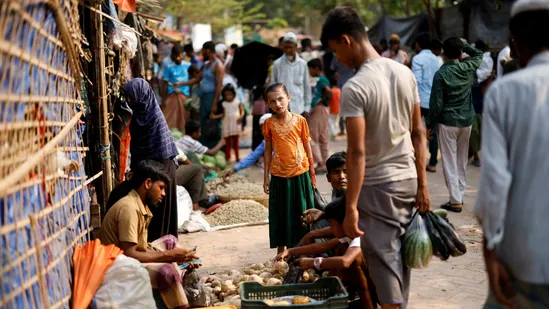
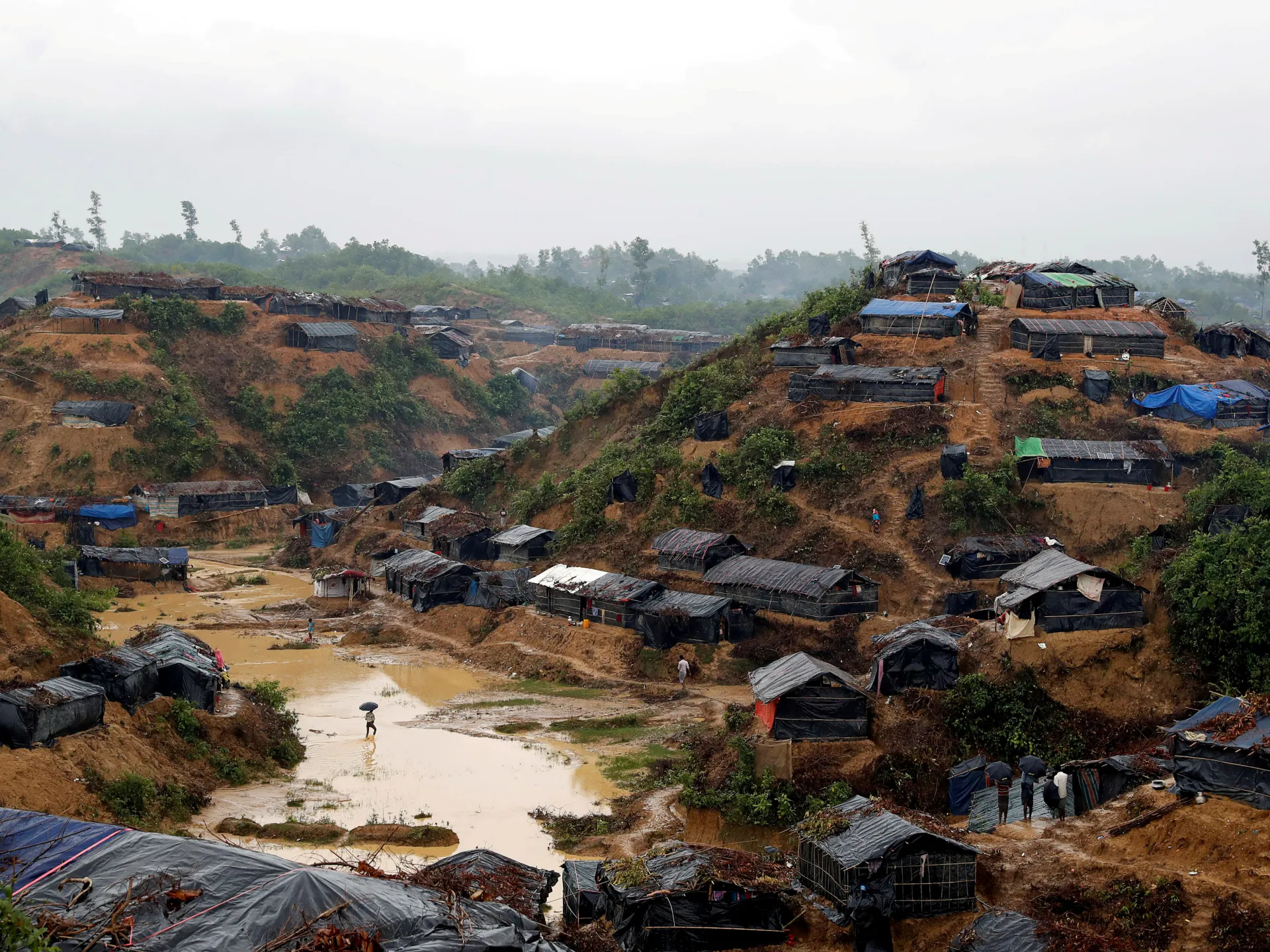
The heaviest toll was reported in Bangladesh's sprawling Rohingya refugee camps in Cox's Bazar, where the U.N. refugee agency said Tuesday that 10 people have died since July 4 after torrential rains unleashed landslides and flash flooding across the densely populated settlements.
The latest emergency assessment from the U.N. High Commissioner for Refugees (UNHCR) said 10 more people were injured, while 3,182 residents were forced to flee their shelters temporarily as floodwaters and unstable hillsides made large sections of the camps unsafe.
The storms also caused extensive damage to refugee infrastructure. At least 1,614 shelters suffered partial damage, while 10 were completely destroyed, leaving hundreds of vulnerable families in urgent need of emergency accommodation and humanitarian assistance.
Aid agencies have intensified emergency operations across the camps, where volunteers and humanitarian workers continue clearing debris, relocating families from high-risk slopes and distributing food, shelter materials and medical supplies. Humanitarian partners have also been instructed to remain on high alert, with weather forecasts predicting heavy to very heavy rainfall over the next 48 hours that could trigger additional landslides and flooding.