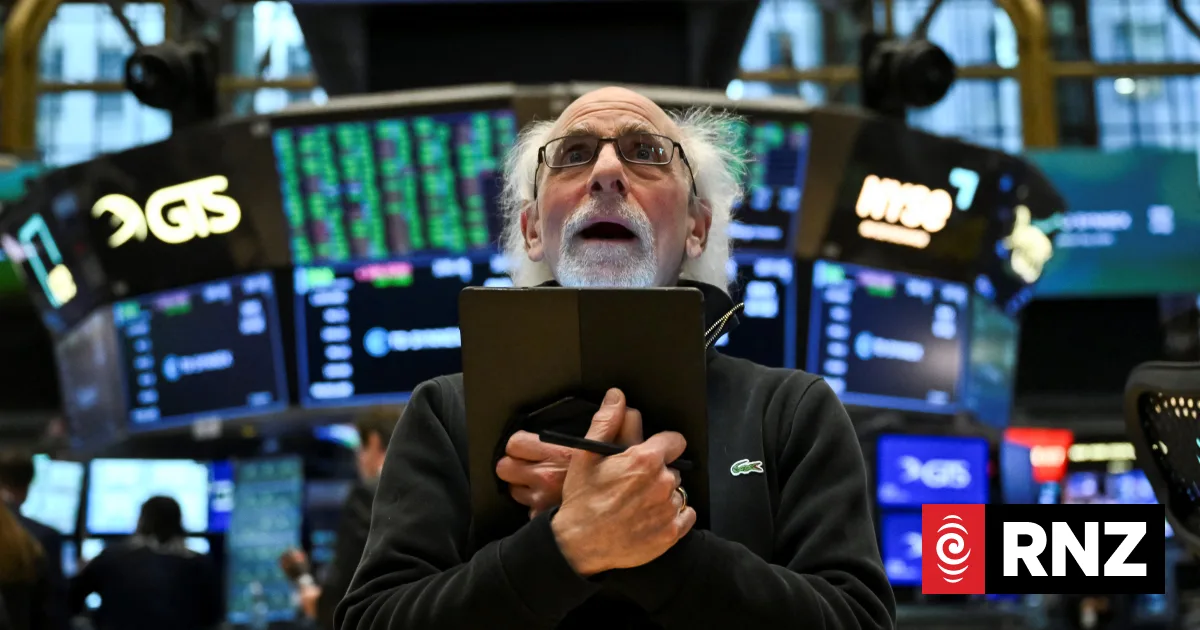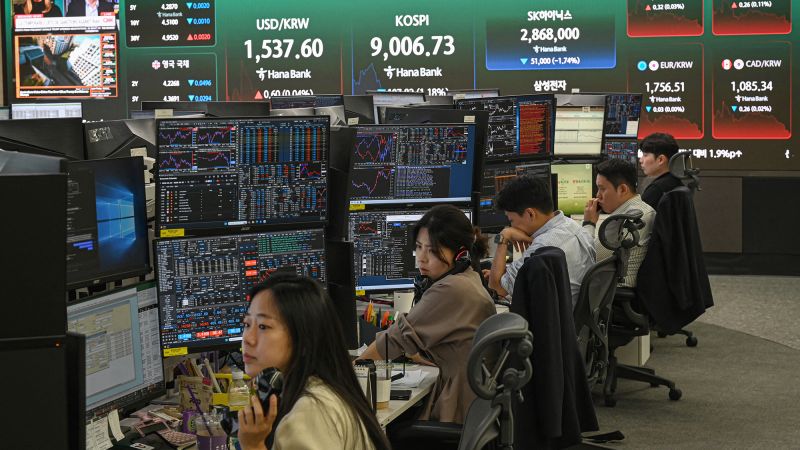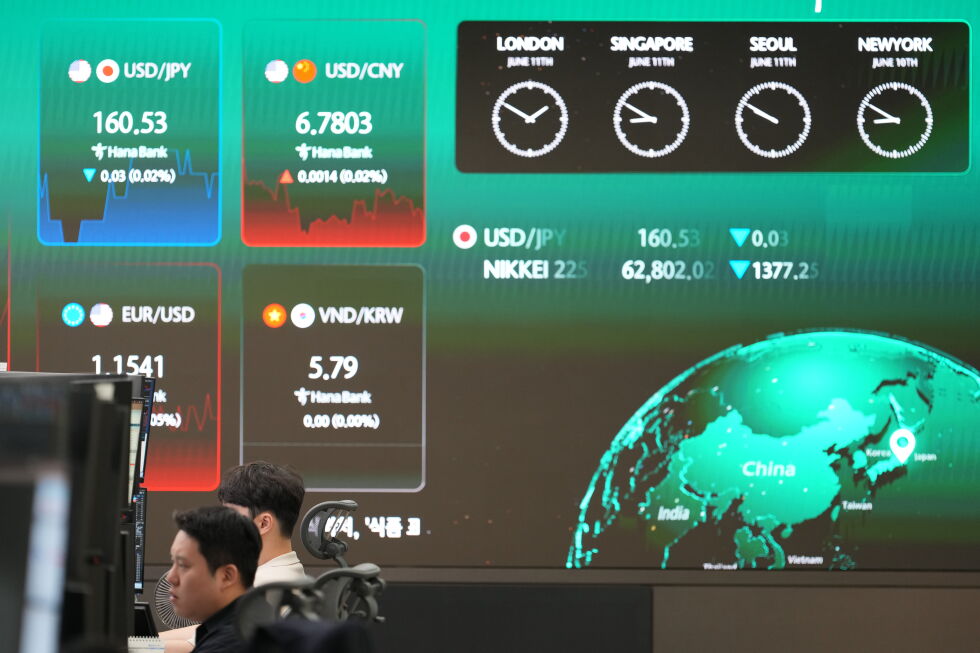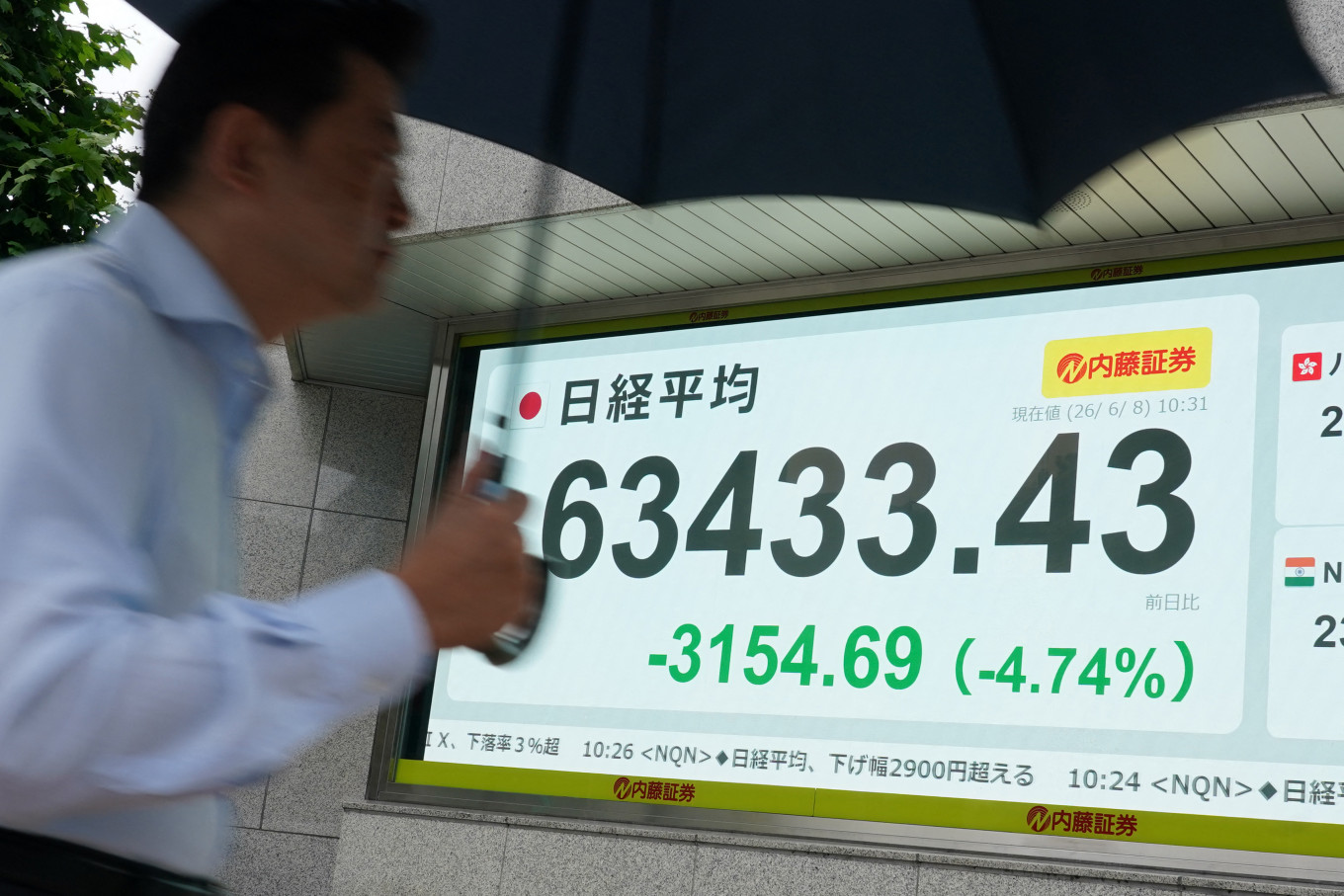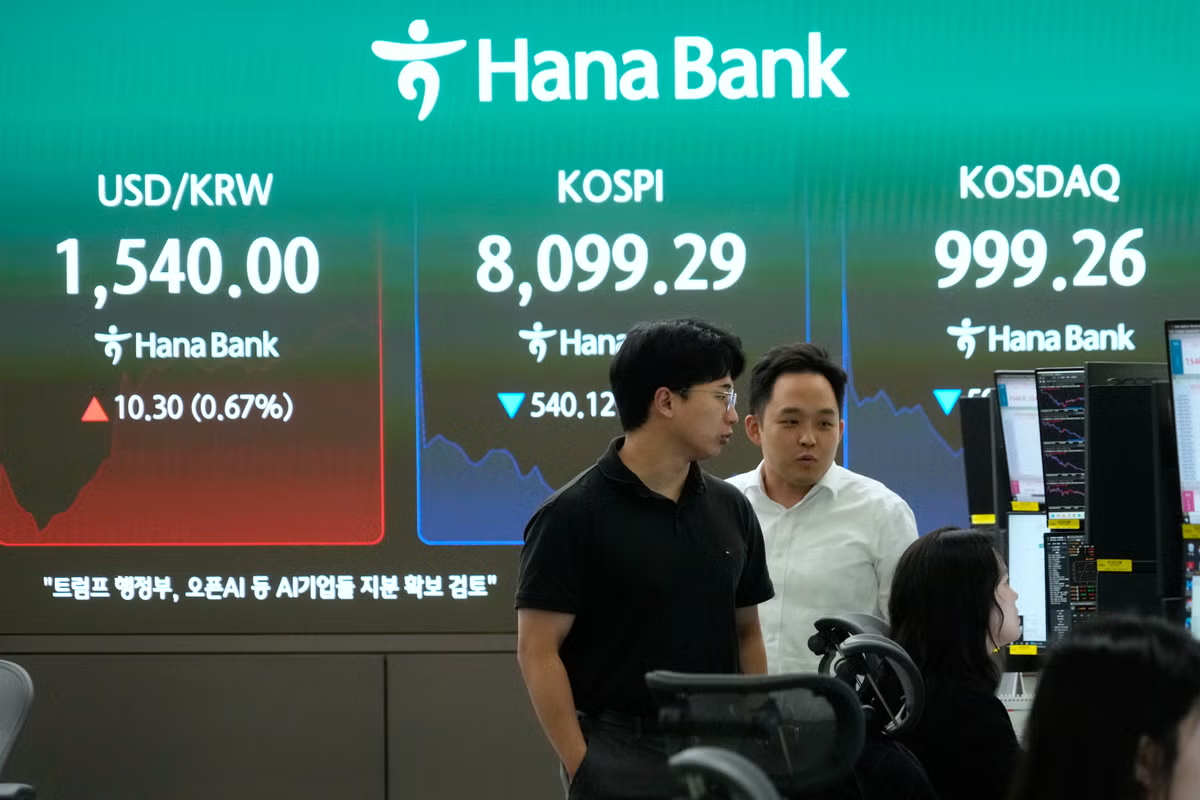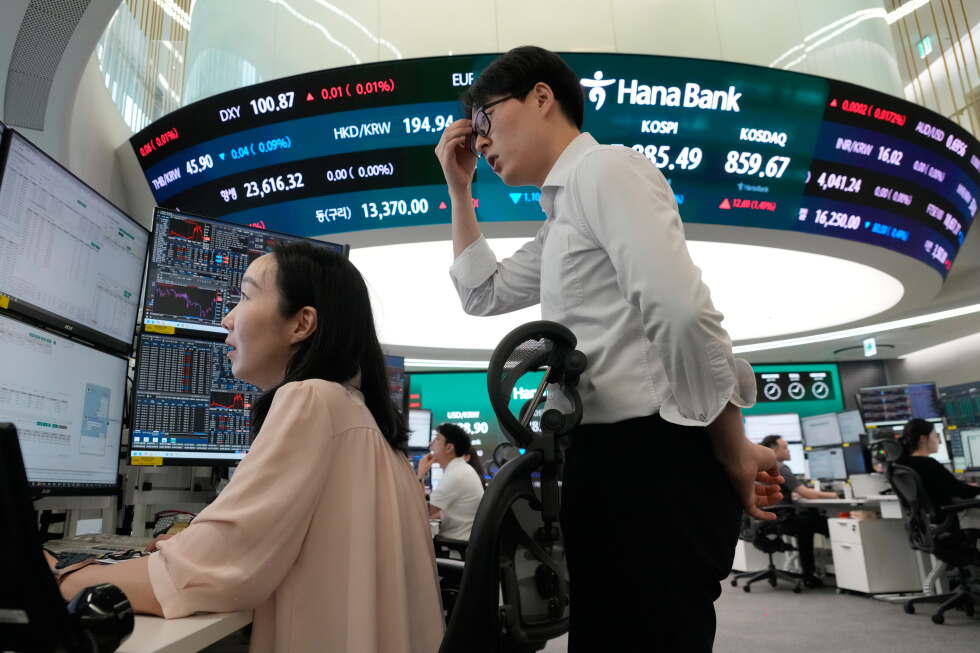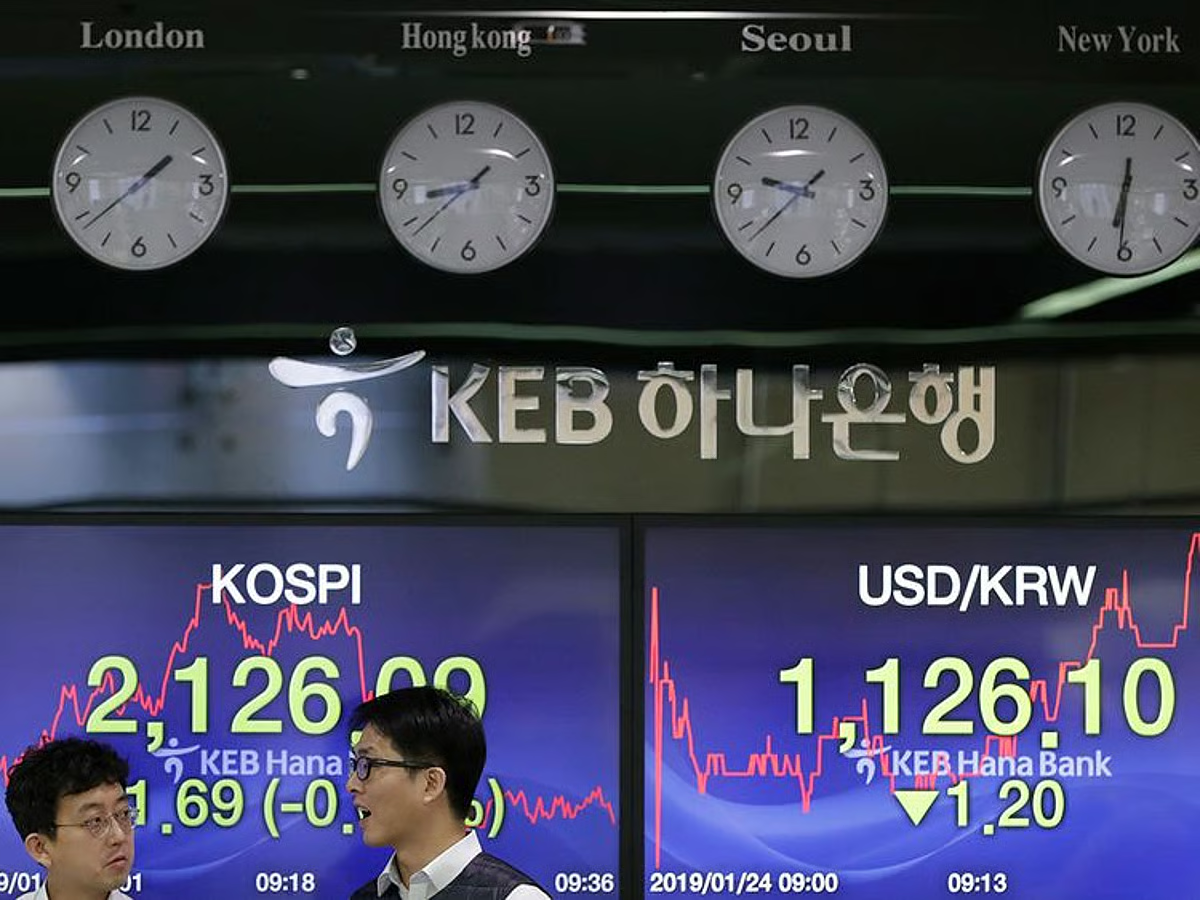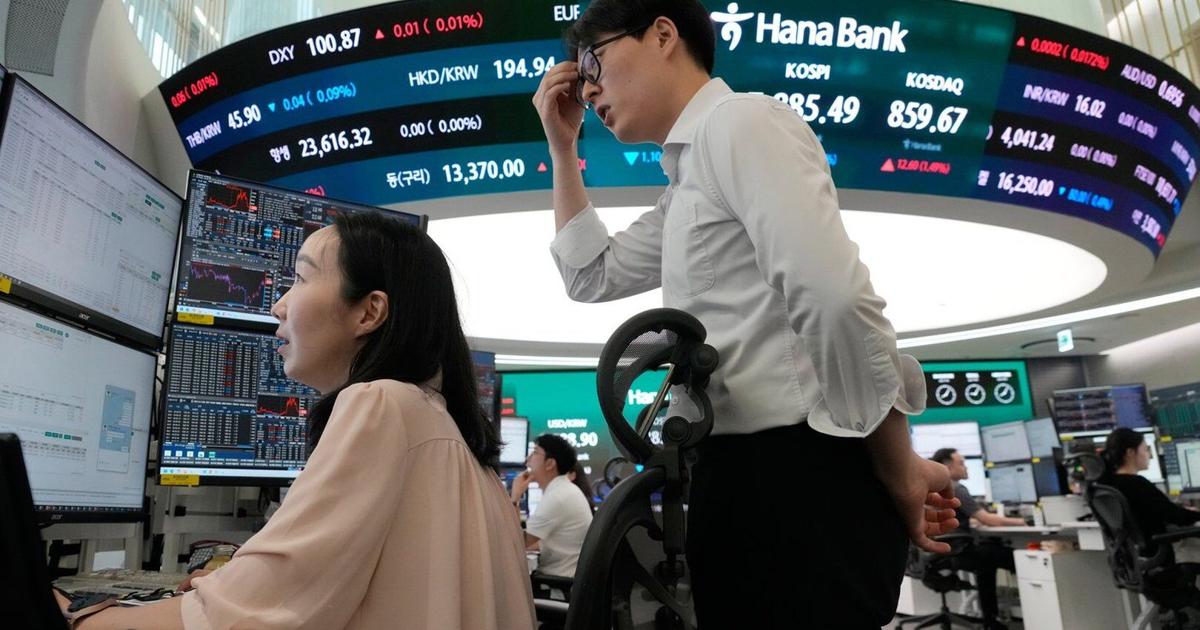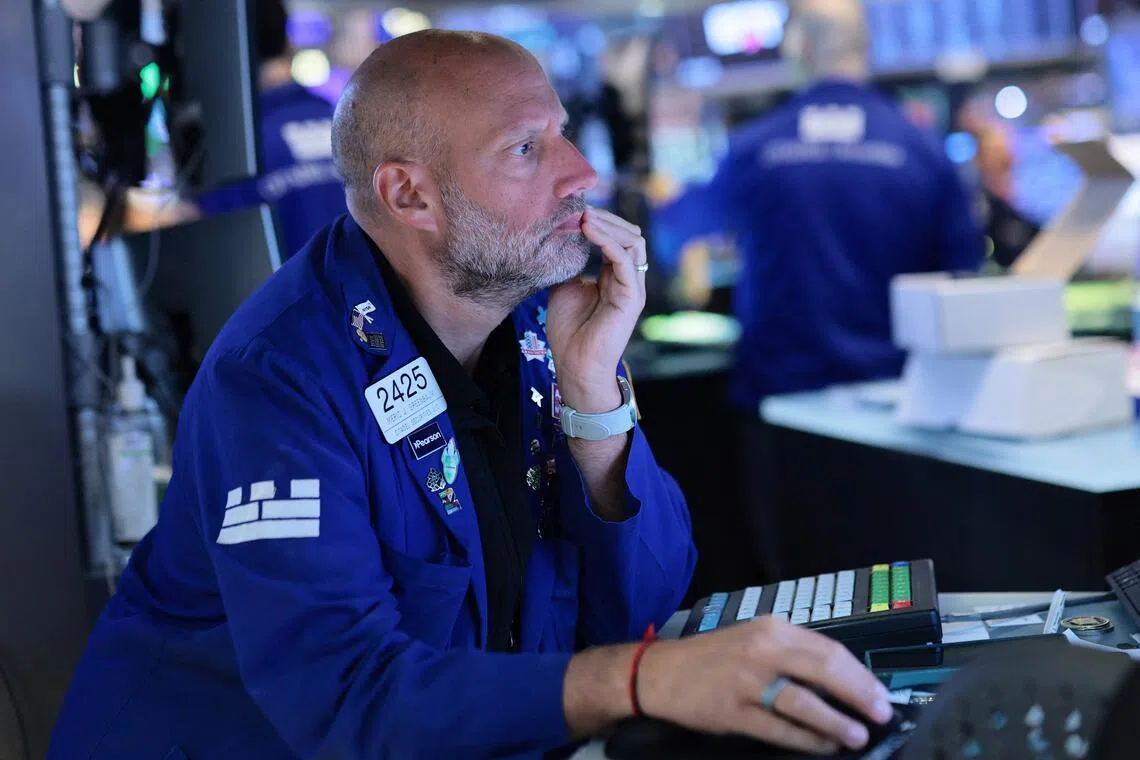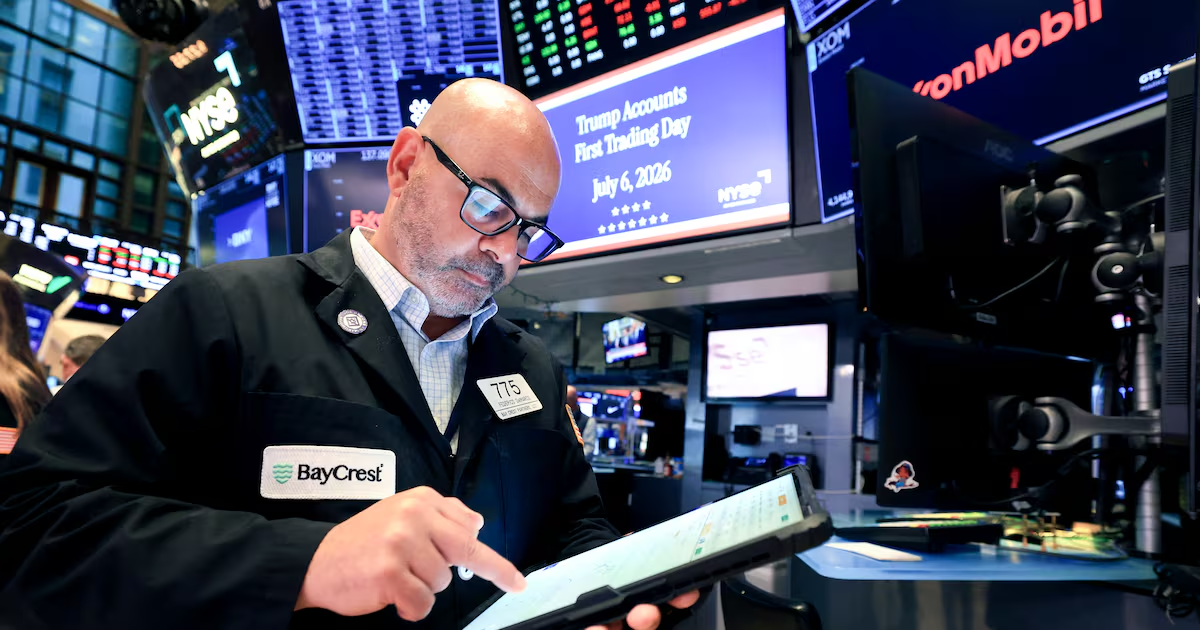
Wall Street experienced a significant downturn on Tuesday, primarily driven by a sharp decline in artificial intelligence (AI) stocks, a trend that rippled across global markets. Despite a majority of stocks within the S&P 500 seeing gains, the benchmark index ultimately fell 0.6%, while the tech-heavy Nasdaq dropped 1.2% by mid-morning Eastern time. The Dow Jones Industrial Average also registered a 0.2% decline, shedding 107 points.The market's unease originated in Asia, where South Korean tech giant Samsung Electronics saw its shares tumble 6.9% in Seoul. This occurred despite the company announcing preliminary second-quarter results that indicated an astonishing 1,800% surge in operating profit compared to the previous year. Analysts lauded the figures as surprisingly strong, yet they failed to meet investor expectations following a period where Samsung's stock had more than doubled year-to-date.On Wall Street, AI-related companies have faced increasing pressure in recent weeks amid growing concerns that their valuations have become inflated. Investors are questioning whether the rapid advancements in AI will translate into sufficient productivity gains and profits to justify the substantial investments in chips and data centers. Micron Technology, a key player in the semiconductor space, plummeted 7.8%, becoming the heaviest drag on the S&P 500. Nvidia, whose AI boom has made it the largest stock on Wall Street by value, also fell 1.4%, its movement having a disproportionate impact on the broader index. SpaceX, which owns the xAI business, saw its shares drop 6% in its first trading session after being included in the Nasdaq 100 index.(Getty)Beyond the tech sector, Vertex Pharmaceuticals declined 2.3% after announcing an agreement to acquire Crinetics Pharmaceuticals for $85 per share in cash. Crinetics, a developer of therapeutics for endocrine diseases, saw its stock soar by 98.8% on the news.Broader market sentiment was further dampened by a rise in oil prices following reports that a tanker in the Strait of Hormuz was struck by a projectile and caught fire. While Iranian state television claimed the liquefied natural gas tanker ignored warnings, it did not directly claim responsibility for the assault. This incident dashed hopes for a de-escalation of regional tensions and a full reopening of the Strait of Hormuz, a critical shipping lane for oil from the Persian Gulf. Brent crude, the international benchmark, climbed 2.7% to $73.94.Higher oil prices fueled inflation concerns, leading to an uptick in Treasury yields. The yield on the 10-year Treasury bond rose to 4.51% from 4.48%. Investors worldwide have been rattled by elevated yields, particularly after oil prices surged past $100 per barrel earlier in the summer due to ongoing conflicts. The prevailing worry is that persistently high inflation could compel the Federal Reserve and other central banks to raise interest rates, a measure that, while curbing inflation, can also slow economic growth and negatively impact investment valuations.In Asian markets, South Korea’s Kospi index tumbled 4.9%, largely due to Samsung Electronics comprising over a quarter of its weighting. Other regional indexes also saw declines, including Japan’s Nikkei 225, which fell 2.1%, while European markets presented a mixed picture.
Wall Street suffers major losses as AI stocks tumble and oil prices jump
The market's unease originated in Asia, where South Korean tech giant Samsung Electronics saw its shares tumble 6.9% in Seoul
503 words~2 min read