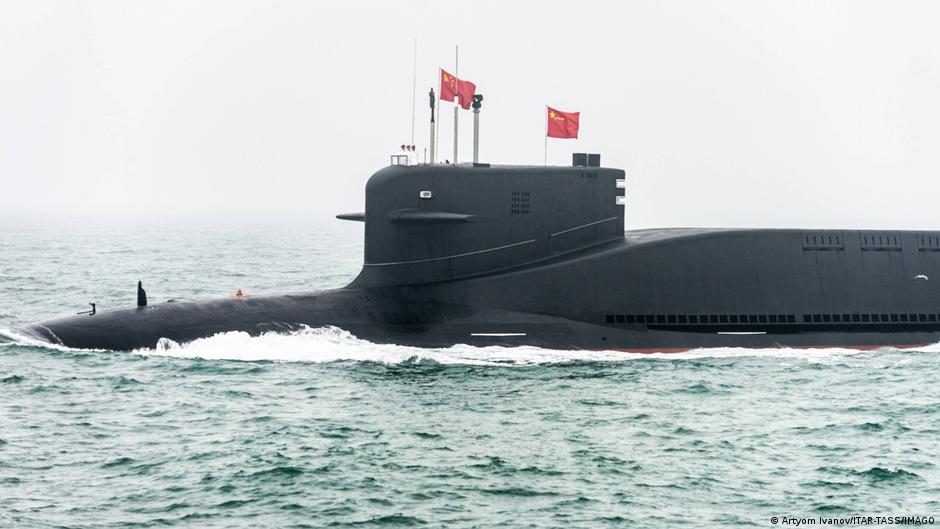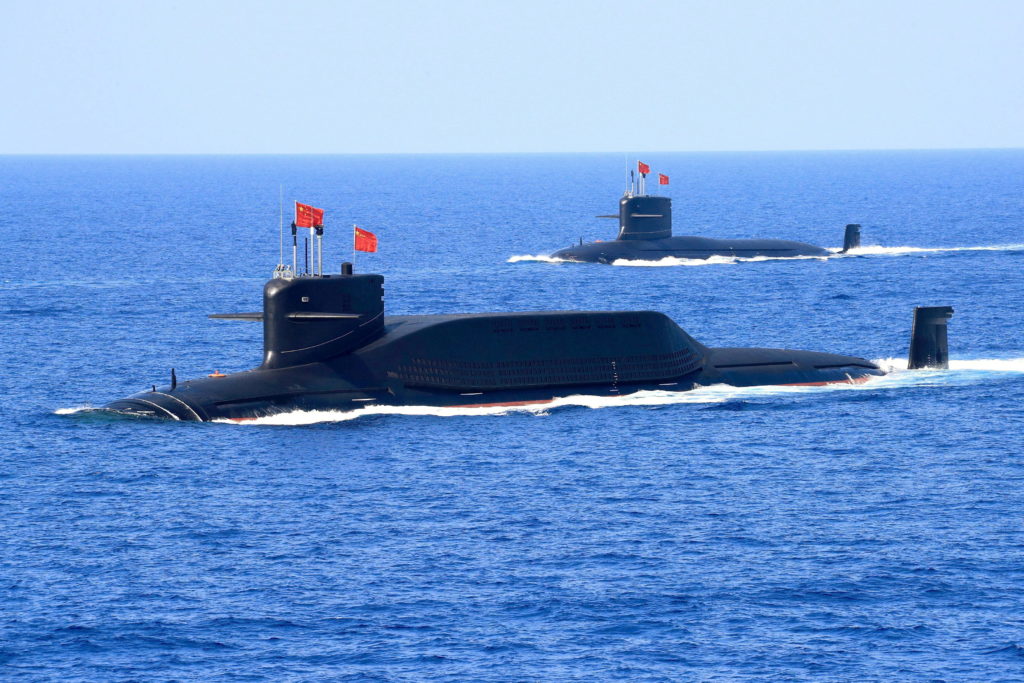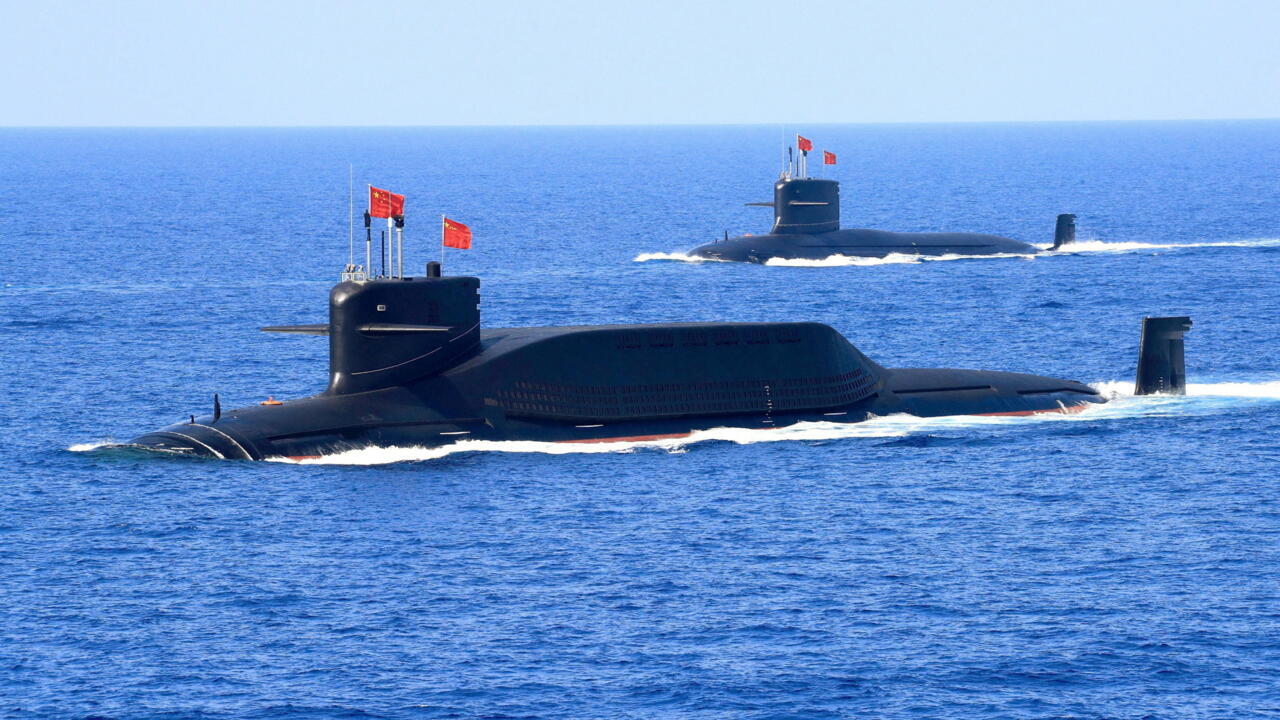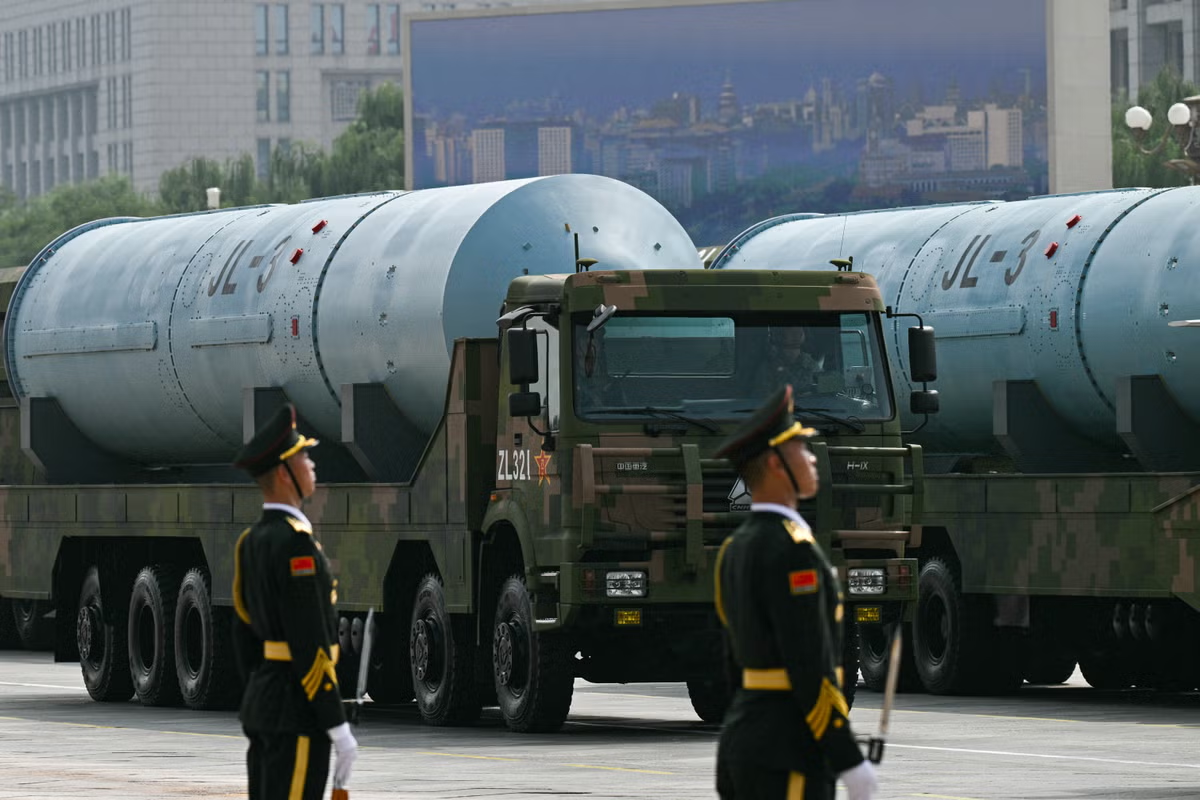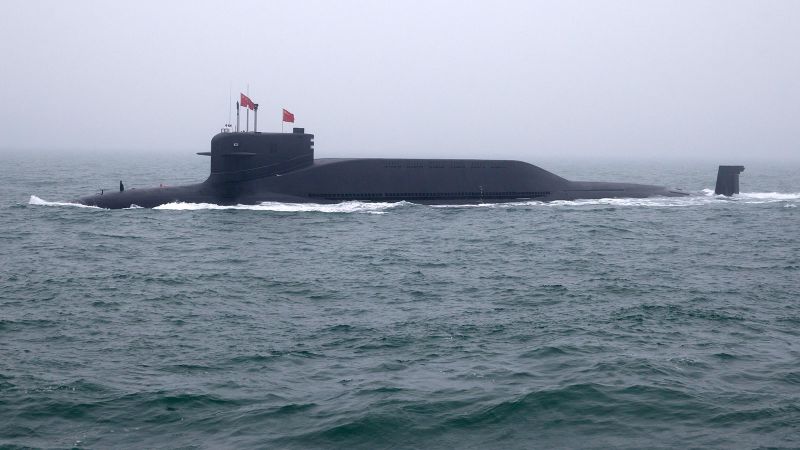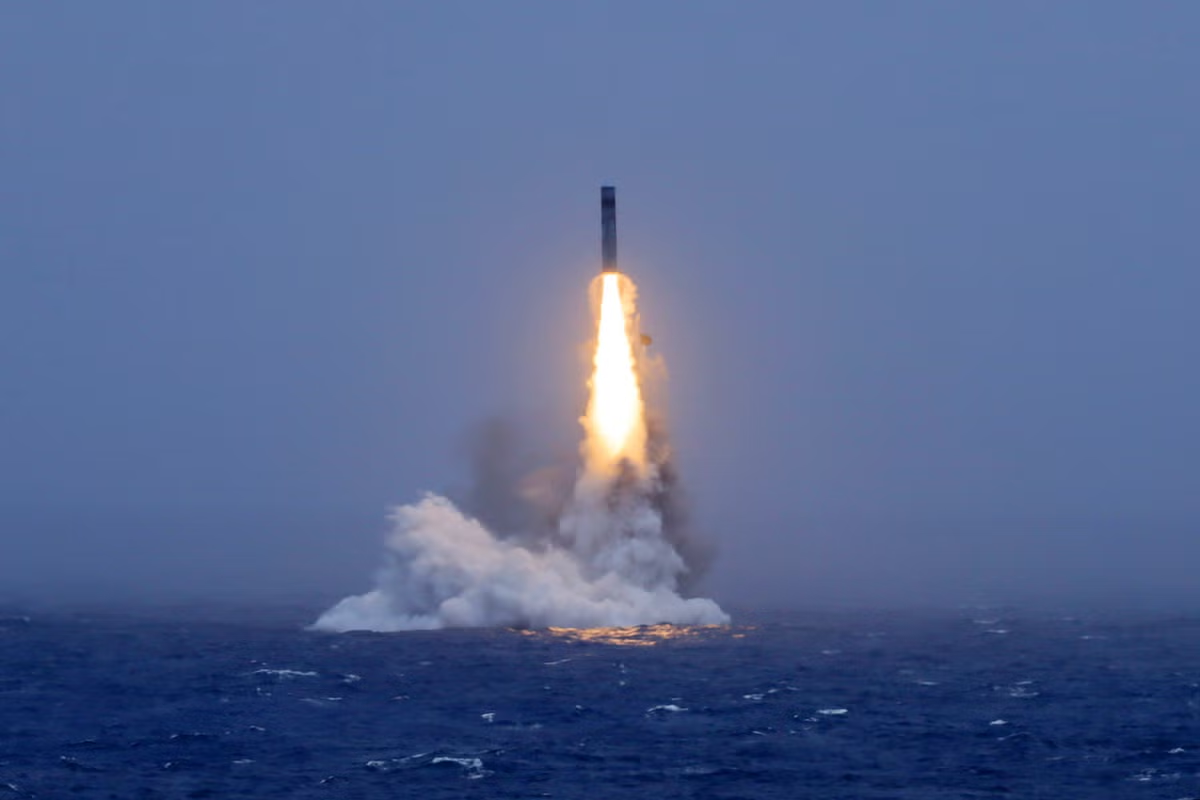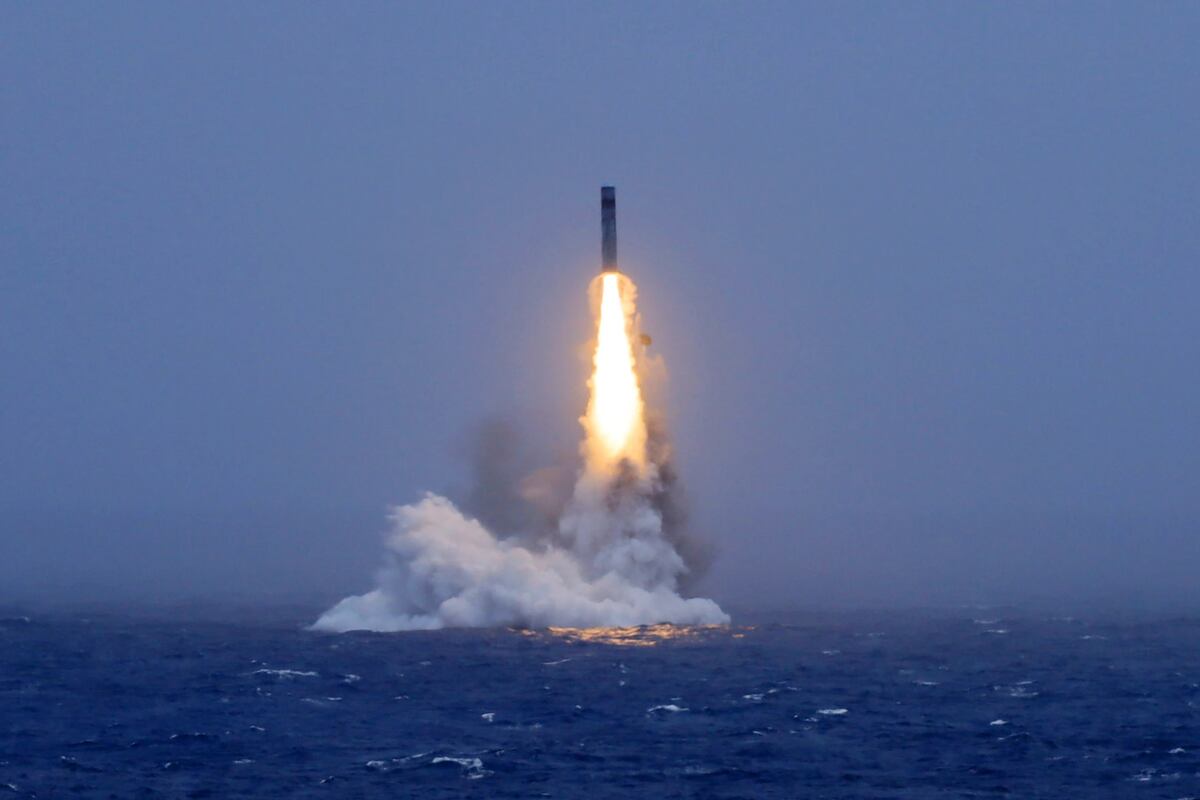
VIENNA — China’s test this week of a submarine-launched ballistic missile follows a growing trend of nuclear powers hollowing out the integrity of nuclear weapons-free zones such as the South Pacific, analysts say.The People’s Liberation Army Navy launched a ballistic missile from a submarine off its coast on Monday, which subsequently flew southeast over the Pacific for about 7,000 kilometers (4,350 miles), according to a map released by the Taiwan National Security Council, before splashing down near the island nations of Nauru and Tuvalu. Both archipelago countries are part of the South Pacific Nuclear Weapons Free Zone, which was established by the Treaty of Rarotonga in 1986 and prohibits the stationing and testing of nuclear weapons on islands or in waters of the South Pacific, as well as threatening the countries in the region with the use of these weapons. China, as well as Russia, the U.S., U.K., and France, have signed onto protocols committing them to the treaty.A missile test doesn’t technically violate the text of the treaty, so long as the missile is not nuclear-tipped. In the case of the Chinese test, the rocket was carrying a dummy warhead for testing purposes. However, southern Pacific nations were quick to accuse China of violating the spirit of the zone, which goes beyond the core legal definition. New Zealand’s foreign minister said the test “goes against the object and intent of that treaty,” referring to Rarotonga. Australia publicly raised similar concerns. “We have seen a growing trend of nuclear weapons-armed states exerting pressure on nuclear weapons free zones for their geostrategic interests,” said Olamide Samuel, a network and engagement specialist at the Vienna-based Open Nuclear Network. “We’ve seen it with the U.S. pressuring the U.K. over Diego Garcia, the island in the Indian Ocean; with Russia pushing Kazakhstan to allow missile testing; and now with China conducting a missile test in the South Pacific.” China has called the test routine. China’s Foreign Ministry spokesperson Mao Ning stated that “the launch activity was conducted safely, systematically, and professionally throughout,” and urged other countries not to “over-interpret it.” Beijing had given several hours of early notice to key governments in the region. Tensions have been high over the spirit of Rarotonga since 2021, with China having repeatedly called out the AUKUS nuclear submarine deal between Australia, the U.S. and the U.K. as violating the treaty, to which Australia is a party. Under the AUKUS deal, Australia will receive up to eight nuclear submarines along with highly-enriched uranium for their onboard reactors. “China has been quite public in voicing its support for nuclear weapons free zones, most recently indicating support for Southeast Asia’s. And then they turn around and do this,” said Samuel.China’s action, combined with pressures from the U.S., Australia and other regional players, may lead to a “slow spiral” and a “race to the bare minimum” of what the treaty demands, he said, rather than furthering more aspirational, peace-oriented goals. Aside from the South Pacific NWFZ, similar structures exist across Africa, Southeast Asia, Latin America, and Central Asia, plus Mongolia. Antarctica, outer space and the ocean floor are similarly off-limits for the stationing of nukes, as agreed by the international community. China last fired a ballistic missile into the Pacific in September 2024. The U.S. conducted a comparable ballistic missile test in March of this year, though its missile splashed down in a part of the Pacific Ocean not covered by any nuclear-weapon-free zone treaties. Linus Höller is Defense News' Europe correspondent and OSINT investigator. He reports on the arms deals, sanctions, and geopolitics shaping Europe and the world. He holds master’s degrees in WMD nonproliferation, terrorism studies, and international relations, and works in four languages: English, German, Russian, and Spanish.
Chinese ballistic missile test is said to undermine nuclear weapons-free zone in South Pacific
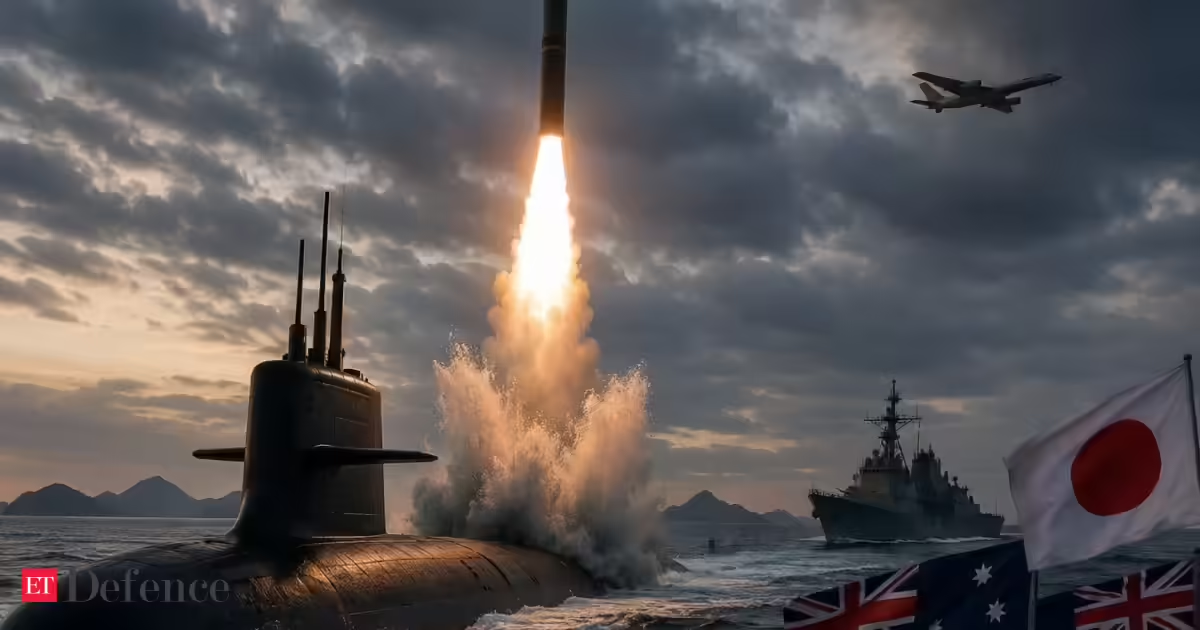
China has repeatedly called out the AUKUS nuclear submarine deal between Australia, the U.S. and the U.K. as violating the treaty.
620 words~3 min read