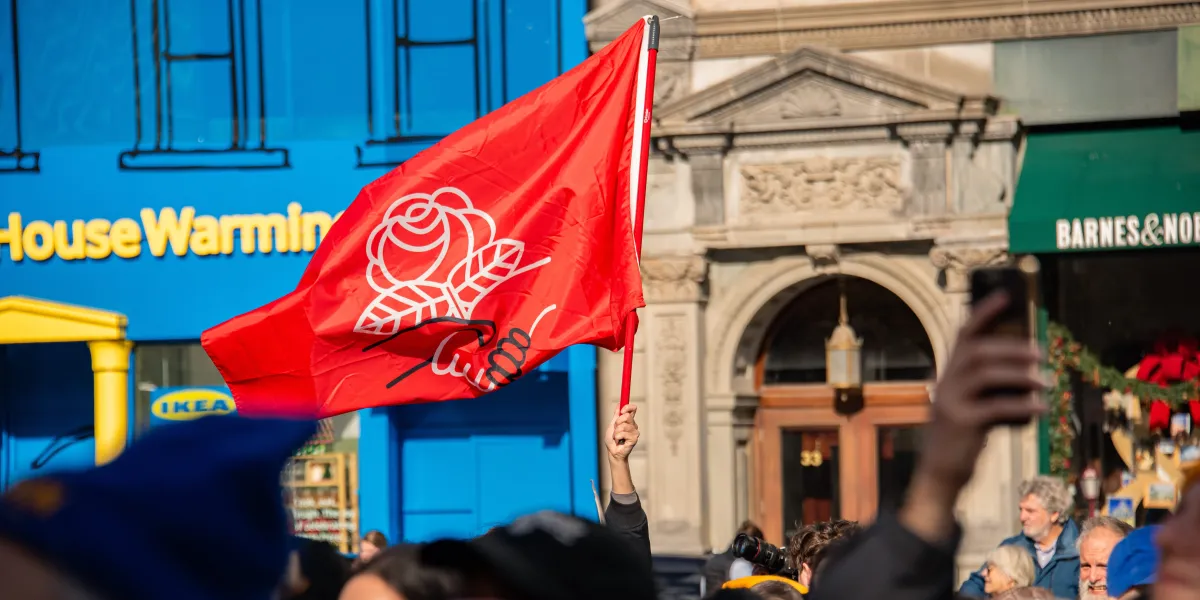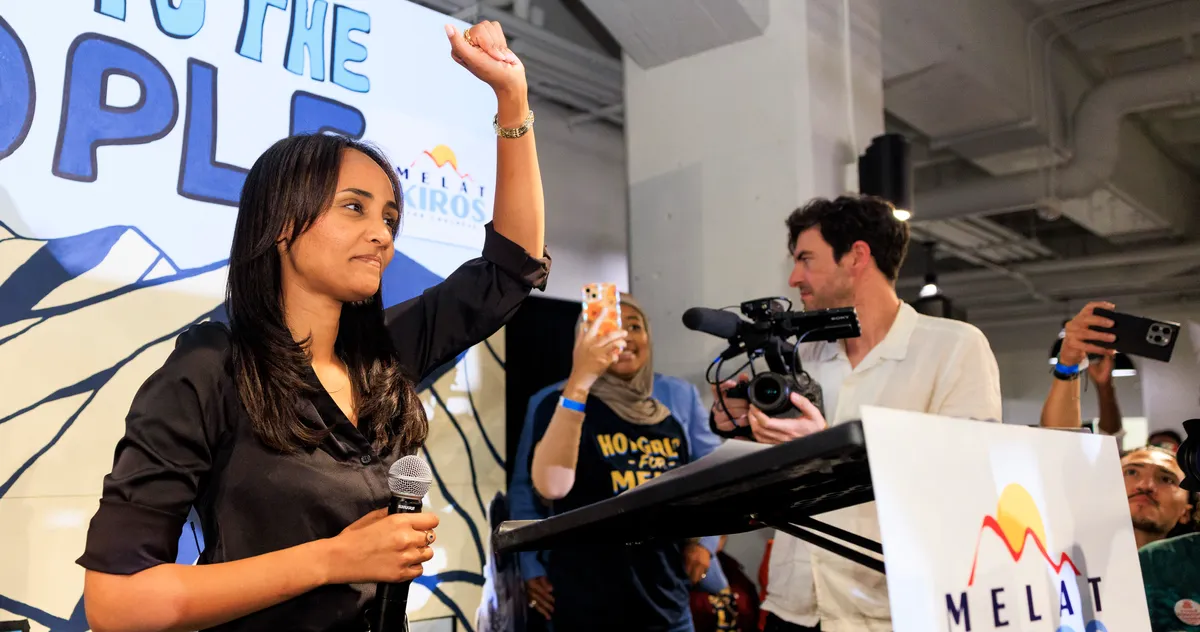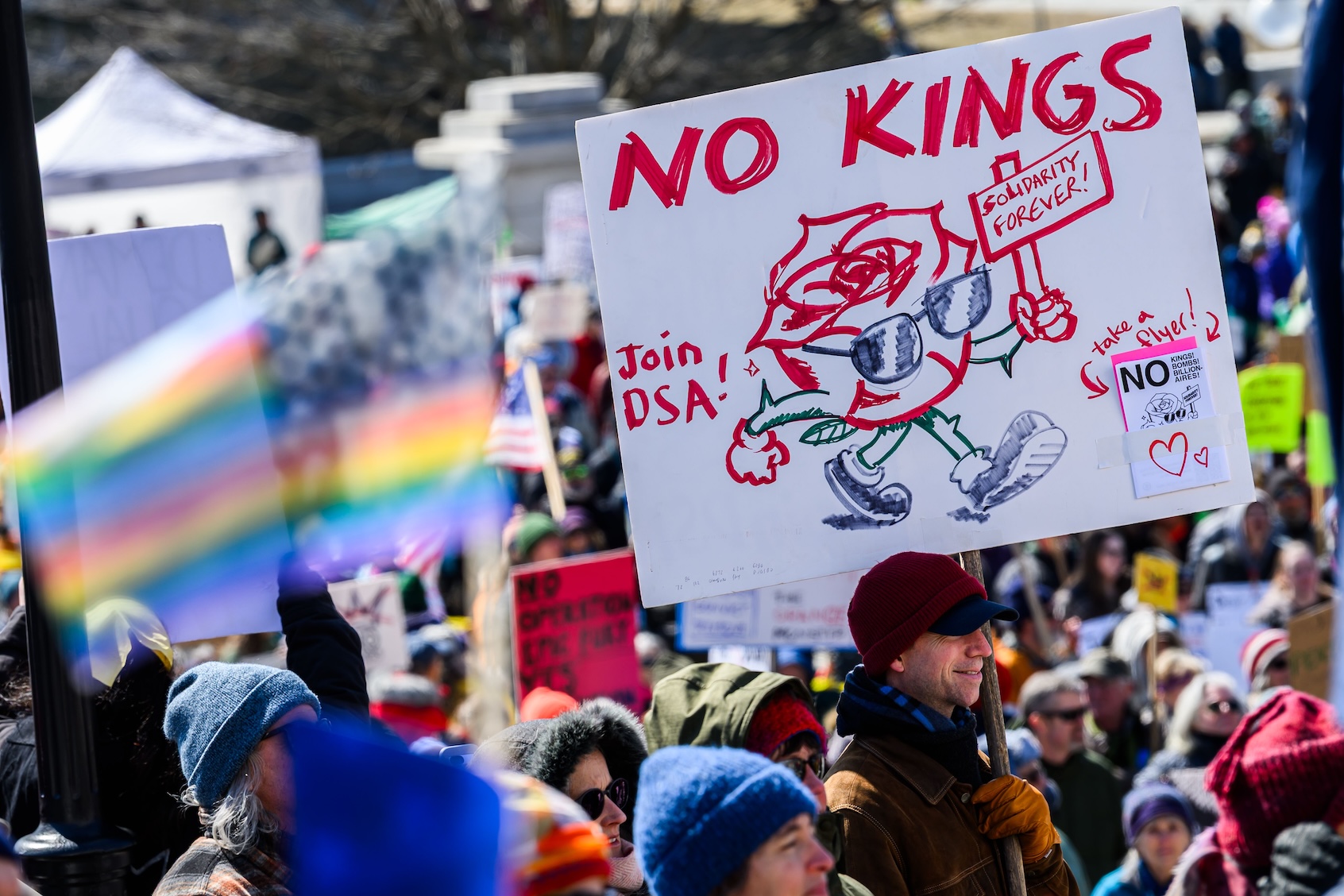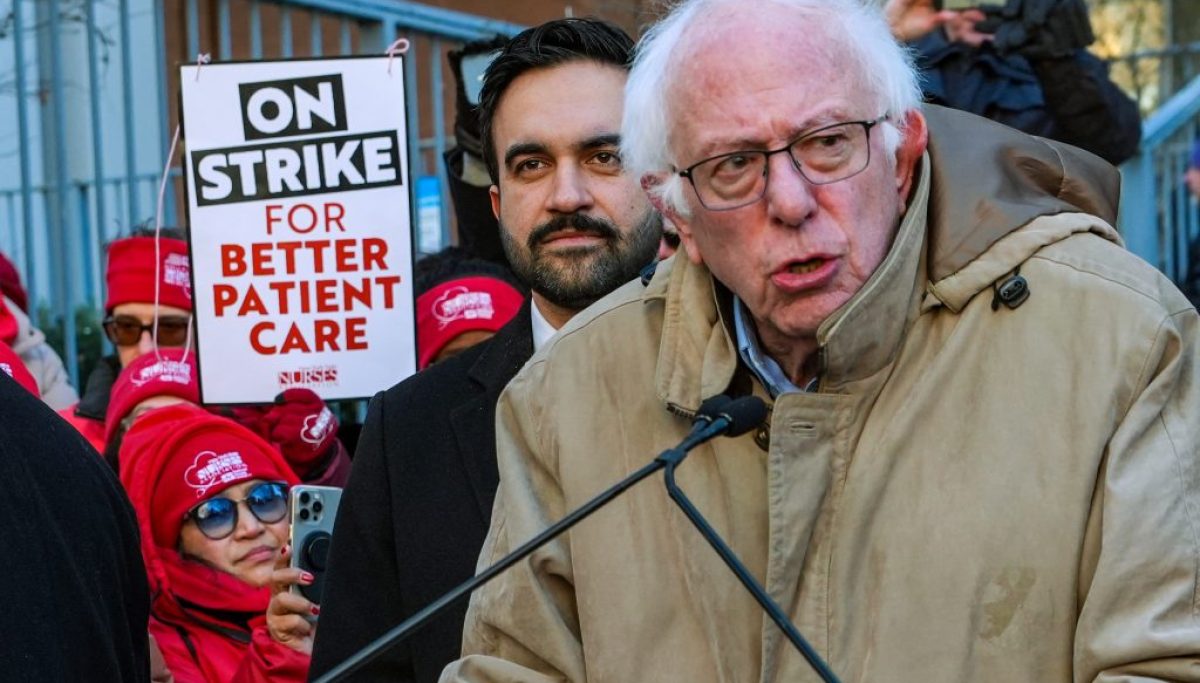
A union leader recently announced he was leaving the Democratic Party. His stated reason was blunt: The party, increasingly influenced by the Democratic Socialists of America and aligned activist networks, is no longer primarily focused on working people. It has been captured by anti-capitalist ideologues and factions whose priorities are ideological transformation and foreign policy alignments rather than the material interests of the union rank and file. This moment is not an isolated defection. It is the predictable result of a coalition strategy that prioritized short-term mobilization against a common enemy over long-term coherence with its core constituencies. When a political party faces an intense drive to remove or weaken a perceived existential threat, it becomes structurally vulnerable to co-option by more radical elements that share that immediate goal but operate from different principles. Anti-capitalist organizers, Islamist-influenced activist networks, and communist-adjacent factions do not need to become the majority to shift the direction of the coalition. They only need to supply disproportionate energy, institutional capture, and moral framing during periods of high mobilization. Once inside, their priorities — wealth redistribution on ideological rather than pragmatic terms, foreign policy alignments driven by anti-Western or anti-Israel commitments, and cultural transformation over economic bargaining — begin to dominate the agenda.
The coalition that captured the Democratic Party threatens to destroy it
Can Democrats recover a base broad enough to win without continuing to alienate the very constituencies that once made it a majority party?
662 words~3 min read