Greece is a country whose economy “produces” approximately €250 billion per year at current prices, according to data for 2025 from the Hellenic Statistical Authority (ELSTAT). And the defense industry contributes a negligible 0.5% or so to this gross domestic product per year. This explains why the lion’s share of the money paid by Greek taxpayers for defense is ultimately channelled into foreign companies, be they American, French, German, Israeli, Brazilian or others.
The real problem begins after the first installment for the acquisition of a foreign-made weapons system is paid. This is usually done without ensuring that the system also has long-term technical support in Greece. As a result, technical support disappears when the money runs out, as many examples, even in the recent past, have shown us, such as that of the Mirage 2000-5 fighter jets.
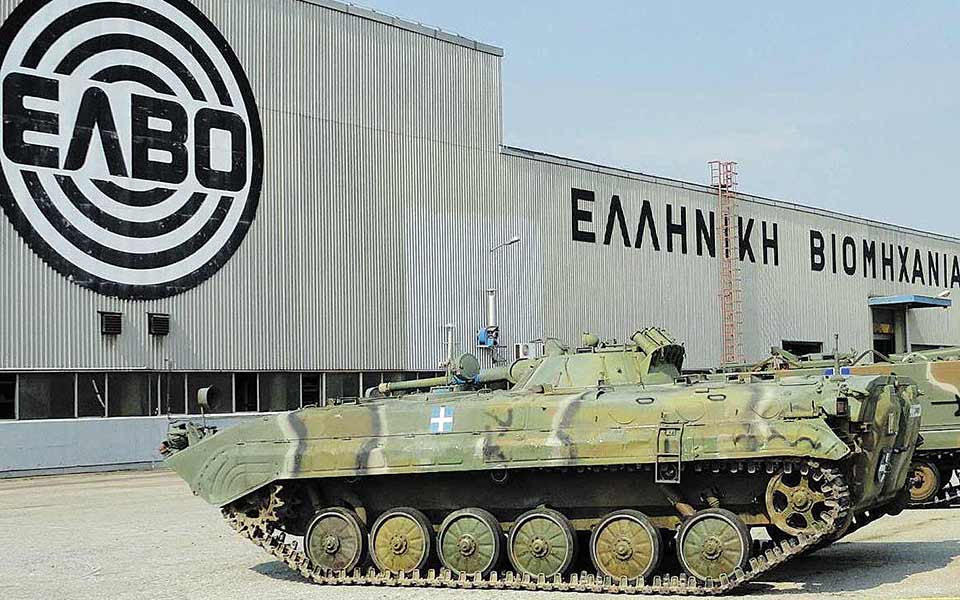
So, the issue is that when Greek defense industries are not carrying out any technical work, there can be no transfer of know-how and expertise. And this, in turn, basically means that what is described as “domestic participation” tends to be limited to the sublease of spaces for the development of projects or the manufacture and assembly of some component like sheet metal, and that’s about it. There are, of course, two or three really large companies in the defense sector in Greece, but even these are focused mainly on exports, because the domestic defense ecosystem is riddled with distortions.