Total investment for the Nagpur facility is expected to be around ₹10,900 crore
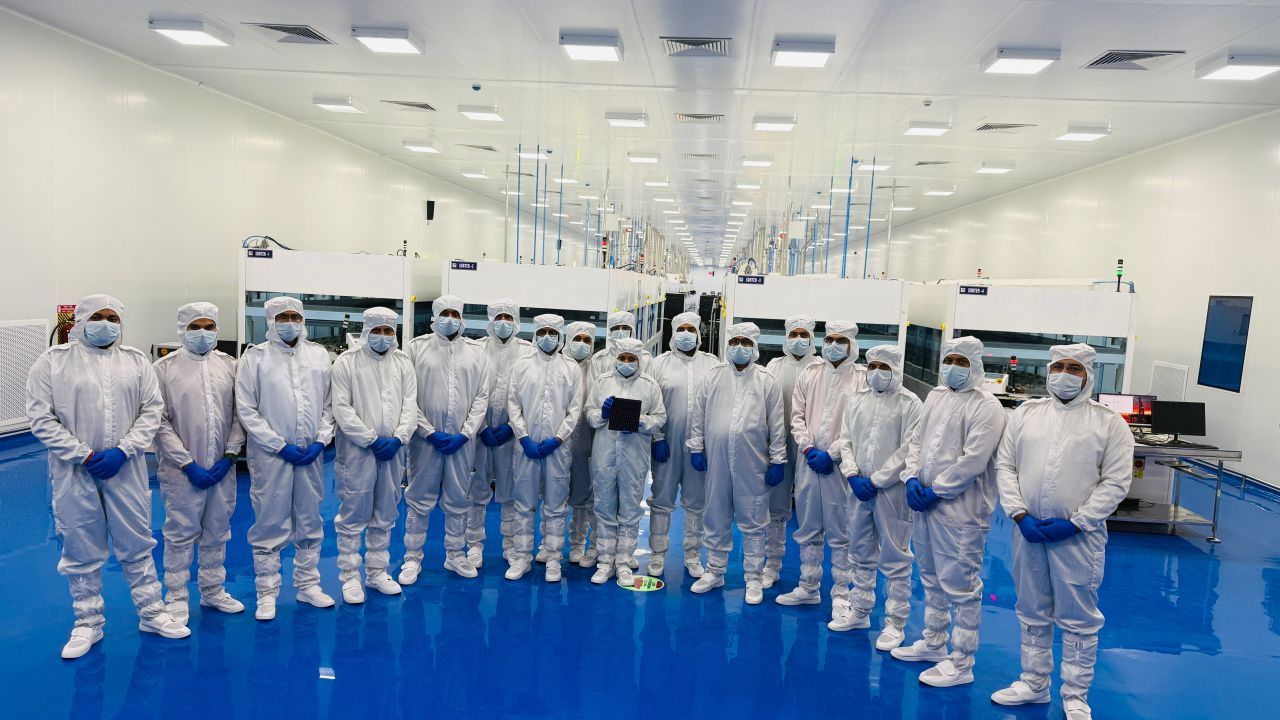
Jupiter International, one of India’s largest standalone solar photovoltaic cell manufacturers, is considering an initial public offering (IPO) as an option within the next 10 to 12 months to raise capital for expanding its manufacturing capacities, accelerating technology adoption and strengthening its integrated solar manufacturing capabilities.The Kolkata-based company has a capital expenditure plan of around ₹3,500 crore for the current financial year to develop its Nagpur facility, which will manufacture next-generation solar cells, modules and wafers, establishing an integrated photovoltaic manufacturing ecosystem across the solar value chain.Total investment for the Nagpur facility is expected to be around ₹10,900 crore. “The next phase of India’s solar manufacturing journey will be defined by technology leadership, scale and vertical integration. As we expand into advanced cell architectures, wafer manufacturing and next-generation R&D, we require long-term patient capital to accelerate this transformation,” said Dhruv Sharma, CEO, Jupiter International Ltd.“An IPO will, therefore, not merely be a fundraising exercise; it will be a strategic milestone that will enable us to invest in frontier technologies, strengthen domestic manufacturing capabilities and build a globally competitive solar manufacturing platform,” Sharma told businessline.The company started its journey as a cell manufacturer in 2009 when it had commercialised its first solar photovoltaic cell manufacturing unit with 30 MW annual capacity in Himachal Pradesh’s Baddi. The second unit at the Baddi facility came up in 2016. Last month, the company expanded its solar cell manufacturing capacity at the facility from 2 GW to 3.25 GW by inaugurating its fourth unit, adding 1.25 GW of TOPCon (Tunnel Oxide Passivated Contact) solar cell manufacturing capacity by investing ₹550 crore.“Solar cells represent the technological heart of a photovoltaic value chain. While modules integrate components, it is the cell that determines efficiency, energy yield, reliability and long-term performance. Cell manufacturing demands deep process engineering, advanced materials science, and continuous innovation and is capex intensive,” Sharma pointed out.According to him, the company’s strategy has always been to specialise in this high-value cell manufacturing segment and serve as the technology partner of choice for most module manufacturers across India.At its Nagpur facility, the company is planning to produce the most advanced technologies of solar modules to demonstrate its technology capabilities. It is setting up an R&D block there. “We have started work on building a 3 GW TopCon ++ solar cell plant. It is a very advanced TopCon technology, which is currently not used in India,” said Sharma, adding the plant is expected to be commissioned by December this year.In FY27, the company is planning to invest around ₹2,500 crore for the cell and module plants. Additionally, around ₹1,000 crore will be invested for the wafer-ingot manufacturing unit in the Nagpur facility.Published on July 7, 2026