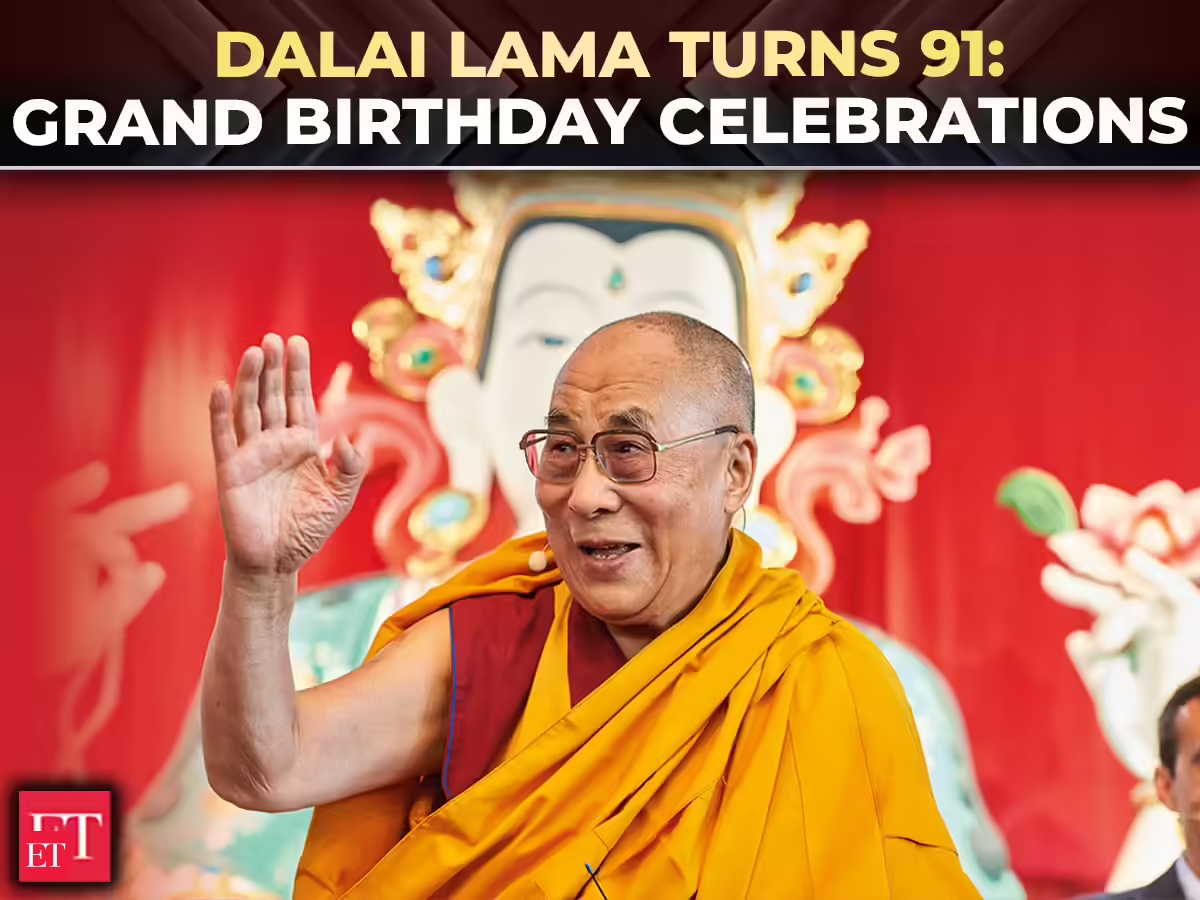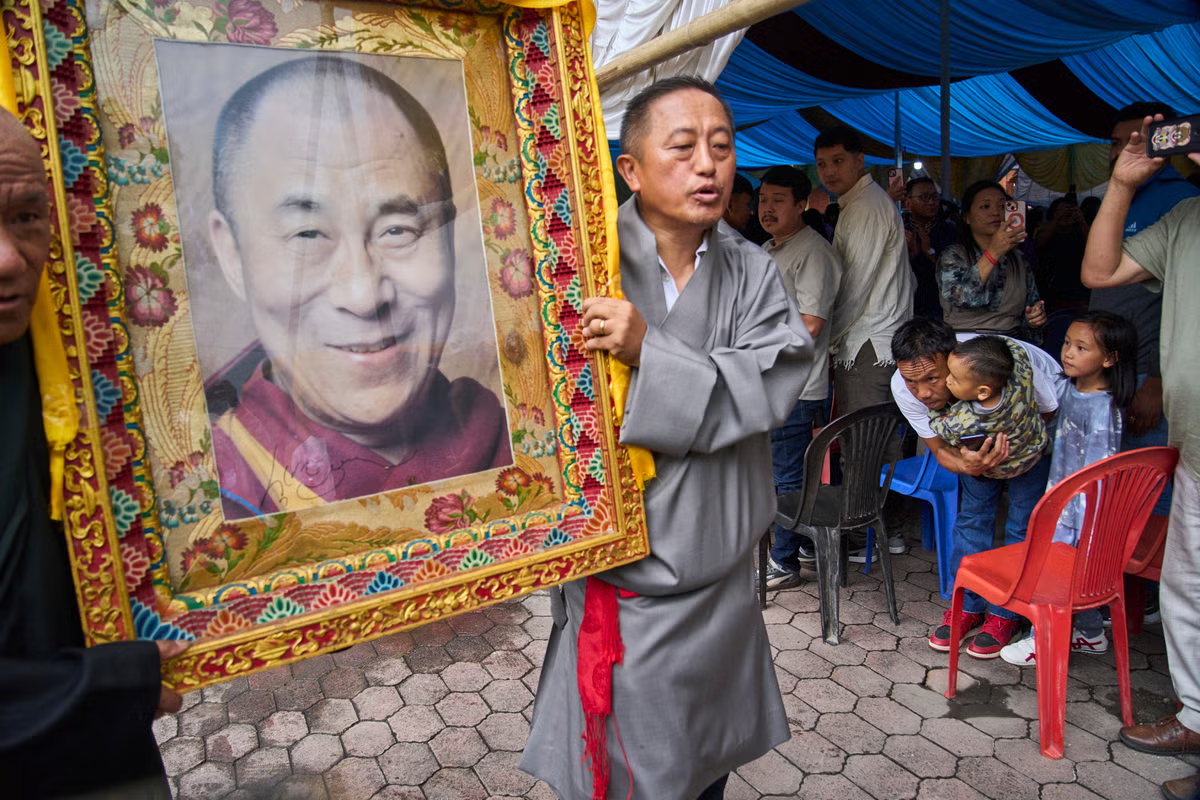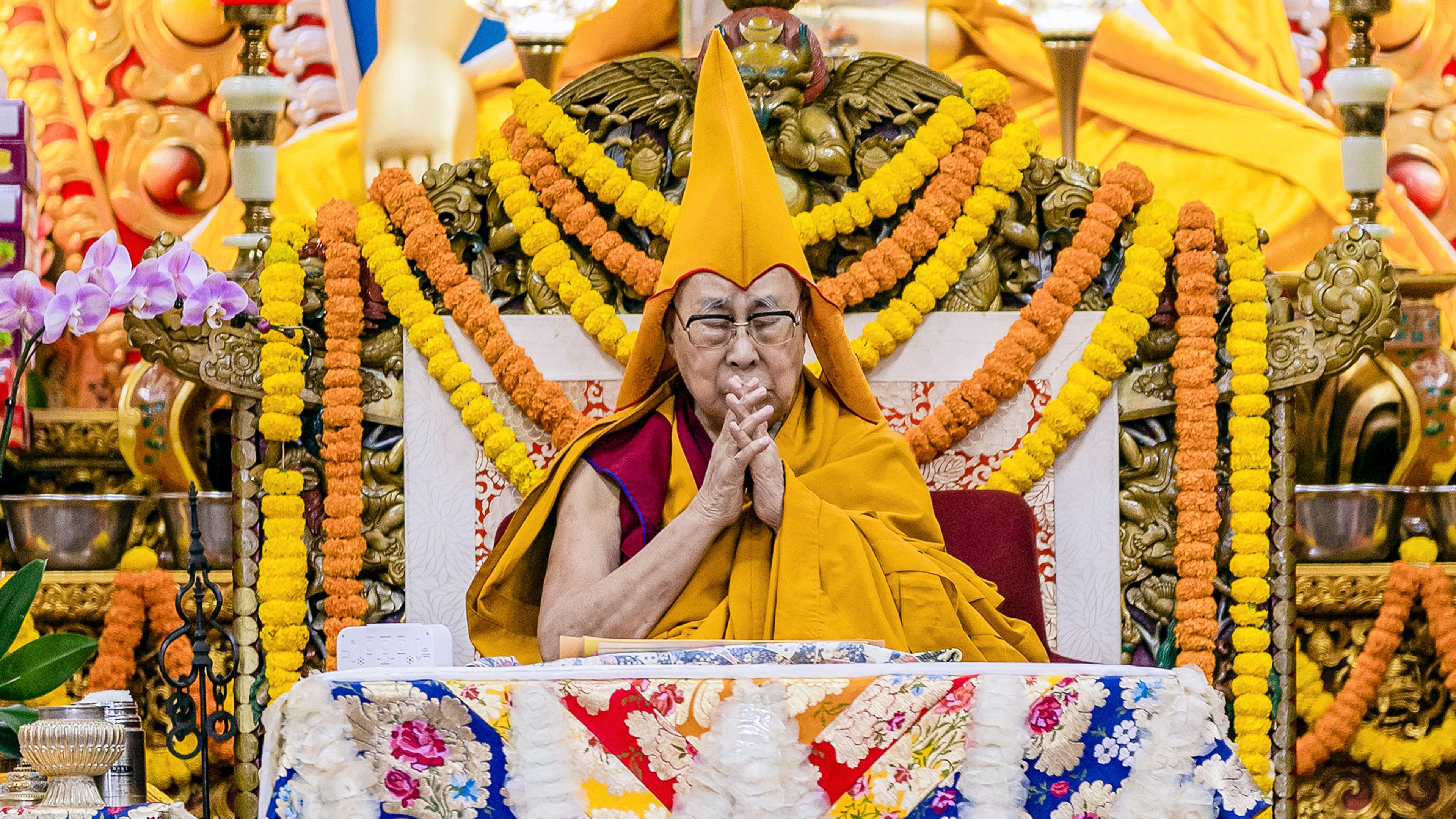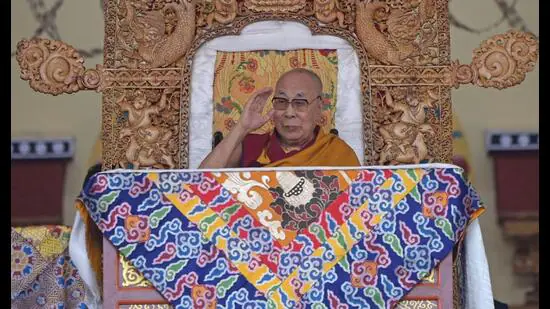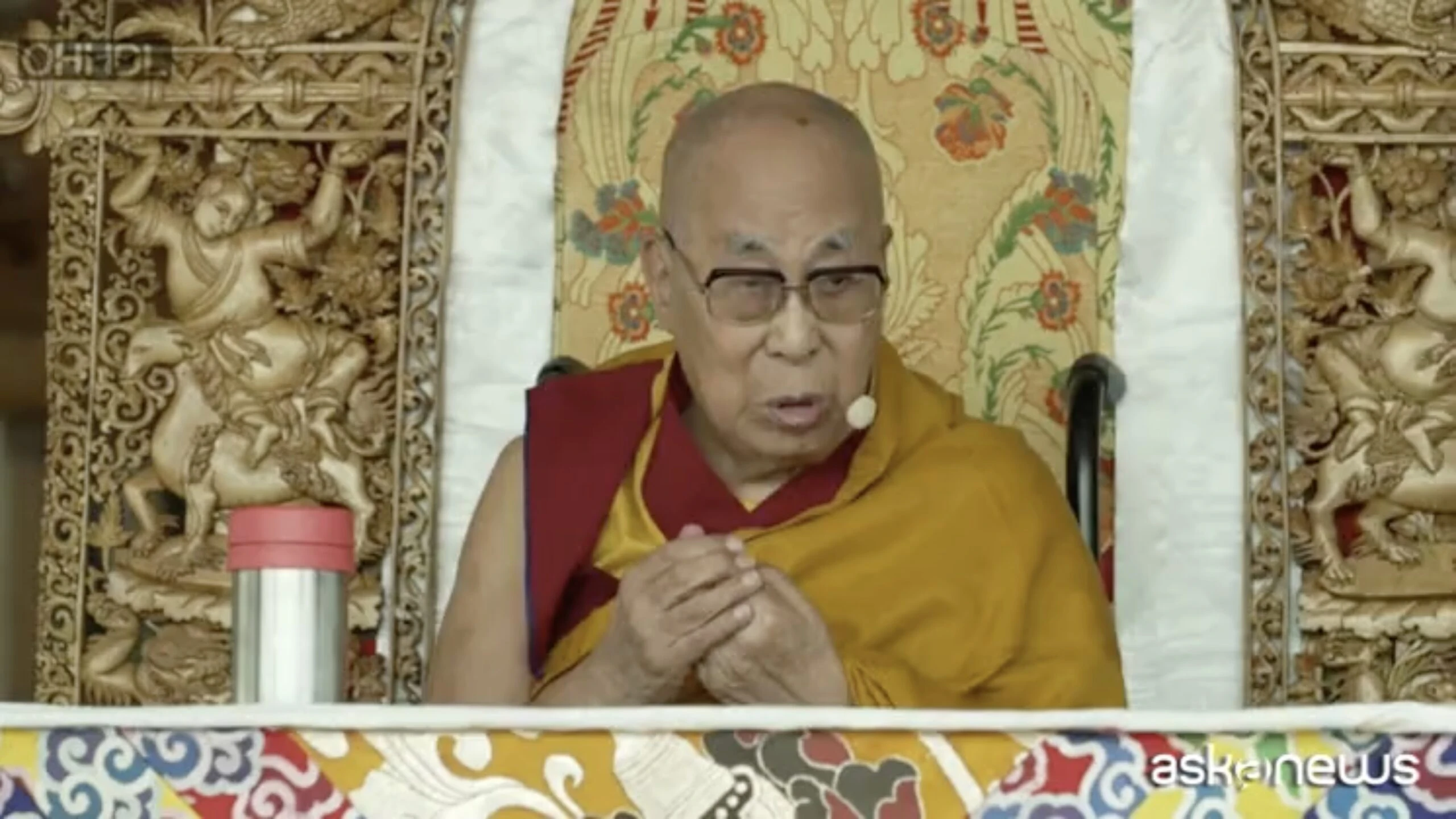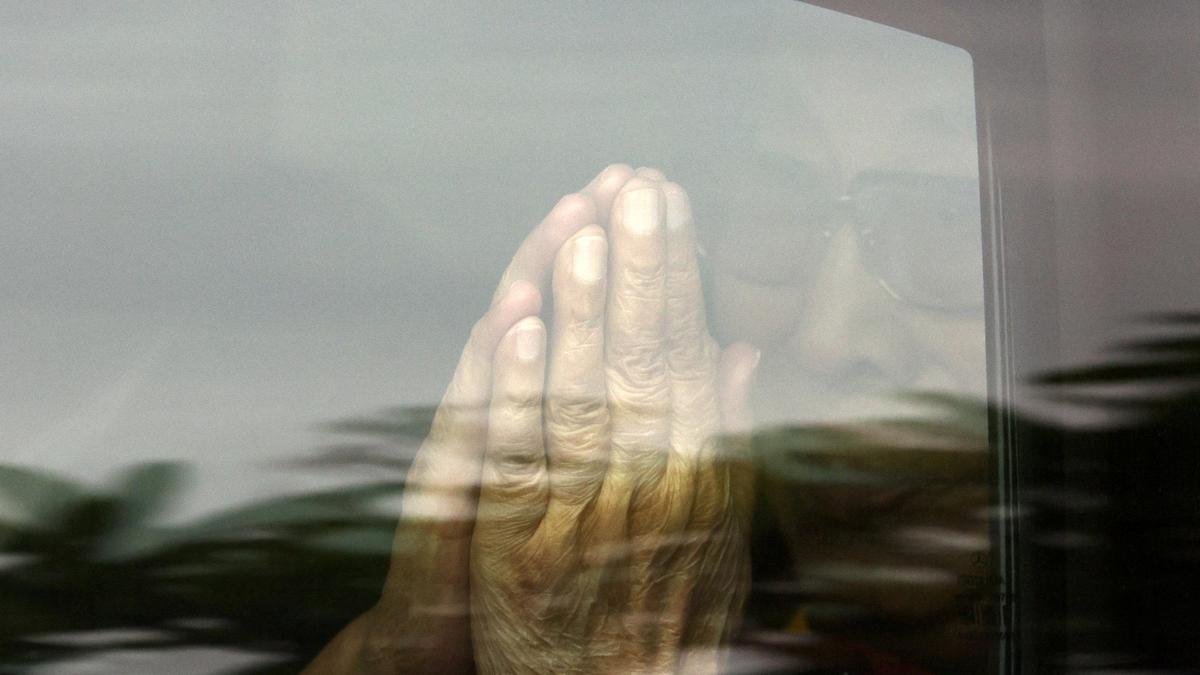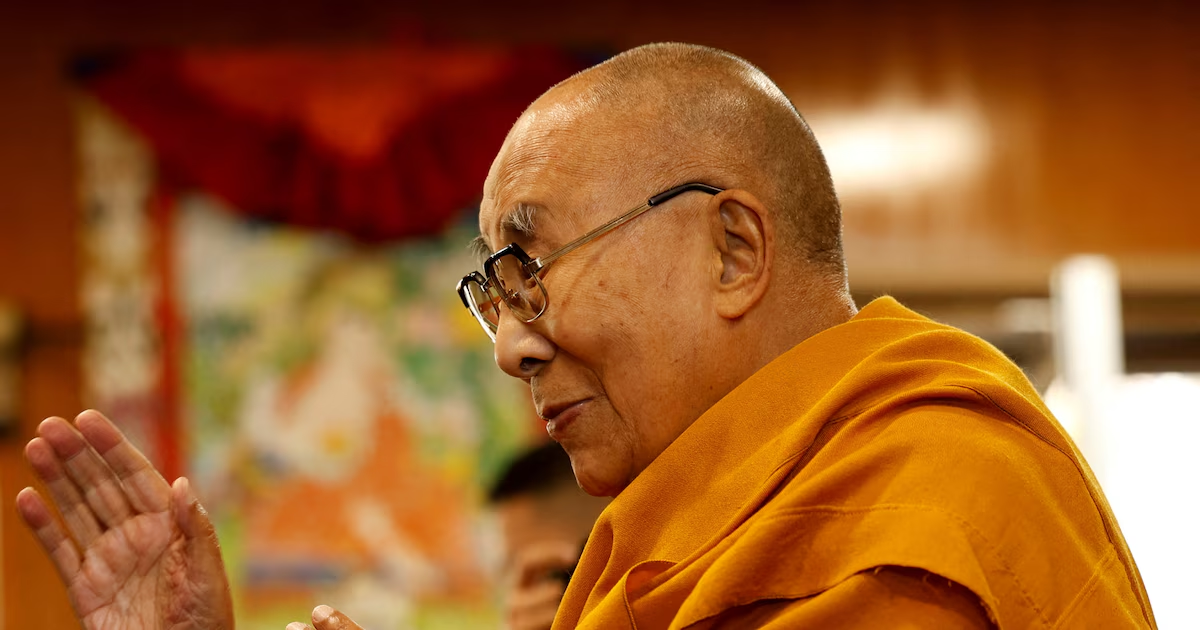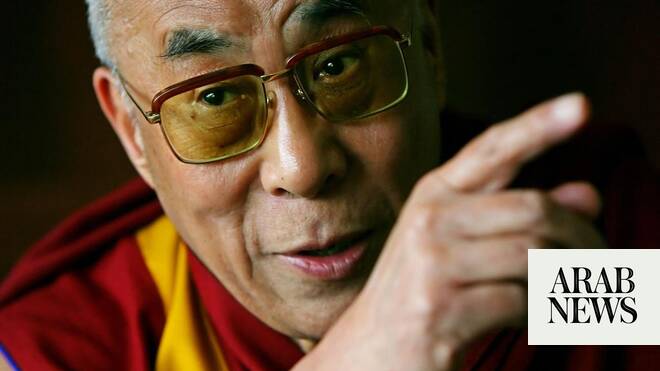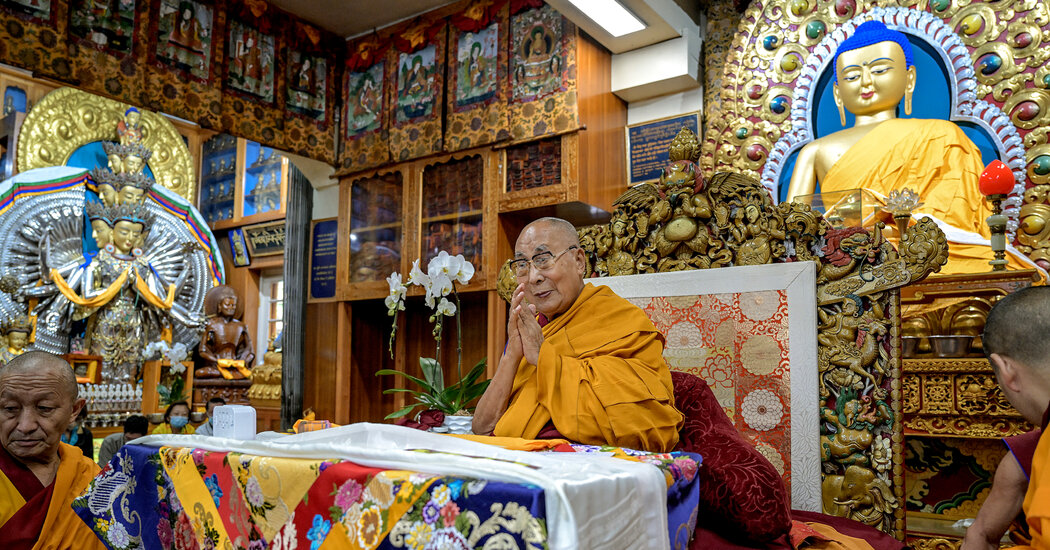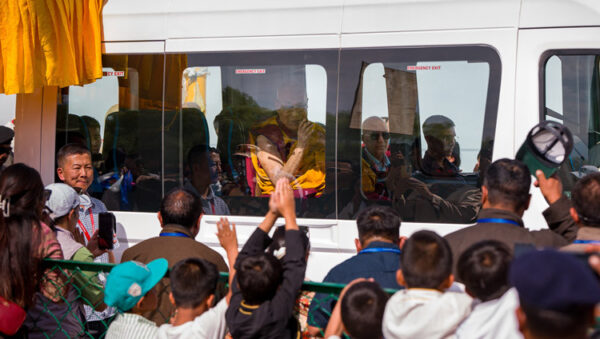
On July 6, the 14th Dalai Lama turned 91. In Dharamshala, the Himalayan town that has served as his home in exile since 1959, the day was marked, as it was last year, with long-life prayers, khata scarves, and delegations of devotees from across Asia and beyond. But the birthday of the Dalai Lama is no longer merely a religious observance. It has become an annual reminder of a clock that is ticking on one of Asia’s most combustible questions: who will choose the 15th Dalai Lama. Behind that question lies a broader contest between India and China over which of Asia’s two giants can credibly claim custodianship of Buddhism itself.
That contest has been building for decades, but the past year sharpened it dramatically. At his 90th birthday celebrations in July 2025, the Dalai Lama ended years of speculation by affirming that the institution will continue after his death, and that his Gaden Phodrang Trust holds sole authority to recognize his reincarnation. It was a pointed exclusion of Beijing, reinforced by his long-standing suggestion that his successor will be born in the “free world,” outside Chinese control. Within hours, China rejected the plan, insisting that any reincarnation must comply with Chinese law and “historical conventions,” a reference to the Qing-era Golden Urn ritual that Beijing codified in its 2007 State Religious Affairs Bureau Order No. 5, which requires state approval for all reincarnations of living Buddhas.