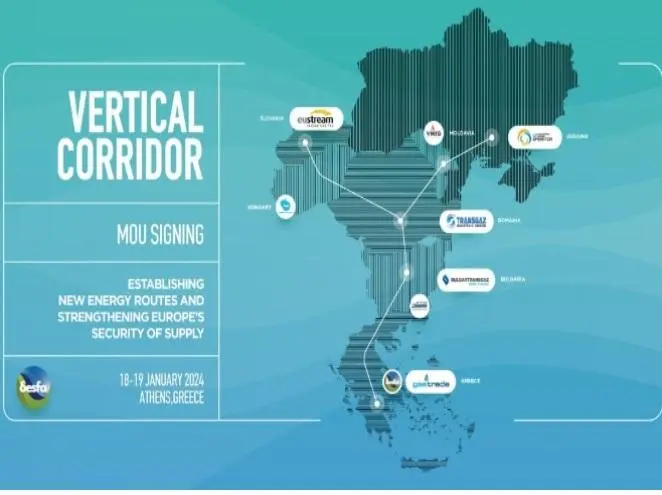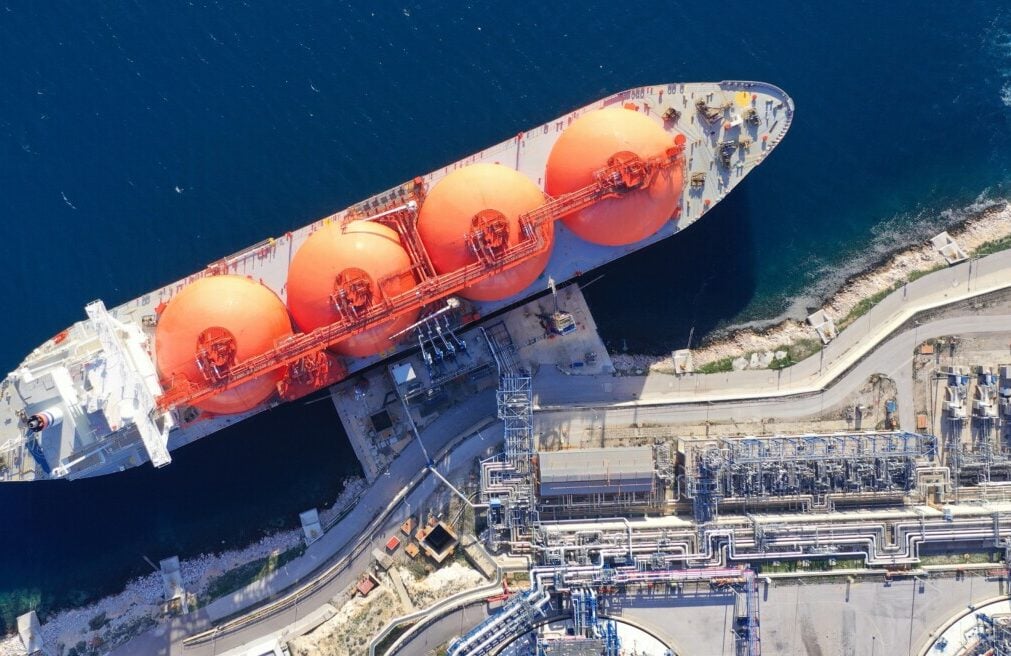
The Vertical Corridor aims to transport natural gas from Greece to the Balkans, Eastern Europe, and Ukraine.
Annual gas capacity booking auctions for 2026–2027, held on Monday, provided the first real test of the commercial viability of the Greece-to-Ukraine Vertical Corridor, and the project cleared that hurdle, with more than 45% of the capacity offered over the next four gas years booked.
The auctions were the first market test of the corridor’s revised commercial framework, following targeted cuts in transit tariffs and new discounts on parts of the route. The changes significantly reduced transport costs to Ukraine, making the Vertical Corridor the fourth-cheapest route, compared with costs that were previously nearly three times higher. Market participants, however, say further incentives will be needed to strengthen its competitiveness.
“The result boosts the positive prospects for exports through the national gas system and further strengthens Greece’s position as a key regional energy gateway,” DESFA, Greece’s gas grid operator, announced.
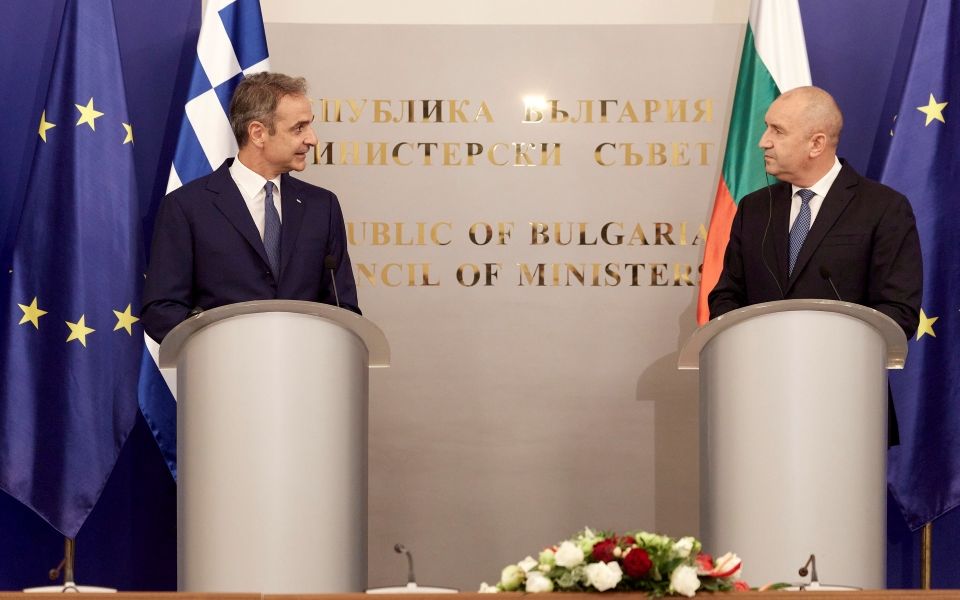
Demand was strongest at the Sidirokastro interconnection point on the Greek-Bulgarian border, where 46% of available export capacity for 2026/2027-2029/2030 was booked and 26% for 2030/2031. Capacity was also reserved through to the 2040/2041 gas year.