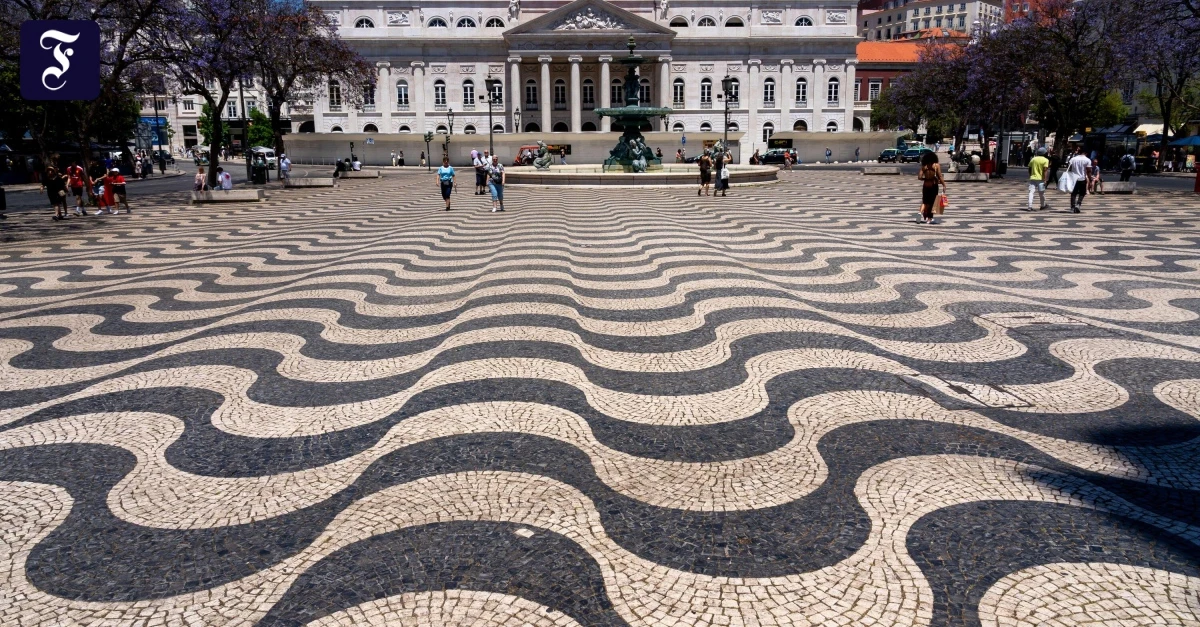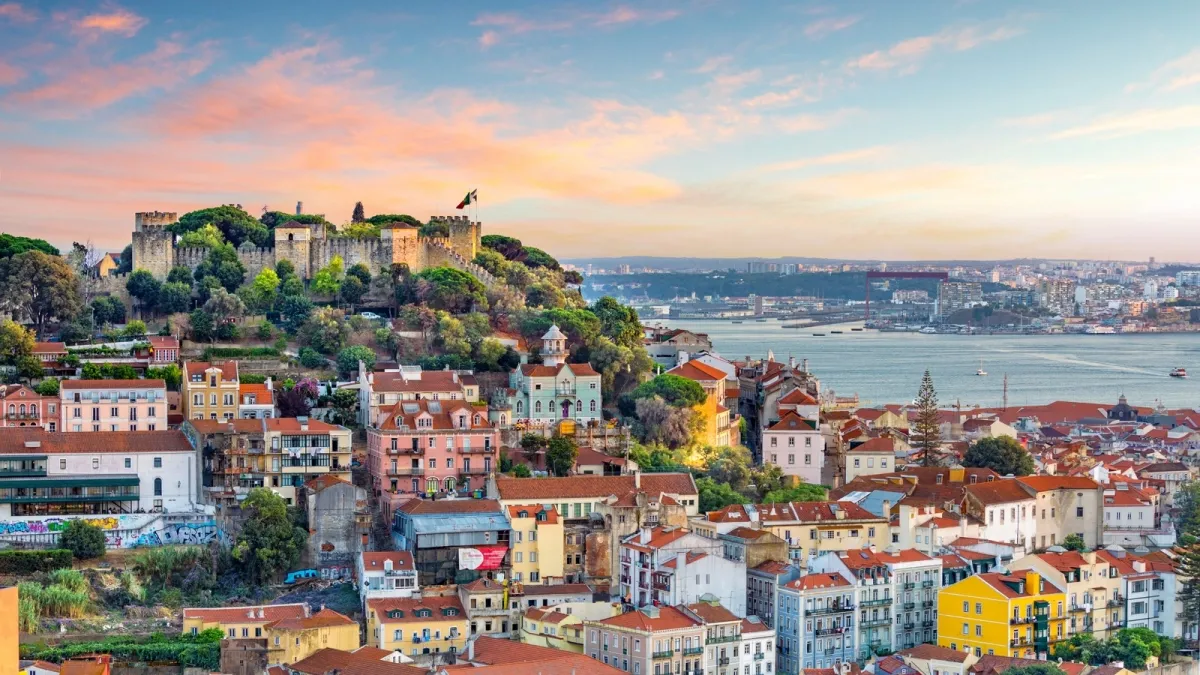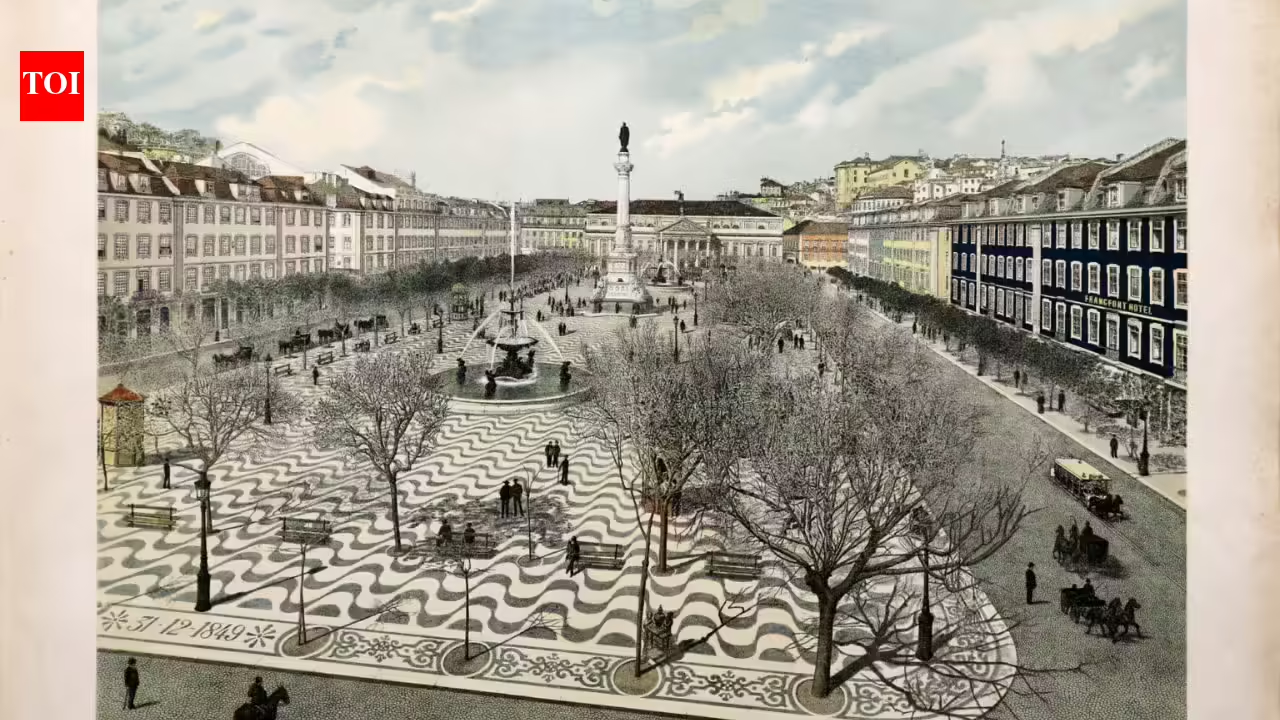
pc: Associação da Calçada PortuguesaWalk through many Portuguese towns and cities, and the ground often demands as much attention as the buildings. Beneath shopfronts, cafés and historic squares, pavements ripple with waves, geometric motifs, flowers, ships and abstract shapes assembled from thousands of small stones. The effect can feel surprisingly similar to a woven carpet spread across an outdoor room. Visitors tend to look down almost as often as they look up.This distinctive appearance is the result of Portuguese pavement, known as calçada portuguesa. While it is now regarded as part of the country's visual identity, its origins were tied to practical urban needs rather than decoration alone. Over time, a method once used simply to cover streets evolved into an artistic feature that transformed public spaces and gave many Portuguese cities their recognisable character.How Portuguese pavement evolved into ‘Calçada Portuguesa’ in LisbonStone-paved roads existed in the Iberian Peninsula long before Portuguese pavement acquired its modern appearance. Earlier civilisations used stone surfaces primarily for durability and movement. The technique of placing small pieces of stone side by side was already familiar, but decoration was not the main concern.As per the information by Associação da Calçada Portuguesa, the shift happened in Lisbon during the nineteenth century. The city was changing rapidly, and public spaces were being redesigned as social life increasingly moved outdoors. Squares, promenades and pedestrian areas became places where people gathered, walked and spent time rather than simply passing through.As these spaces gained importance, paving began to serve a visual purpose as well. Instead of leaving the ground as a plain surface, designers and craftsmen started creating patterns that stretched across streets and plazas. The pavement became part of the city's appearance in the same way that architecture, fountains and street furniture shaped the urban landscape.The stones behind Calçada Portuguesa's distinctive designsThe appearance of Portuguese pavement owes much to local geology. Around Lisbon, workers had access to white limestone and dark volcanic stone, materials that created a strong visual contrast when placed together.Those colours became the foundation of many designs. Black and white combinations remain the most familiar version today, even though pavements can also include other shades of stone. Seen from a distance, the individual pieces disappear, and the surface begins to resemble a giant textile pattern spread across the city.The stones are cut into small blocks and positioned by hand. That process allows curves, symbols and detailed images to emerge from what initially looks like a collection of simple fragments. A pavement can contain repeating geometric forms, maritime imagery or purely decorative motifs, depending on the location and purpose of the space.How Rossio Square became a showcase for Calçada PortuguesaOne of the most recognisable examples appears in Rossio Square in central Lisbon. The flowing black-and-white design resembles waves rolling across the ground and has become closely associated with the city.According to the Associação da Calçada Portuguesa, the development of artistic pavement is linked to Lieutenant-General Eusébio Cândido Cordeiro Pinheiro Furtado, who oversaw early paving projects connected with São Jorge Castle during the 1840s. Initial works carried out near the castle attracted attention and helped demonstrate the decorative possibilities of the technique.The wave design later appeared at Rossio, where it became one of Lisbon's defining visual features. Although the original version disappeared in the early twentieth century, it was eventually recreated during later restoration works. Today it is among the most photographed examples of Portuguese pavement and continues to influence designs elsewhere.How ‘Calçada Portuguesa’ spread across the world What began in Lisbon did not remain there. Portuguese pavement gradually appeared throughout mainland Portugal and the islands, adapting to local settings while retaining its characteristic construction method.The tradition also travelled overseas. In places connected historically to Portugal, examples can still be found in public squares, waterfronts and city streets. Brazil, in particular, adopted the style extensively, and many of its famous seaside promenades display designs that clearly trace their roots back to Portuguese craftsmanship.Yet the craft faces challenges. Laying these pavements requires specialised skills and considerable physical labour. Fewer young people have entered the profession in recent decades, raising concerns about the future of the trade. To help preserve the knowledge, training initiatives such as Lisbon's School of Pavers were established to pass techniques from one generation to the next.That effort reflects something larger than the maintenance of old streets. Portuguese pavement is not simply a surface to walk across. It is a form of urban design that turned stone into decoration, allowing entire neighbourhoods to be covered with patterns that feel less like roads and more like carefully woven carpets laid across the city itself.
Why Portugal's streets look like giant patterned carpets: The history of Calçada Portuguesa
Walk through many Portuguese towns and cities, and the ground often demands as much attention as the buildings. Beneath shopfronts, cafés and historic squares, pavements ripple with waves, geometric motifs, flowers, ships and abstract shapes assembled from thousands of small stones.
767 words~3 min read