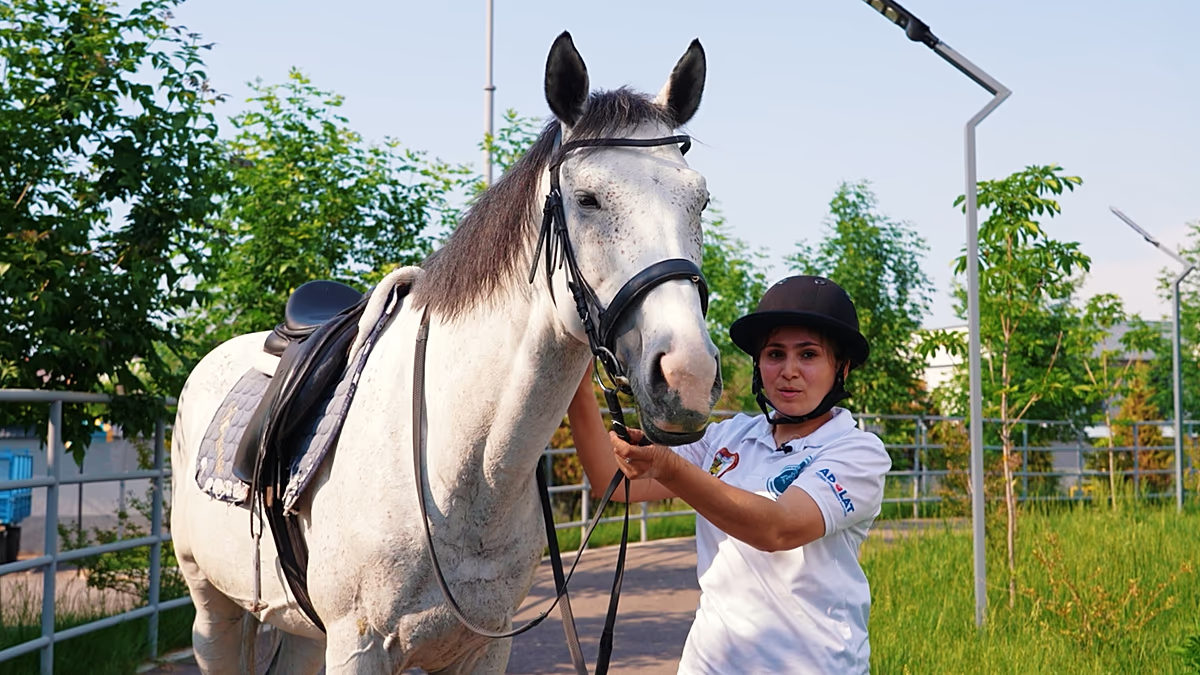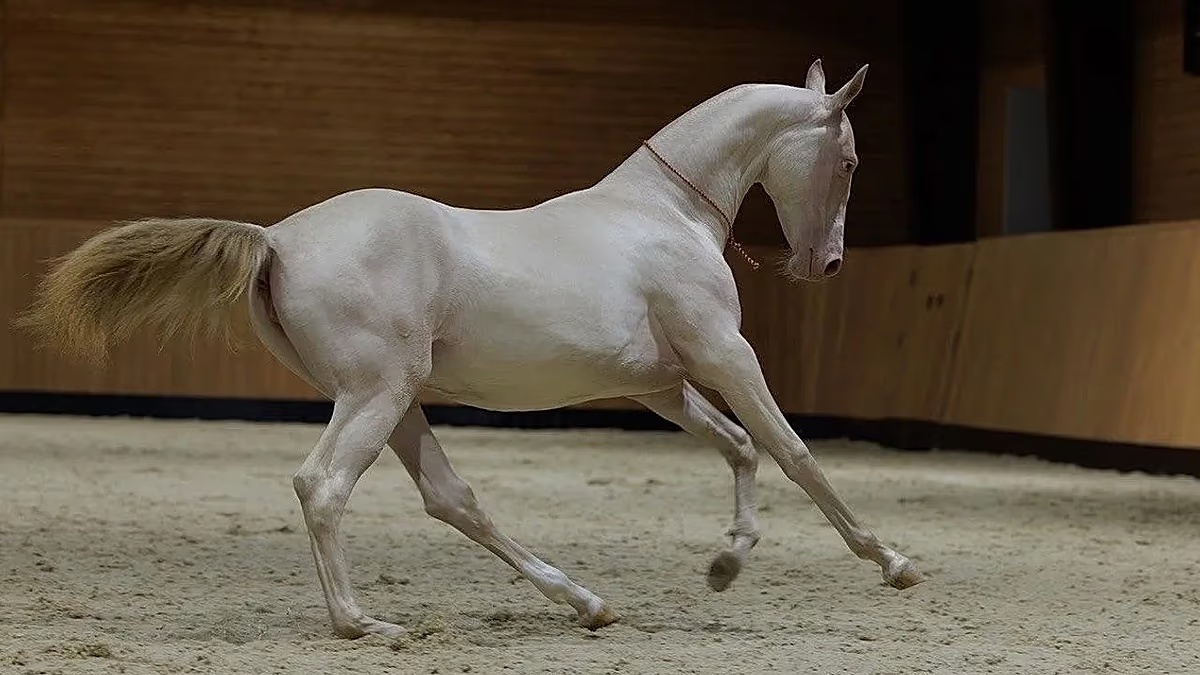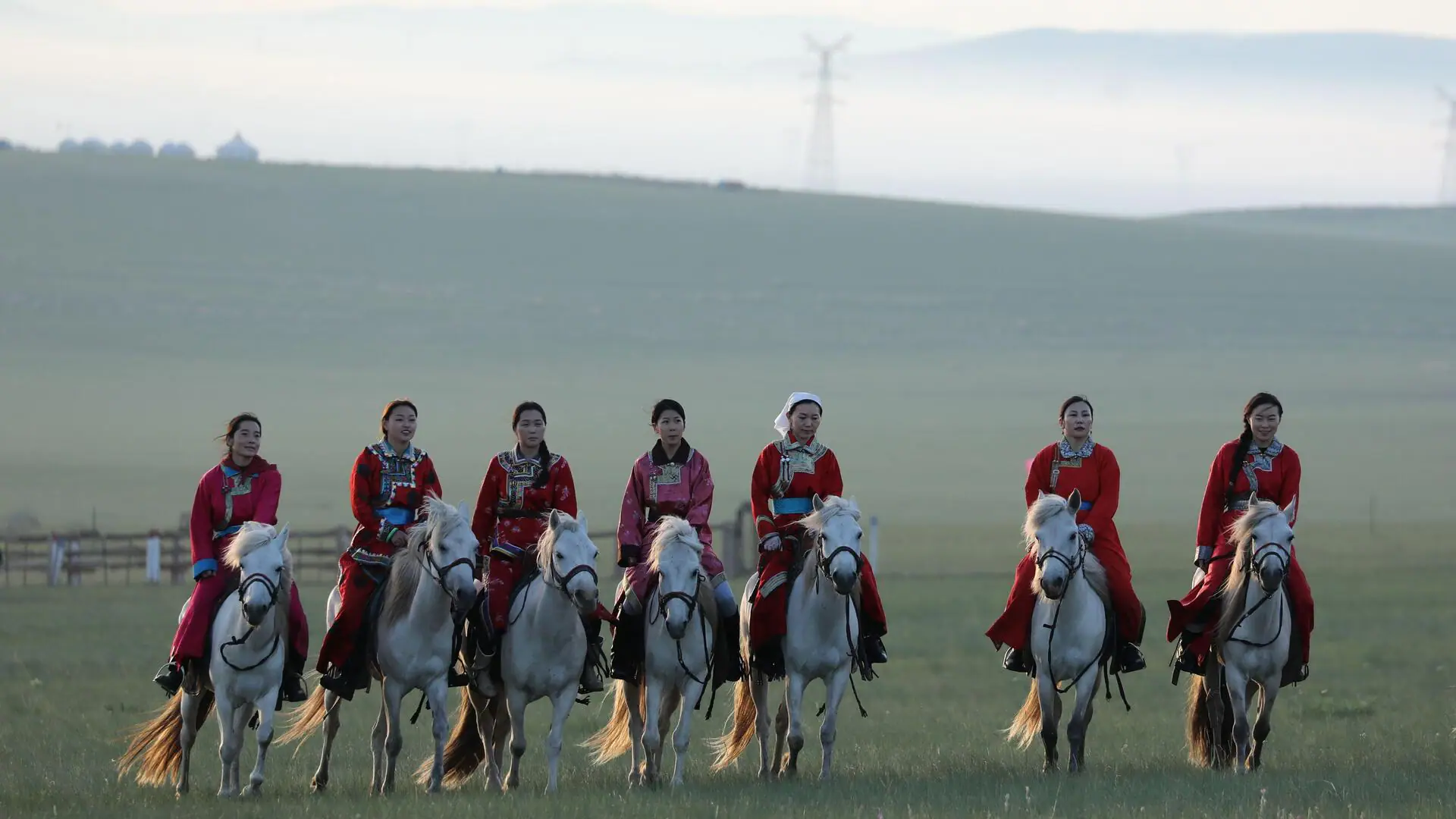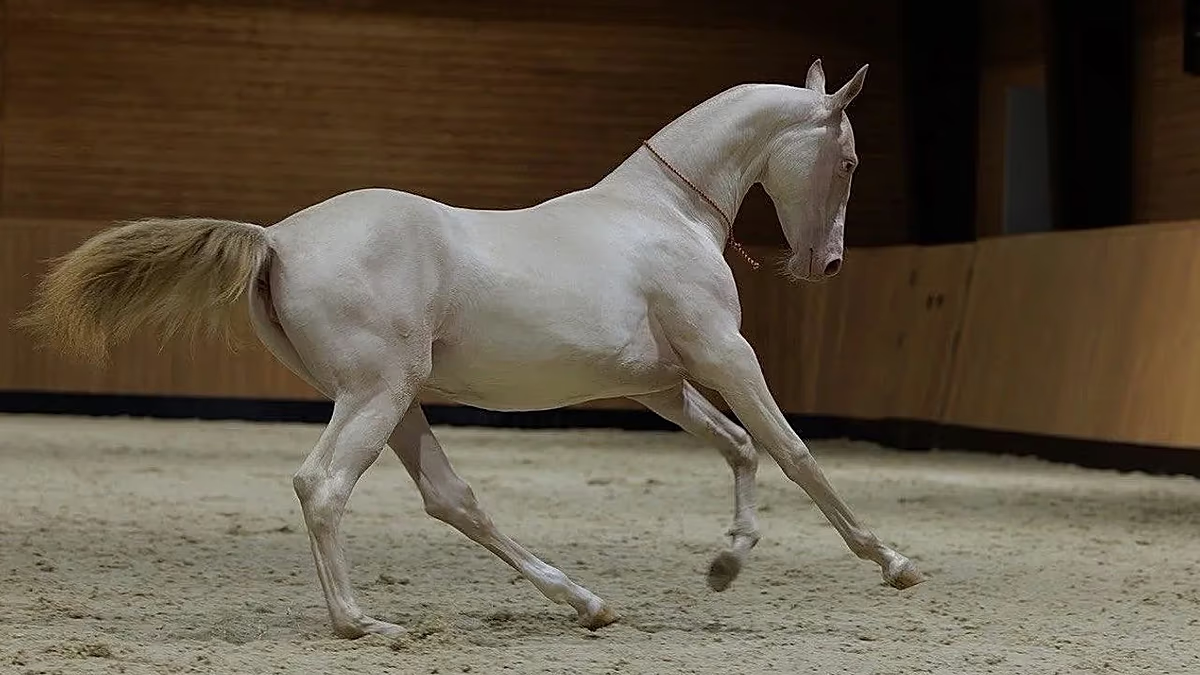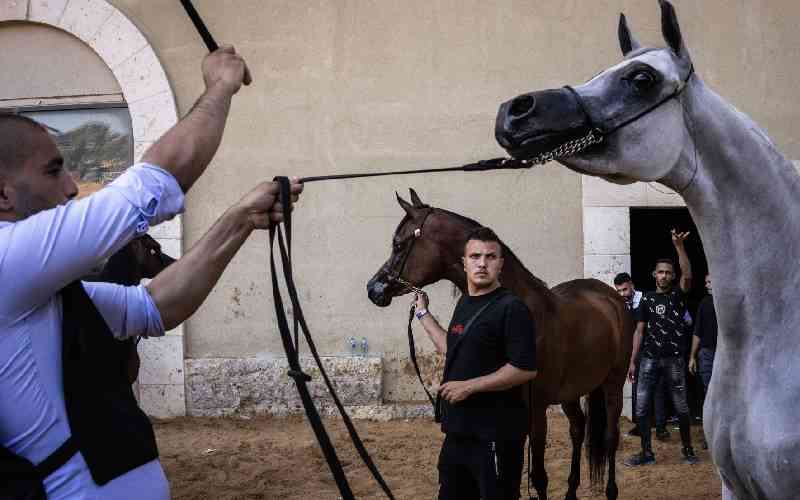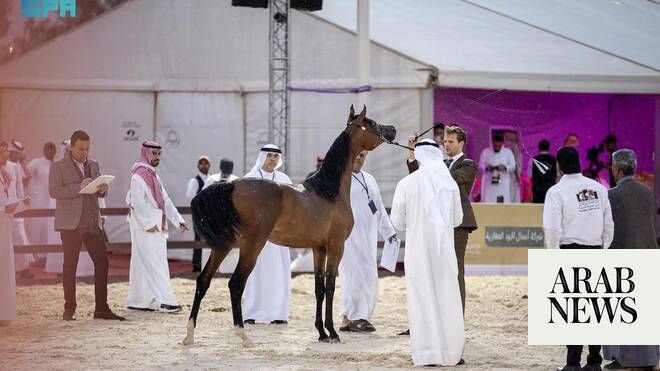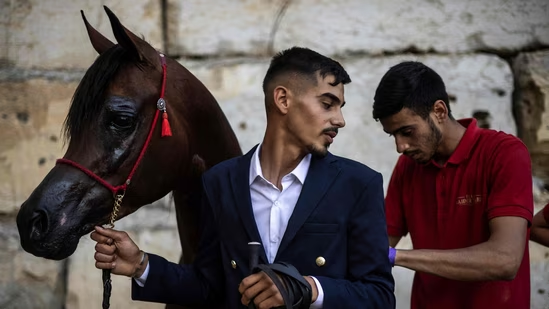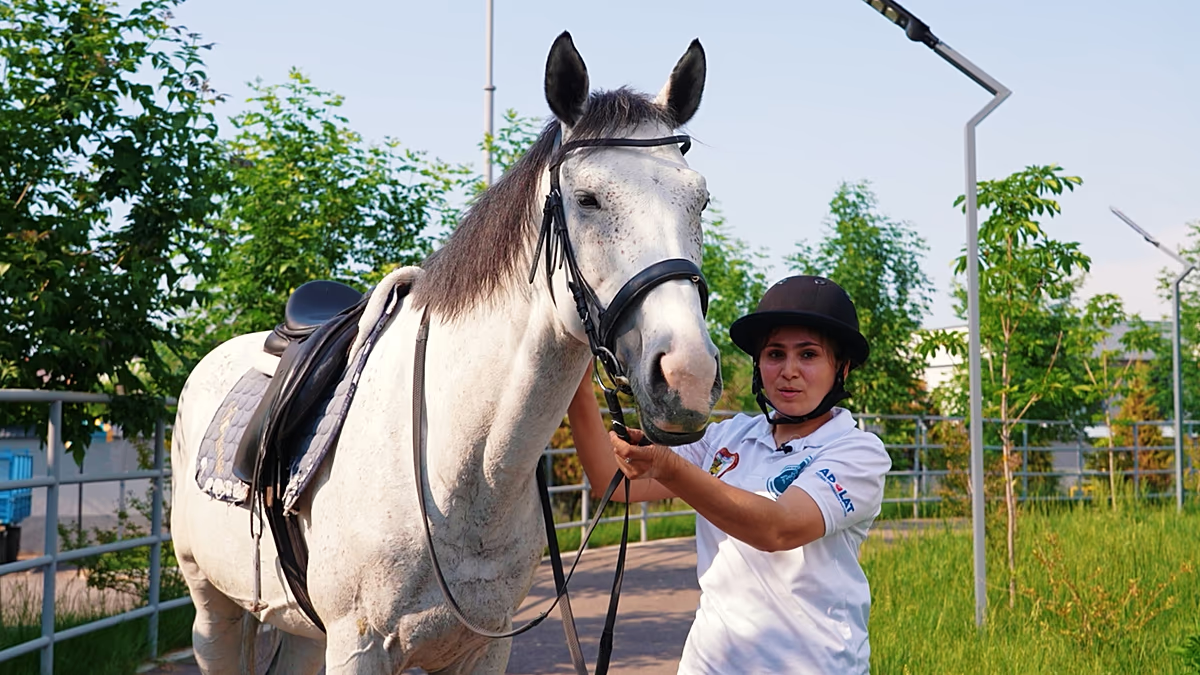
Horses have played a central role in life across Central Asia for centuries. They carried traders along the Silk Road, accompanied armies across vast territories and helped communities adapt to challenging landscapes. Today, horses remain part of everyday life, not as a necessity, but as a link to heritage, sport and cultural identity.
Across Uzbekistan, riding schools, breeding centres and polo clubs are introducing a new generation to equestrian traditions while helping preserve some of the country's most important horse breeds.
One of the clearest examples of this revival can be found in polo. While the sport is now played professionally around the world, its roots in the region stretch back centuries.
Known historically as Chovgan, polo was once played by rulers and warriors across Central Asia. According to Aziz Rustambayev, Chairman of the Polo Federation, the game spread across the region long before evolving into the modern sport known today.
"In Uzbekistan, polo is part of our historical heritage," he says.