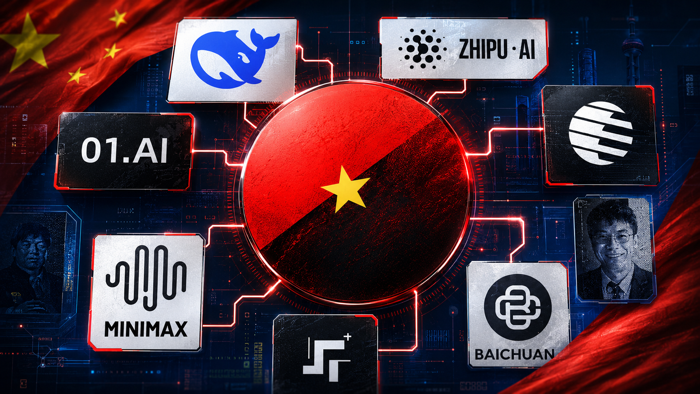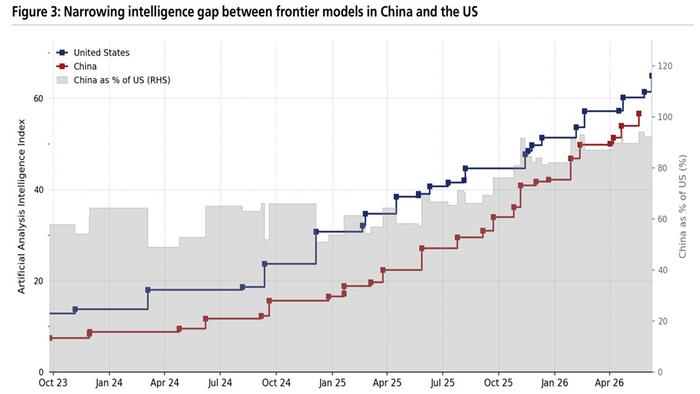
On June 12, the U.S. government directed Anthropic to suspend access to Fable 5 and Mythos 5 for any foreign national, inside or outside the United States. The order forced the company to disable both models worldwide. Days later, Beijing-based Zhipu rolled out GLM-5.2, a near-frontier, open-weight system that users could download and run locally.Its Hong Kong-listed shares surged as much as 48%. Chinese state media and government-linked commentators seized on the contrast, portraying Washington as restricting access while Beijing championed openness. The episode exposed a strategic vulnerability. We tend to imagine the U.S.-China AI race as a contest of chips, compute, and benchmarks. But it is equally a contest over who supplies the world’s digital infrastructure — and whose rules come with it.I have spent years analyzing how Beijing competes, and the pattern is consistent. China advances not only through coercion but through what I call ideological seduction: offering other nations an attractive model of order, then letting dependence do the rest. The Belt and Road Initiative did this with ports and railways. The Digital Silk Road did it with cables and 5G. Artificial intelligence is the next and most consequential instrument, because whoever supplies the world’s AI supplies the defaults, values, and dependencies embedded in how billions of people learn, govern, and decide.
America’s AI edge is trust. China is betting we’ll squander it
Washington and Beijing are not just competing to build the smartest model. They are competing over who will shape the world’s digital operating system.
1,002 words~5 min read