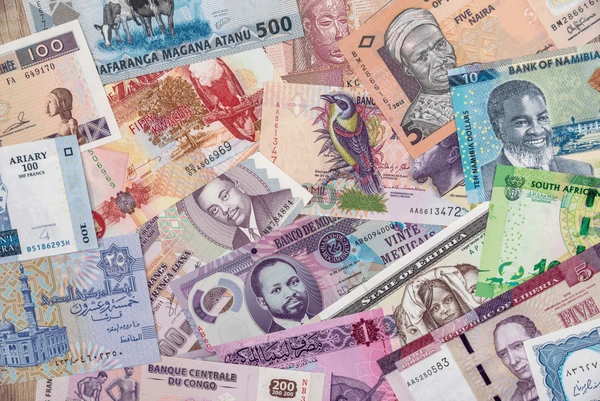
The first half of 2026 tested African currencies as the US-Iran war rattled global financial markets, disrupted oil supplies and pushed energy prices sharply higher.
Although an interim ceasefire has since helped calm markets and eased fears of prolonged supply disruptions, the conflict left a lasting impact on many African economies that rely heavily on imported fuel. Brent crude, which surged above $100 a barrel at the height of the conflict, has since retreated to around $71 following the ceasefire agreement and expectations of improved oil supplies.
Read also: these-12-african-currencies-appreciated-despite-iran-war-shocks
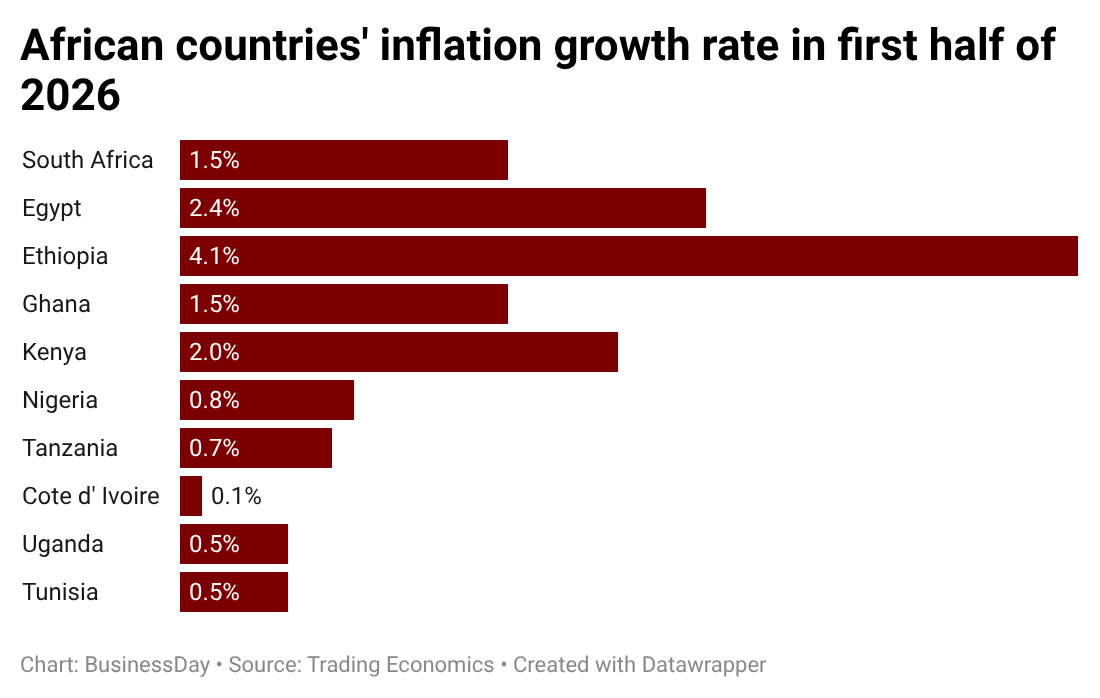
The economic shock was felt across much of the continent. In its African Economic Outlook 2026, Afreximbank noted that at the end of March 2026, the currencies of 29 African countries had weakened against the US dollar, with 10 of them depreciating by more than two percentage points compared with baseline projections. It warned that “the shock has fueled currency depreciations across Africa”, adding that “Africa’s oil importing countries are hit most through higher petroleum import bills and depreciating currencies.” The report further noted that “the direct pass through of rising domestic pump prices and transport costs have fueled inflationary pressures in several countries.”