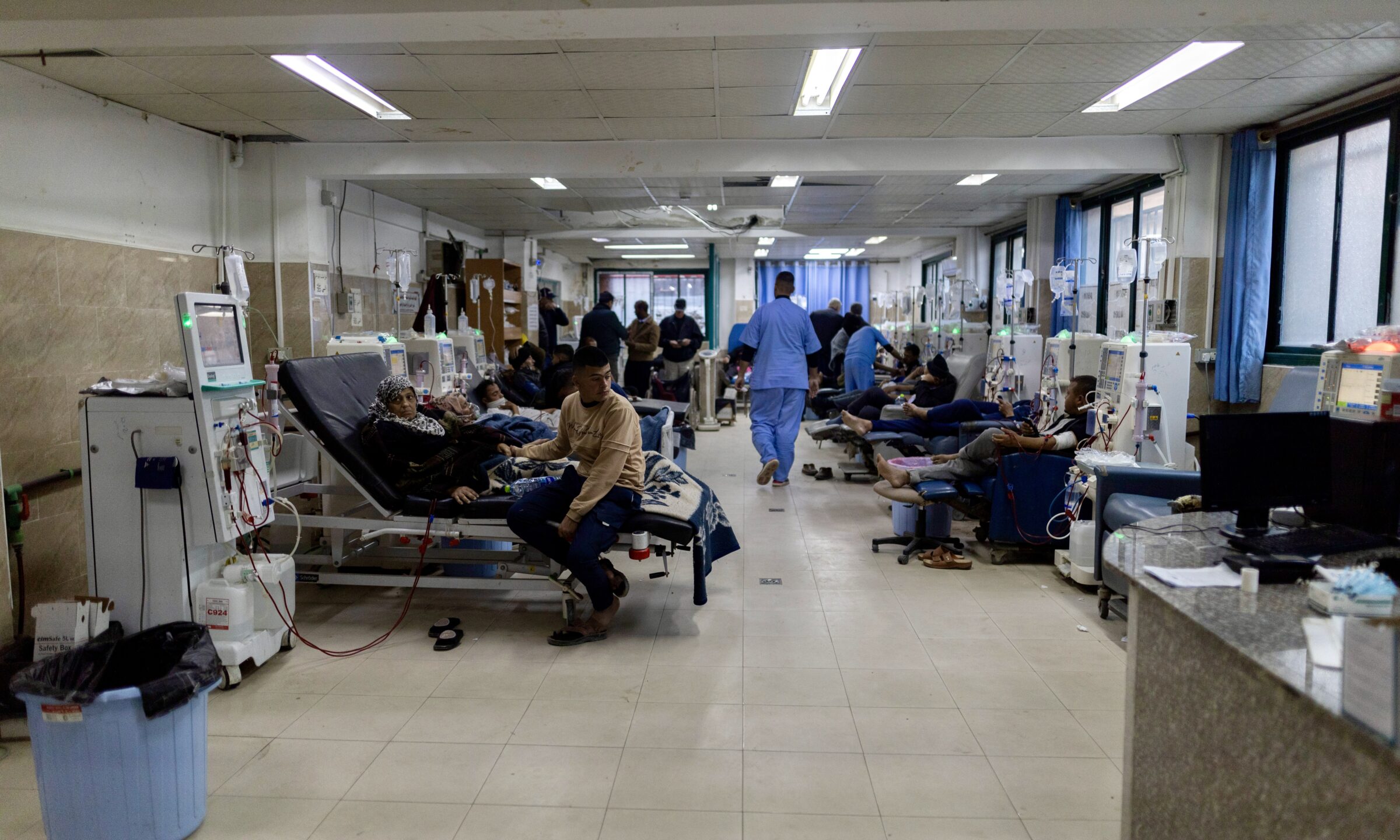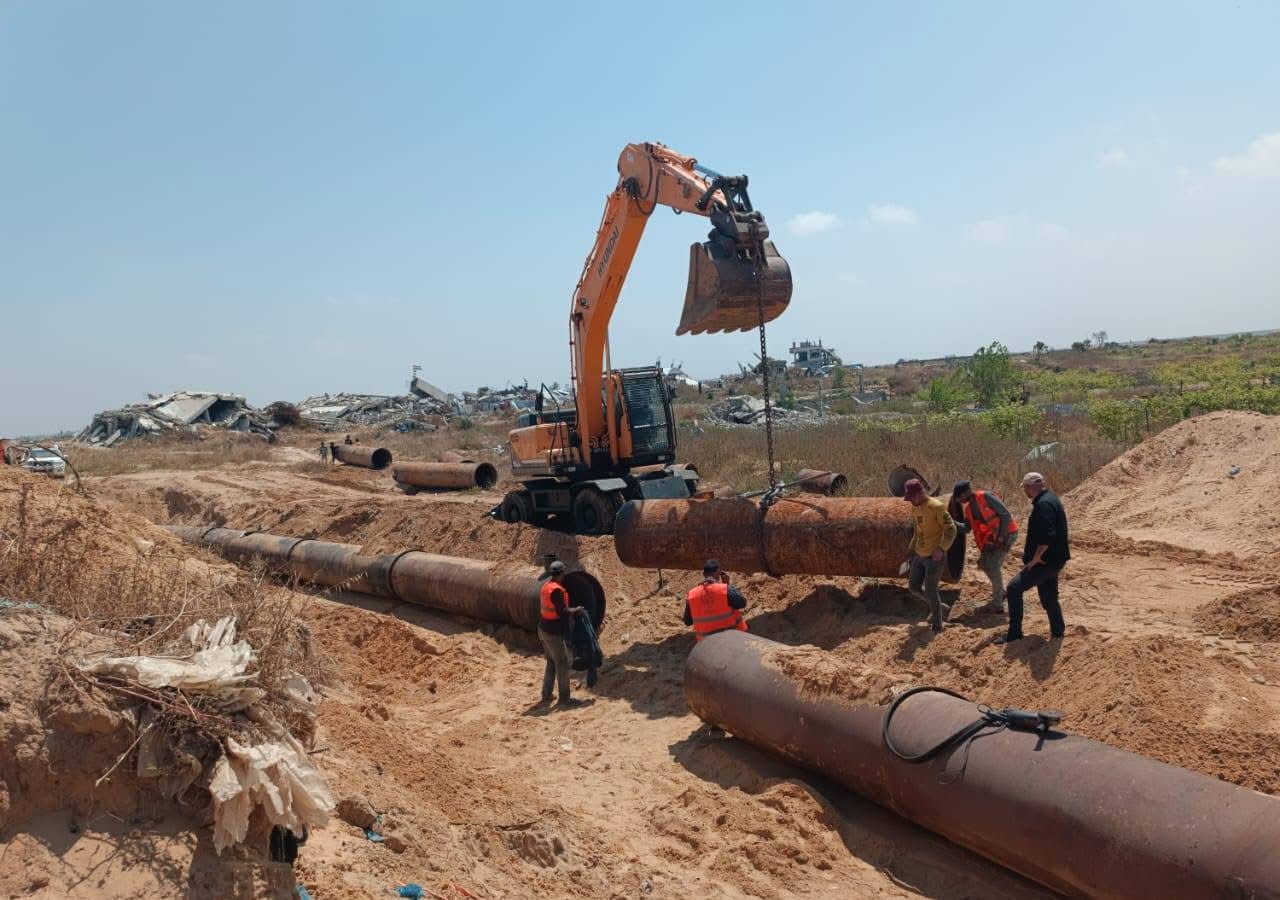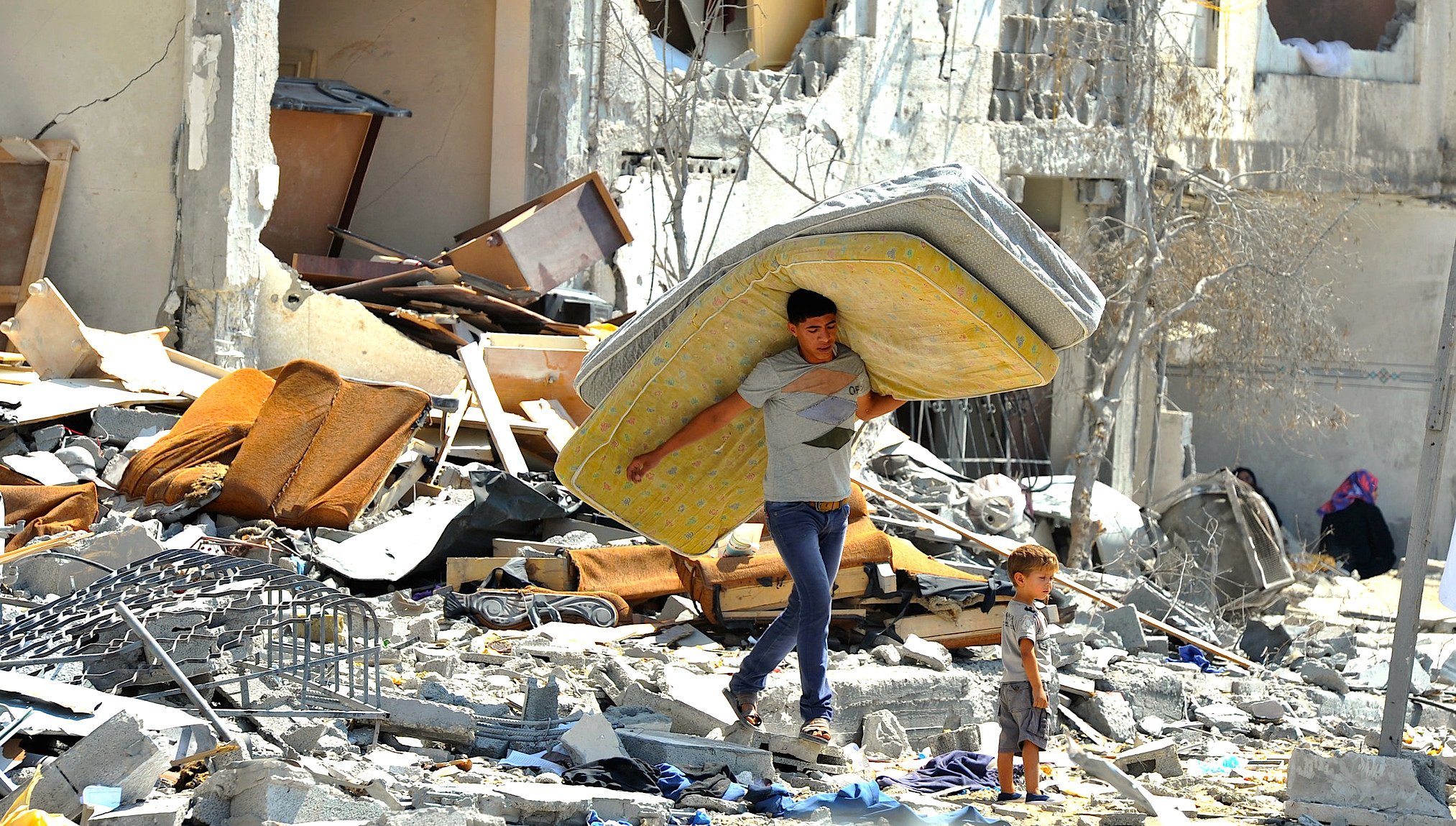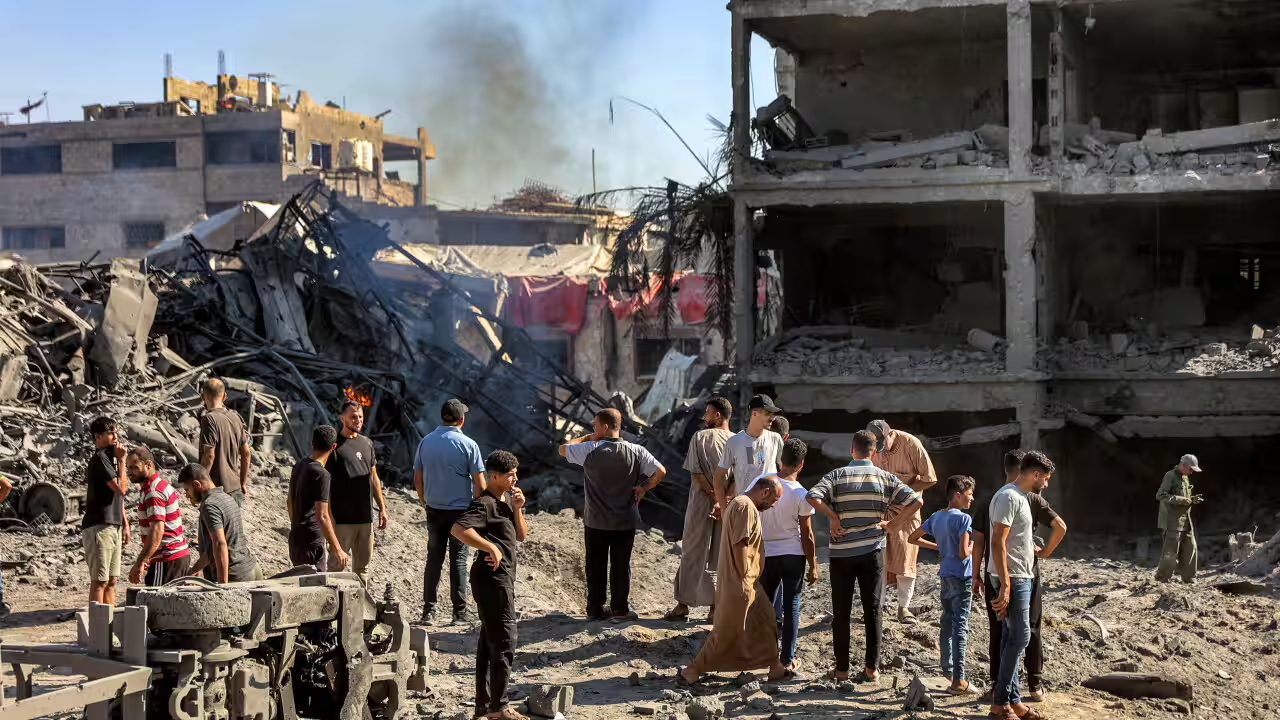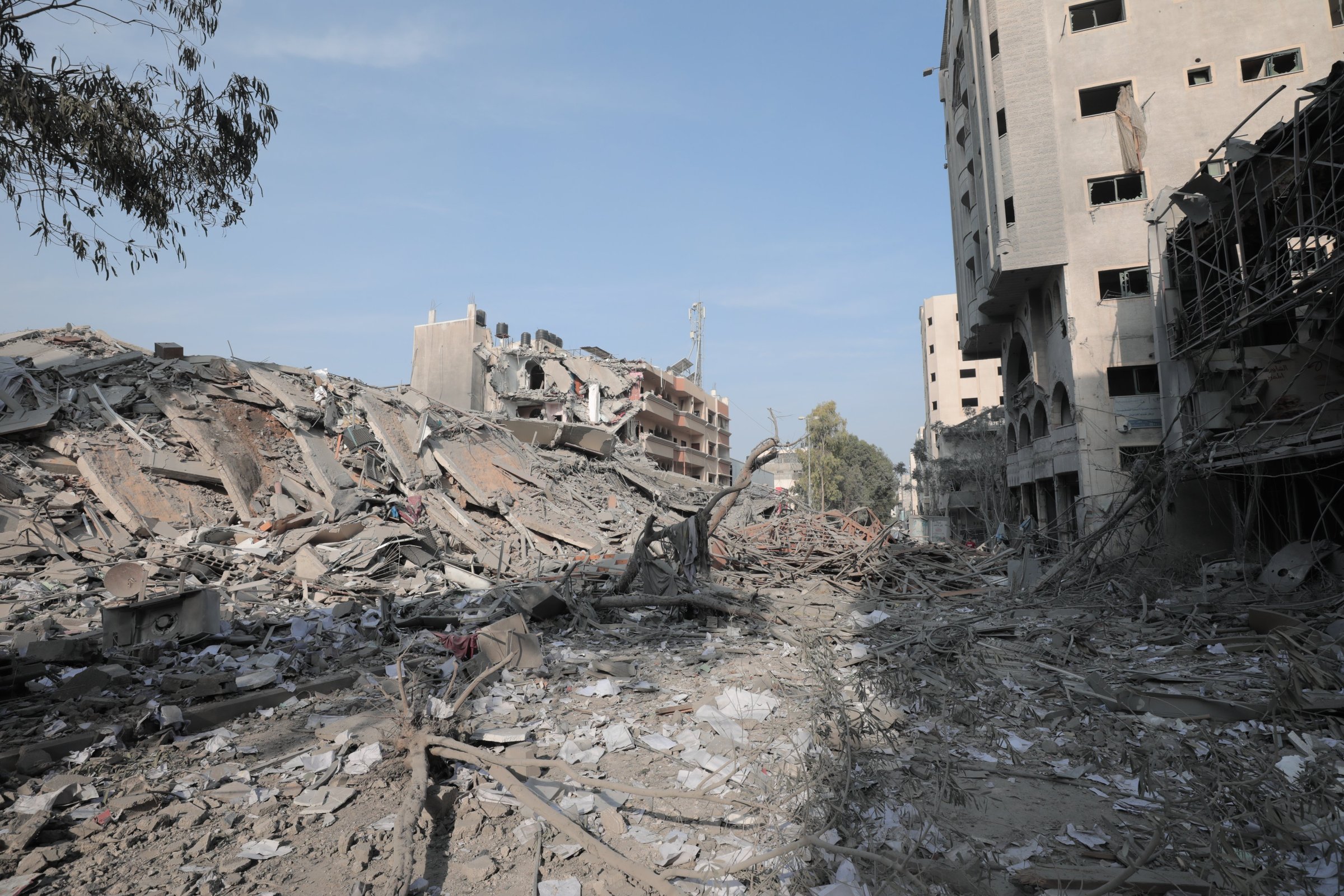
Across the occupied Palestinian territories, the European Union has spent decades funding the quiet architecture of ordinary life. Schools, hospitals, water networks, community centres, playgrounds and cultural institutions rarely attract headlines, nor should they.
Their purpose has never been symbolic. They exist because education, healthcare, public space and access to clean water are not luxuries to be postponed until peace arrives. They are the conditions that allow people to meet their basic needs while politics fails to catch up.
That investment reflects something Europe likes to say about itself.
That solidarity means more than emergency aid. That a viable two-state solution cannot exist without viable Palestinian communities, and that schools, hospitals, water networks and public spaces are not simply humanitarian projects but the foundations on which any future Palestinian state must eventually stand.
Looking at the EU-funded investments now turned into rubble, it is difficult not to wonder whether Europe still believes its own story.