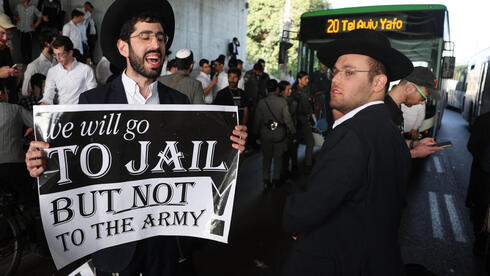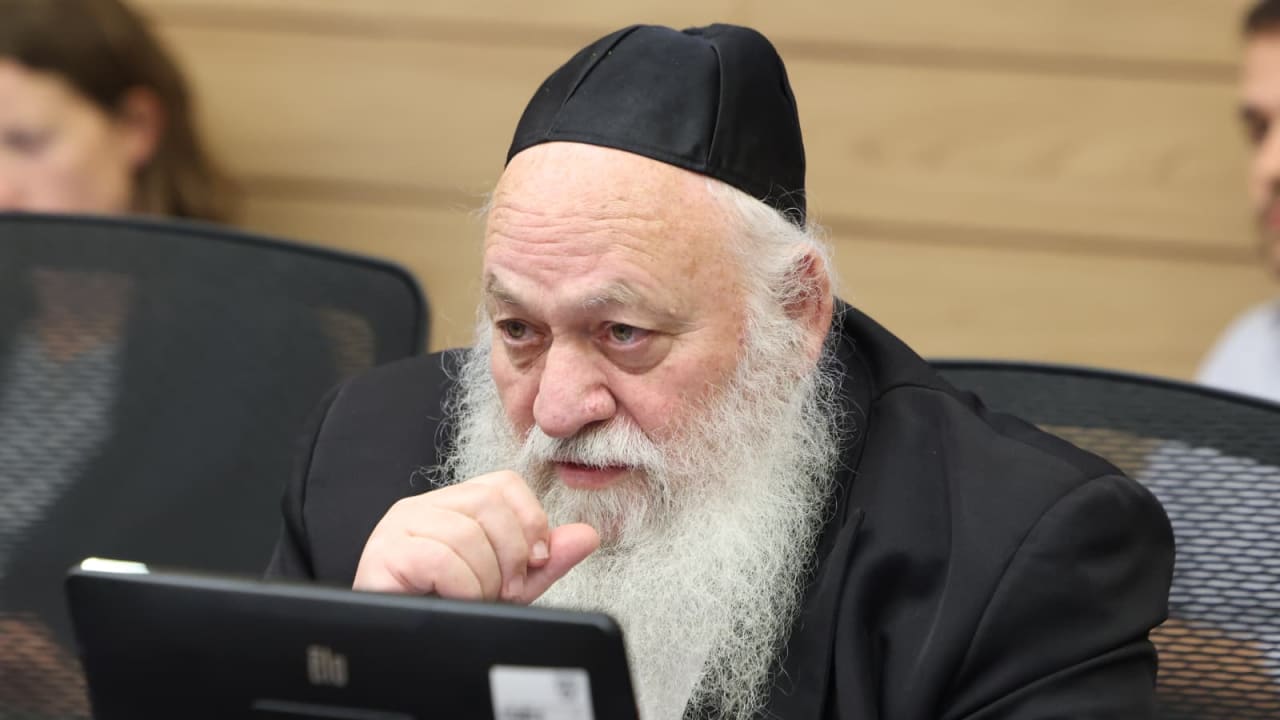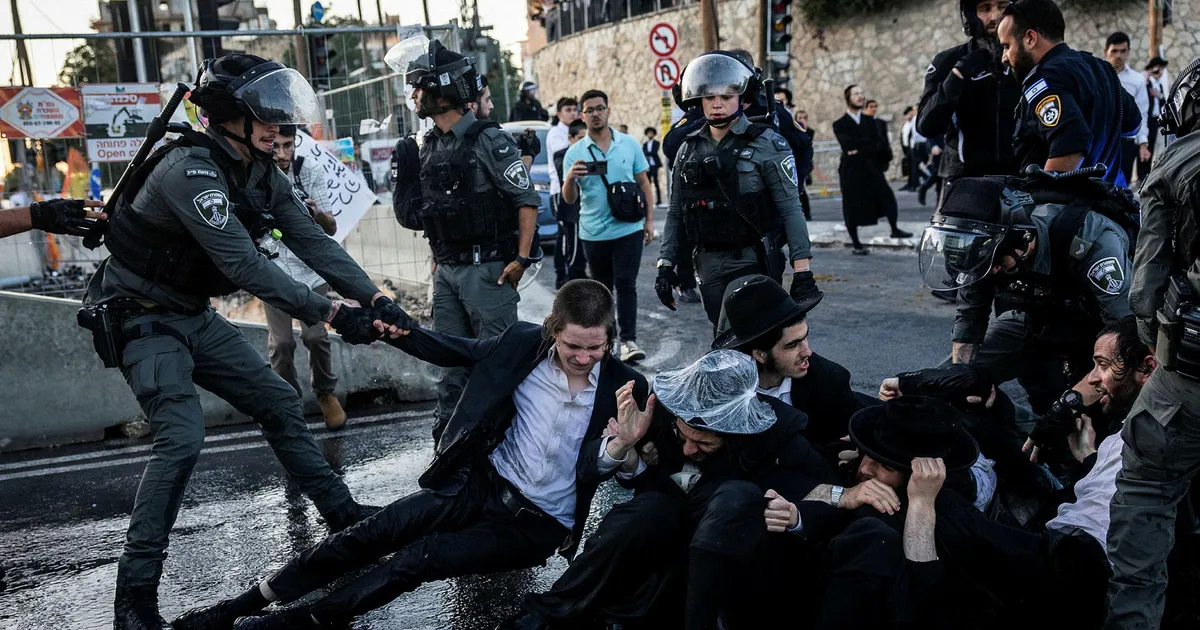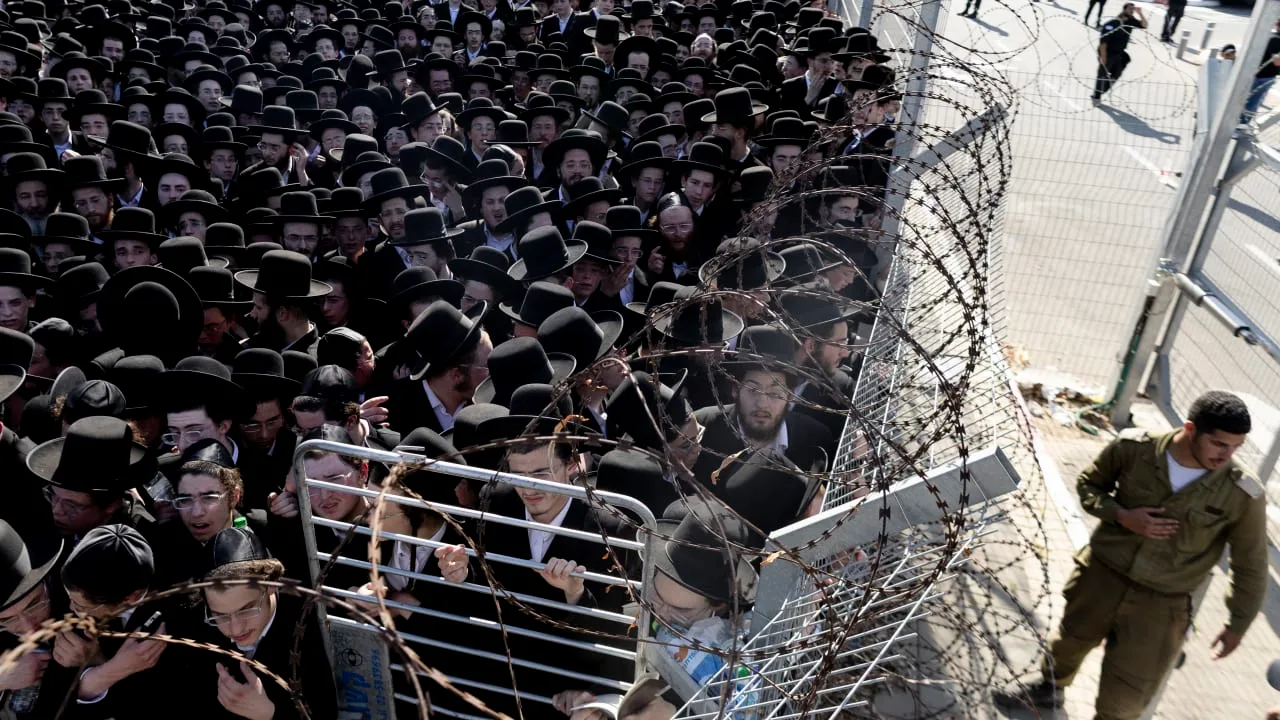
Jerusalem Post/Israel News/Israel PoliticsKallner, a member of the Knesset Foreign Affairs and Defense Committee, told 103FM that he does not think arresting yeshiva students is 'the right way.'Follow us on GoogleAn Israeli soldier guard as young men gathered during a demonstration by Ultra-Orthodox Jews against Israel's military draft on June 17, 2026 outside the Beit Lid military base in Kfar Yona, Israel. The conscription of young ultra-Orthodox men into the military, from which they were long exempt.(photo credit: Amir Levy/Getty Images)By103FMJULY 7, 2026 14:31Addressing the issue of haredi (ultra-Orthodox) enlistment into the IDF, Likud MK Ariel Kallner told 103FM on Monday that he doesn't support arresting yeshiva students and that he believes economic sanctions to be a superior option in dealing with the issue."I don't think arresting yeshiva students is the right way," the Knesset Foreign Affairs and Defense Committee member said."Anyone who is an expert and deals with Haredi recruitment understands that mass arrests will not provide the solution. Everyone understands that if you arrest masses right now, you won't succeed in filling the prisons. The only way is economic sanctions."When Ron Kaufman of 103FM pushed back, asking why it's permissible to arrest secular individuals for draft evasion, Kallner replied, saying, "I always expect everyone to enlist. As someone who strongly believes in the value of military service and also in the value of Torah study, I believe they go together."He continued, "The right way is to create an online recruitment method, to appropriate frameworks within the military, and to implement personal and institutional sanctions as needed. That is the process that will ultimately lead to enlistment."MK Ariel Kallner attends a Constitution, Law and Justice Committee meeting at the Knesset, the Israeli parliament in Jerusalem, May 19, 2026. (credit: YONATAN SINDEL/FLASH90)'If you want combat soldiers, you need to create a supportive environment'The interviewers noted that optimistic estimates speak of enlisting only about 3,000 haredim. The Knesset member responded from his own military experience, saying, "As someone who served as a combat soldier in Golani, I saw that when there is no motivation, and people are problematic, they become a burden on the system."This is even more true when dealing with soldiers who come from unsupportive communities, for whom this matter is currently foreign and frightening. This won't be solved in one fell swoop, even if we hit hard. If you want combat soldiers, you ultimately need to create a supportive environment."Follow us on Google
Likud MK Ariel Kallner opposes mass arrests for Haredi draft evaders | The Jerusalem Post
Kallner, a member of the Knesset Foreign Affairs and Defense Committee, told 103FM that he does not think arresting yeshiva students is 'the right way.'
405 words~2 min read