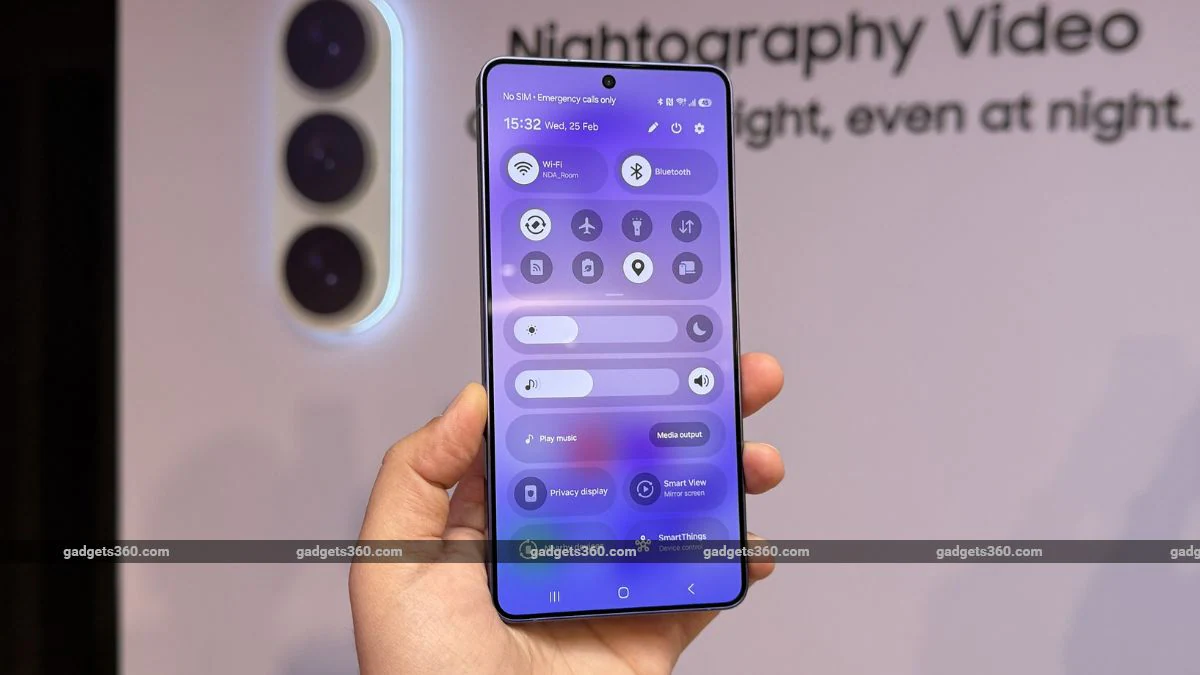
Samsung's upcoming Galaxy S27 Pro could once again follow the company's long-running regional chipset strategy, according to recent leaks. The flagship smartphone is rumoured to feature a Snapdragon processor in select markets, while several other global variants may be powered by Samsung's in-house Exynos 2700 chipset.The report lines up with Samsung’s bigger push to get Exynos processors used more widely across its top shelf smartphone line. Samsung hasn’t actually confirmed the Galaxy S27 Pro, the chipset split, or how the final range will look, but the leaks sort of imply that places like North America could end up with the Snapdragon variant, while Europe, South Korea, India, and a bunch of other regions may see the Exynos-powered model instead. If this is right, Samsung would still be juggling performance needs, production priorities, and semiconductor planning with a region by region hardware approach.Samsung may continue that dual chip setup for Galaxy S27 ProFrom newer industry reports, Samsung is said to be getting ready four different devices in the Galaxy S27 family, namely Galaxy S27, Galaxy S27+, Galaxy S27 Pro and Galaxy S27 Ultra. Still, Samsung hasn’t officially confirmed anything about the roster.The Galaxy S27 Pro is expected to land as a fresh premium tier device, sitting sort of in-between the Galaxy S27+ and the Galaxy S27 Ultra, not too close to one side, not fully detached either.Leaks say the Galaxy S27 Pro that goes on sale in North America might carry Qualcomm’s next generation Snapdragon flagship chipset, while the Exynos 2700 could be the one for Europe, South Korea, India, and several other international markets. More reports also mention the Galaxy S27 Ultra might keep Snapdragon across the board, although Samsung hasn’t confirmed its chipset plan for any of the Galaxy S27 lineup variants.Expected specifications at a glanceSpecificationExpected detailsDisplayAround 6.47-inch AMOLED display (rumoured)ProcessorSnapdragon in select regions; Exynos 2700 in several global markets (rumoured)BatteryApproximately 5,000mAh (rumoured)CameraFlagship-grade camera system; detailed specifications remain unknownLaunch timelineEarly 2027 (expected, based on Samsung's typical launch schedule)SoftwareOne UI based on AndroidPositioningBetween Galaxy S27+ and Galaxy S27 Ultra (rumoured)Why Samsung may use Snapdragon only in select regionsSamsung is trying to steer where the chips come from and how much they rely on their own work. Some industry reporting says Samsung wants to push its own Exynos processors more aggressively through its flagship lineups, so the semiconductor division gets a bigger slice of the action in the premium smartphone business.At the same time, Qualcomm Snapdragon chips are expected to stay on shelves in a handful of markets where Samsung has used them in the past. Analysts often mention carrier checks, modem compatibility, and even plain consumer preference, but Samsung itself has not really saidSamsung did confirm one key piece though: the Exynos 2700 is currently under development. per industry claims, it could be built using Samsung Foundry’s advanced second generation 2nm process, but Samsung hasnt officially spelled out the exact manufacturing method or anything that detailed.what does this mean for buyersIf Samsung releases different chipset versions, people in different regions could see differences in benchmark scoring, gaming feel, battery efficiency, and heat control. of course, those comparisons can only be confirmed after independent testing once the phones land and reviewers can run real workloads. until then, it’s all sort of “wait and watch” territory.Samsung keeps tuning the Exynos platform each new generation too, and the stated goal is to close the gap to competing flagship chips. so even if the chip changes, the intent is that overall experience stays close. If the current chatter is right, buyers in different markets might get phones with almost identical looks and main features, but with different brains inside.Samsung still hasnt confirmed anything officialEven with more leaks appearing, Samsung has not announced the Galaxy S27 Pro. it also has not confirmed specs, chipset details, or which regions would get what.The claimed processor lineup, the expected timing, and the hardware specifics could still shift before Samsung does its official reveal. more info should surface as Samsung gets nearer to unveiling its next generation Galaxy S flagship series. for now, these items are best treated as industry leaks, not verified product facts.FAQs1. Which processor is expected in the Samsung Galaxy S27 Pro?Recent leaks say the Galaxy S27 Pro could include a Snapdragon flagship chipset in some regions, while other markets get Samsung’s Exynos 2700 instead. none of this is officially confirmed by Samsung.2. Which regions are expected to receive the Snapdragon version?Current reports point to North America as the top candidate for the Snapdragon powered Galaxy S27 Pro, but Samsung still has not confirmed regional availability.3. Will India receive the Snapdragon variant?Based on today’s leaks, India should receive the Exynos 2700 based version. however, that is unverified at this time.4. Has Samsung officially confirmed the Galaxy S27 Pro chipset?No. Samsung has not officially announced the Galaxy S27 Pro, nor has it confirmed any chipset details or regional distribution.5. When is the Galaxy S27 Pro expected to launch?Industry reporting suggests an early 2027 launch, which lines up with Samsung’s usual Galaxy S-series cadence. that said, Samsung has not published an official launch date.end of article
Samsung Galaxy S27 Pro tipped to use Snapdragon in select regions, Exynos 2700 elsewhere
Samsung's upcoming Galaxy S27 Pro is likely to feature different processors depending on the region. Certain markets may be equipped with a Snapdragon processor, while others will utilize the Exynos 2700 chip. This tactic underscores Samsung's commitment to boosting its semiconductor business. Reports suggest that India will likely receive the Exynos version, although Samsung has yet to provide official confirmation.
848 words~4 min read