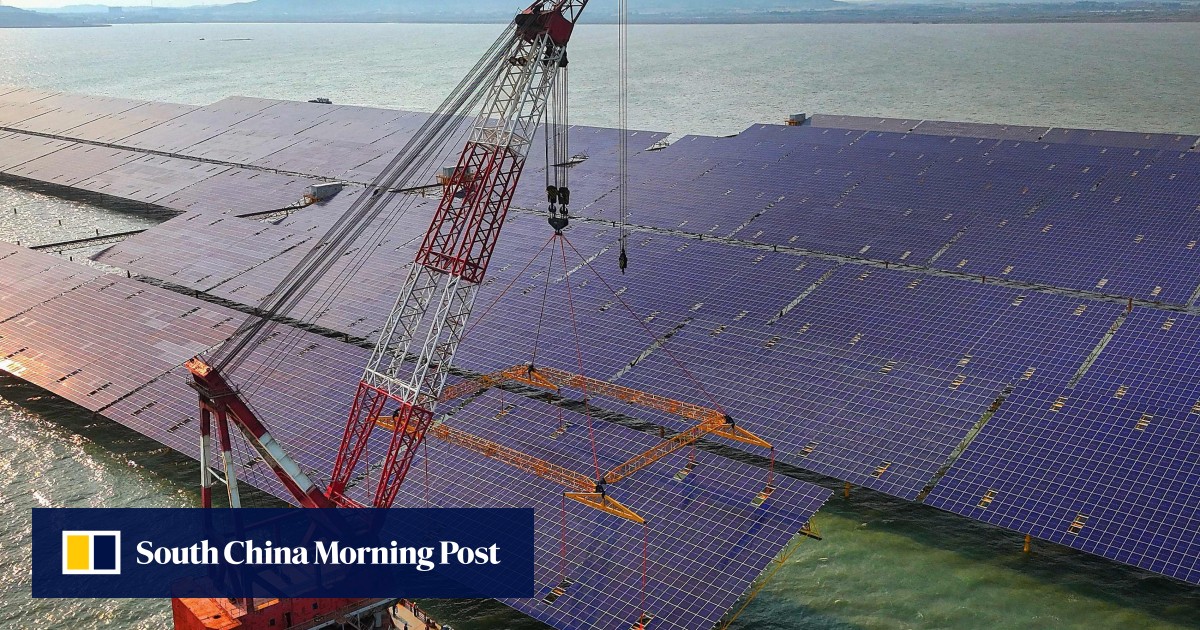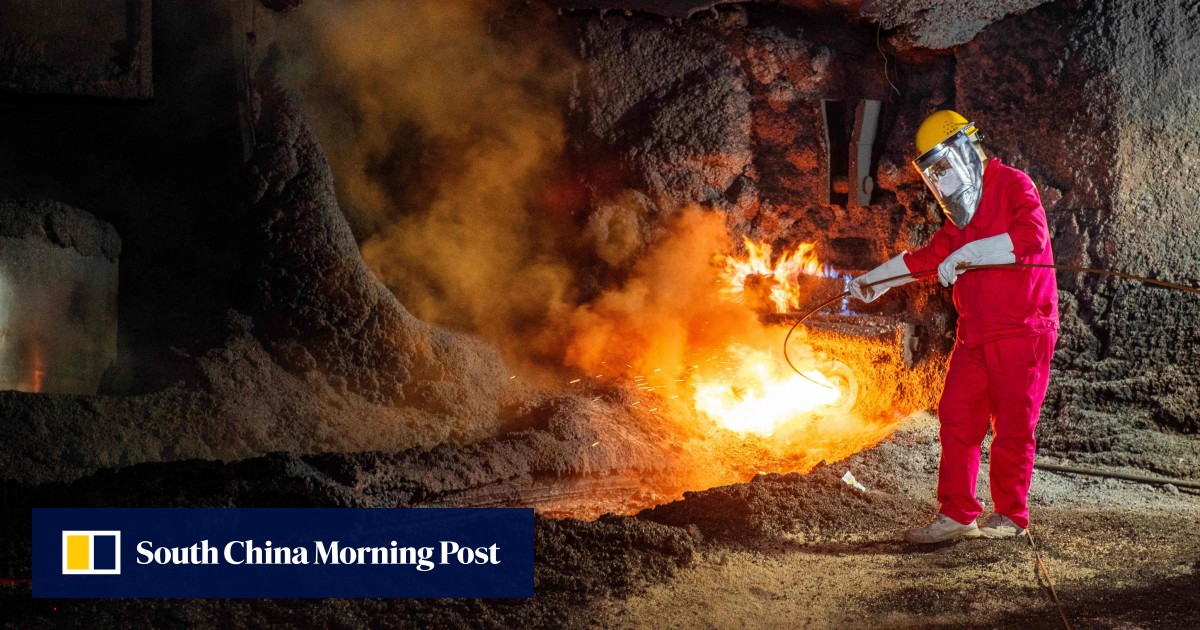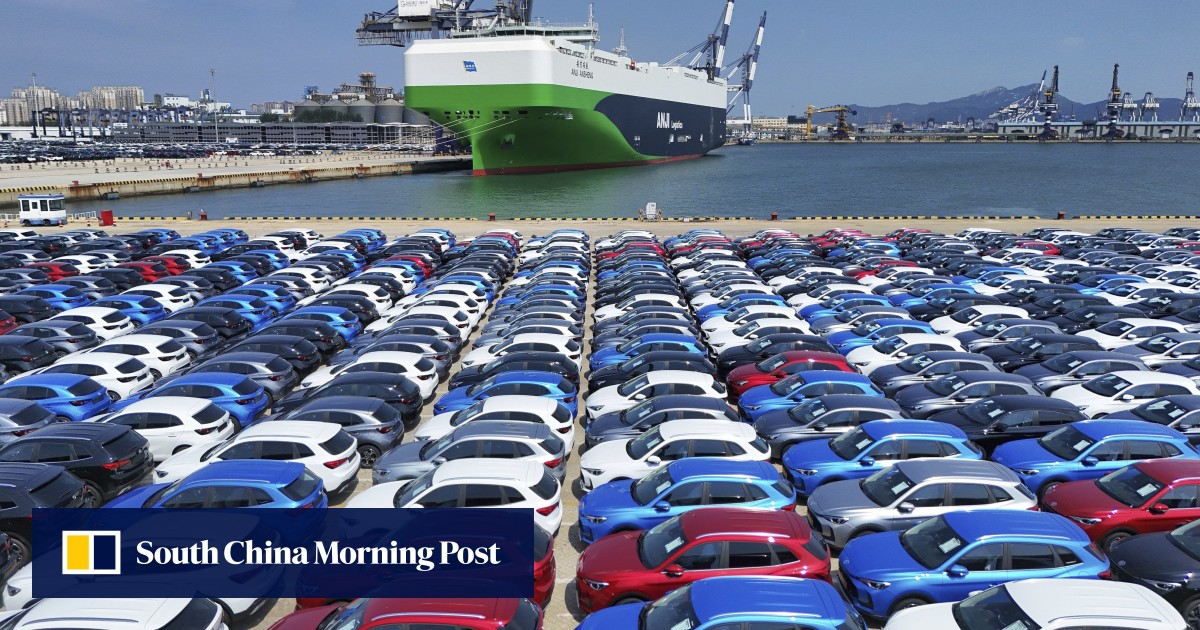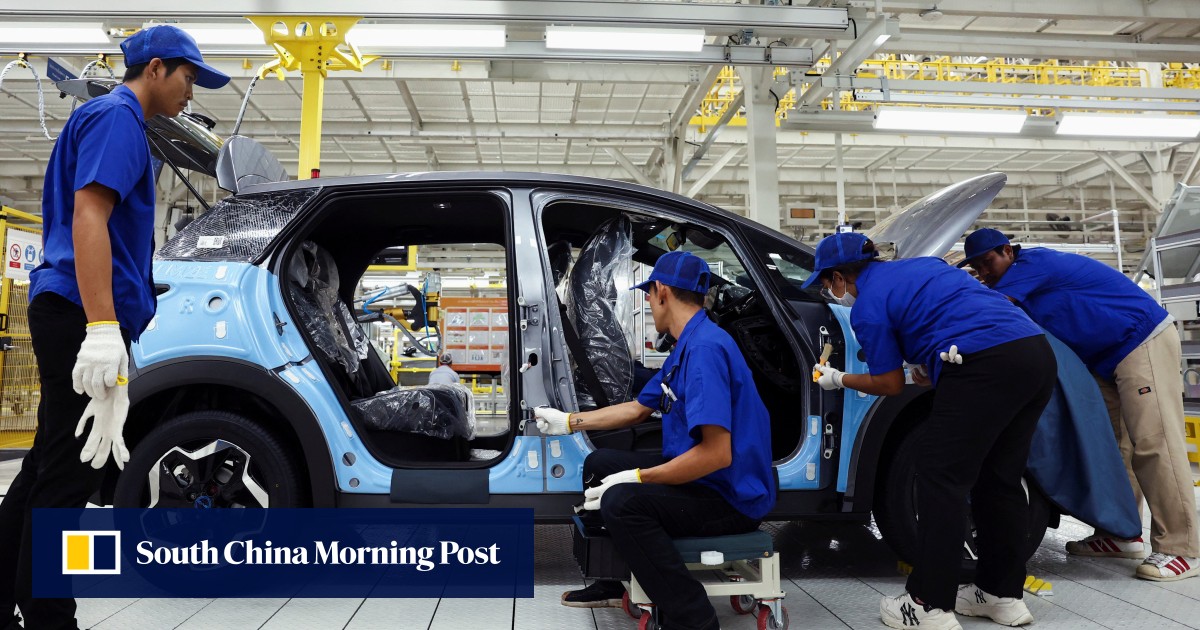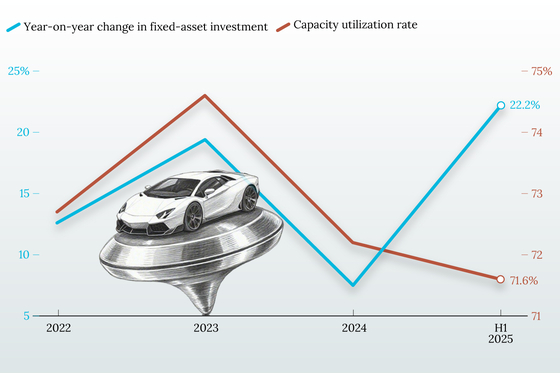
Chinese policymakers are intensifying their efforts to combat “involution-style” competition—characterized by excessive and destructive rivalry leading to price wars and low profit margins—across both traditional and emerging industries such as steel, coal, photovoltaics, lithium batteries, new-energy vehicles (NEVs), and e-commerce platforms[para. 1]. This crackdown has become a priority since the Politburo, led by President Xi Jinping, highlighted the issue in July 2023, warning of its negative impact on the economy, such as distorted market pricing, declining corporate profits, and reduced industrial efficiency[para. 2].At a July 1, 2025 meeting, the Central Commission for Financial and Economic Affairs called for legal regulation to curb disorderly competition driven by price cutting, guide companies to improve product quality, and facilitate the exit of outdated production capacity[para. 3]. This echoed Premier Li Qiang’s March pledge to comprehensively tackle “rat race” competition[para. 3]. Key Party outlets like the People’s Daily and Qiushi have published sharp critiques of involution in sectors such as photovoltaics, NEVs, and e-commerce, stressing the need for action[para. 4]. The phenomenon of involution, noted Qiushi, results in multi-party losses and undermines China’s goal of high-quality economic development, with big firms squeezing out smaller players, platforms undercutting merchants, and broad losses across the value chain[para. 5][para. 6].Industries involved in involution suffer not only from falling profit margins but also widespread resource inefficiency and stagnating innovation, leading to an imbalance between supply and demand. The direct impacts include lower wages, diminished tax revenue, weakened investment confidence, and overall economic malaise[para. 6]. The problem is evident in both established industries like steel and coal and emergent ones such as solar and electric vehicles[para. 7].Official data underline the stress in the industrial sector. In Q2 2025, the national industrial capacity utilization rate dropped to 74%, the second-lowest for any second quarter since 2013[para. 8]. Meanwhile, the producer price index (PPI) has remained negative for 33 consecutive months, and industrial profits have been weak or declining since 2022[para. 9].Crucially, policymakers are also targeting local governments that prop up uncompetitive companies with discriminatory policies and subsidies, distorting market exits and contributing to overcapacity[para. 10]. New laws, such as the Fair Competition Review Regulations (effective August 1, 2024), now prohibit local governments from granting preferential treatment to specific companies, and the Regulations on Ensuring Payments to SMEs (effective June 1, 2025) require large businesses to pay suppliers within 60 days[para. 11]. An updated Anti-Unfair Competition Law bars platform operators from pressuring merchants into below-cost sales and prevents large firms from imposing unfair terms on smaller partners[para. 12].The strategic goal is to revamp institutional frameworks to foster a fair market and remove barriers to the exit of unproductive firms, shifting from the previous top-down administrative measures to a focus on legal and market mechanisms[para. 13][para. 14]. Industry groups now promote self-discipline, particularly in emerging sectors, moving toward refined governance models based on technological upgrades rather than crude capacity cuts[para. 17][para. 19].Notably, in the automotive sector, despite rising investment, capacity utilization is low and prolonged price wars continue to erode margins and worsen payment discipline along supply chains, with some suppliers waiting over 240 days for payment[para. 23][para. 25]. The government’s broader approach also includes boosting domestic demand to counteract overcapacity and stimulating exports, though rising protectionism abroad, such as Vietnam’s anti-dumping duties, poses new risks[para. 28].Ultimately, China’s campaign against involution-style competition centers on restoring proper price signals and creating conditions for fair competition so that resources are allocated efficiently, innovation is encouraged, and industrial health is preserved, ensuring sustainable long-term development[para. 33][para. 36].AI generated, for reference only
In Depth: China Intensifies War on Toxic Competition as Economy Suffers
Policymakers aren’t just focusing on the demand-supply imbalance anymore, but trying to tackle deeper problems, including local government subsidies and unfair corporate practices
586 words~3 min read