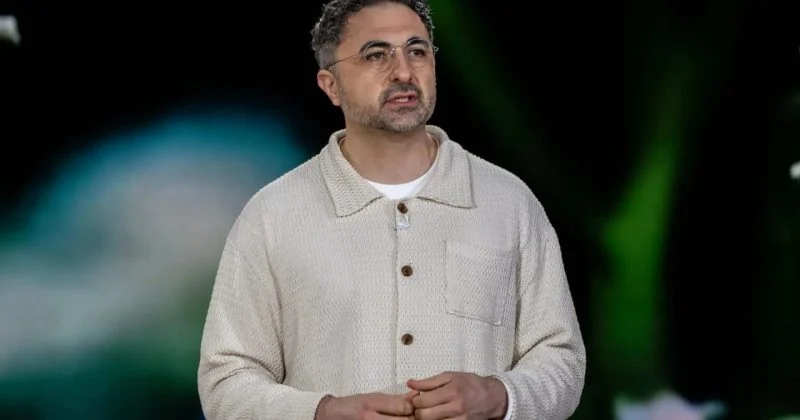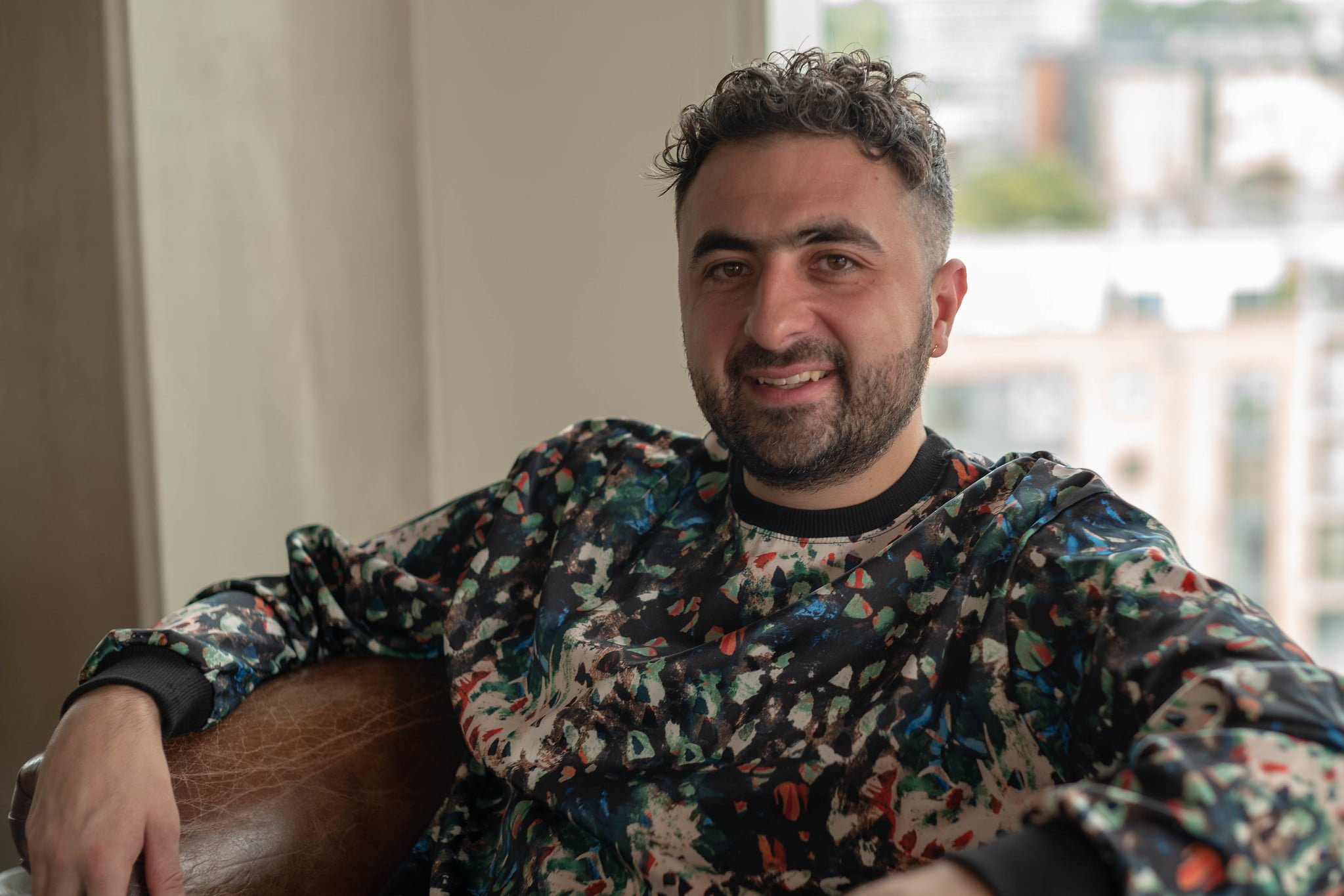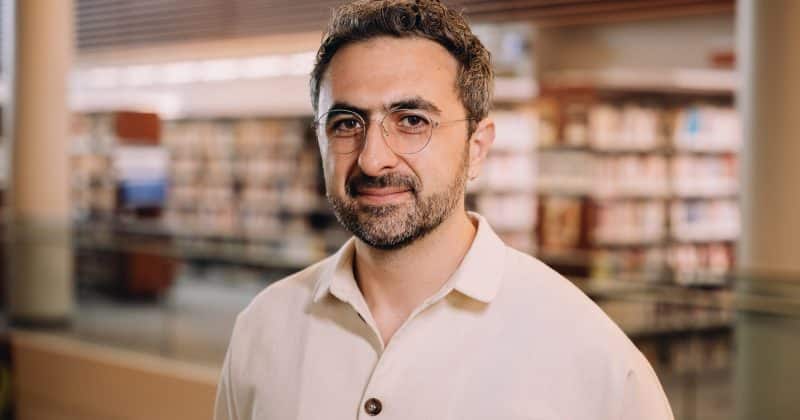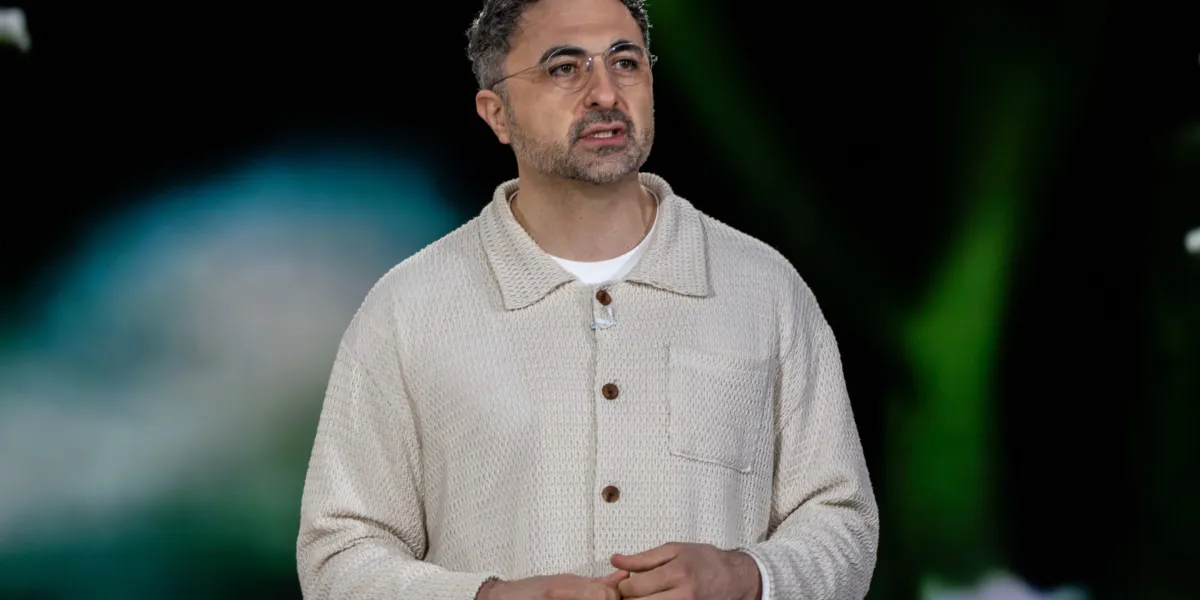
In February 2026, Mustafa Suleyman, the chief executive of Microsoft AI, told the Financial Times that artificial intelligence would achieve “human-level performance on most, if not all, professional tasks” within 12 to 18 months. Most tasks that involve sitting down at a computer, he said, would be fully automated. Accounting. Legal work. Marketing. Project management. All of it. The prediction was remarkable not because it was outlandish but because Suleyman runs one of the largest AI operations on the planet and was speaking with the calm certainty of someone describing next quarter's product roadmap rather than a civilisational rupture.
A few months earlier, Salesforce chief executive Marc Benioff had already demonstrated what that roadmap looks like in practice. On The Logan Bartlett Show in September 2025, Benioff revealed that AI agents now handle roughly half of all customer service interactions at Salesforce. The company's support workforce had been cut from 9,000 to approximately 5,000 employees since the beginning of that year. Not through attrition. Through replacement. The automation shift, he noted, had lowered support costs by 17 per cent. “I need less heads,” Benioff said, with the bluntness of a chief executive who had already made the calculation and moved on.