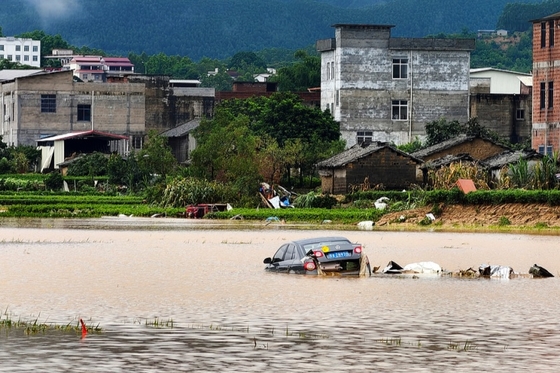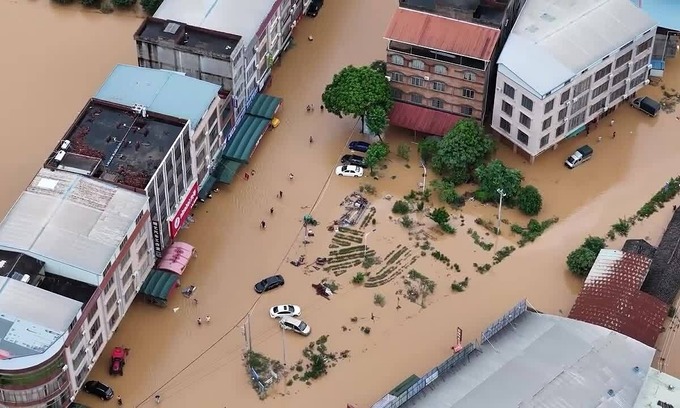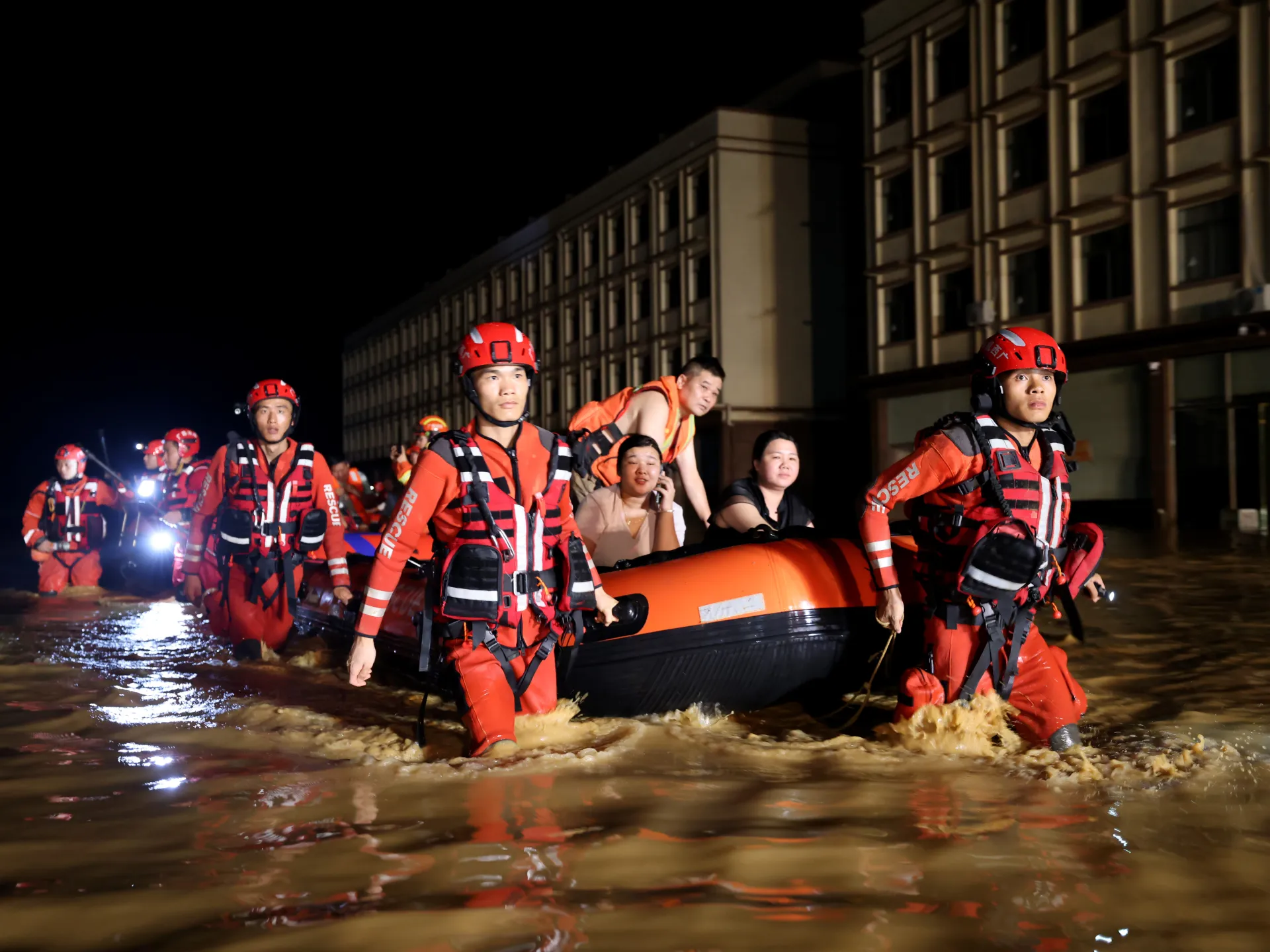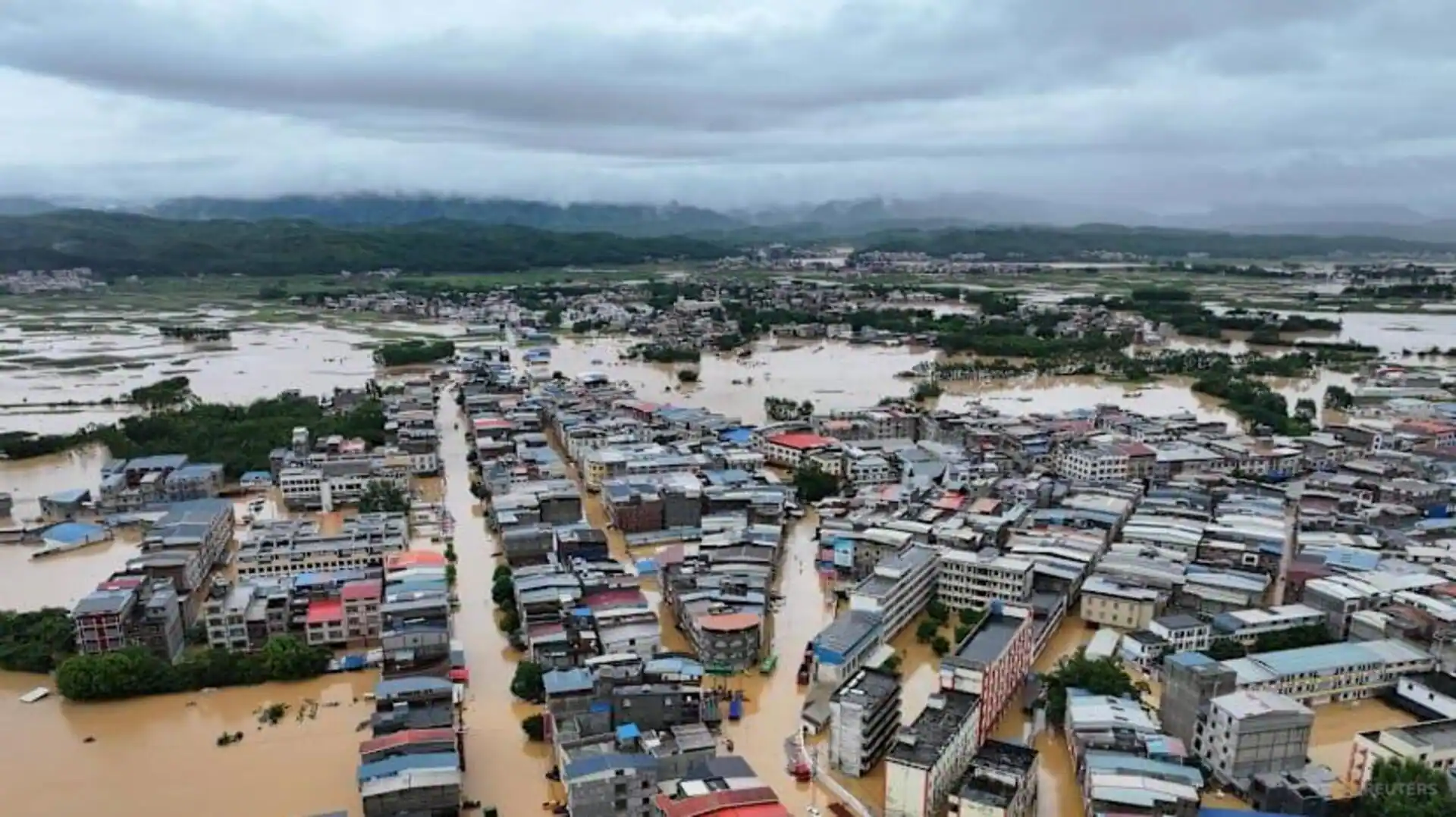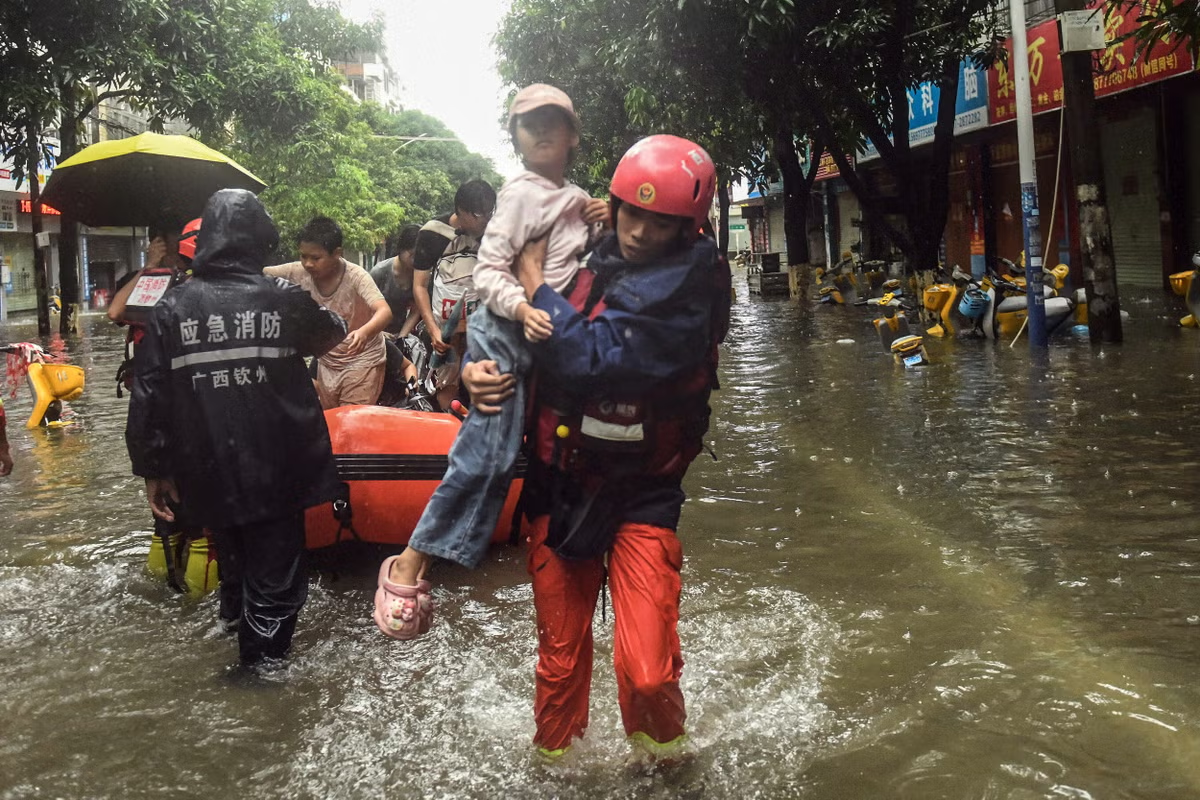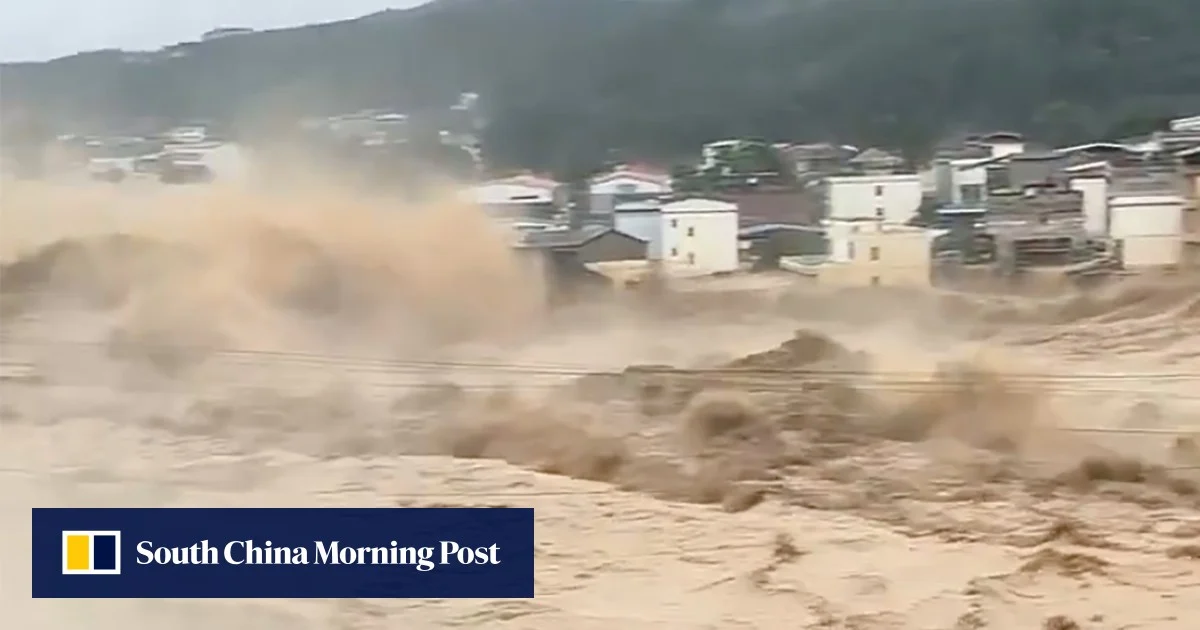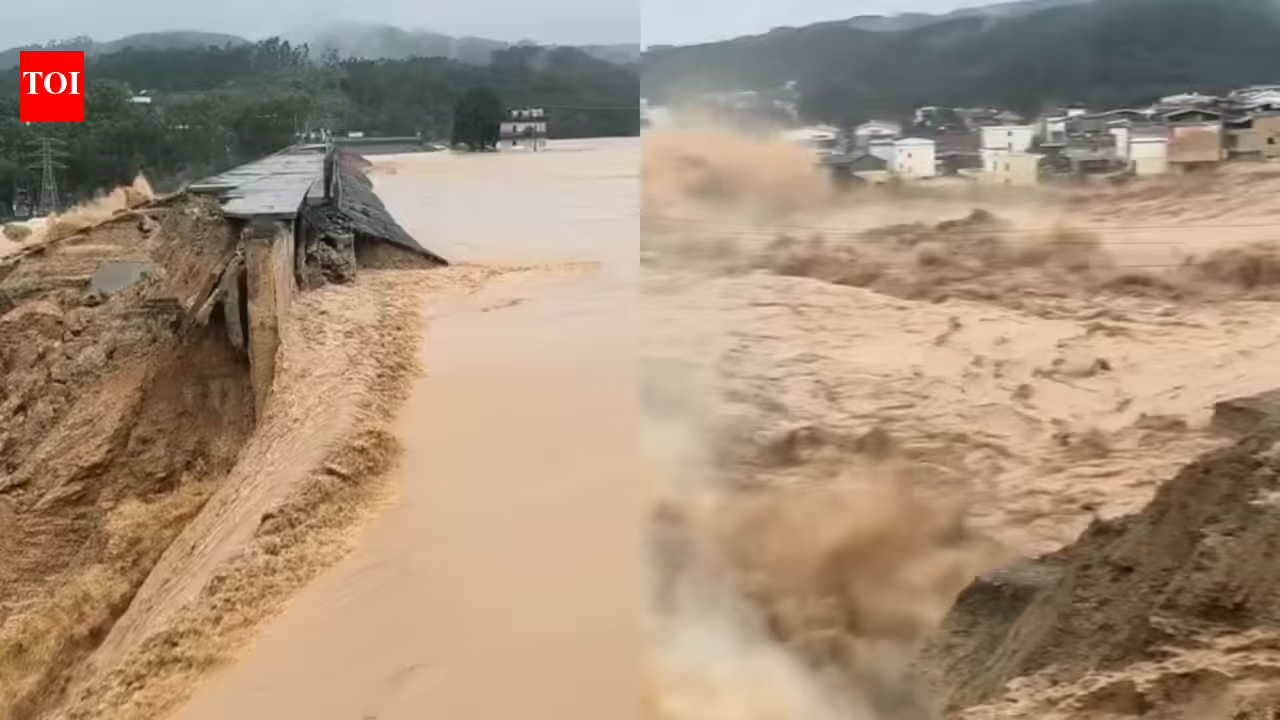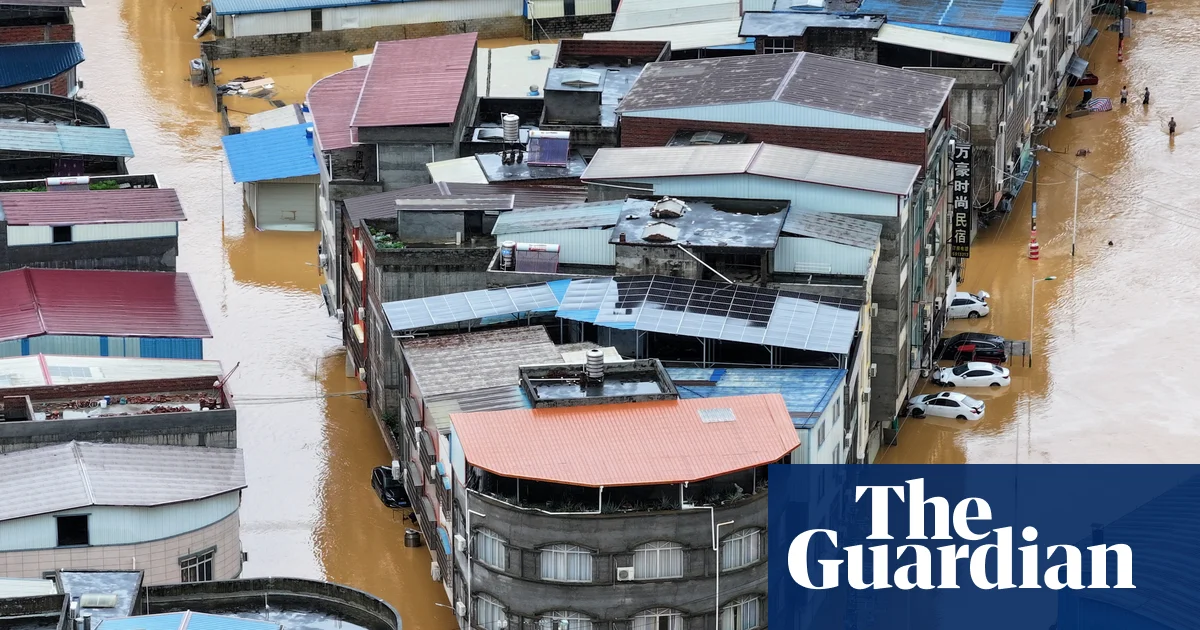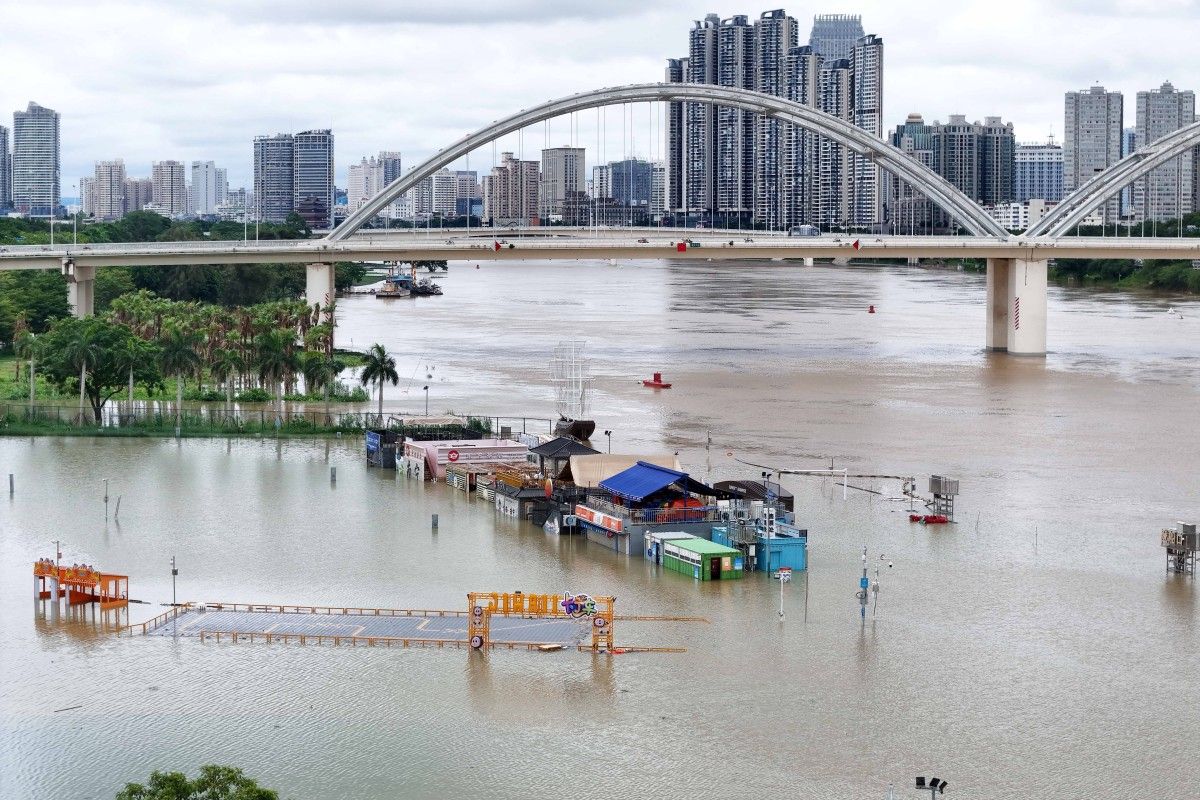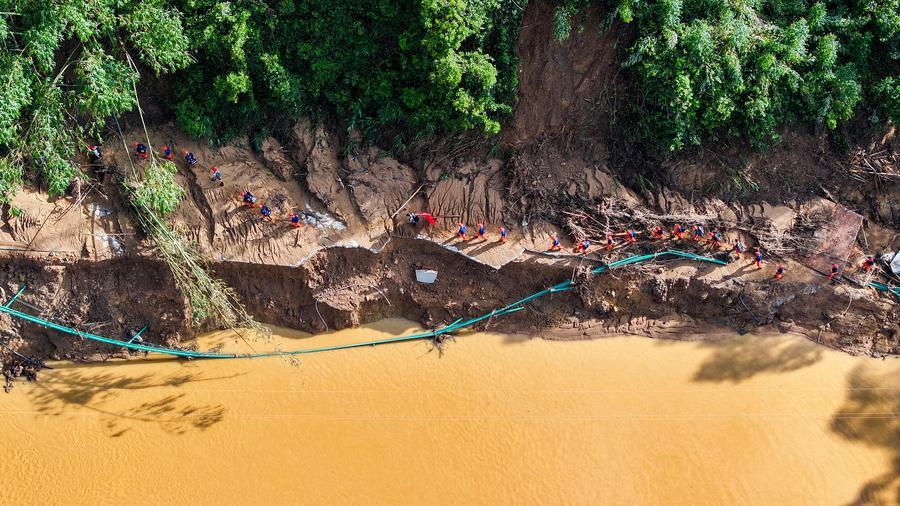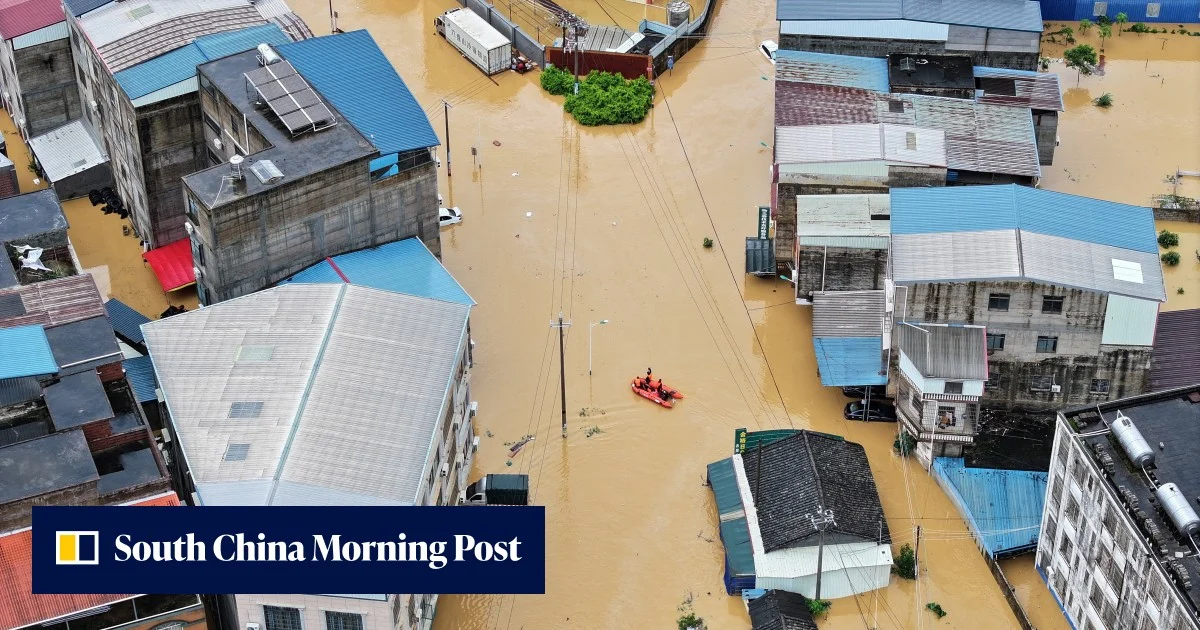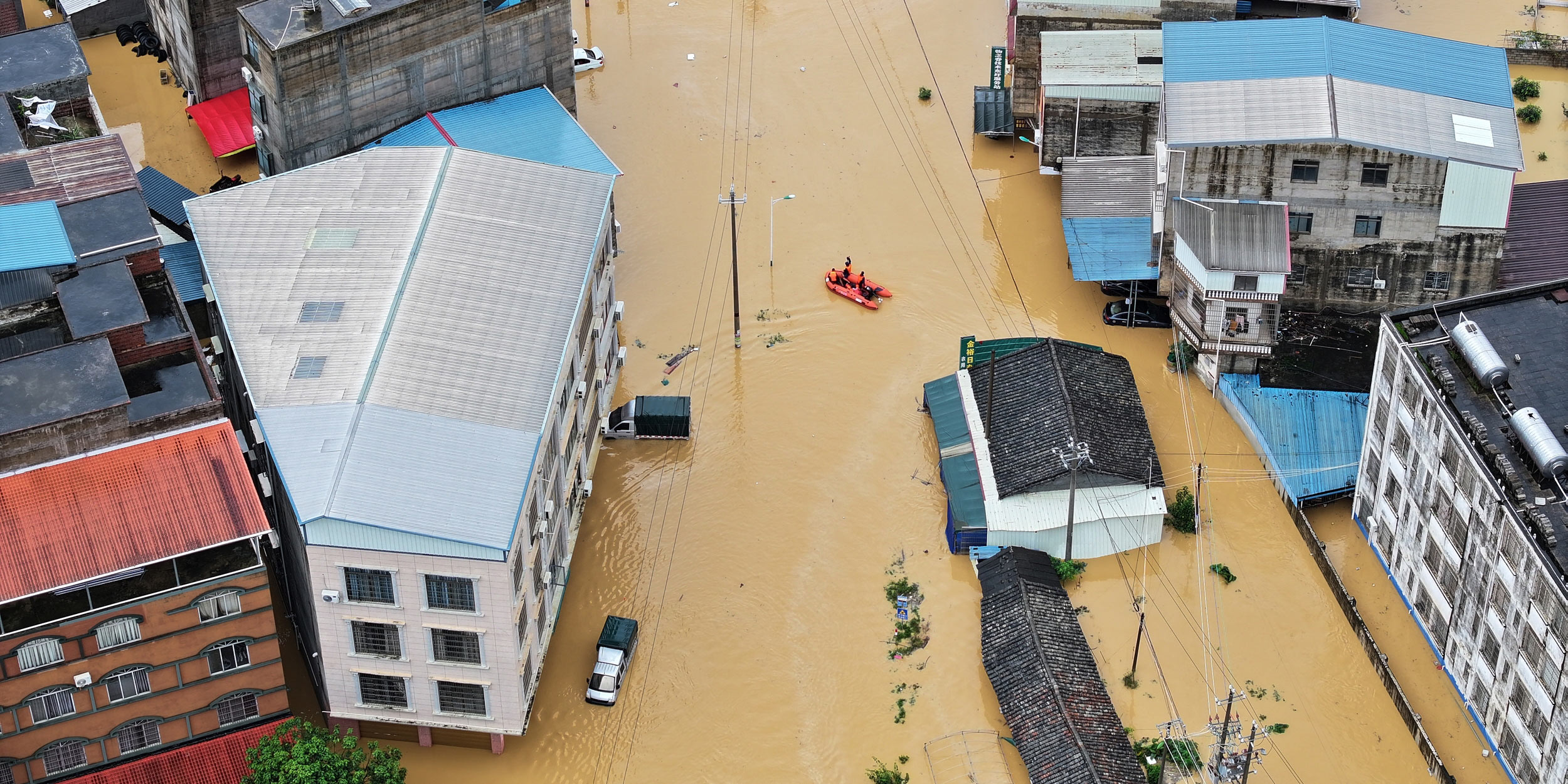
The death toll from flooding across China’s southern Guangxi Zhuang Autonomous Region after landfall of Typhoon Maysak has risen to four, with eight people missing, local authorities reported Tuesday.Flooding, along with widespread water and power outages, has affected many of Guangxi’s towns and cities, with the number of evacuees in Hengzhou — a county-level city within the regional capital, Nanning — exceeding 54,000. Railway services in parts of Guangxi have been temporarily suspended, as well as some ferry routes on the province’s southern coast.Local authorities have raised flood-control measures to the highest level in affected areas, while the central government has activated a national Level IV disaster-relief emergency response.The typhoon first made landfall in the southern island province of Hainan on July 3 before moving north to Guangxi, unleashing heavy rain on southern China. It is the first typhoon China has experienced this year.On the morning of July 6, Liulan Reservoir and Yunbiao Reservoir in Hengzhou overflowed and breached, while Liuwang Reservoir in Nanning’s Binyang County overflowed. As of Tuesday morning, the country reported that 62 rivers in Guangxi had exceeded warning levels, with the Qingshui River experiencing its largest flood since records began. The breach at Liulan Reservoir, Hengzhou’s largest, was estimated at 50 meters wide as of 9 a.m. on July 6. According to domestic media, local villagers received evacuation notices just one hour earlier, only to see floodwater suddenly fill the first floor of their homes and rise another story within the hour. Hengzhou is the world’s largest jasmine tea producer, with tea fields covering 30,000 acres and a flower output that, before this year’s flooding, was expected to exceed 150,000 tonnes. Local farmers described how the typhoon, which arrived during peak jasmine-picking season, had inundated their fields, making harvest impossible. One local farmer told domestic media that his 0.7-acre jasmine crop was flooded, with estimated losses of 60,000 to 70,000 yuan ($8,800 to $10,200).A local snake-breeding farm — common in the region — was also flooded on Monday. Village official Wu Zhi told domestic media that around 800 to 900 snakes had escaped from the farm. “The majority are non-venomous water snakes,” Wu said. After the incident, more than 10 residents from unaffected villages formed a volunteer snake-catching team, going door to door in flooded areas to capture snakes.China’s Ministry of Water Resources and the State Flood Control and Drought Relief Headquarters have dispatched working teams and experts to guide local flood-prevention efforts, while the Ministry of Emergency Management has also coordinated supplies for displaced residents. Nearly 2,000 emergency responders from fire and emergency disaster relief departments nationwide have been deployed to the region. In addition, 100 million yuan has been allocated to support the region’s recovery in the wake of the typhoon.Elsewhere, the central Hubei province has also been severely impacted by the typhoon, with 11 people reported dead from tornadoes affecting multiple areas as of Tuesday.Editor: Marianne Gunnarsson.(Header image: Floodwaters cover streets in Pingshan Village, Hengzhou, Guangxi Zhuang Autonomous Region, July 6, 2026. Wang Yizhao/CNS via VCG)
Four Dead, Eight Missing as Typhoon Maysak Batters Guangxi
The province’s jasmine fields have been inundated after the onslaught of the typhoon this week, ruining the region’s peak tea harvest.
503 words~2 min read