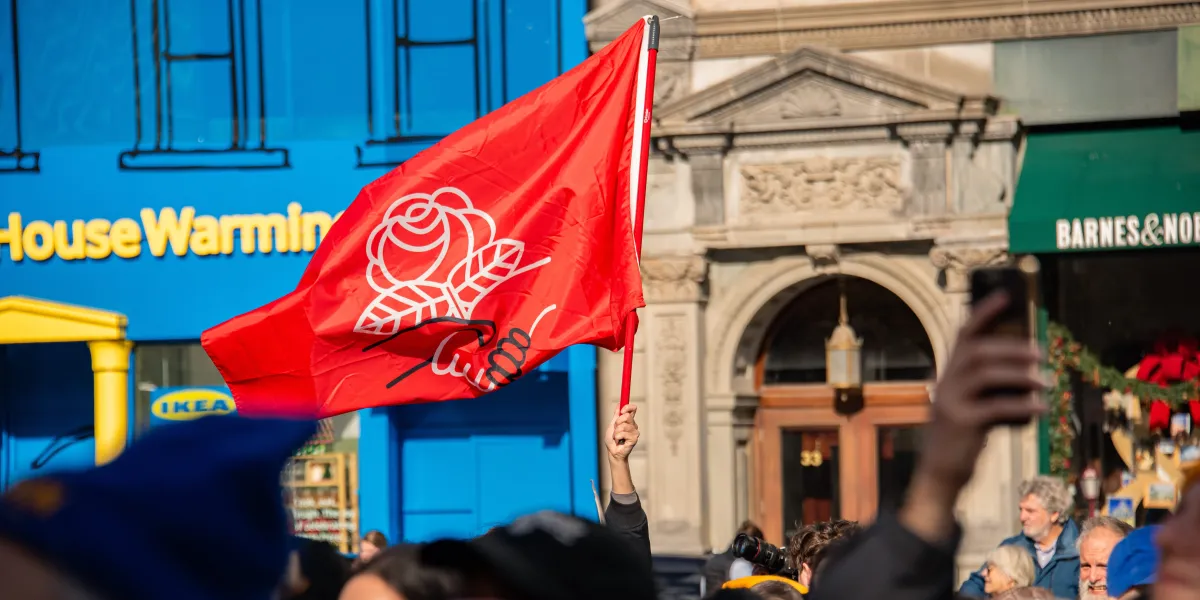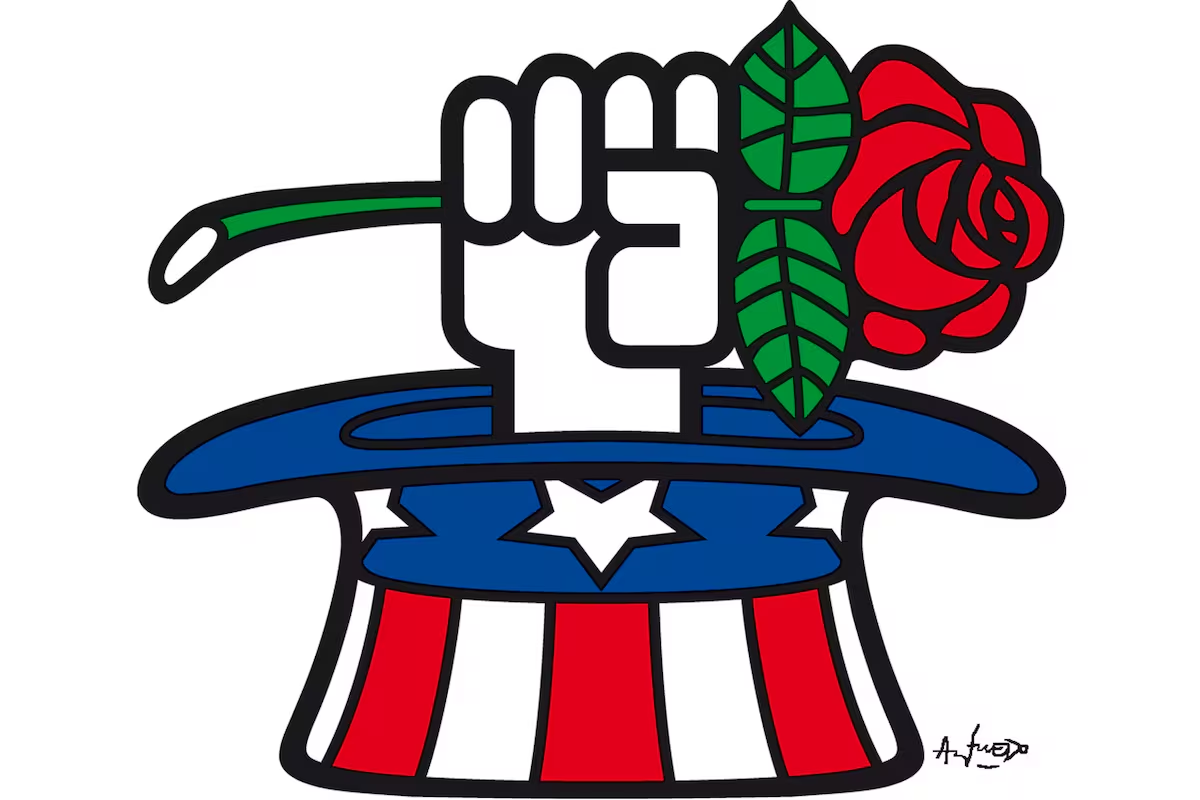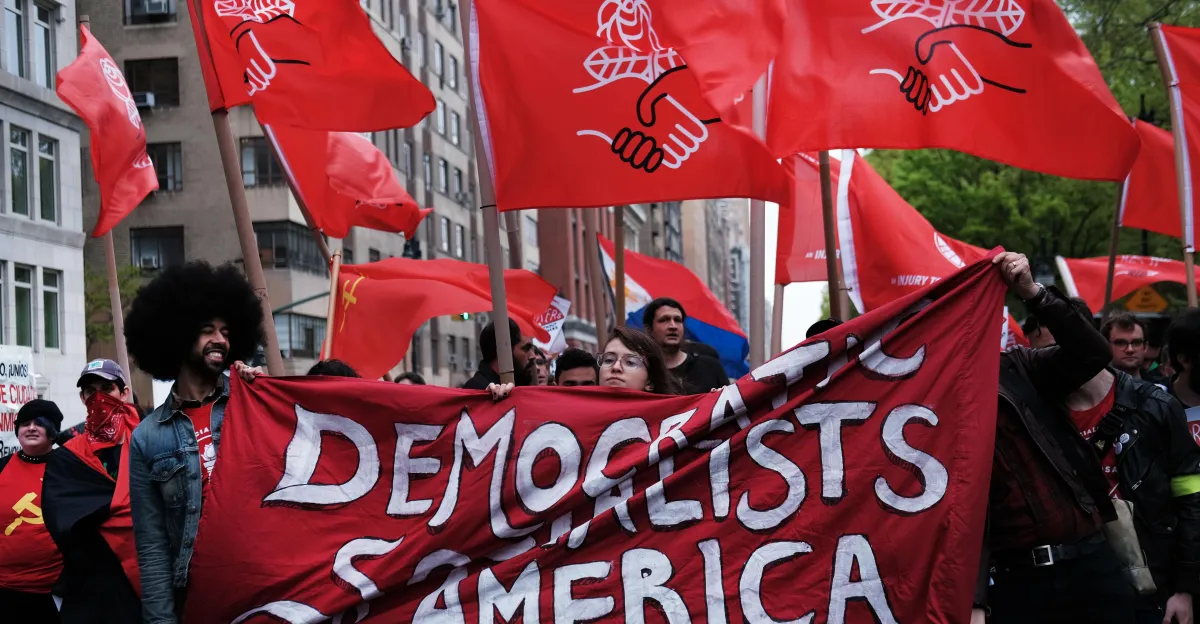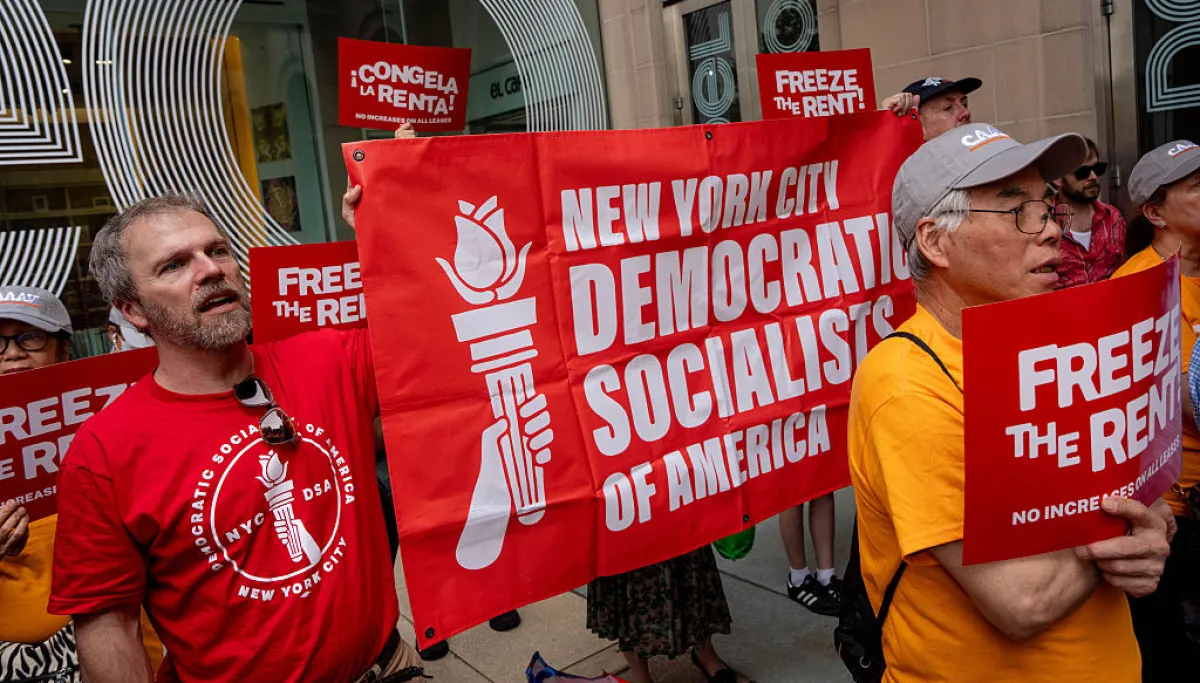
In March 1982, about 6,000 people gathered in Detroit to launch what they hoped would become America’s democratic socialist movement. The average age in the room was somewhere north of 60.The founding chairman was Michael Harrington, a Catholic intellectual who had advised Martin Luther King Jr. and wrote The Other America: Poverty in the United States, the book that helped inspire President Lyndon Johnson’s War on Poverty. He coined a slogan for his new organization that was either a sober assessment of political reality or a subtle admission of defeat, depending on your view: the left wing of the possible.For the next three decades, the Democratic Socialists of America largely confirmed the slogan’s second interpretation. The organization remained small, aging, and politically marginal. Harrington’s strategy had linked American socialism to the Democratic Party, but the party itself was moving along a different trajectory.
During the 1990s and early 2000s, Democratic administrations became associated with policies many socialists opposed: NAFTA, financial deregulation, and a broader bipartisan foreign-policy consensus. Rather than reshaping the party from within, the DSA spent much of its early existence watching the institution it had attached itself to move in directions it had little power to influence.Then 2008 arrived, and everything the DSA had been saying about capitalism started happening on live television.