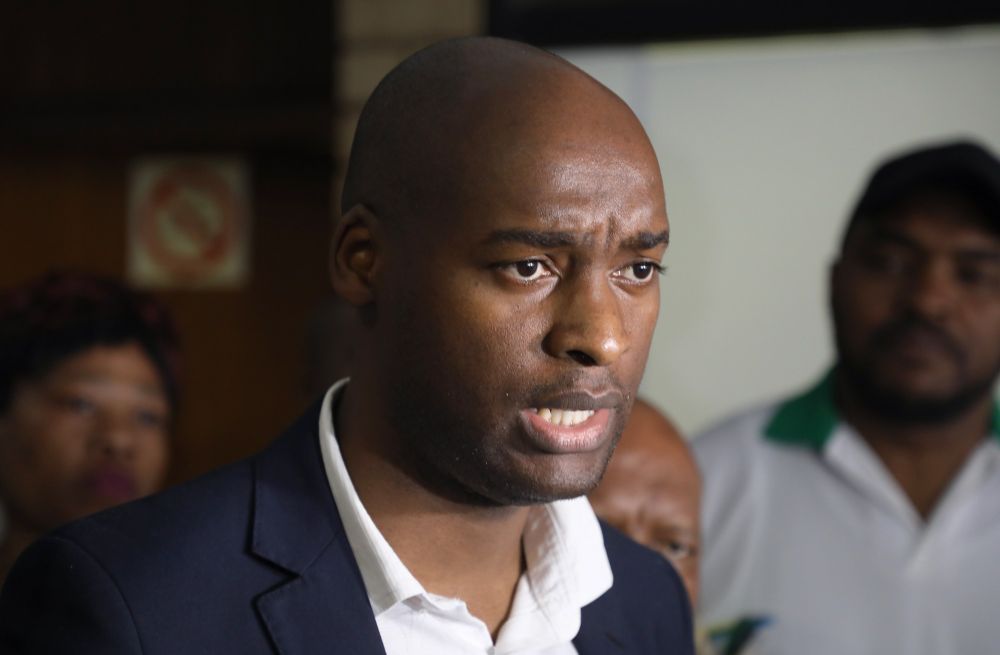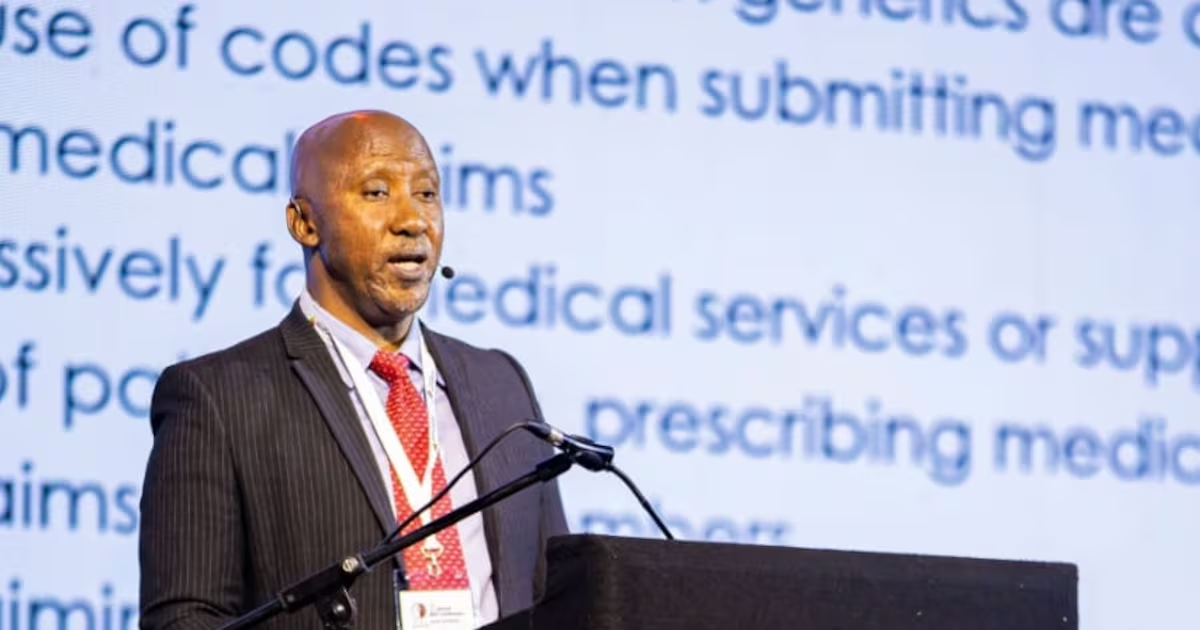
An estimated 15% of South Africa’s healthcare spending is being lost to fraud, waste and abuse, costing the sector about R30bn annually, while millions of South Africans are increasingly unable to afford medical scheme cover, delegates heard at the Board of Healthcare Funders’ (BHF) annual conference in Cape Town on Monday. Speaking at the conference, acting SIU head Leonard Lekgetho said fraud and corruption continue to undermine both the public and private healthcare sectors, increasing costs for patients and medical scheme members while diverting resources away from healthcare services.Lekgetho, who also chairs the Health Sector Anti-Corruption Forum (HSACF), said an estimated 15% of healthcare expenditure is lost to fraud, waste and abuse.He said common abuses included procurement irregularities, counterfeit medicines, price-fixing, duplicate claims, overservicing and fraudulent billing.The SIU has completed 25 health sector investigations, resulting in 306 disciplinary referrals, 377 criminal referrals and the recovery of R3.9bn.“Criminals do not sign MOUs [memorandums of understanding]; they just collaborate. So, for us, we must sign MOUs. We must collaborate,” Lekgetho said.His presentation showed that the health sector was identified as one of South Africa’s most corruption-vulnerable industries following a national risk assessment conducted using auditor-general reports, whistleblower disclosures, parliamentary oversight reports and law enforcement investigations. The Health Sector Anti-Corruption Forum was established in 2019 to improve collaboration among the government, regulators, civil society, law enforcement agencies and the private sector in combating healthcare fraud. Medical scheme membership dropsThe conference heard that corruption is only one of several pressures threatening the sustainability of South Africa’s healthcare system.Paula Armstrong, MD for economic and financial consulting at FTI Consulting, said medical scheme membership had steadily declined relative to population growth over the past decade.According to her presentation, only 14.5% of South Africans belonged to medical schemes in 2024, down from 16% in 2014. Had membership kept pace with population growth, schemes would have covered about 10.4-million beneficiaries instead of the current 9.17-million, leaving a shortfall of roughly 1.24-million people.Armstrong said the country’s weak economic performance was driving the decline in private healthcare cover.South Africa’s economy has averaged growth of just more than 1% in recent years, barely keeping pace with population growth, while the expanded unemployment figure remains above 40%. Youth unemployment among people aged 15 to 24 years is close to 60%, placing further pressure on household finances.She said these economic pressures had contributed to the growth of South Africa’s “missing middle” — an estimated eight-million people who use private healthcare but cannot afford traditional medical scheme premiums.Many instead rely on health insurance products or pay directly for healthcare services, leaving them exposed to significant out-of-pocket medical costs and fewer regulatory protections. About 1.3-million people are now estimated to be covered by health insurance products rather than medical schemes.Prof Annie Temane, executive dean of health sciences at the University of Johannesburg, told delegates that South African households spend an estimated R35.1bn a year out of their own pockets on healthcare.Delegates also debated the implementation of the NHI Act. The BHF reiterated its support for universal health coverage but argued that implementation of the NHI must be constitutionally compliant, financially sustainable and operationally practical.The organisation said its legal challenge to the NHI Act was intended to ensure constitutional compliance rather than oppose universal healthcare.Business Day
R30bn stolen a year in healthcare fraud while millions drop medical aid
Fraud, waste and abuse drive up costs and erode medical scheme membership.
540 words~2 min read